Summary:
Chemical peels offer a proven solution for acne scars, hyperpigmentation, and aging concerns affecting residents across Wake County, Franklin County, and Granville County. This comprehensive guide explains how different peel types work, their specific benefits, and ideal candidates.
Whether you’re dealing with stubborn dark spots, uneven texture, or fine lines, understanding your options helps you make informed decisions about achieving clearer, healthier skin.
Table of contents
You’ve tried countless serums and treatments, but those acne scars and dark spots just won’t budge. Maybe you’re noticing fine lines creeping in, or your skin feels rough and uneven despite your best efforts. Chemical peels might be the reset your skin has been waiting for. These medical-grade treatments go deeper than surface-level products, actually removing damaged skin layers to reveal the smoother, clearer complexion underneath. Let’s break down exactly how chemical peels work and whether they’re right for your skin concerns.
What Are Chemical Peels and How Do They Work
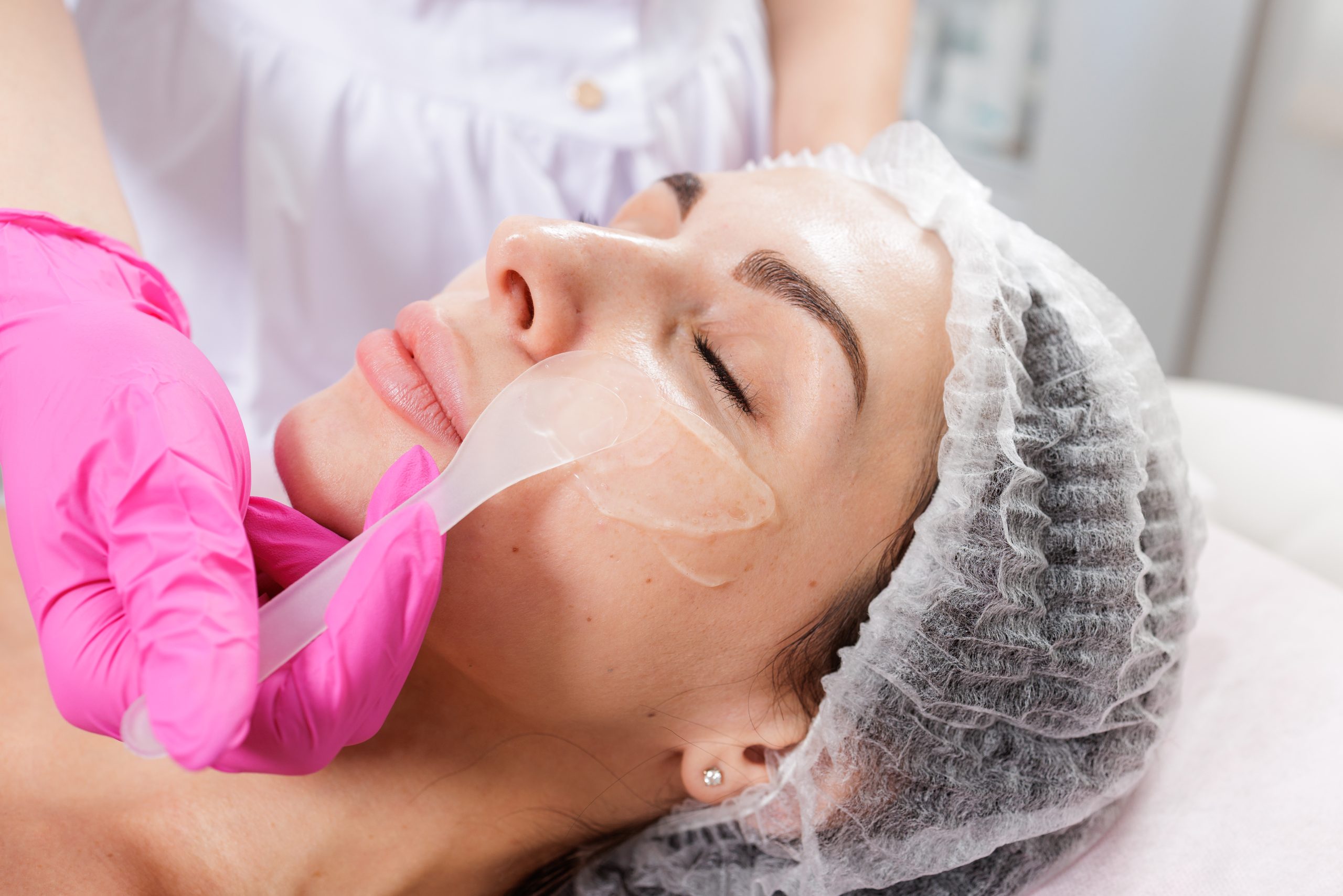
A chemical peel uses a specially formulated acid solution to remove damaged layers of skin in a controlled way. Think of it as giving your skin a fresh start by peeling away the old, damaged surface to reveal healthier skin underneath.
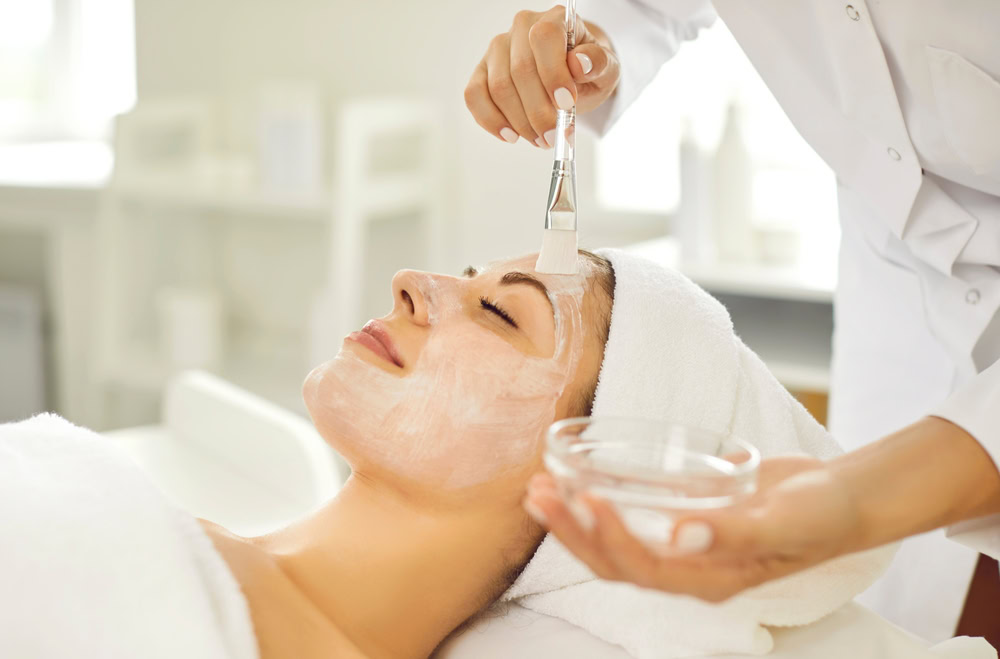
The process works by applying the chemical solution to your skin, which causes the outer layers to gradually separate and peel off over several days. As your skin heals, new cells generate to replace the old ones, creating a smoother, more even complexion.
Different acids penetrate to different depths, which is why there are various types of peels for different skin concerns. The deeper the peel goes, the more dramatic the results, but also the longer the recovery time.
Light vs Medium vs Deep Chemical Peels: Understanding Your Options
Light chemical peels are the gentlest option, using mild acids like glycolic or salicylic acid to target only the outermost layer of skin. These are perfect if you’re new to chemical peels or have sensitive skin. You’ll see a nice glow with minimal downtime, and you can repeat them every few weeks to build up results gradually.
Medium peels penetrate deeper into the skin using stronger concentrations of acids like trichloroacetic acid (TCA). These are more effective for moderate acne scars, sun damage, and deeper pigmentation issues. Expect some peeling for about a week, but the results are more dramatic and longer-lasting.
Deep peels reach the deepest layers of skin and are reserved for severe scarring, deep wrinkles, or significant sun damage. These require the most recovery time but can produce dramatic, long-lasting improvements. However, they’re not suitable for all skin types and require careful evaluation by an experienced professional.
The key is matching the right peel depth to your specific skin concerns and tolerance level. A consultation with a skilled esthetician helps determine which approach will give you the best results with minimal risk.
Glycolic Peel vs Salicylic Acid: Which Chemical Peel Is Right for You
Glycolic peels are the most popular choice for overall skin improvement. As the smallest molecule in the alpha-hydroxy acid family, glycolic acid penetrates deeply to exfoliate dead skin cells and stimulate cell turnover. It’s particularly effective for fine lines, sun damage, and general skin texture improvement.
Salicylic acid peels work differently because they’re oil-soluble, meaning they can penetrate into your pores to clean them out from the inside. This makes them ideal for acne-prone skin, blackheads, and oily skin types. Salicylic acid also has anti-inflammatory properties, so it can calm active breakouts while treating acne scars.
TCA (trichloroacetic acid) peels are the workhorses for more stubborn skin issues. They can be used at different concentrations to create light, medium, or deep peels. TCA is particularly effective for acne scars, melasma, and significant pigmentation problems because it stimulates collagen production while removing damaged skin layers.
The choice between these acids depends on your primary concerns. Glycolic works well for general anti-aging and texture improvement. Salicylic is your go-to for acne-related issues. TCA is best for more significant scarring or pigmentation that hasn’t responded to gentler treatments.
We often customize peel formulations, sometimes combining different acids to target multiple concerns in one treatment. This personalized approach often yields better results than a one-size-fits-all solution
Chemical Peel Benefits: What Results Can You Expect
The most immediate benefit you’ll notice is smoother, softer skin texture. Chemical peels remove the rough, dead skin cells that make your complexion feel uneven and look dull. After the peeling process, your skin feels noticeably smoother to the touch.
For pigmentation issues, chemical peels can significantly fade dark spots, sun damage, and post-acne marks. By removing the pigmented skin cells and encouraging faster cell turnover, peels help even out your skin tone over time. Most people see noticeable improvement after just one treatment, with continued improvement over a series of peels.
The collagen-stimulating effects of chemical peels help with fine lines and skin firmness. As the peel triggers your skin’s healing response, it ramps up collagen production, which helps fill in fine lines and improve overall skin elasticity.
Peel for Acne Scars: How Chemical Peels Transform Damaged Skin
Acne scars form when your skin’s healing process goes awry, leaving behind depressions, raised areas, or discolored marks. Chemical peels address these issues through controlled skin removal and regeneration.
For shallow acne scars, chemical peels work by removing the damaged surface layer and encouraging your skin to rebuild with healthier tissue. The new skin that forms is typically smoother and more even than the scarred tissue it replaces.
Post-inflammatory hyperpigmentation, those dark marks left behind after breakouts, responds particularly well to chemical peels. The exfoliation process removes pigmented skin cells while the increased cell turnover helps fade remaining discoloration more quickly than it would naturally.
Medium-depth peels can even help with some deeper acne scars by stimulating collagen production in the dermis. As new collagen forms, it can help fill in depressed scars from the bottom up, making them less noticeable.
The key is having realistic expectations. While chemical peels can significantly improve the appearance of acne scars, very deep or extensive scarring might require a combination approach with other treatments like microneedling or laser therapy for optimal results.
Treating Hyperpigmentation and Sun Damage with Chemical Peels
Hyperpigmentation occurs when your skin produces too much melanin in certain areas, creating dark spots, patches, or uneven skin tone. Chemical peels tackle this problem by removing the pigmented skin cells and interrupting the cycle of excess melanin production.
Sun damage, age spots, and melasma all respond well to chemical peels because these conditions primarily affect the upper layers of skin where peels are most effective. The exfoliation process literally removes the damaged, pigmented cells while the increased cell turnover helps prevent new pigmentation from forming.
For stubborn pigmentation issues, a series of peels is usually more effective than a single treatment. Each peel removes another layer of pigmented skin while encouraging the production of fresh, evenly-toned skin cells.
The anti-inflammatory effects of certain peel acids, particularly salicylic acid, can also help prevent new pigmentation from forming. This is especially important for people prone to post-inflammatory hyperpigmentation after breakouts or skin irritation.
Consistency is key with pigmentation treatment. Regular peel sessions, combined with proper sun protection and a good skincare routine, can produce dramatic improvements in skin tone evenness. Many people find their skin looks years younger after addressing long-standing pigmentation issues.
Who Should Get Chemical Peels in Wake County, NC
Chemical peels work well for most skin types and a wide range of concerns, but they’re particularly beneficial if you’re dealing with acne scars, sun damage, uneven texture, or early signs of aging. The key is working with an experienced practitioner who can assess your skin and recommend the right type and depth of peel.
If you’re frustrated with over-the-counter products that aren’t delivering results, chemical peels might be the step up you need. They’re also an excellent choice if you want to see improvements relatively quickly without the downtime of more invasive procedures.
At Wake Skincare in Wake Forest, we specialize in customizing chemical peel treatments for residents throughout Wake County, Franklin County, and Granville County, NC. With our expertise in medical-grade peels and personalized approach, we can help you achieve the clearer, healthier skin you’re looking for.