Hear from Our Customers
You’ve tried serums, peels, and every cream promising smoother skin. But acne scars don’t fade with moisturizer, and fine lines need more than surface-level fixes.
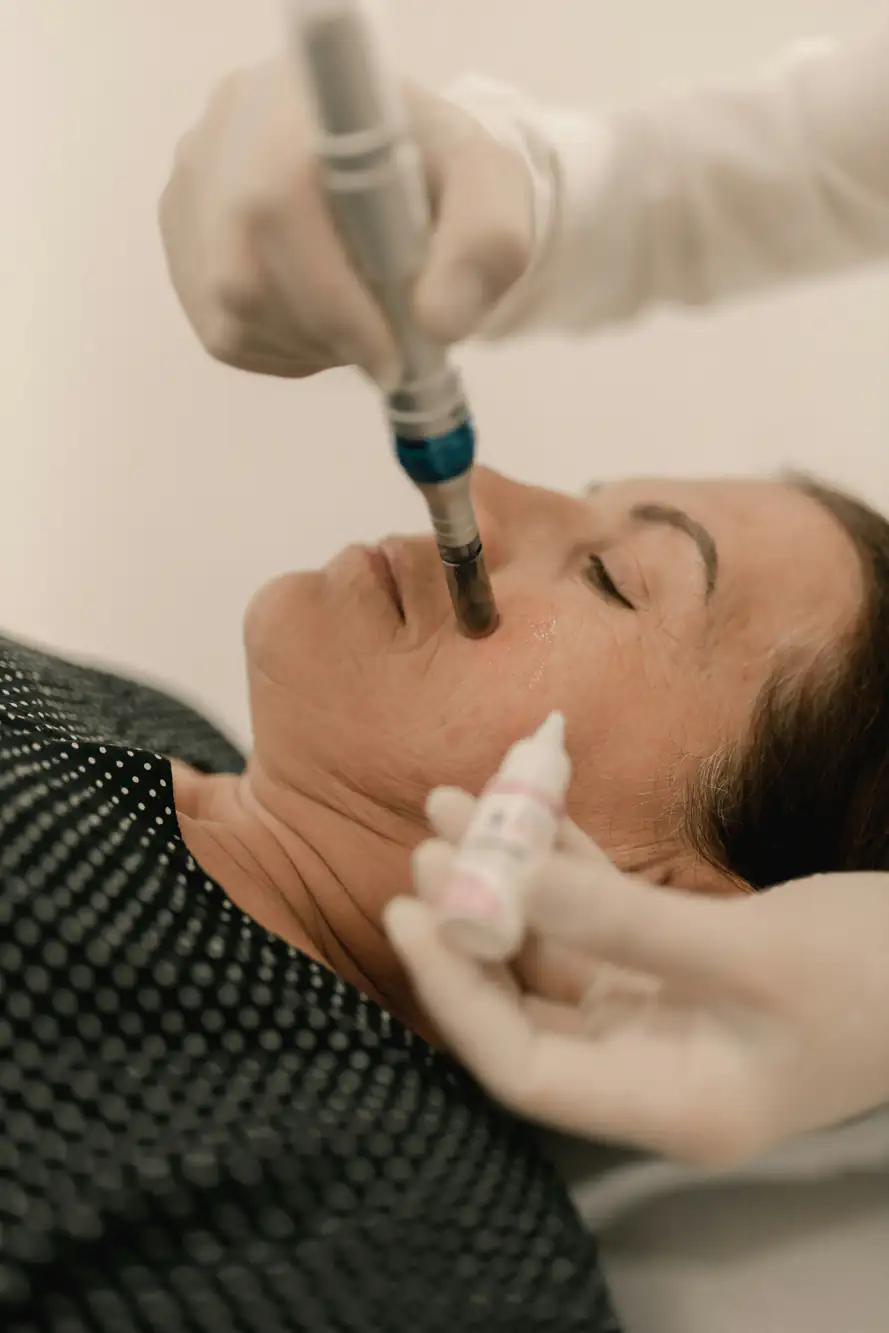
Microneedling works differently. It creates controlled micro-channels in your skin that trigger your body’s healing response, flooding the area with fresh collagen and elastin. That’s what actually fills in scars, smooths texture, and tightens loose skin.
Most people notice softer, brighter skin within 24 hours. After two or three sessions, the changes become more obvious—fewer visible pores, diminished scarring, and a firmness that makeup can’t fake. The treatment itself takes about 30 minutes, and you’re back to normal activities the next day.
This isn’t about covering up problems. It’s about rebuilding healthier skin from the inside out.
Wake Skincare is led by Jacqueline Grace, a licensed esthetician who’s won Best Esthetician in Wake County three years running. She’s also placed first internationally in the Pigmentation Artist of the Year category at The Skin Games, competing against practitioners from around the world.
She’s one of fewer than 100 people globally to hold HydraFacial Master Certification. That’s not marketing language—it’s a credential that requires advanced training, proven results, and ongoing education.
Durham and the surrounding Triangle area have no shortage of med spas. What sets us apart is the combination of medical oversight from Dr. Joseph Hummel and Jacqueline’s hands-on approach to every treatment plan. You’re not handed a one-size-fits-all protocol. You get a free consultation, a personalized plan, and someone who’s actually seen what works across thousands of real cases.
Your first visit starts with a free consultation. Jacqueline examines your skin, asks about your concerns, and explains what microneedling can realistically do for your specific issues. If it’s not the right fit, she’ll tell you.
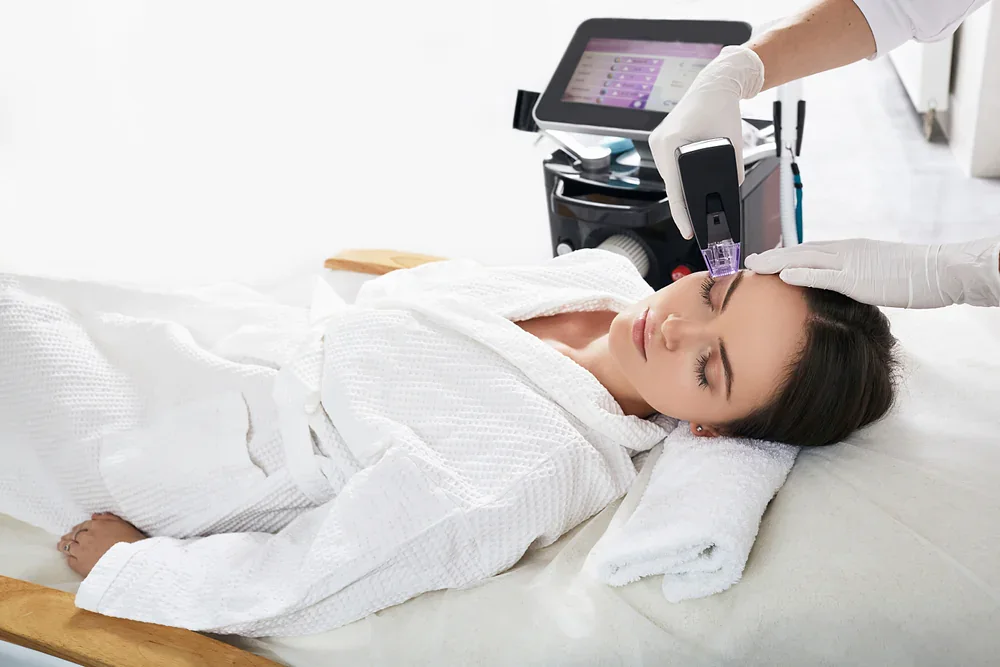
If you move forward, the actual treatment begins with a numbing cream applied to your face. After about 20 minutes, your skin is prepped and the SkinPen device is used to create thousands of tiny, controlled punctures across the treatment area. It sounds intense, but most people describe it as mild pressure or light scratching—not painful.
The micro-channels trigger your skin’s repair mode. Your body rushes collagen and elastin to the area, which is exactly what fills in scars, smooths wrinkles, and tightens sagging skin over the following weeks.
Right after treatment, your face will be red—like a moderate sunburn. That fades within a day or two. You’ll be given specific aftercare instructions, usually involving gentle cleansing and avoiding makeup for 24 hours. Most people are back to work the next day.
Results build over time. You’ll see initial improvement within the first week, but the real transformation happens as collagen continues rebuilding over the next few months.

Ready to get started?
Microneedling is particularly effective for acne scarring, which is one of the most common reasons people book consultations with us in Durham. The Triangle has a younger professional population, and many are dealing with lingering scars from teenage or adult acne that won’t respond to topical treatments.
It also addresses fine lines, especially around the eyes and mouth. If you’re starting to see deeper wrinkles or skin that’s losing elasticity, microneedling can slow that progression and restore some of the firmness you’ve lost.
Hyperpigmentation and sun damage respond well too. Durham’s sun exposure—especially for people spending time outdoors at Duke Gardens, American Tobacco Campus, or along the trails—adds up over the years. Microneedling helps even out tone and fade age spots by promoting cell turnover.
Stretch marks, enlarged pores, and overall skin texture are also treatable. The key is that microneedling works on issues rooted in collagen loss or structural damage, not just surface discoloration.
We combine microneedling with other treatments when it makes sense—HydraFacial for hydration, dermaplaning for texture, or medical-grade peels for pigment. The goal is results, not upselling you on services you don’t need.

Pricing varies depending on the treatment area and how many sessions you need, but most single microneedling sessions range between $250 and $500 in the Durham area. We offer a free consultation where Jacqueline will assess your skin and give you an accurate quote based on your goals.
Some people see the results they want after one session, but most benefit from a series of three treatments spaced about four to six weeks apart. If you’re treating deep acne scars or significant sun damage, you might need more.
The cost reflects medical-grade equipment, a licensed esthetician with international recognition, and oversight from a medical director. You’re not paying for a generic facial—you’re investing in collagen induction therapy that actually rebuilds your skin’s structure. That’s why results last months or even years, unlike topical products that stop working the moment you stop using them.
Most people don’t find microneedling painful. A numbing cream is applied about 20 minutes before treatment, so what you feel during the session is usually mild pressure or a light scratching sensation. It’s not comfortable, but it’s tolerable—and it’s over in about 30 minutes.
Right after, your skin will be red and slightly swollen, similar to a sunburn. That peaks within the first few hours and starts calming down by the next morning. By day two, most of the redness is gone, though your skin might still look a little pink or feel tight.
You’ll want to avoid makeup for the first 24 hours and skip intense workouts or sun exposure for a few days. Most people schedule treatments on a Thursday or Friday so they have the weekend to recover, but plenty go back to work the next day without issue. It’s not zero downtime, but it’s minimal compared to more invasive procedures like laser resurfacing or chemical peels.
You’ll notice your skin looks brighter and feels softer within the first 24 to 48 hours. That’s the immediate glow from increased circulation and the start of your skin’s healing response.
The real changes happen over the next four to six weeks as your body produces new collagen. Fine lines start to soften, acne scars become less pronounced, and your overall texture evens out. After a second or third session, the improvements become more dramatic and longer-lasting.
This isn’t an instant fix. Collagen production takes time, which is why results continue improving for up to six months after your final treatment. If you’re looking for something to do right before an event, microneedling can give you that initial glow, but the transformative results require patience and consistency. That’s the tradeoff for a treatment that actually rebuilds your skin instead of just temporarily plumping it.
Yes, microneedling is safe for all skin types and tones, including darker skin that might be at higher risk for hyperpigmentation with laser treatments. Because it doesn’t use heat or light, it doesn’t carry the same risk of triggering post-inflammatory pigmentation issues.
That said, not everyone is a candidate. If you have active acne, eczema, rosacea flare-ups, or certain skin infections, you’ll need to address those first. Pregnant or breastfeeding women should wait. People on blood thinners or with keloid scarring tendencies need to have a conversation with their provider before moving forward.
This is why the free consultation matters. Jacqueline will look at your skin, ask about your medical history, and give you an honest assessment of whether microneedling is right for you. If it’s not, she’ll recommend an alternative that is. The goal is safe, effective treatment—not just booking an appointment.
At-home derma rollers use shorter needles—usually 0.25mm to 0.5mm—that only reach the outermost layer of skin. They can help with product absorption and give you a temporary glow, but they don’t penetrate deep enough to trigger real collagen production.
Professional microneedling with SkinPen uses needles that go 0.5mm to 2.5mm deep, depending on what you’re treating. That depth is what activates your skin’s healing response and rebuilds collagen in the dermis, where scars and wrinkles actually form. It’s also done in a sterile environment with medical-grade equipment, which reduces infection risk.
The other issue with at-home devices is technique. If you’re not using the right pressure, angle, or aftercare, you can cause irritation, scarring, or breakouts. Professional treatment is controlled, customized to your skin’s needs, and backed by someone who’s done this thousands of times. You’re paying for results that at-home tools simply can’t deliver.
Yes, and it’s often more effective when paired with complementary treatments. We frequently combine microneedling with HydraFacial to boost hydration and enhance results, or with dermaplaning to remove dead skin cells before treatment so the micro-channels can penetrate more effectively.
Some people add medical-grade peels a few weeks after microneedling to target pigmentation, or Botox to address dynamic wrinkles that microneedling alone won’t fully resolve. The key is spacing treatments appropriately so your skin has time to heal between sessions.
Jacqueline maps out a full treatment plan during your consultation based on what you’re trying to fix. If you’re dealing with multiple concerns—say, acne scars plus fine lines plus uneven tone—she’ll recommend a sequence that addresses each issue without overwhelming your skin. It’s a strategic approach, not a random menu of add-ons.