Hear from Our Customers
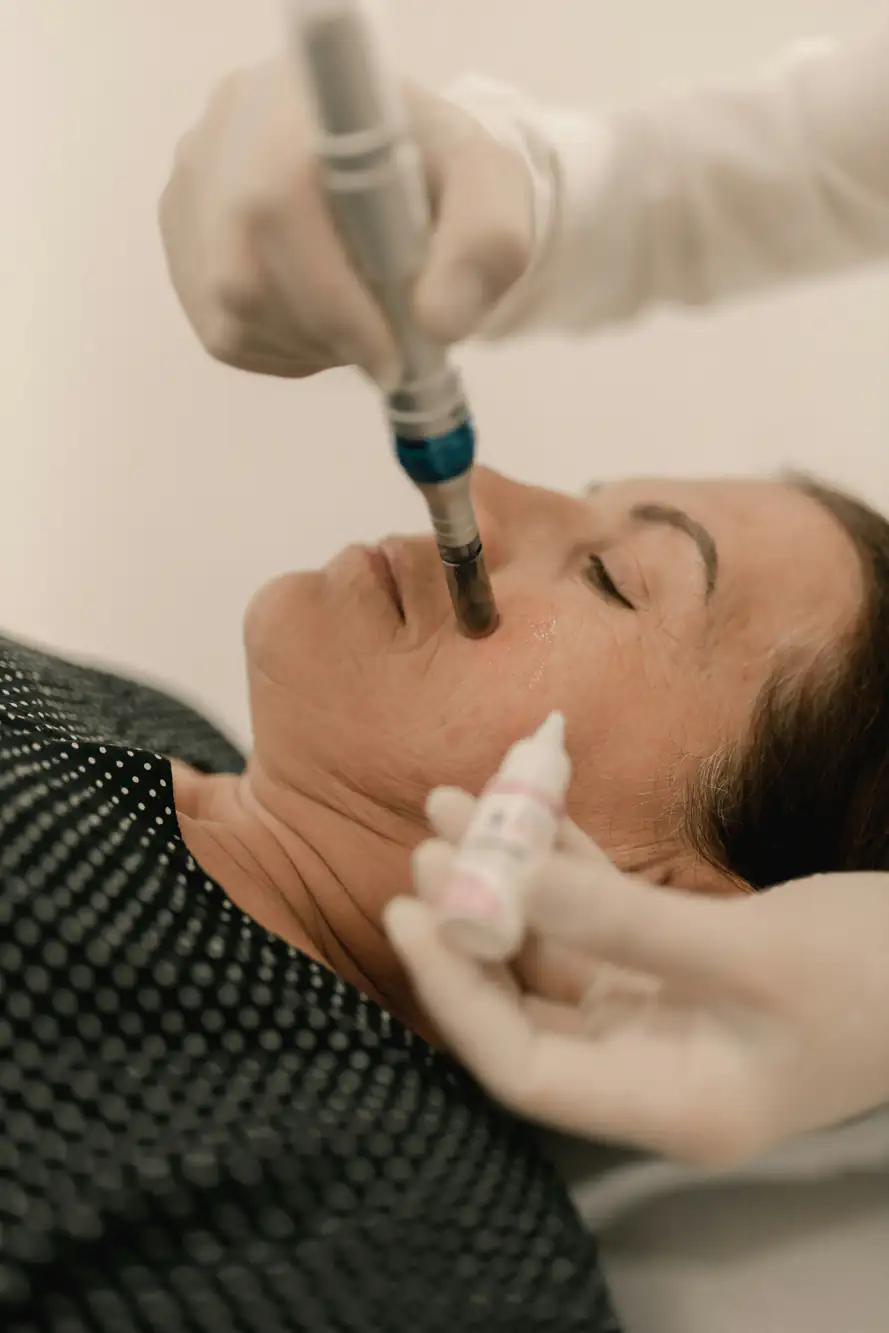
You’re not looking for another product that might work. You want visible improvement in how your skin looks and feels when you’re getting ready in the morning or catching your reflection during the day.
Microneedling works by creating controlled micro-injuries that trigger your skin’s natural healing response. That means fresh collagen production, which is what actually fills in acne scars, smooths out fine lines, and evens out texture. Most people see noticeable changes within a few weeks after their first treatment, with optimal results building through a series of three sessions spaced about four weeks apart.
The treatment itself takes around 30 minutes. You’ll have some redness for a day or two, similar to a mild sunburn, but nothing that keeps you from your normal routine. No extended recovery, no major disruption to your schedule.
What you get is tighter pores, softer texture, and skin that looks more even without makeup doing all the heavy lifting. The kind of improvement that makes you feel more confident walking out the door.
Wake Skincare is led by Jacqueline Grace, a licensed esthetician who’s been named Best Esthetician in Wake County three years running. She’s also one of the first hundred HydraFacial Master Certified practitioners worldwide and has won international recognition for pigmentation work at The Skin Games.
That’s not name-dropping. It’s context for why your consultation here feels different than most. You’re working with someone who’s seen thousands of skin types, knows what actually works, and won’t oversell you on treatments you don’t need.
We serve Fuquay-Varina and the surrounding Wake County communities with medical-grade skincare without the clinical coldness. Every treatment starts with a free one-on-one consultation where you talk through your specific concerns, your timeline, and what realistic results look like for your skin. No pressure, no upselling, just honest guidance from someone who knows the difference between a quick fix and lasting improvement.
Your first step is a free consultation. You’ll sit down with Jacqueline to talk through what’s bothering you about your skin, what you’ve already tried, and what kind of results you’re hoping for. She’ll evaluate your skin type, explain whether microneedling is the right fit, and map out a realistic treatment plan.
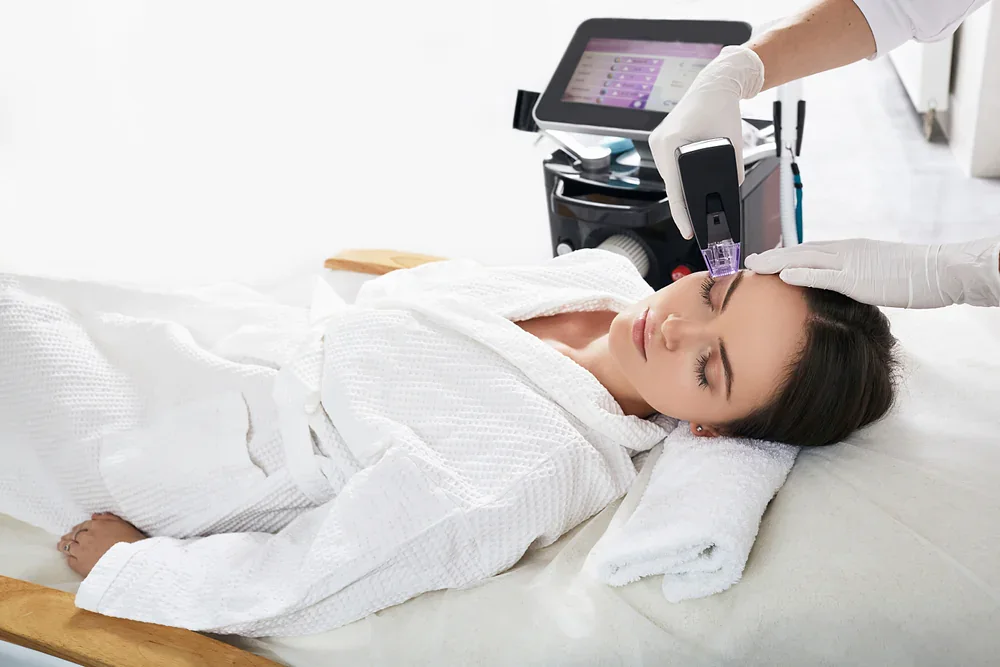
If you move forward, the actual microneedling session starts with a topical numbing cream applied to your treatment area. That sits for about 20 minutes to keep discomfort minimal. Then the FDA-approved SkinPen device is passed over your skin in a controlled pattern, creating thousands of tiny micro-channels that stimulate collagen and elastin production.
The whole treatment takes around 30 minutes. Afterward, your skin will be red and slightly sensitive, similar to a sunburn. Most people are back to normal activities the next day, with redness fading within 48 hours. You’ll get specific aftercare instructions to support healing and maximize your results.
For best outcomes, most clients complete a series of three treatments spaced four weeks apart. That gives your skin time to rebuild collagen between sessions and creates the kind of lasting improvement that doesn’t fade after a few weeks.

Ready to get started?
Every microneedling appointment at Wake Skincare includes a personalized consultation, even if you’ve been in before. Your skin changes, and so do your needs. You’re not getting a one-size-fits-all protocol.
The treatment itself uses the FDA-approved SkinPen, which is the first microneedling device cleared by the FDA for safety and effectiveness. It’s medical-grade equipment, not the at-home rollers you see online that can cause more harm than good if not used correctly.
Fuquay-Varina’s climate means many clients here are dealing with sun damage on top of other concerns like acne scarring or early signs of aging. We can customize the treatment to address multiple issues at once, and it’s often combined with other services like chemical peels or LED light therapy for enhanced results. That’s discussed during your consultation based on what your skin actually needs, not what fills an appointment slot.
You also get detailed aftercare guidance and access to medical-grade skincare products that support healing and extend your results. The goal isn’t just to get you through one treatment. It’s to set you up with a plan that keeps your skin looking better long-term.

Microneedling has solid clinical backing for treating acne scars, particularly atrophic scars, which are the indented ones most people struggle with. The treatment works by creating controlled micro-injuries that trigger your skin’s wound-healing process. That stimulates collagen and elastin production in the deeper layers of your skin, which gradually fills in scar tissue and smooths out texture.
You won’t see overnight results. Most people notice visible improvement after their second or third session, with continued improvement over the following months as collagen continues to rebuild. The key is using medical-grade equipment like the FDA-approved SkinPen and working with someone who knows how to adjust needle depth and treatment intensity based on your scar type and skin condition.
At-home devices don’t penetrate deep enough to create the same level of collagen induction, and they carry higher risk of infection or uneven results if not properly sterilized. Professional microneedling gives you controlled, consistent treatment that’s been proven effective in multiple clinical studies.
Most people describe the sensation as mild discomfort rather than pain. Before your treatment, we apply a topical numbing cream and leave it on for about 20 minutes, which significantly reduces any discomfort during the procedure. During the treatment itself, you might feel a light scratching or vibrating sensation, but it’s not sharp or unbearable.
Immediately after, your skin will be red and feel warm, similar to a moderate sunburn. That redness typically peaks within the first few hours and starts calming down by the next day. Most people see significant fading within 48 hours, though some mild pinkness can linger for up to a week depending on your skin sensitivity and the treatment depth.
You can return to most normal activities the next day. The main restrictions are avoiding direct sun exposure, heavy sweating, and harsh skincare products for about a week while your skin heals. Makeup can usually be applied 24 hours post-treatment if needed. It’s not a procedure that requires you to hide at home for days, but you do need to be gentle with your skin during the healing process.
The main difference is penetration depth, precision, and sterility. At-home derma rollers typically have fixed needle lengths between 0.2mm and 0.5mm, which only reach the superficial layers of skin. That might improve product absorption, but it won’t trigger the deeper collagen remodeling needed to address scars, wrinkles, or significant texture issues.
Professional microneedling devices like the SkinPen we use at Wake Skincare can be adjusted from 0.5mm up to 2.5mm depending on the treatment area and your specific concerns. That controlled depth allows for targeted collagen induction in the dermis, where real structural changes happen. The device is also sterile, single-use, and operated by a trained professional who understands skin anatomy and healing.
At-home rollers carry higher risk of infection if not properly cleaned, and it’s easy to cause uneven results or damage if you’re not trained in proper technique. Professional treatment gives you consistent, safe results with medical-grade equipment and expert oversight. If you’re serious about improving acne scars, fine lines, or texture, the professional route is worth the investment.
Most people see noticeable improvement after a series of three treatments spaced about four weeks apart. That’s the standard protocol because your skin needs time between sessions to complete its healing and collagen-building process. Spacing treatments too close together doesn’t give you better results—it just irritates your skin.
The number of sessions you need depends on what you’re treating and how severe the concern is. Mild texture issues or early fine lines might improve significantly after three sessions. Deeper acne scars or more advanced signs of aging might need four to six sessions for optimal results. During your consultation, you’ll get a realistic timeline based on your specific skin condition.
Some people choose to do maintenance treatments once or twice a year after their initial series to keep results going. Microneedling doesn’t stop your skin from aging or prevent new sun damage, but it does give you a stronger foundation of collagen that helps your skin look healthier longer. The goal is lasting improvement, not dependency on constant treatments.
Microneedling is effective for fine lines and mild skin laxity, but it’s important to have realistic expectations. It works by stimulating collagen production, which can improve skin firmness and smooth out shallow wrinkles, particularly around the eyes, mouth, and forehead. Clinical studies show measurable improvement in skin elasticity and wrinkle depth after a series of treatments.
That said, microneedling isn’t a replacement for more aggressive treatments if you’re dealing with significant sagging or deep-set wrinkles. It’s not going to give you the same dramatic tightening as a surgical facelift or the immediate wrinkle-smoothing of Botox. But it does provide gradual, natural-looking improvement that works with your skin’s own healing process.
Many clients at Wake Skincare combine microneedling with other treatments like chemical peels or Botox for more comprehensive anti-aging results. That’s something we discuss during your consultation based on your goals and budget. The advantage of microneedling is that it addresses skin quality at a structural level, which makes other treatments more effective and helps you maintain results longer.
Microneedling isn’t recommended if you have active acne breakouts, open wounds, or active skin infections in the treatment area. The procedure creates micro-channels in your skin, and treating compromised skin increases risk of spreading bacteria or worsening inflammation. If you’re dealing with active acne, that needs to be managed first before microneedling can safely treat residual scarring.
You should also avoid microneedling if you have certain medical conditions like bleeding disorders, are on blood-thinning medications, or have a history of keloid scarring. People with eczema, rosacea, or very sensitive skin conditions need to be evaluated on a case-by-case basis, as microneedling can sometimes trigger flare-ups.
Pregnant or breastfeeding women are typically advised to wait, not because there’s proven harm, but because there isn’t enough research to confirm safety during pregnancy. During your free consultation at Wake Skincare, we’ll go through a full health and skin history to determine whether microneedling is appropriate for you right now, or if there’s a better treatment option that fits your situation. The goal is results that improve your skin, not create new problems.