Hear from Our Customers
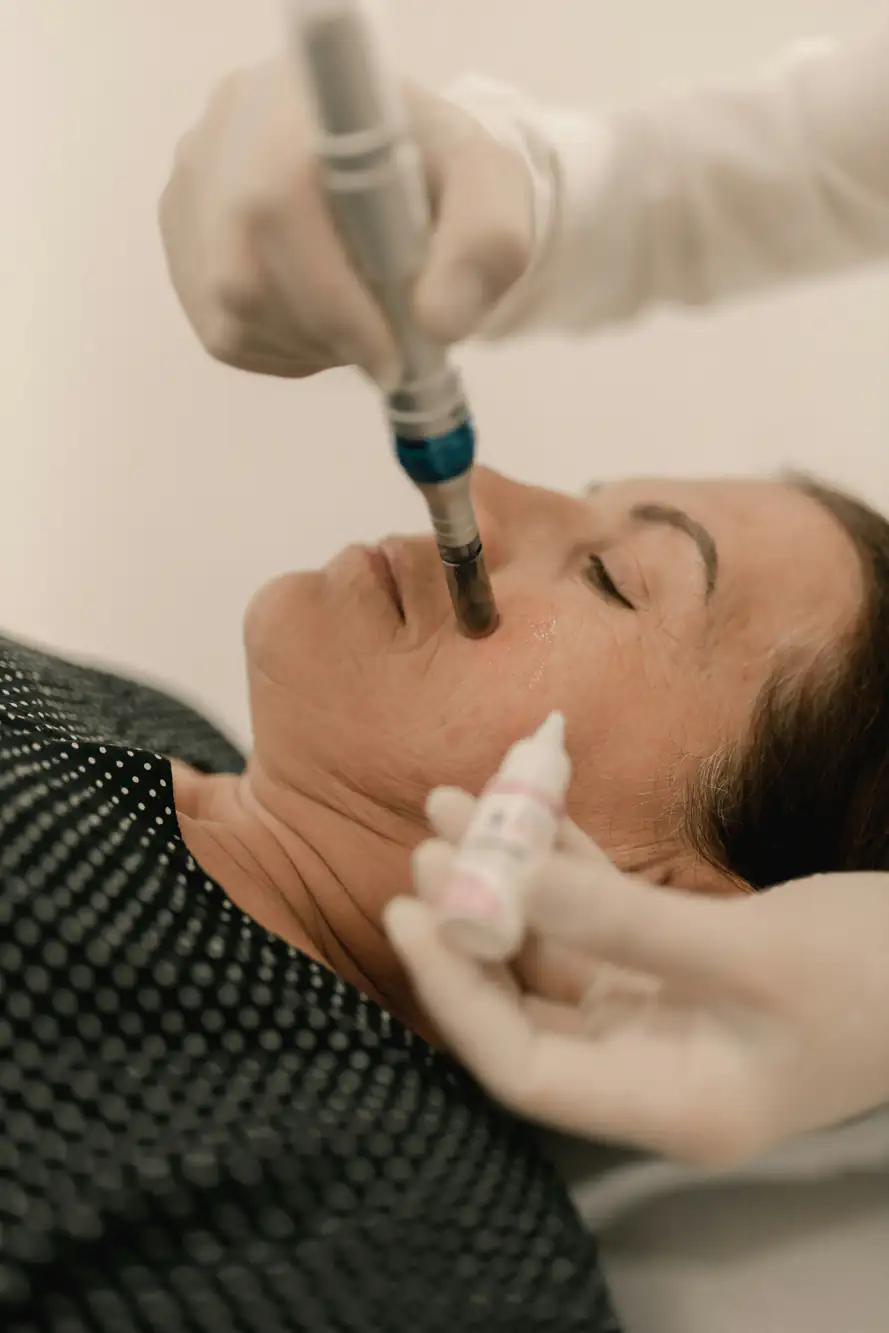
Your skin already knows how to repair itself. Microneedling just gives it a reason to start.
When controlled micro-injuries trigger your natural healing response, collagen and elastin production ramps up significantly. Studies show a 400% increase in these proteins six months after treatment. That’s not marketing language—that’s what happens when you stimulate the deeper layers of skin where real change occurs.
You’ll notice smaller pores first. Then acne scars start to soften. Fine lines around your eyes and mouth become less obvious. The texture evens out. Your skin looks healthier because it actually is healthier—not because something’s sitting on top of it.
Most people see noticeable improvements after three sessions spaced about four weeks apart. The results keep developing for months as your skin continues producing new collagen. And because you’re working with your body’s natural processes, the changes last.
This isn’t about covering up problems. It’s about giving your skin what it needs to fix them.
Our founder, Jacqueline Grace, has been named Best Esthetician in Wake County three years running. She also holds first place internationally in the Pigmentation Artist of the Year category at The Skin Games. We’re HydraFacial Master Certified, which puts us among the top practitioners worldwide.
Those credentials matter because microneedling results depend entirely on who’s performing the treatment. Needle depth, pressure, technique—small differences create dramatically different outcomes. Many people who report disappointing results or new skin concerns trace the problem back to inexperienced providers.
We serve Holly Springs and 21 other cities across Wake County with medical-grade equipment and personalized treatment plans. Every service includes a one-on-one consultation, and your first skin evaluation is free. We combine holistic methods with medical-grade solutions, which means you get a treatment approach that’s both effective and aligned with how your skin actually works.
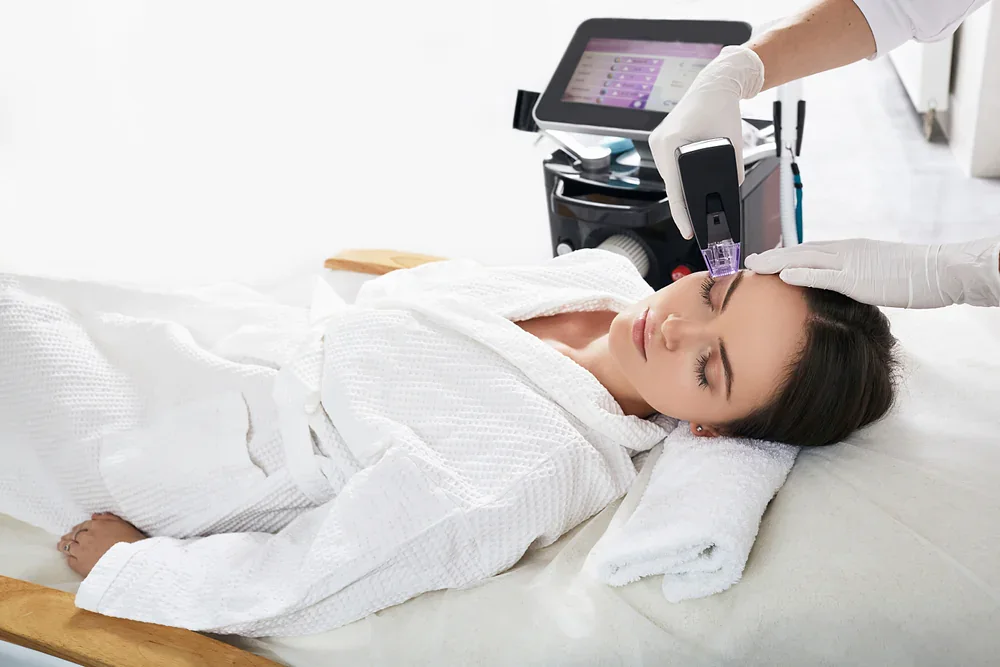
Your first visit starts with a free skin evaluation. You’ll talk through what you want to change, what’s realistic, and what timeline makes sense for your goals. No pressure, no upselling—just an honest assessment of whether microneedling is the right approach for your specific concerns.
Before your treatment, a topical numbing cream goes on. Most people describe the sensation as mild tingling or light prickling, not pain. The SkinPen device creates thousands of controlled micro-channels in your skin using fine, sterile needles. This triggers your body’s natural wound-healing process, which floods the area with growth factors and starts building new collagen and elastin.
The actual treatment takes 30 to 60 minutes depending on the area being treated. Your skin will be red afterward—similar to a moderate sunburn—and that typically fades within a day or two. You might notice some mild swelling or temporary dryness as your skin heals.
You’ll need three to six sessions spaced about four weeks apart to see optimal results. Some people see improvement after the first treatment, but the real transformation happens as collagen continues building over the following months. Maintenance treatments once or twice a year help sustain your results long-term.

Ready to get started?
Microneedling works for acne scars, surgical scars, stretch marks, fine lines, wrinkles, enlarged pores, uneven skin tone, sun damage, and rough texture. It’s FDA-cleared for treating facial acne scars and wrinkles in patients 22 and older, and it’s safe for all skin types—including darker skin tones that can’t tolerate heat or laser-based treatments.
Holly Springs sits in an area where humidity, intense UV exposure, and seasonal pollen create ongoing challenges for skin health. High humidity triggers excess oil production and clogged pores. UV reflection off Lake Royale and other water features accelerates sun damage. Temperature swings between air-conditioned spaces and outdoor heat stress your skin’s barrier function. Microneedling addresses the cumulative damage from these environmental factors by rebuilding your skin’s structural foundation.
Each treatment is customized based on your skin type, concerns, and goals. Needle depth adjusts depending on what you’re treating—shallower for fine lines and texture, deeper for acne scars. The personalized approach means you’re not getting a one-size-fits-all treatment. You’re getting a protocol designed specifically for what your skin needs.
We use medical-grade SkinPen technology with FDA clearance and precision controls. The difference between professional microneedling and at-home derma rollers is significant—both in safety and results. Professional treatment penetrates deeper, maintains sterile conditions, and delivers consistent needle depth across the entire treatment area.

Microneedling typically costs between $200 and $700 per session depending on the treatment area and clinic. Most people need three to six sessions to achieve their desired results, so you’re looking at an investment of $600 to $4,200 for a complete treatment series.
We offer transparent pricing during your free consultation. You’ll know exactly what your treatment plan costs before you commit to anything. Some clinics in the area charge $150 for a single facial session or $325 for a package of three, while others charge $500 or more per session.
The cost reflects the expertise of your provider, the quality of equipment being used, and the level of customization in your treatment. Cheaper isn’t always better with microneedling—inexperienced providers using substandard equipment are the most common source of disappointing results or unwanted side effects. You’re investing in your skin’s long-term health and appearance, which makes provider credentials and technology quality worth considering alongside price.
Most people don’t describe microneedling as painful. A topical numbing cream is applied 30 to 45 minutes before treatment, which minimizes discomfort significantly. During the procedure, you’ll feel pressure and a light scratching or tingling sensation, but it’s generally well-tolerated.
Your skin will be red immediately after treatment—similar to a moderate sunburn. That redness typically fades within 24 to 48 hours, though some people stay pink for up to three days. You might experience mild swelling, tightness, or sensitivity during the first day or two. Temporary dryness and light peeling can occur as your skin heals, usually starting around day three.
Most people return to normal activities the next day. You’ll want to avoid makeup for 24 hours, skip intense workouts for a day or two, and stay out of direct sun while your skin heals. We’ll give you specific aftercare instructions including gentle cleansers and moisturizers to use during recovery. The downtime is minimal compared to more invasive procedures like laser resurfacing or chemical peels, which is one reason microneedling has become so popular for people with busy schedules.
You’ll see some initial improvements within a few days as redness fades and your skin looks brighter and more even. But the real results develop over weeks and months as your body produces new collagen and elastin.
Most people notice visible changes after their second or third treatment session. Acne scars start softening, pores look smaller, fine lines become less pronounced, and overall texture improves. The full effect continues building for up to six months after your final session because collagen production doesn’t stop when the treatment ends—it keeps going as your skin remodels itself.
Research shows a 400% increase in collagen and elastin six months post-treatment. That’s when you see the maximum improvement in skin firmness, elasticity, and overall appearance. Results vary based on your age, skin condition, lifestyle factors, and how many treatments you complete. Younger skin with minor concerns may see dramatic improvement after three sessions, while deeper scarring or more advanced aging may require six sessions plus maintenance treatments. We’ll set realistic expectations during your consultation based on your specific situation.
Yes. Microneedling is safe for all skin types and tones, including darker skin that can’t tolerate certain laser or light-based treatments. Unlike procedures that use heat or intense light, microneedling doesn’t carry the risk of hyperpigmentation or discoloration that can occur with other facial rejuvenation methods.
The treatment works by creating controlled micro-injuries that trigger healing, not by burning or damaging the skin’s surface. This makes it suitable for sensitive skin, darker complexions, and people who’ve had negative reactions to other treatments. The FDA has cleared microneedling devices for use in patients 22 and older for treating acne scars and wrinkles.
That said, microneedling isn’t appropriate for everyone. You shouldn’t get the treatment if you have active acne breakouts, open wounds, active skin infections, or certain medical conditions. People taking blood thinners or who have keloid scarring tendencies need to discuss their situation with us before proceeding. This is why the initial consultation matters—we need to evaluate your skin, review your medical history, and determine whether microneedling is the right choice for you specifically.
Professional microneedling penetrates much deeper and delivers significantly better results than at-home devices. Medical-grade equipment like the SkinPen we use can safely reach depths of 2 to 2.5 millimeters, which is necessary for treating acne scars and stimulating substantial collagen production. At-home derma rollers typically max out at 0.25 to 0.5 millimeters—shallow enough to improve product absorption but not deep enough to trigger real structural changes in your skin.
Professional treatment also maintains sterile conditions and consistent needle depth across the entire treatment area. At-home devices can harbor bacteria if not properly cleaned, and manual rolling creates uneven pressure and inconsistent results. The needles on professional devices are sharper, finer, and replaced for each patient, while at-home roller needles dull quickly and can cause more trauma than benefit.
The biggest difference is expertise. A trained, licensed esthetician knows how to adjust needle depth for different areas of your face, how much pressure to apply, what patterns to use, and how to avoid complications. Many people who report disappointing results or new skin problems from microneedling were treated by inexperienced providers or tried DIY approaches. If you want real results without unnecessary risk, professional treatment is worth the investment.
Yes, and combining treatments often produces better results than microneedling alone. The micro-channels created during treatment allow serums, growth factors, and other beneficial ingredients to penetrate much deeper than they would on intact skin. We often apply specialized serums immediately after microneedling to maximize absorption and enhance results.
We offer customized treatment combinations based on your specific concerns. Pairing microneedling with a HydraFacial, for example, can address both structural issues and surface-level concerns in a single visit. Chemical peels, dermaplaning, and certain topical treatments can complement microneedling when properly timed and sequenced.
Timing matters, though. You’ll need to wait between certain treatments to allow your skin to heal fully. We’ll create a treatment schedule that maximizes results without overwhelming your skin or causing unnecessary irritation. Some treatments work better before microneedling, others after, and some shouldn’t be combined at all. This is another reason why working with an experienced provider makes a difference—we understand how different modalities interact and can design a comprehensive plan that addresses all your concerns efficiently and safely.