
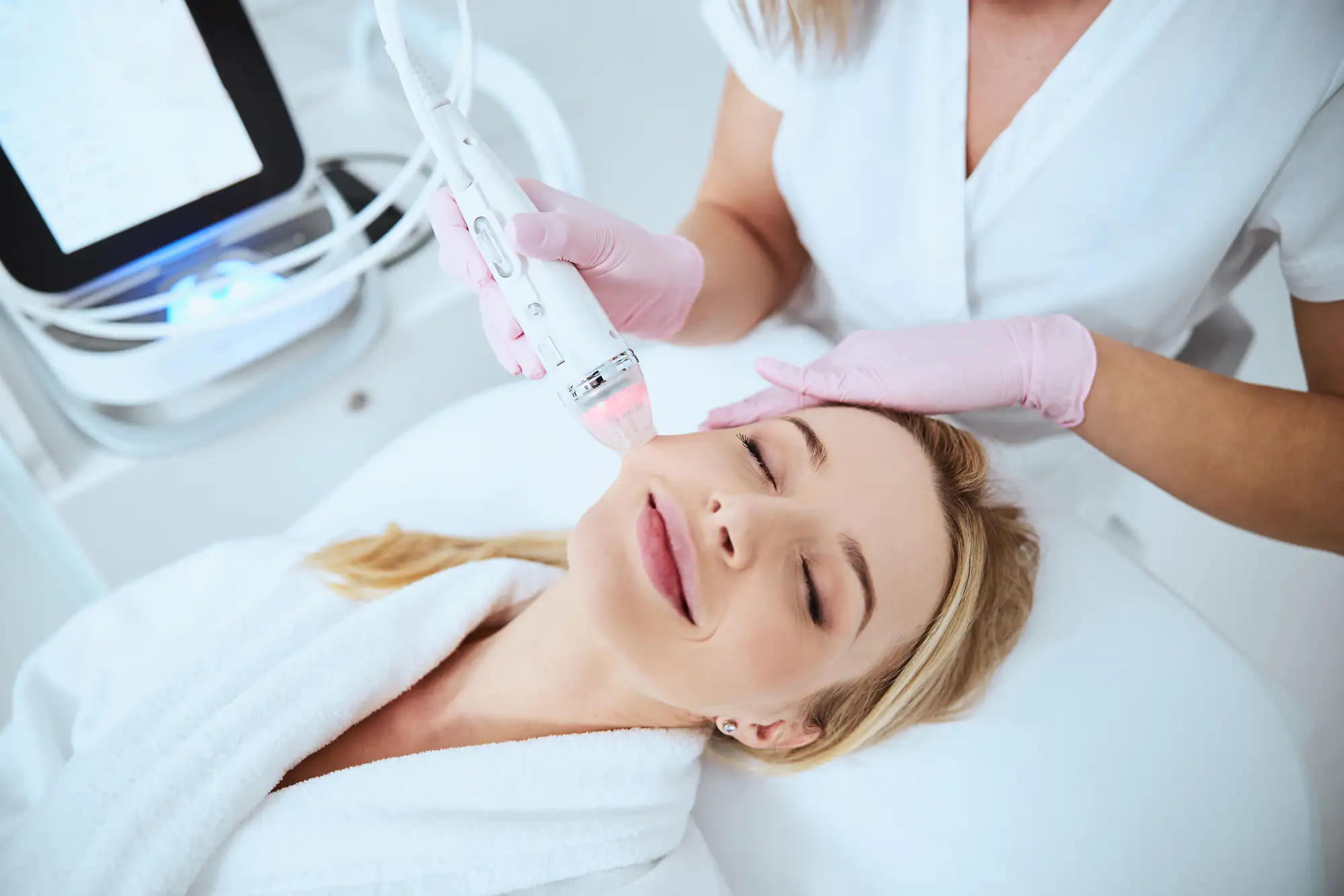
Hear from Our Customers
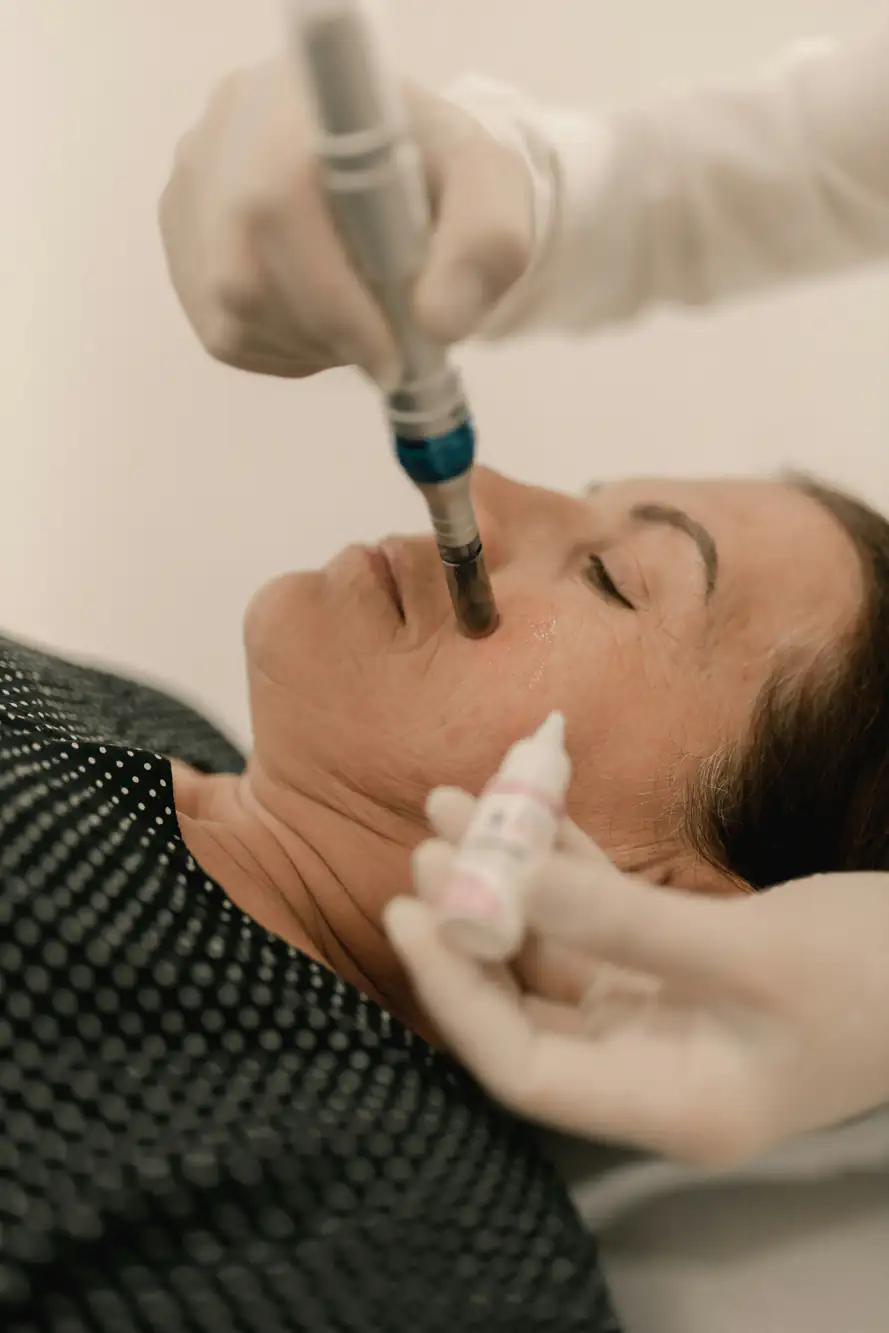
You’re not looking for another cream that sits on the surface. You need something that reaches the deeper layers where acne scars form, where collagen breaks down, where hyperpigmentation takes hold.
Microneedling creates thousands of controlled micro-channels in your skin. Your body reads this as injury and floods the area with collagen and elastin—the proteins that keep skin firm, smooth, and resilient. That’s not marketing language. That’s how wound healing works.
The difference shows up as smaller pores, softer scar tissue, and more even tone. Fine lines smooth out. Texture improves. Sun damage fades. You’re triggering your skin’s natural repair process, not masking problems with temporary fixes.
Results start showing within one to two weeks as new collagen forms. They keep improving for months as your skin continues rebuilding itself from the inside out.
We built Wake Skincare on one principle: personalized treatment plans that actually match what your skin needs. Our founder and licensed esthetician, Jacqueline Grace, earned first and second place in Pigmentation Artist of the Year at The Skin Games—an international aesthetics competition. She’s been named Best Esthetician in Wake County three years running.
She’s also one of the first hundred practitioners worldwide to achieve HydraFacial Master Certification. That’s not just a title—it means she’s trained at the highest level in advanced skincare techniques.
Micro and the surrounding Wake County communities get access to the same level of expertise that wins international recognition. Every consultation is one-on-one. Every treatment is customized. You’re not getting a cookie-cutter protocol—you’re getting a plan built around your skin concerns, your timeline, and your goals.
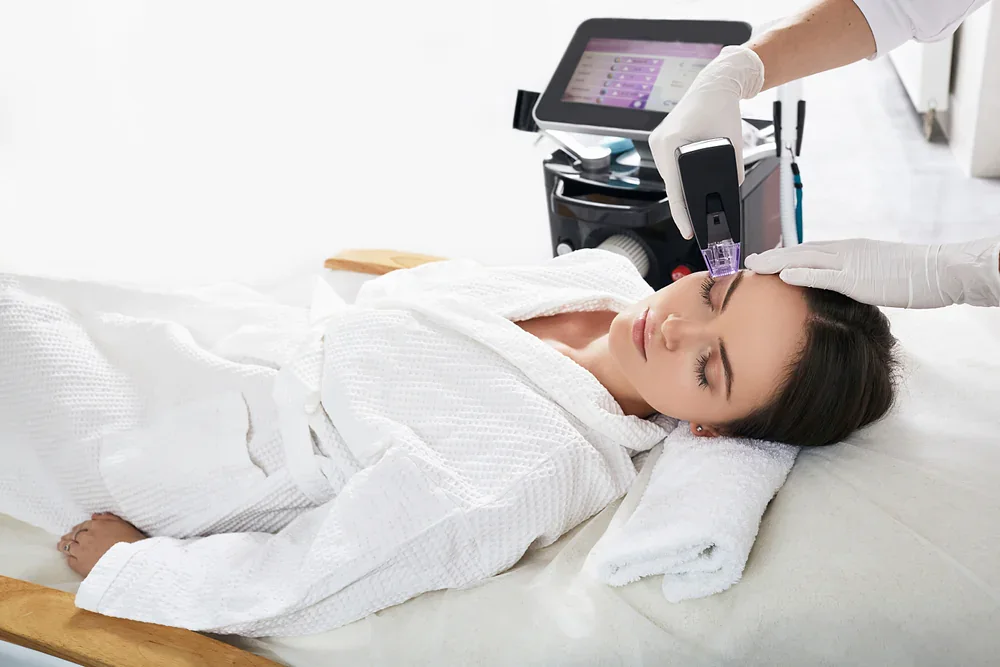
Your appointment starts with a free consultation. We assess your skin concerns—whether that’s acne scarring, sun damage, rosacea, or aging-related texture issues—and map out a realistic treatment plan.
Before the microneedling begins, we apply a topical numbing cream and let it sit for 30 minutes. Most people feel pressure, not pain. The SkinPen device uses sterile, single-use needle cartridges to create precise micro-injuries across the treatment area. This triggers your body’s healing response without damaging surrounding tissue.
The session itself takes about 30 to 45 minutes depending on the area being treated. Afterward, your skin will be red—similar to a moderate sunburn. That typically fades within one to two days.
You’ll notice some dryness and flaking for about a week as your skin sheds the outer layer and regenerates. We’ll send you home with post-care instructions that are simple to follow: gentle cleansing, hydration, and sun protection.
Most people see the best results after a series of three to four treatments spaced one month apart. Maintenance treatments once a year help preserve those improvements long-term.

Ready to get started?
Every microneedling session at Wake Skincare uses the SkinPen—the first FDA-approved microneedling device for treating wrinkles and acne scars. It’s not the same as at-home derma rollers. The needle depth is adjustable and controlled. The sterility is medical-grade. The results are consistent.
We combine microneedling with other modalities when it makes sense for your skin. That might mean pairing it with a HydraFacial for deeper hydration, dermaplaning to remove dead skin buildup, or a VI peel to accelerate pigmentation correction. These aren’t upsells—they’re strategic combinations that address multiple concerns at once.
Micro residents deal with the same environmental stressors as the rest of Wake County: sun exposure, humidity, seasonal dryness. Your skin doesn’t exist in a vacuum, so your treatment plan shouldn’t either. We factor in your lifestyle, your skincare routine, and how much downtime you can realistically handle.
You also get a free skin evaluation before any treatment begins. No pressure. No hard sell. Just an honest conversation about what microneedling can and can’t do for your specific concerns.

You’ll see initial changes within one to two weeks as your skin completes its first healing cycle. That’s when the redness fades, the flaking stops, and the new skin starts showing through.
But microneedling isn’t a one-and-done treatment. Collagen production ramps up over the following weeks and months. Your skin continues improving long after the appointment ends. Most people notice the most dramatic changes around the four to six week mark after their first session.
For deeper concerns like atrophic acne scars or significant sun damage, you’ll need multiple treatments. A series of three to four sessions spaced one month apart gives your skin time to rebuild between treatments. Each session compounds the results of the last one. Think of it as layering improvements rather than expecting one treatment to fix everything at once.
We apply a topical numbing cream 30 minutes before starting, so most people feel pressure and vibration rather than sharp pain. Your pain tolerance matters here—some describe it as mildly uncomfortable, others barely notice it.
Right after treatment, your skin will be red and feel tight, similar to a sunburn. That’s normal. It’s your skin’s inflammatory response kicking in to start the healing process. The redness usually fades within 24 to 48 hours, though some people stay pink a bit longer depending on their skin sensitivity and the treatment depth.
You’ll also experience dryness and flaking for about a week as the outer layer of skin sheds. This isn’t a bad thing—it’s dead skin making way for the new, healthier skin underneath. You can go back to work or regular activities within an hour of your appointment, but you’ll want to avoid heavy makeup, intense workouts, and direct sun exposure for a few days. We give you specific aftercare instructions that make the recovery straightforward.
Microneedling works best for concerns that involve collagen loss or damage to the deeper skin layers. That includes acne scars—especially the pitted, atrophic kind that form when inflammation damages the dermis and your body doesn’t produce enough collagen during healing.
It’s also effective for fine lines and wrinkles, particularly around the eyes, mouth, and forehead where repeated muscle movement breaks down collagen over time. Large pores shrink as the surrounding skin thickens and tightens. Hyperpigmentation from sun damage or post-inflammatory responses fades as the skin regenerates and sheds damaged cells.
Microneedling helps with loose skin and uneven texture too, though results depend on severity. If you’re dealing with mild to moderate laxity, the collagen boost can create noticeable tightening. Rosacea-related redness and rough texture often improve as the skin barrier strengthens. What microneedling won’t fix: active acne breakouts, deep wrinkles that need volume replacement, or severe skin laxity that requires surgical intervention. It’s a collagen induction therapy, not a miracle worker. But for the right concerns, it delivers results that topical products simply can’t match.
At-home derma rollers and pens don’t penetrate deep enough to trigger real collagen production. Most max out at 0.25mm to 0.5mm—shallow enough to boost product absorption but not deep enough to reach the dermis where collagen and elastin live.
Professional microneedling with the SkinPen reaches depths of 0.5mm to 2.5mm depending on what we’re treating and where. That depth matters. It’s the difference between surface-level exfoliation and actual wound healing that remodels scar tissue and builds new structural proteins.
Sterility is the other major difference. The SkinPen uses single-use, sterile needle cartridges that get disposed of after every treatment. At-home devices are nearly impossible to sterilize properly, which increases infection risk—especially when you’re creating thousands of micro-channels in your skin. We also adjust needle depth, speed, and pressure based on your skin type and the area being treated. A one-size-fits-all roller can’t do that. You’re getting precision and safety that at-home devices can’t replicate.
Most people need three to four sessions spaced one month apart to see significant improvement. That’s the standard protocol for addressing acne scars, sun damage, fine lines, and texture issues.
Your skin needs time between treatments to complete the healing and collagen-building process. Spacing sessions one month apart gives your body enough time to respond fully before we stimulate the next round of repair. Stacking treatments too close together doesn’t speed up results—it just increases irritation without added benefit.
After your initial series, maintenance treatments once a year help preserve your results. Collagen production naturally declines with age, so an annual session keeps your skin in rebuild mode rather than breakdown mode. Some people come in twice a year if they’re dealing with ongoing sun exposure or want to stay ahead of aging. We’ll recommend a schedule based on how your skin responds and what your long-term goals are. There’s no universal answer—it depends on what you’re treating and how aggressive you want to be.
Yes, and it’s one of the most effective non-surgical treatments for atrophic acne scars—the depressed, pitted scars that form when your skin doesn’t produce enough collagen during the healing process after a breakout.
When we create controlled micro-injuries with the SkinPen, your body responds by flooding the area with growth factors, collagen, and elastin. That new collagen fills in the depressed areas over time, raising the scar tissue closer to the level of the surrounding skin. It doesn’t happen overnight. You’re literally rebuilding damaged tissue from the inside out.
The depth of your scars determines how many treatments you’ll need. Shallow rolling scars often improve significantly after three to four sessions. Deeper boxcar or ice pick scars may require more treatments or combination therapy—microneedling paired with chemical peels or other resurfacing methods to maximize collagen remodeling. Post-inflammatory hyperpigmentation—the dark spots left behind after acne heals—also fades as microneedling accelerates cell turnover and evens out melanin distribution. If you’ve tried over-the-counter scar treatments without success, microneedling reaches the layers where those products can’t go.