
Hear from Our Customers
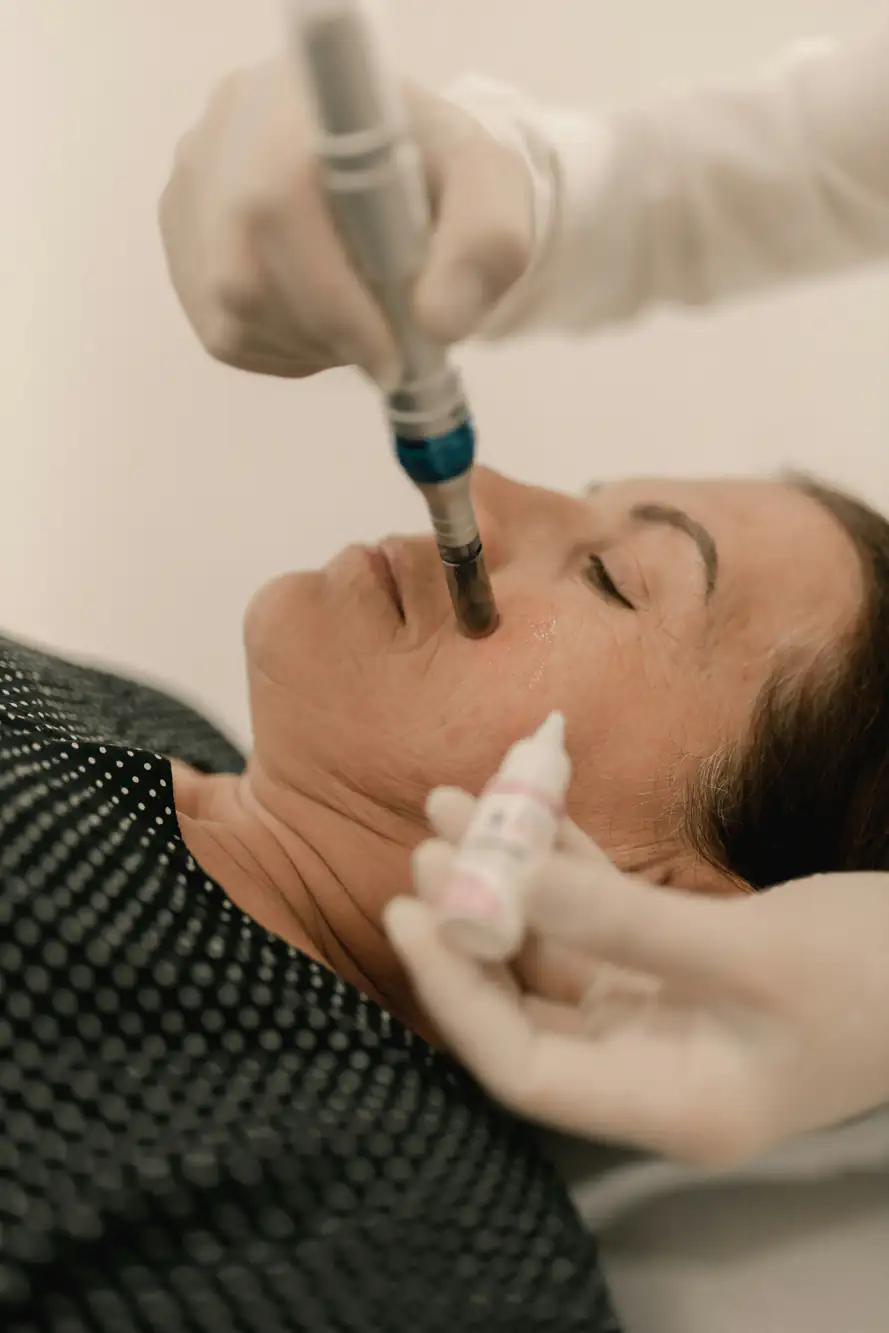
Your skin already knows how to repair itself. Microneedling just gives it a reason to start.
When controlled micro-injuries trigger your body’s natural healing response, collagen and elastin production kicks into gear. That’s what smooths out acne scars, softens fine lines, and evens out texture. You’re not covering anything up—you’re rebuilding from underneath.
Most people notice brighter, smoother skin within the first week. Full results show up around four to six weeks as new collagen continues to form. The treatment itself takes about 30 minutes, and you’ll have some redness for a day or two—similar to a mild sunburn. That’s it.
This isn’t about chasing perfection. It’s about giving your skin what it needs to look healthier, feel firmer, and absorb the products you’re already using more effectively.
Wake Skincare isn’t a chain spa or a one-size-fits-all clinic. Jacqueline Grace, a licensed esthetician and three-time Best Aesthetician in Wake County, runs every consultation and treatment herself.
She’s also a first-place winner in international aesthetics competitions and holds HydraFacial Master Certification—one of the first hundred practitioners worldwide to earn it. That level of training matters when someone’s working on your face.
Clients from Moncure and across Wake County come to us because our approach is different. Every treatment starts with a free consultation. Every plan is built around your skin, not a menu. And every session is designed to get you visible results without the runaround.
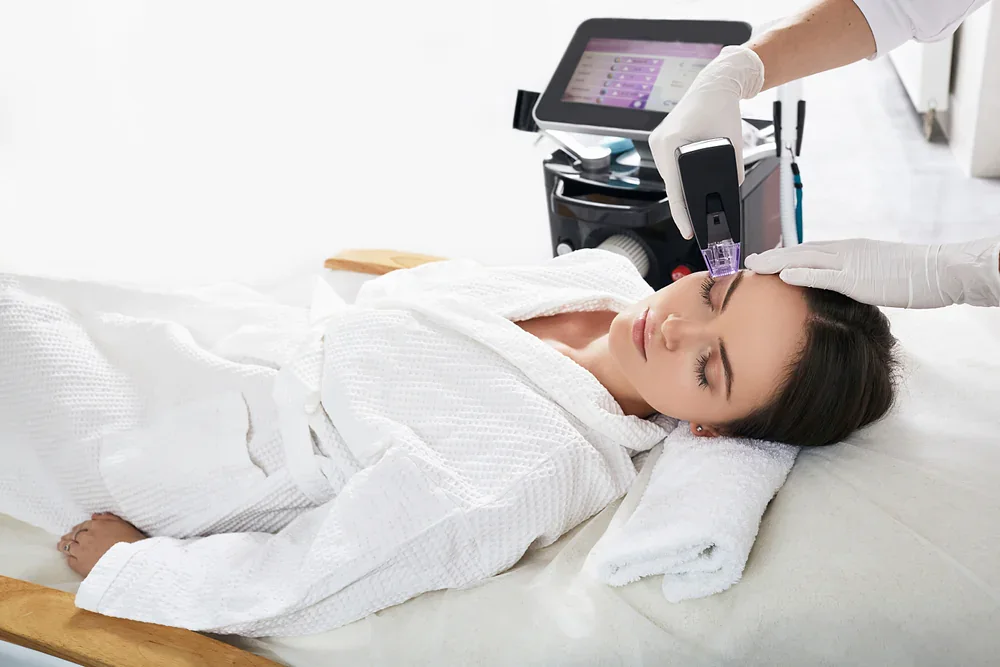
You’ll start with a free one-on-one consultation. Jacqueline evaluates your skin, talks through your concerns, and maps out a treatment plan that makes sense for your goals and timeline.
On treatment day, your skin is cleansed and prepped with a topical numbing cream. Once you’re comfortable, the SkinPen device creates controlled micro-channels in the skin. This stimulates collagen production and allows serums to penetrate deeper than they ever could on their own.
The session takes about 30 minutes. Afterward, you’ll have some redness—think light sunburn—that fades within 24 to 48 hours. Most people are back to normal activities the next day.
You’ll see initial results within a week as your skin starts to smooth out and brighten. Over the next four to six weeks, collagen continues building, and that’s when you’ll notice the real transformation—firmer texture, reduced scarring, and a more even tone.

Ready to get started?
Every microneedling treatment at Wake Skincare uses medical-grade SkinPen technology, not at-home rollers or outdated equipment. You’re getting FDA-cleared collagen induction therapy designed for real skin rejuvenation.
Your session includes a customized serum application based on your skin’s needs—whether that’s targeting hyperpigmentation, boosting hydration, or accelerating healing. These serums penetrate up to 90% deeper thanks to the micro-channels created during treatment.
For clients in Moncure and surrounding areas dealing with stubborn acne scars or sun damage from outdoor work and recreation, microneedling offers a non-invasive solution that doesn’t require time off. You’re not sitting in a waiting room for hours or scheduling multiple follow-ups before seeing progress.
We also offer combination treatments—pairing microneedling with chemical peels or HydraFacial for enhanced results. Jacqueline will walk you through what makes sense for your skin during your consultation, and there’s no pressure to add services you don’t need.

Most people describe microneedling as tolerable, not painful. Before the treatment starts, a topical numbing cream is applied to your skin and left on for about 20 minutes. This significantly reduces any discomfort.
During the procedure, you’ll feel a light scratching or vibrating sensation as the SkinPen moves across your face. Some areas—like around the nose or forehead—might be slightly more sensitive than others, but it’s not sharp or unbearable. The numbing cream does its job.
The entire treatment takes around 30 minutes. Afterward, your skin will feel warm and tight, similar to a sunburn. That sensation usually fades within a few hours, and any redness typically clears up within 24 to 48 hours.
It depends on what you’re treating. For general skin texture improvement or a refresh before an event, one session can give you noticeable results. For deeper concerns like acne scarring, stretch marks, or significant sun damage, most people see the best outcomes with three to six sessions spaced about four to six weeks apart.
Your skin needs time between treatments to build new collagen. Spacing sessions properly gives your body the chance to heal and regenerate without overdoing it.
During your free consultation, Jacqueline will assess your skin and give you a realistic treatment plan. If you only need one session, she’ll tell you. If you’d benefit from a series, she’ll explain why and what to expect at each stage. There’s no upselling—just honest guidance based on your skin’s condition and your goals.
At-home derma rollers and pens don’t penetrate deeply enough to trigger real collagen production. They might help with product absorption, but they’re not going to address acne scars, fine lines, or significant texture issues. The needle depth is limited for safety reasons, which also limits results.
Medical-grade microneedling uses an FDA-cleared device like SkinPen that can be adjusted to the right depth for your skin type and concern. It’s performed in a sterile environment by a licensed professional who knows how to treat different areas of the face safely and effectively.
You’re also getting professional-grade serums applied immediately after treatment, when your skin is primed to absorb them. That combination—controlled depth, sterile technique, and clinical-grade products—is what delivers actual transformation, not just surface-level improvement.
Yes. Microneedling is one of the most effective treatments for atrophic acne scars—the indented or pitted scars left behind after breakouts. The controlled injury prompts your skin to produce new collagen, which fills in the depressed areas over time and smooths out texture.
For hyperpigmentation, microneedling works by accelerating cell turnover and allowing brightening serums to penetrate deeper. It’s particularly effective for post-inflammatory hyperpigmentation (the dark spots left after acne heals) and sun damage.
You won’t see scars vanish overnight. Collagen remodeling takes weeks, and deeper scars may require multiple sessions. But the improvement is real and lasting—not temporary like makeup or topical creams. Most clients notice smoother texture and more even tone after their first treatment, with continued improvement over the following months as collagen continues to build.
Before your appointment, avoid retinoids, exfoliating acids, and any harsh skincare products for at least three days. You’ll also want to skip sun exposure or tanning beds for about a week prior. If your skin is irritated or sunburned going into treatment, it won’t respond as well.
After microneedling, your skin will be more sensitive than usual. Avoid direct sun exposure for at least a week, and wear a broad-spectrum SPF daily—this is non-negotiable. Don’t use active ingredients like retinol, vitamin C, or acids for about five days post-treatment. Stick to gentle, hydrating products.
Also skip heavy workouts, saunas, or anything that makes you sweat heavily for the first 24 hours. Sweating can irritate your skin while it’s healing. You can wear makeup after 24 hours if needed, but give your skin a break if you can. Jacqueline will give you specific aftercare instructions during your appointment so you know exactly what to do.
Microneedling isn’t recommended if you’re pregnant, breastfeeding, or currently dealing with active acne, rosacea flare-ups, eczema, or open wounds. If you have a history of keloid scarring, it’s also not a good fit—microneedling could potentially make that worse.
People on blood thinners or with certain skin conditions should check with their doctor before booking. Same goes if you’ve had facial fillers or Botox recently—you’ll need to wait a couple of weeks before microneedling in those areas.
During your free consultation, Jacqueline will review your medical history and current skin condition to make sure microneedling is safe and effective for you. If it’s not the right treatment, she’ll recommend an alternative that will actually work. The goal is results, not just booking appointments.