Hear from Our Customers
Your skin knows how to repair itself. It just needs the right trigger.
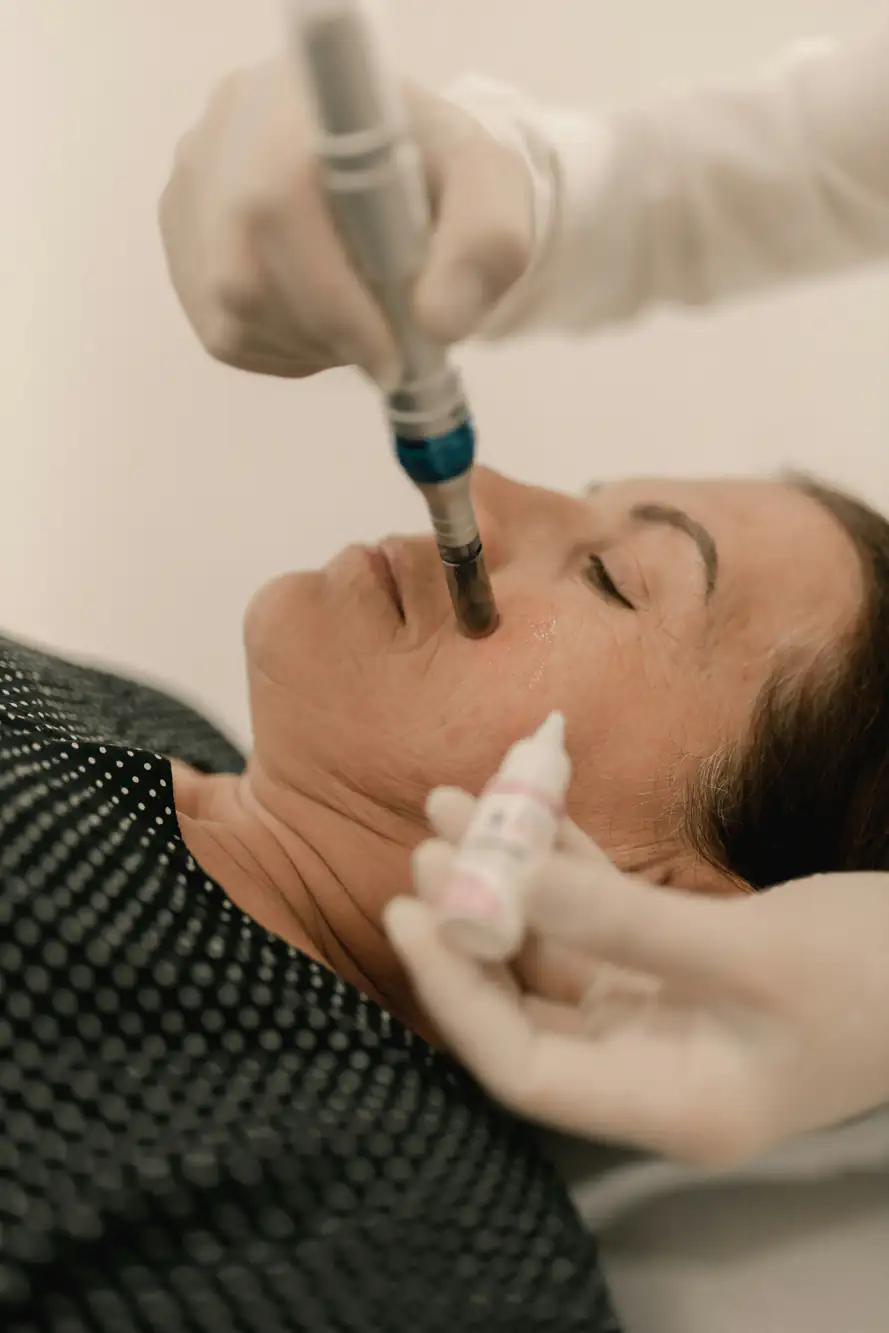
Microneedling creates controlled micro-injuries that kickstart your body’s natural collagen production. That means smoother texture, reduced scarring, and a more even tone without relying on fillers or invasive procedures. You’re not covering up the problem—you’re addressing what’s happening beneath the surface.
Most people see visible improvement within days, with results that continue developing over the following weeks as new collagen forms. The treatment works on acne scars, hyperpigmentation, large pores, and early signs of aging. It’s effective because it’s working with your skin’s biology, not against it.
If you’ve tried topical products that didn’t deliver or you’re hesitant about more aggressive treatments, this sits right in the middle. Real results, manageable downtime, and a process that makes sense when someone actually explains it.
Wake Skincare is led by Jacqueline Grace, a licensed esthetician who’s been named Best Esthetician in Wake County three years running. She’s also HydraFacial Master Certified and took first place internationally in the Pigmentation Artist of the Year category at The Skin Games.
That’s not name-dropping. It’s context for why clients from Nashville, Zebulon, and across eastern Wake County make the drive to Wake Forest for their treatments.
Every microneedling session here starts with a free consultation. You’ll talk through your skin concerns, get a realistic timeline, and leave with a treatment plan that’s built around your goals—not a one-size-fits-all protocol. We use medical-grade devices like SkinPen, and our approach blends clinical precision with a level of personalization most medspas skip right over.
You’ll start with a free skin evaluation where Jacqueline assesses your skin type, discusses your concerns, and maps out a realistic treatment plan. No pressure, no upselling—just a straightforward conversation about what microneedling can and can’t do for your specific situation.
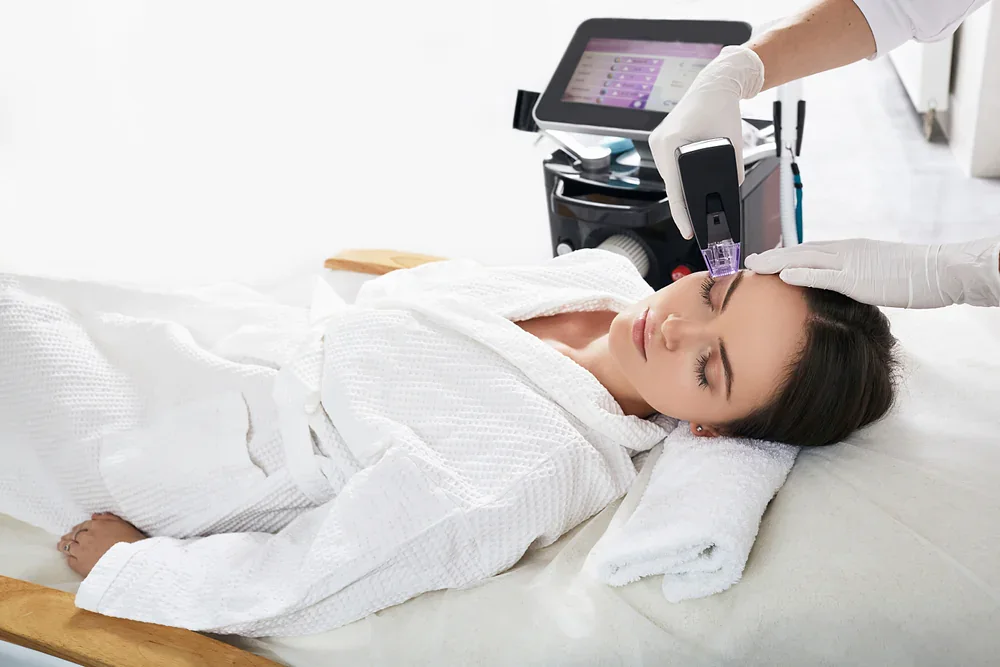
On treatment day, a topical numbing cream is applied to keep you comfortable. Most people describe the sensation as tolerable pressure, not pain. The SkinPen device creates thousands of tiny channels in your skin, which sounds intense but takes around 30 minutes for a full face.
Your skin will look flushed immediately after, similar to a moderate sunburn. That redness typically fades within 24 to 48 hours. You’ll get clear aftercare instructions—mostly about keeping your skin clean, moisturized, and protected from the sun while it heals.
Results start showing up within a few days as inflammation settles. But the real transformation happens over the next four to six weeks as your body produces fresh collagen. Most clients do a series of three to four sessions spaced about four weeks apart for optimal results.

Ready to get started?
Microneedling is particularly effective for acne scarring, which is one of the most common concerns among Nashville and Wake County clients. The controlled injury prompts your skin to remodel scar tissue and produce new, healthy collagen in its place.
It also works well for hyperpigmentation, sun damage, uneven texture, large pores, and early-stage fine lines. If you’re dealing with rosacea, melasma, or loose skin, microneedling can be part of a broader treatment plan—but it’s not a standalone fix for everything.
We use FDA-cleared devices and follow strict safety protocols. You’re not getting a dermaroller from Amazon. You’re getting medical-grade collagen induction therapy performed by someone who’s done this thousands of times and knows how to adjust depth and technique based on your skin’s needs.
We serve clients throughout eastern Wake County, including Nashville, Zebulon, Bailey, Red Oak, and Spring Hope. If you’re tired of driving to Raleigh or Durham for quality skincare, we’re a closer option with credentials that match or exceed what you’ll find in larger markets.

Most people tolerate microneedling well, especially with numbing cream applied beforehand. You’ll feel pressure and a scratching sensation, but it’s not painful in the way you might expect.
Your skin will be red and slightly swollen immediately after treatment, similar to a sunburn. That usually peaks within the first 12 hours and starts calming down by the next day. Most clients are back to normal activities within 24 to 48 hours, though your skin may still look a little pink.
You’ll want to avoid makeup for the first 24 hours and skip intense workouts or sun exposure for a few days. It’s not zero downtime, but it’s far less disruptive than laser resurfacing or chemical peels that deliver similar results. If you have an event coming up, plan your session at least a week out to be safe.
Pricing varies based on treatment area and whether you’re doing a single session or a package. Most facial treatments in the Wake County area range from $200 to $400 per session, which is competitive with other professional providers in Raleigh and Durham.
For best results, most people do three to four sessions spaced about four weeks apart. That gives your skin time to heal and produce new collagen between treatments. Some clients see enough improvement after two sessions and stop there. Others continue with maintenance treatments every few months.
During your free consultation, Jacqueline will give you a realistic estimate based on your skin concerns and goals. There’s no obligation to commit to a package upfront, but bundling sessions usually brings the per-treatment cost down. The investment makes sense when you compare it to the cumulative cost of topical products that don’t penetrate deep enough to make a real difference.
At-home dermarollers can help with product absorption, but they don’t penetrate deep enough to trigger real collagen remodeling. Most consumer devices max out at 0.25mm, while professional microneedling goes between 0.5mm and 2.5mm depending on what you’re treating.
Depth matters because collagen production happens in the deeper layers of your skin. Surface-level needling won’t get you there. Professional devices like SkinPen are also sterile, adjustable, and used by someone trained to assess your skin and adjust technique in real time.
There’s also a safety factor. Improper technique or unsterile equipment can lead to infection, scarring, or worsening hyperpigmentation—especially on darker skin tones. If you’re serious about treating acne scars, sun damage, or aging skin, professional microneedling is worth the difference in cost and results. At-home tools are fine for maintenance between sessions, but they’re not a replacement for clinical treatment.
It can, if it’s not done correctly. Microneedling creates inflammation, and inflammation can trigger melanin production in people prone to hyperpigmentation—especially those with darker skin tones.
That’s why working with an experienced esthetician matters. Jacqueline adjusts needle depth, pressure, and post-care protocols based on your skin type and pigmentation risk. She’s also trained specifically in treating pigmentation issues, which is why she won the international Pigmentation Artist of the Year award.
You’ll also get clear instructions on sun protection and skincare products to use during your healing phase. Skipping sunscreen or using harsh actives too soon can undo your results or make pigmentation worse. If melasma or post-inflammatory hyperpigmentation is your primary concern, microneedling can absolutely help—but only when it’s done right and combined with the right at-home care.
Microneedling isn’t recommended if you’re pregnant, breastfeeding, or currently dealing with active acne, eczema, rosacea flare-ups, or skin infections. It’s also not a good fit if you have a bleeding disorder or take blood thinners, since the treatment does cause minor bleeding.
If you’ve used isotretinoin (Accutane) in the past six months, you’ll need to wait. Your skin needs time to stabilize before undergoing any procedure that involves controlled injury.
People with keloid scarring should approach microneedling cautiously, as there’s a risk of abnormal scarring. During your consultation, Jacqueline will review your medical history and current skin condition to determine if you’re a good candidate. If microneedling isn’t the right move, she’ll recommend alternatives that can still address your concerns safely. The goal is results, not complications.
You’ll notice some immediate improvement in texture and glow within the first few days as inflammation subsides and your skin starts healing. But the real transformation happens over the next four to six weeks as new collagen forms.
Collagen production is a slow process. Your skin doesn’t rebuild itself overnight. That’s why most treatment plans involve multiple sessions spaced about a month apart—you’re building on the results from the previous session while your skin continues remodeling.
After your full series, results can last six months to a year or longer, depending on your age, skin condition, and how well you maintain your skin afterward. Some clients come back for maintenance treatments every few months to keep results going. Others are happy with their improvement and don’t feel the need to continue. It depends on your goals and how your skin responds.