
Hear from Our Customers
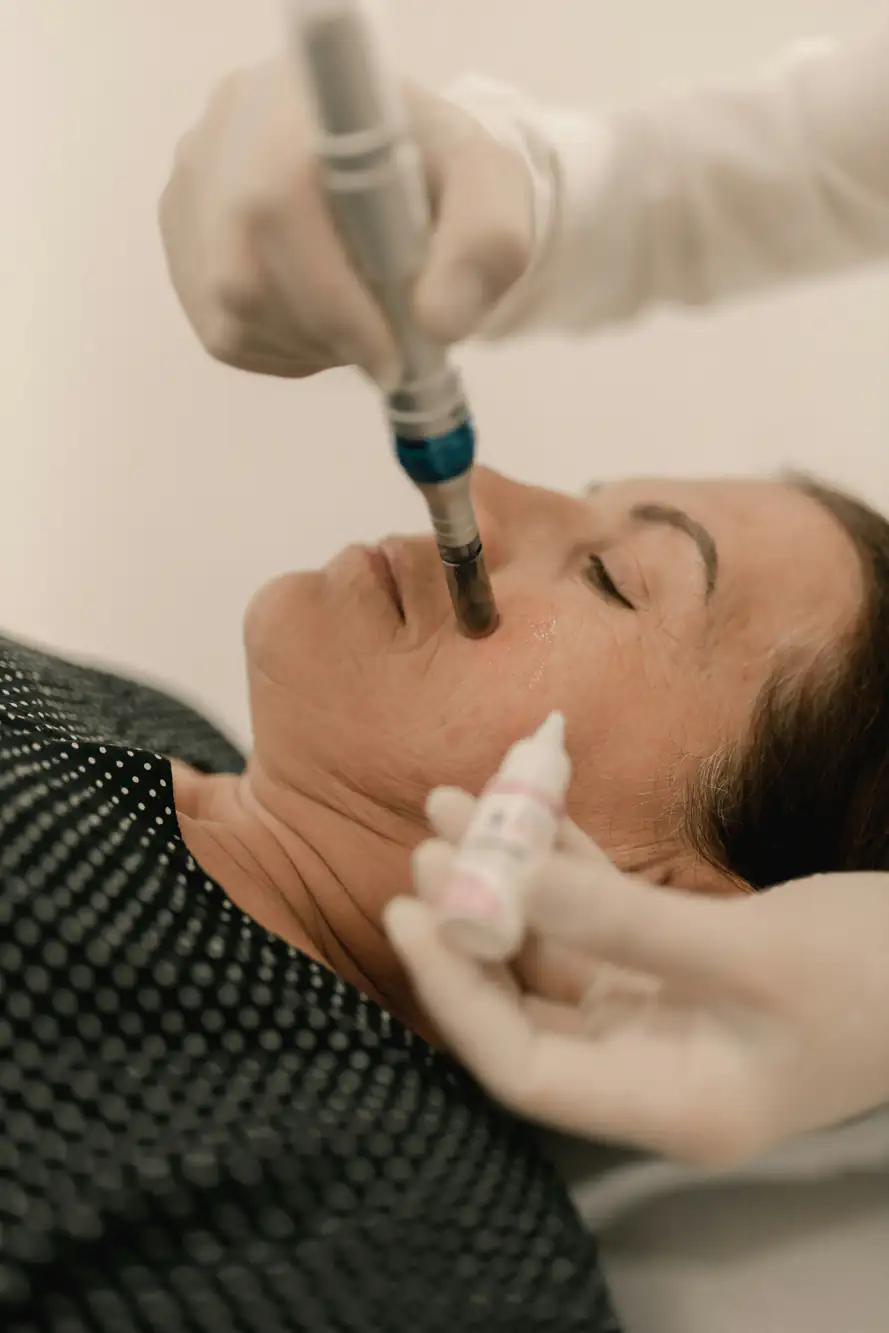
Your skin starts producing more collagen within days. That means acne scars begin to fill in, fine lines soften, and your overall texture evens out over the next few weeks.
You’re not covering up damage or masking problems. You’re triggering your skin to rebuild itself from the inside out.
Most people see noticeable improvement after one session. But if you’re dealing with deeper scarring or significant sun damage, a series of three treatments spaced four weeks apart gives you the kind of transformation that lasts.
The redness fades within hours for most people. You might look like you got a little sun, but you’re not walking around with your face wrapped up or hiding indoors for a week.
This is skin rejuvenation that fits into real life. You can book a session during lunch and be back at work the same afternoon. No one has to know you did anything unless you want to tell them.
Wake Skincare was founded by Jacqueline Grace, a licensed esthetician who’s earned first and second place finishes in international aesthetics competitions. She’s also one of the first hundred practitioners worldwide to achieve HydraFacial Master Certification.
Those aren’t just marketing credentials. They matter when someone’s working on your face with medical-grade equipment.
Raleigh’s climate does a number on skin. Humidity in summer, dry cold in winter, and sun exposure year-round all contribute to texture issues, hyperpigmentation, and premature aging. We understand how to treat skin in this environment, not just follow a generic protocol.
Every consultation here is free and one-on-one. You’re not getting a sales pitch or a cookie-cutter plan. You’re getting an assessment based on what your skin actually needs right now.
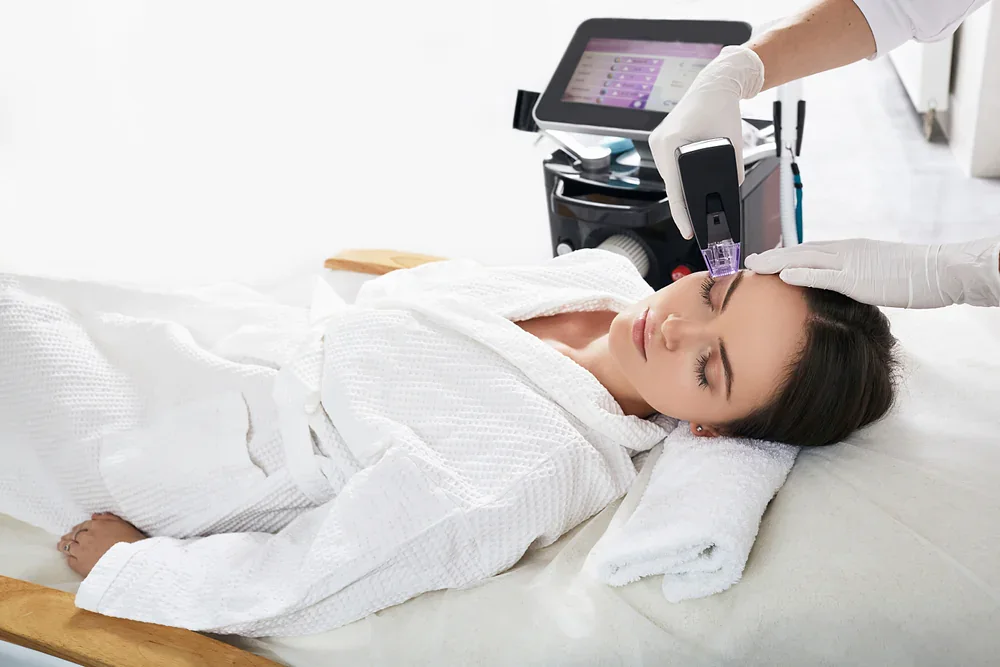
You’ll start with a consultation to talk through what you’re trying to fix. Acne scars, fine lines, texture, sun damage—whatever’s bothering you gets addressed up front so we can customize the treatment.
Before the microneedling starts, a topical numbing agent goes on. You’re not sitting there gritting your teeth. Most people describe the sensation as light pressure or tingling, nothing sharp or painful.
The SkinPen device creates thousands of tiny micro-channels in your skin. That sounds intense, but it’s controlled and precise. Those channels trigger your body’s natural healing response, which ramps up collagen and elastin production over the next several weeks.
Right after treatment, your skin will be red—similar to a mild sunburn. That usually calms down within a few hours. Some people have slight swelling that goes away by the next day.
You’ll get specific aftercare instructions. Keep your skin clean, avoid heavy makeup for 24 hours, and stay out of direct sun while you heal. It’s straightforward.
Results start showing up around the two-week mark, but the real transformation happens between six and twelve weeks as collagen remodeling continues. If you’re doing a series, you’ll space treatments about a month apart.

Ready to get started?
Microneedling works for atrophic acne scars—the indented kind that don’t fade with topical products. It’s also effective for fine lines, wrinkles, enlarged pores, and overall skin texture improvement.
If you’ve dealt with hyperpigmentation or uneven tone, this treatment is safer than many alternatives, especially for darker skin types. Traditional laser treatments carry a higher risk of causing more pigmentation issues. Microneedling doesn’t.
The micro-channels also increase absorption of topical treatments. That means serums and growth factors penetrate deeper and work better. You’re not just treating the surface—you’re enhancing how your skin responds to everything you put on it.
People in the Raleigh area deal with a lot of sun damage, even if they’re diligent about sunscreen. The combination of UV exposure and humidity accelerates aging and creates texture problems that show up as rough patches or dullness. Microneedling addresses that by stimulating fresh collagen production and improving circulation.
This isn’t a one-size-fits-all treatment. Your session gets tailored based on your skin type, the depth of scarring or damage, and how your skin has responded to other treatments in the past. Some people need more aggressive depth, others need a lighter touch. We determine that during your consultation.

Pricing varies depending on whether you’re doing a single session or committing to a series. Most clinics in the Raleigh area charge between $200 and $500 per treatment.
At Wake Skincare, you’re paying for medical-grade equipment, a licensed esthetician with international recognition, and a treatment plan that’s actually customized. That’s different from walking into a med spa where the person doing your treatment last week was doing something completely different.
If you’re comparing this to at-home derma rollers, understand that those don’t penetrate deep enough to trigger real collagen remodeling. They might help with product absorption, but they won’t treat acne scars or significantly improve texture. Professional microneedling uses devices that reach the dermis, where actual healing and rebuilding happen.
The investment makes sense if you’re tired of throwing money at products that don’t work or if you’re trying to avoid more invasive procedures like laser resurfacing or surgery. Three sessions will run you less than many laser treatments, with less downtime and lower risk of complications.
You’ll feel something, but it’s not painful. The numbing cream takes care of most of the discomfort. During the treatment, it feels like light scratching or vibration. Some areas are more sensitive than others—around the nose and forehead tend to be more noticeable—but nothing that makes people want to stop.
If you have a low pain tolerance, let us know during the consultation. We use PRO-NOX, a pain management system that gives you more control over comfort levels during treatment.
Recovery is minimal. Your face will be red for a few hours, sometimes into the next day. It looks like you spent too much time in the sun. Some people get slight swelling, especially if the treatment was more aggressive, but that’s usually gone within 24 hours.
You can wear makeup the next day. You’ll want to avoid heavy foundation or anything with harsh ingredients for the first 24 hours, but tinted moisturizer or mineral makeup is fine. Most people go back to work the same day or the next morning without anyone noticing they had anything done.
Avoid intense workouts, saunas, or anything that makes you sweat heavily for the first day or two. Your skin is healing, and you don’t want to introduce bacteria or irritation while those micro-channels are still open.
One session will give you visible improvement, especially if you’re dealing with mild texture issues or early signs of aging. Your skin will look brighter and feel smoother within a couple of weeks.
If you’re treating acne scars, deeper wrinkles, or significant sun damage, plan on three treatments spaced about four weeks apart. That gives your skin time to produce new collagen between sessions and build on the results from the previous treatment.
Some people come back every six to twelve months for maintenance once they’ve completed their initial series. That keeps collagen production active and preserves the improvements you’ve already made.
The timeline matters because collagen remodeling takes time. You’re not going to wake up the next day with perfect skin. The real changes happen over six to twelve weeks as your body rebuilds tissue and improves circulation in the treated areas.
During your consultation, you’ll get a realistic assessment of how many sessions make sense for what you’re trying to fix. If someone’s telling you that you need six or eight treatments right off the bat, that’s a red flag. Most people see significant results within three.
Yes. Microneedling is one of the safest skin rejuvenation treatments for darker skin tones because it doesn’t rely on heat or light to work. Lasers and some chemical peels carry a higher risk of causing hyperpigmentation in people with more melanin. Microneedling doesn’t have that issue.
The treatment works by creating controlled micro-injuries that stimulate healing. Your skin tone doesn’t affect how well that process works. What matters is the depth of penetration and the specific concerns being treated.
If you have active acne, open wounds, or certain skin conditions like eczema or rosacea, you’ll need to address those first. Microneedling isn’t recommended when your skin is actively inflamed or infected.
People on certain medications—like blood thinners or isotretinoin—may need to wait or adjust their treatment plan. That’s why the consultation matters. You’re not filling out a form and getting rushed into a treatment room. You’re having a real conversation about your medical history and what’s safe for your specific situation.
North Carolina has specific licensing requirements for microneedling. Only licensed professionals can use medical-grade devices that penetrate deep enough to deliver real results. If someone’s offering this treatment without proper credentials, walk away.
Standard microneedling uses fine needles to create micro-channels in your skin, which triggers collagen production and improves texture. RF microneedling adds radiofrequency energy to the process, delivering heat deeper into the skin for more aggressive tightening and lifting.
If you’re dealing with acne scars, fine lines, or texture issues, standard microneedling is usually enough. It’s effective, has minimal downtime, and costs less than RF treatments.
RF microneedling makes sense if you’re seeing more significant sagging or laxity—like jowls, deeper nasolabial folds, or loose skin on the neck. The added heat stimulates collagen at a deeper level and provides some skin tightening that regular microneedling doesn’t achieve.
The recovery is slightly longer with RF because you’re introducing heat. Expect more redness and possibly some swelling for a day or two. It’s still not major downtime, but it’s more noticeable than standard microneedling.
During your consultation, we’ll talk through which option makes sense based on what you’re trying to fix and how much downtime you’re willing to deal with. Some people start with standard microneedling and move to RF later if they want more aggressive results. Others go straight to RF if they know they need more than surface-level improvement.
Yes, but timing matters. If you’re getting Botox or fillers, you’ll want to space those at least two weeks away from your microneedling session. Doing them too close together can interfere with how the products settle or increase your risk of bruising and swelling.
Some people do microneedling first to improve texture and tone, then add Botox or fillers a few weeks later to address volume loss or dynamic wrinkles. Others do it the opposite way. There’s no single right answer—it depends on your goals and timeline.
Microneedling also pairs well with treatments like HydraFacial or chemical peels, but again, timing is key. We’ll map out a treatment plan that maximizes results without overloading your skin or causing unnecessary irritation.
If you’re working toward a specific event—a wedding, reunion, or vacation—you’ll want to plan your treatments so you’re not dealing with redness or swelling when it matters. That usually means finishing your microneedling series at least a month before the event, so your skin has time to fully heal and show the results.
Wake Skincare specializes in creating personalized treatment plans that combine multiple modalities based on what your skin needs. You’re not locked into one approach or pressured to buy a package that doesn’t make sense. You get a plan that works for your skin, your schedule, and your budget.