Hear from Our Customers
Acne scars don’t fade because you wish them away. Neither do fine lines, sun damage, or the dullness that settles in after years of North Carolina heat and humidity wearing down your skin.
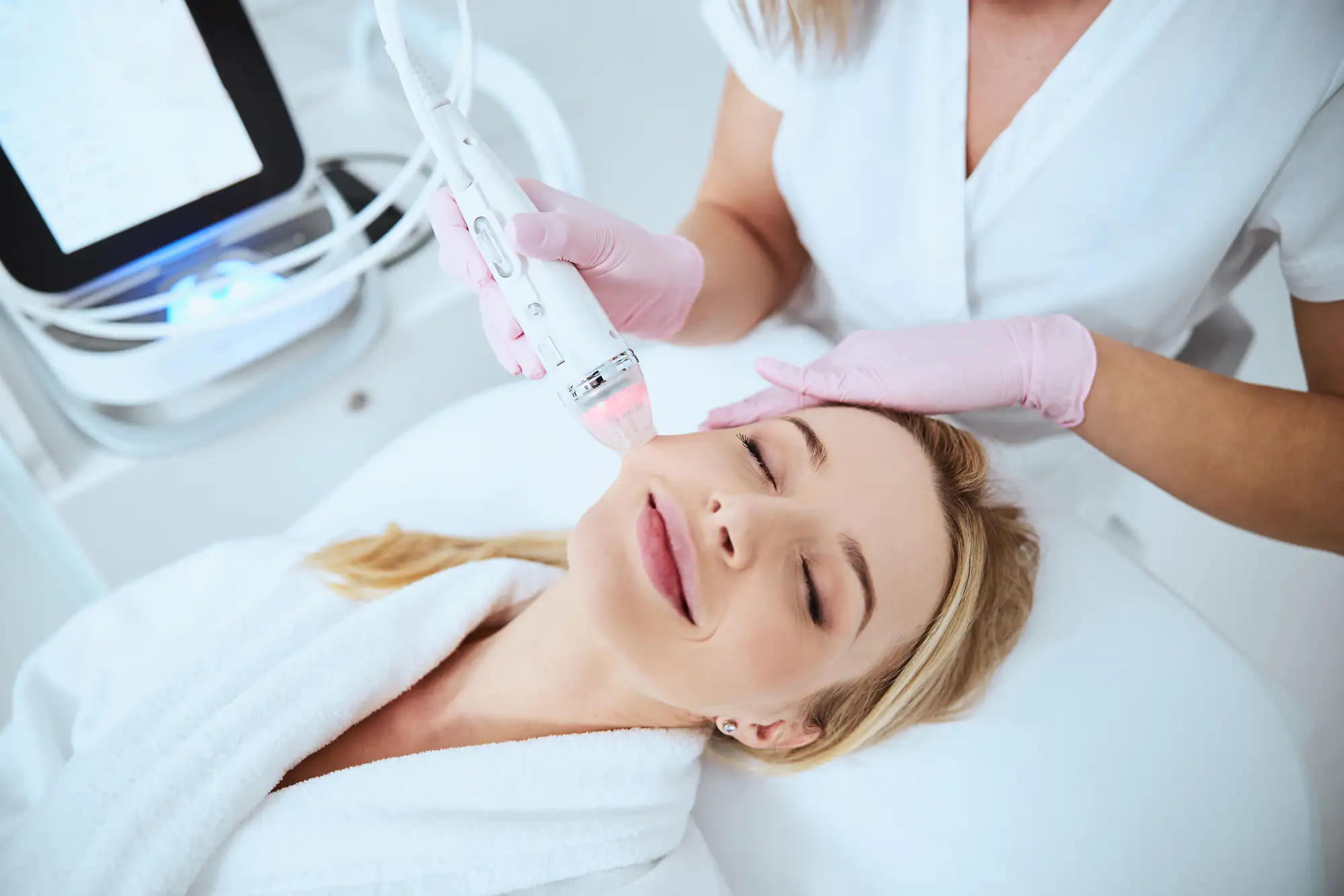
Microneedling works because it triggers your body to do what it’s already designed to do—produce collagen and elastin. The controlled micro-injuries from the SkinPen device create a healing response that rebuilds skin structure from the inside. You’re not covering up damage. You’re reversing it.
Most people see visible improvement in texture and tone after the first session. But the real transformation happens over three to five treatments spaced a few weeks apart, when collagen production peaks and your skin starts looking like it did before scarring, sun exposure, or aging took over. The results hold for up to a year because you’ve actually changed the skin, not just treated the surface.
There’s no significant downtime. You might be a little red for a day or two, but you’re not sidelined from work or life. That’s why people book microneedling around weddings, reunions, or just because they’re tired of looking in the mirror and seeing reminders of breakouts that happened years ago.
We’re based in Wake Forest and serve Red Oak, NC and the surrounding Wake County area with medical-grade skincare that’s backed by real credentials. Jacqueline Grace, our licensed esthetician and founder, has been named Best Esthetician in Wake County three consecutive years and holds HydraFacial Master Certification—one of the first hundred practitioners worldwide to reach that level.
She’s also placed internationally at The Skin Games, taking first in Pigmentation Artist of the Year and second in Lash and Brow Artist categories. That’s not local hype. That’s measured skill.
Every microneedling treatment starts with a free skin evaluation. You’re not walking into a one-size-fits-all protocol. The approach adjusts based on what your skin actually needs, whether that’s targeting deep acne scars, smoothing fine lines, or addressing hyperpigmentation that’s been sitting on your face longer than you’d like to admit. Red Oak residents deal with the same climate challenges as the rest of Wake County—high humidity, intense summer sun, and seasonal shifts that accelerate aging. Our treatments account for that.
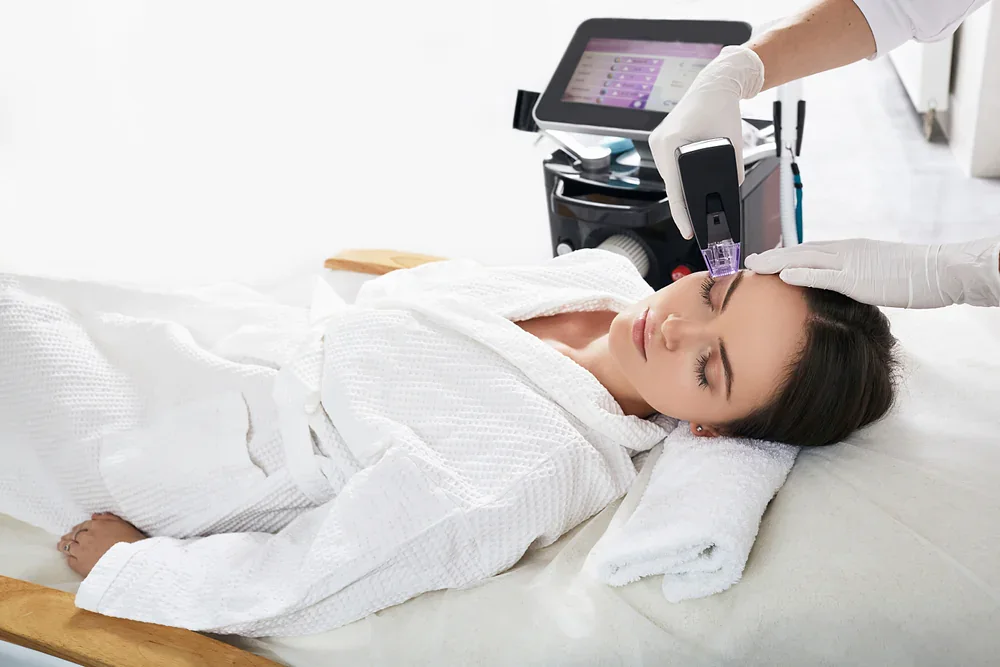
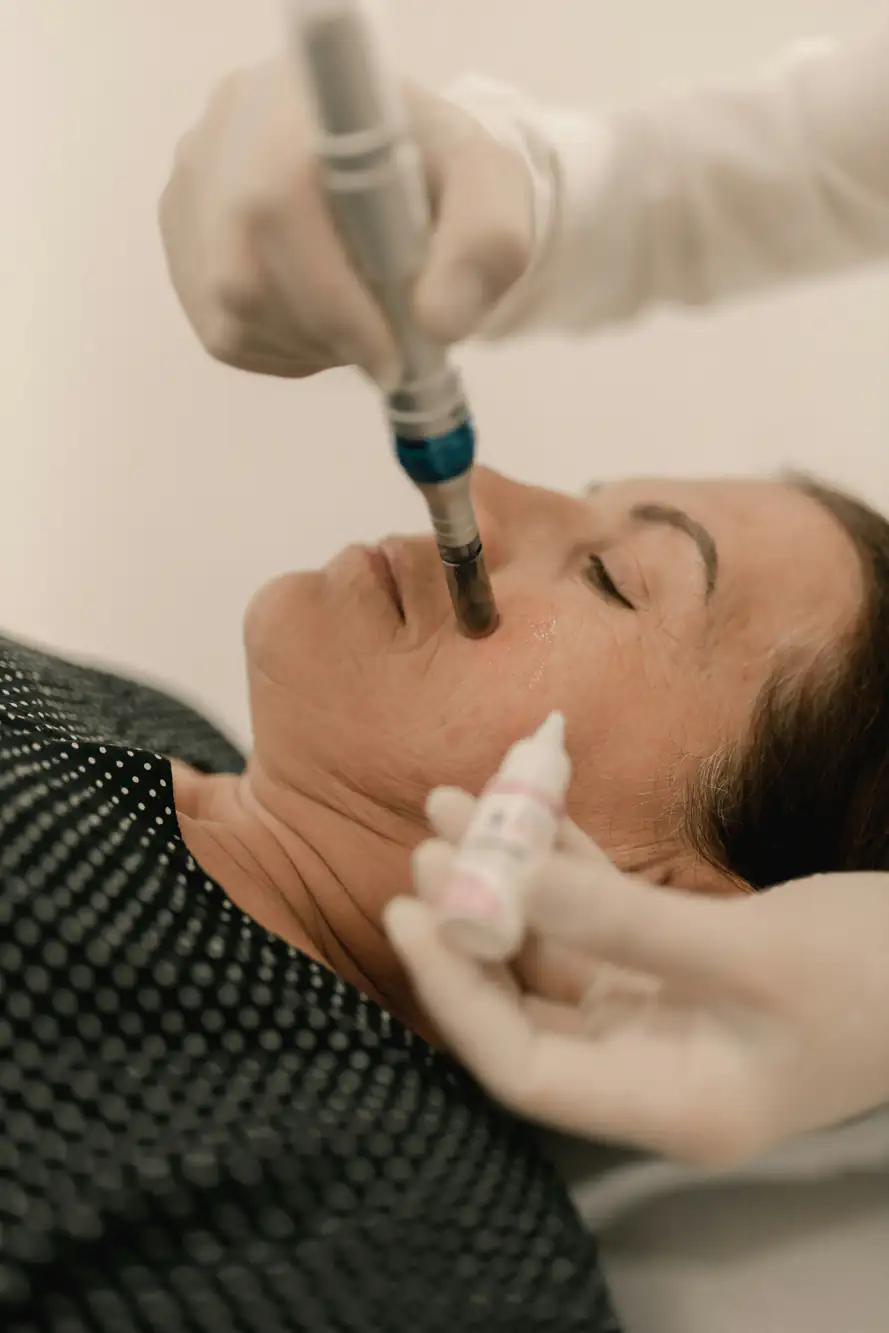
Microneedling uses an FDA-approved SkinPen device with fine needles that create controlled micro-channels in your skin. These aren’t random punctures. The depth is calibrated based on what you’re treating—shallow for fine lines and texture, deeper for acne scars or stretch marks.
Your skin reads those micro-injuries as damage and responds by producing new collagen and elastin. That’s the same healing process your body uses for cuts or scrapes, but in this case, it’s targeted and controlled to rebuild skin structure exactly where you need it. The treatment also makes your skin up to 20 times more receptive to serums and moisturizers, so anything applied right after penetrates deeper and works harder.
The session itself takes about 30 to 45 minutes depending on the area being treated. There’s no anesthesia for most people, though a numbing cream can be applied if you’re sensitive. You’ll feel some pressure and a scratching sensation, but it’s not the kind of pain that makes you want to stop.
Afterward, your skin will be red—similar to a moderate sunburn. That fades within a day or two for most people. You’ll avoid direct sun, heavy workouts, and harsh skincare products for a few days while your skin does its job. Then you’re back to normal, except your skin is actively rebuilding underneath.

Ready to get started?
Each microneedling appointment at Wake Skincare includes a skin assessment before the device touches your face. That’s where treatment depth, serum selection, and session goals get determined based on your skin type and what you’re trying to fix.
The treatment itself uses medical-grade SkinPen technology, which goes deeper than anything you’d use at home and does it evenly across the treatment area. You’re not rolling a derma roller and hoping for the best. This is controlled, consistent, and supervised by someone who’s done this thousands of times.
After the session, you’ll get specific aftercare instructions. Your skin will be more sensitive to sun exposure, so SPF isn’t optional—it’s required. You’ll also avoid retinoids, exfoliants, and anything that could irritate healing skin for about a week. The goal is to let your skin rebuild without interference.
For Red Oak clients dealing with acne scarring, this is one of the most effective non-laser options available. Clinical studies show 100% of participants saw improvement in acne scar appearance, and microneedling outperformed chemical peels with fewer side effects. It’s also safe for darker skin tones, which makes it a better option than some laser treatments that carry higher risk of hyperpigmentation. If you’ve been dealing with scars that won’t fade or texture issues that make your skin look older than you feel, this is the treatment that actually addresses the root cause instead of just smoothing things over temporarily.

Most people need three to five sessions spaced four weeks apart to see significant improvement in acne scars, wrinkles, or hyperpigmentation. You’ll likely notice some texture improvement after the first treatment, but real transformation happens when collagen production builds over multiple sessions.
The exact number depends on what you’re treating. Shallow fine lines and overall skin texture might respond well to three sessions. Deeper acne scars or more advanced sun damage usually need four or five to get the kind of results that make you stop thinking about your skin every time you look in the mirror.
Each session builds on the last. Your skin doesn’t just reset between treatments—it’s actively producing new collagen for weeks after each appointment. That’s why spacing matters. You’re giving your body time to do the work before stimulating another round of healing. Rushing it doesn’t speed up results. It just wastes your time and money.
The treatment feels like scratching or light pressure. It’s not comfortable, but it’s not the kind of pain that stops you from finishing the session. If you’re particularly sensitive, a numbing cream can be applied beforehand to take the edge off.
Right after, your skin will be red and might feel tight or warm—similar to a sunburn. That usually fades within 24 to 48 hours for most people. Some see redness linger a bit longer depending on skin sensitivity and treatment depth, but you’re not looking at a week of hiding indoors.
There’s no significant downtime in terms of disrupting your normal routine. You can go back to work the next day. You just need to avoid direct sun exposure, skip the gym for a few days, and hold off on any harsh skincare products while your skin heals. Most people schedule treatments on a Thursday or Friday so any redness is gone by Monday, but that’s more about preference than necessity.
Yes. Microneedling is considered safe for darker skin tones because it doesn’t damage or remove the outer layer of skin like some laser treatments do. That makes it a lower-risk option for people who are prone to hyperpigmentation or have concerns about post-inflammatory darkening.
The treatment works by creating controlled micro-injuries that stimulate collagen production without relying on heat or light-based technology. That’s important because heat-based treatments can sometimes trigger melanin production in darker skin, leading to uneven tone or new dark spots. Microneedling avoids that risk entirely.
We have specific experience treating skin of color, acne, and hyperpigmentation. The approach adjusts based on your skin type, tone, and what you’re trying to address. You’re not getting a generic protocol. You’re getting a treatment plan that accounts for how your skin actually responds to trauma and healing, which matters more than most people realize when they’re comparing options.
Professional devices like the SkinPen we use can penetrate up to 2 to 3 millimeters deep, reaching both the epidermis and dermis where real collagen production happens. At-home rollers and pens max out around 0.25 to 0.5 millimeters, which might help with product absorption but won’t trigger the kind of deep healing response that changes skin structure.
Depth matters because collagen and elastin live in the dermis. If you’re only treating the surface, you’re not addressing acne scars, deep wrinkles, or significant sun damage. You’re just irritating your skin and hoping something happens. Professional treatments are also done with electric-powered devices that insert needles evenly and consistently, which reduces trauma and improves results compared to manual rolling.
There’s also the supervision factor. A licensed esthetician knows how deep to go based on what you’re treating, where on your face or body the treatment is happening, and how your skin type responds. At-home devices don’t come with that judgment call, and using them incorrectly can cause scarring, infection, or make existing issues worse. If you’re serious about results, the professional route isn’t just safer—it’s the only one that actually works for the problems most people are trying to solve.
Yes, and it’s one of the most effective treatments available for atrophic acne scars—the indented kind that don’t fade on their own. Microneedling stimulates collagen production in the scarred tissue, which gradually fills in the depression and smooths out skin texture over multiple sessions.
Clinical studies show microneedling performs on par with fractional laser resurfacing for acne scar improvement, but with fewer side effects and lower risk of hyperpigmentation. In one study, 100% of participants showed visible improvement in scar appearance. That’s not marketing language. That’s measured outcome data.
The treatment works because it addresses the structural problem underneath the scar, not just the surface appearance. Topical creams and serums can’t do that. Chemical peels can’t do that. Even some laser treatments struggle with deeper scars. Microneedling forces your skin to rebuild the damaged area from the inside out, which is why results last and why people who’ve tried everything else finally see improvement here. If you’ve been living with acne scars for years and nothing’s worked, this is worth the consultation.
Collagen levels stay elevated for up to a year after treatment, which means the improvements you see aren’t temporary. You’re not just plumping skin with filler or resurfacing with a peel that wears off in a few months. You’ve actually changed the skin’s structure, and that holds.
That said, your skin keeps aging. Sun exposure, hormonal changes, and the natural breakdown of collagen over time will eventually bring you back to baseline if you don’t maintain results. Most people come back for a maintenance session once or twice a year after their initial series to keep collagen production active and preserve the improvements they’ve made.
The longevity also depends on how well you protect your skin after treatment. If you’re diligent about SPF, avoid smoking, and stick to a solid skincare routine, results last longer. If you’re back in the sun without protection or using harsh products that break down collagen, you’ll see faster regression. The treatment does the heavy lifting, but how you treat your skin afterward determines how long you get to enjoy it.