Hear from Our Customers
You’re not looking for another cream or serum that promises the world and delivers nothing. You want visible improvement in how your skin looks and feels—smaller pores, smoother texture, less obvious scarring from old breakouts.
Microneedling works by creating controlled micro-injuries that force your skin to rebuild itself with fresh collagen. That means the changes happen from the inside out, not just on the surface. You’ll notice tightness and glow right after your session, but the real transformation builds over the following weeks as your skin produces new tissue.
Most people in Rolesville dealing with acne scars or sun damage see the biggest improvements after a series of treatments spaced about four weeks apart. Your skin doesn’t just look better temporarily—it actually becomes firmer, clearer, and more even over time because you’re rebuilding the foundation, not masking the problem.
We’re located in Wake Forest and serve Rolesville, Youngsville, Knightdale, and surrounding Wake County communities. Our founder and licensed esthetician, Jacqueline Grace, has been named Best Esthetician in Wake County three years running and holds first place internationally in the Pigmentation Artist of the Year category at The Skin Games.
She’s also HydraFacial Master Certified, which puts her among the top practitioners worldwide. That’s not marketing language—it’s verifiable recognition based on skill and results. Every microneedling treatment here uses the FDA-approved SkinPen device, which is the only microneedling tool with that clearance.
You’re not walking into a place that just added microneedling to the menu last month. You’re working with someone who’s built a reputation on getting people’s skin to actually improve, and who knows how to adjust treatment depth and technique based on what your skin needs.
You’ll start with a free consultation where Jacqueline evaluates your skin and talks through what you’re dealing with—acne scars, large pores, fine lines, uneven texture, whatever it is. She’ll explain whether microneedling is the right move or if something else makes more sense for your goals.
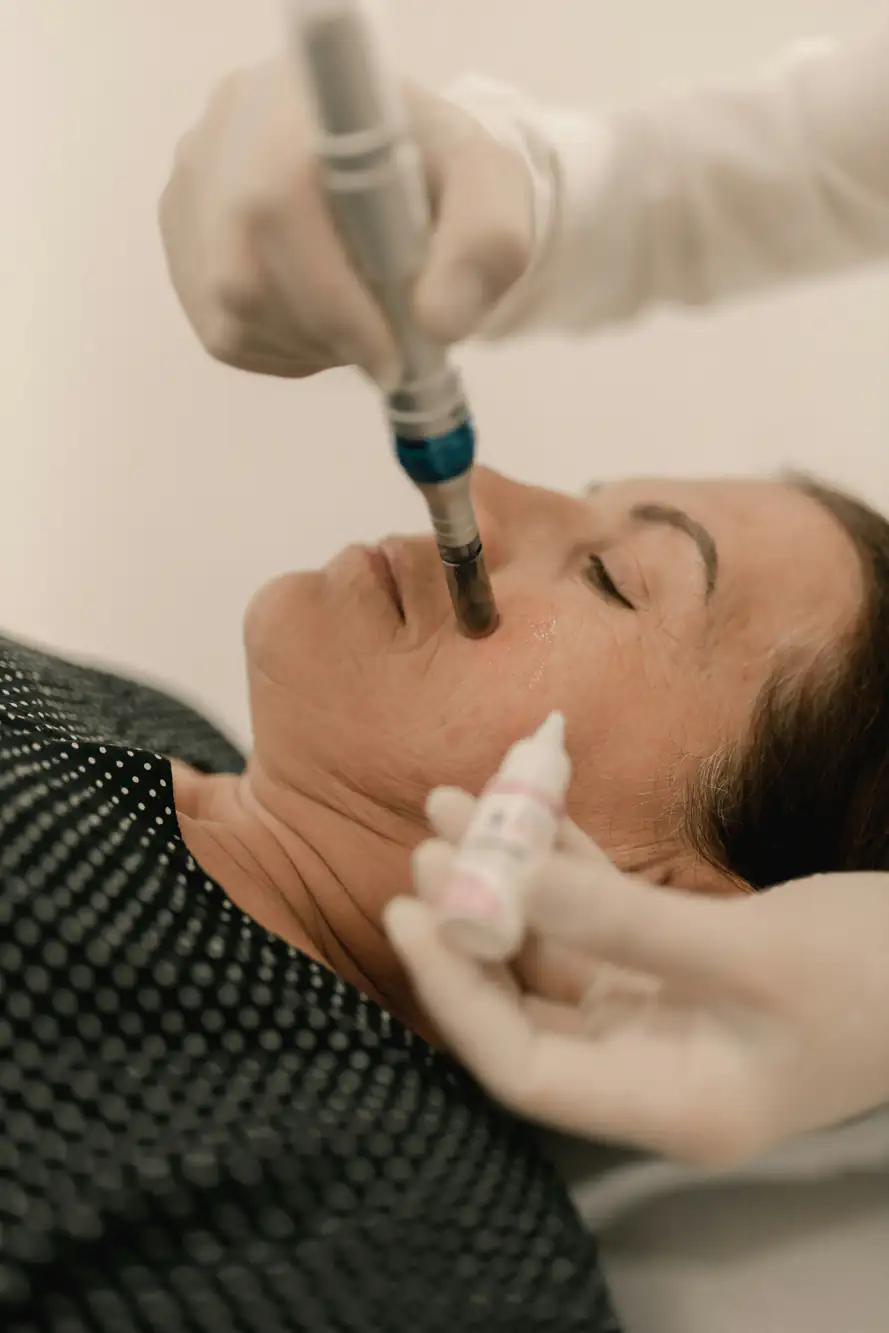
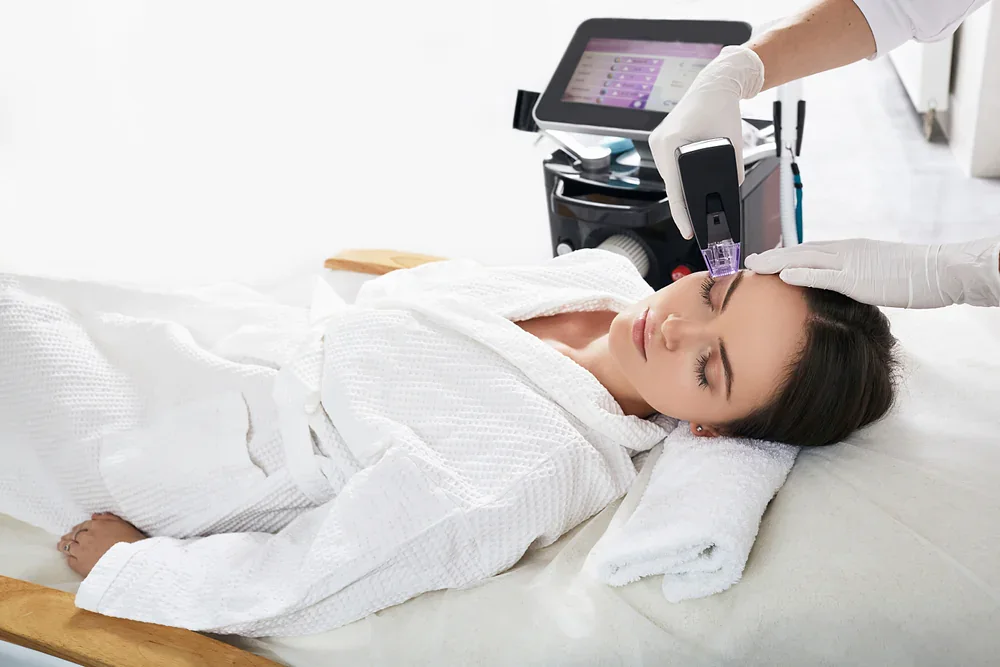
If you move forward, your actual treatment starts with numbing cream so you’re comfortable throughout the process. The SkinPen device uses sterile, single-use needle cartridges that create thousands of tiny channels in your skin at a controlled depth. This triggers your body’s natural healing response, which floods the area with growth factors and starts building new collagen and elastin.
The session itself takes about 30 to 45 minutes depending on the area being treated. Your skin will be red afterward—similar to a sunburn—but that usually fades within a few hours. Most people notice their skin feeling tight and looking glowy that same evening. Over the next four to six weeks, you’ll see continued improvement as the collagen remodeling process does its work. For deeper concerns like significant scarring, a series of three to six treatments spaced a month apart typically delivers the best results.

Ready to get started?
Every microneedling session at Wake Skincare includes a personalized skin evaluation, numbing for comfort, the treatment itself using FDA-approved SkinPen technology, and post-care guidance so you know exactly how to support your skin’s healing process. You’re not rushed in and out—this is a one-on-one appointment where the focus is entirely on your skin.
Rolesville residents often deal with sun damage from spending time outdoors, especially during North Carolina’s long summers. Microneedling addresses that kind of UV-related texture and pigmentation effectively because it’s working at the dermal level where the damage actually sits. It’s also one of the few treatments safe for all skin types and tones, which matters in a diverse community like Wake County.
The cost typically ranges from $200 to $800 per session depending on the treatment area and your specific plan. That’s significantly less than laser resurfacing or surgical options, and you’re getting medical-grade results without the recovery time that keeps you out of work or social situations. You’ll leave with clear instructions on what to avoid (like direct sun and harsh products) and what to use (like gentle cleansers and SPF) while your skin heals and rebuilds.

At-home rollers don’t penetrate deep enough to trigger real collagen production, and they’re not sterile in the way medical-grade devices are. The SkinPen we use is FDA-approved and reaches controlled depths that actually stimulate your skin’s healing response at the dermal layer—that’s where lasting change happens.
Home devices also can’t be customized to your skin’s needs. Jacqueline adjusts needle depth based on what area she’s treating and what your specific concerns are. Thinner skin around the eyes needs a different approach than thicker skin with deep acne scars. You can’t get that level of precision or safety from something you’re using in your bathroom.
The other issue is infection risk. Professional treatments use single-use, sterile needle cartridges and follow strict sanitation protocols. At-home tools get contaminated quickly and can actually make skin problems worse if you’re not careful. If you’re going to invest time and money into improving your skin, it makes sense to do it in a way that’s actually going to work.
Your skin will be red for a few hours after treatment—think mild sunburn. Most people in Rolesville schedule their appointments in the late afternoon or early evening so any redness fades overnight. By the next morning, you’re usually just dealing with some tightness and maybe a bit of dryness.
There’s no peeling or flaking like you’d get with a chemical peel, and you’re not stuck at home for days. You can go back to work the next day. You just need to avoid heavy workouts, saunas, and direct sun exposure for about 48 hours while your skin is in active healing mode.
The key is following the aftercare instructions—gentle cleanser, a good moisturizer, and SPF during the day. Your skin is more vulnerable right after treatment, so you don’t want to irritate it with harsh products or UV exposure. But in terms of actual social downtime where you can’t be seen in public, there really isn’t any. That’s one of the reasons microneedling works well for people with busy schedules who can’t afford a week of recovery.
It depends on what you’re treating. If you’re dealing with mild texture issues or early signs of aging, you might see enough improvement after one or two sessions. For deeper acne scars, significant sun damage, or more advanced aging concerns, most people need a series of three to six treatments spaced about four weeks apart.
Your skin needs time between sessions to complete the collagen remodeling process. Rushing treatments too close together doesn’t speed up results—it just irritates your skin. The four-week spacing gives your body time to build new tissue and for you to see how your skin is responding before the next session.
Jacqueline will give you a realistic treatment plan during your consultation based on what your skin actually needs, not based on upselling you on as many sessions as possible. Some people maintain their results with one treatment every six to twelve months after their initial series. Others are happy with the improvement they get and don’t feel the need to come back. It’s about what you’re trying to achieve and how your skin responds.
Yes. The SkinPen device is FDA-approved for use on all skin types, including darker skin tones that can be at higher risk for hyperpigmentation with other treatments like lasers or chemical peels. Because microneedling works by creating controlled injury without heat or chemicals, it doesn’t carry the same risk of triggering post-inflammatory pigmentation issues.
That said, technique still matters. Jacqueline adjusts treatment depth and approach based on your skin type, tone, and specific concerns. Someone with darker skin dealing with melasma needs a different protocol than someone with fair skin treating fine lines. That’s why working with someone who has actual training and experience matters—not every provider understands how to modify treatments for different skin types safely.
If you’ve had bad experiences with other treatments causing darkening or uneven tone, bring that up during your consultation. Microneedling is generally one of the safest options for diverse skin tones, but we need to know your history so we can adjust the treatment plan accordingly. The goal is improvement, not new problems.
Before your treatment, avoid retinoids, exfoliating acids, and any harsh skincare products for about three to five days. You also shouldn’t get microneedling if you have active breakouts, cold sores, or any open wounds in the treatment area. If you’re on certain medications like blood thinners or Accutane, let Jacqueline know during your consultation—those can affect whether microneedling is safe for you right now.
After your treatment, skip the gym, hot yoga, saunas, and swimming pools for 48 hours. Your skin has thousands of tiny channels that need to close and heal, and sweat or chlorinated water can cause irritation or infection. You’ll also want to avoid direct sun exposure and wear SPF 30 or higher whenever you’re outside. Your skin is more vulnerable to UV damage right after treatment, and sun exposure can interfere with healing and cause pigmentation issues.
Stick to gentle, fragrance-free products for the first few days. No retinoids, acids, or anything that could irritate your skin while it’s healing. Jacqueline will give you specific aftercare instructions based on your treatment, but the general rule is to baby your skin for about a week and then ease back into your normal routine. Following these guidelines makes a real difference in your results and how quickly your skin recovers.
Microneedling is actually one of the most effective treatments for acne scars, especially the rolling or boxcar types that create uneven texture. The controlled injury forces your skin to produce new collagen in the scarred areas, which gradually fills in the depressions and smooths out the surface. It won’t completely erase deep ice-pick scars in one session, but it can make a noticeable difference over a series of treatments.
Fine lines and wrinkles also respond well because the new collagen plumps the skin and improves elasticity. But microneedling isn’t just for anti-aging—it’s legitimately effective for scarring, large pores, uneven skin tone, and texture issues from sun damage. The key is that it’s working at the dermal layer where structural change actually happens, not just sitting on top of your skin like a cream.
If acne scars are your main concern, bring photos of your skin from different angles to your consultation. That helps Jacqueline assess the depth and type of scarring and give you a realistic idea of what kind of improvement you can expect. Some scars respond faster than others, and knowing what you’re working with upfront helps set the right expectations for your treatment plan.