Hear from Our Customers
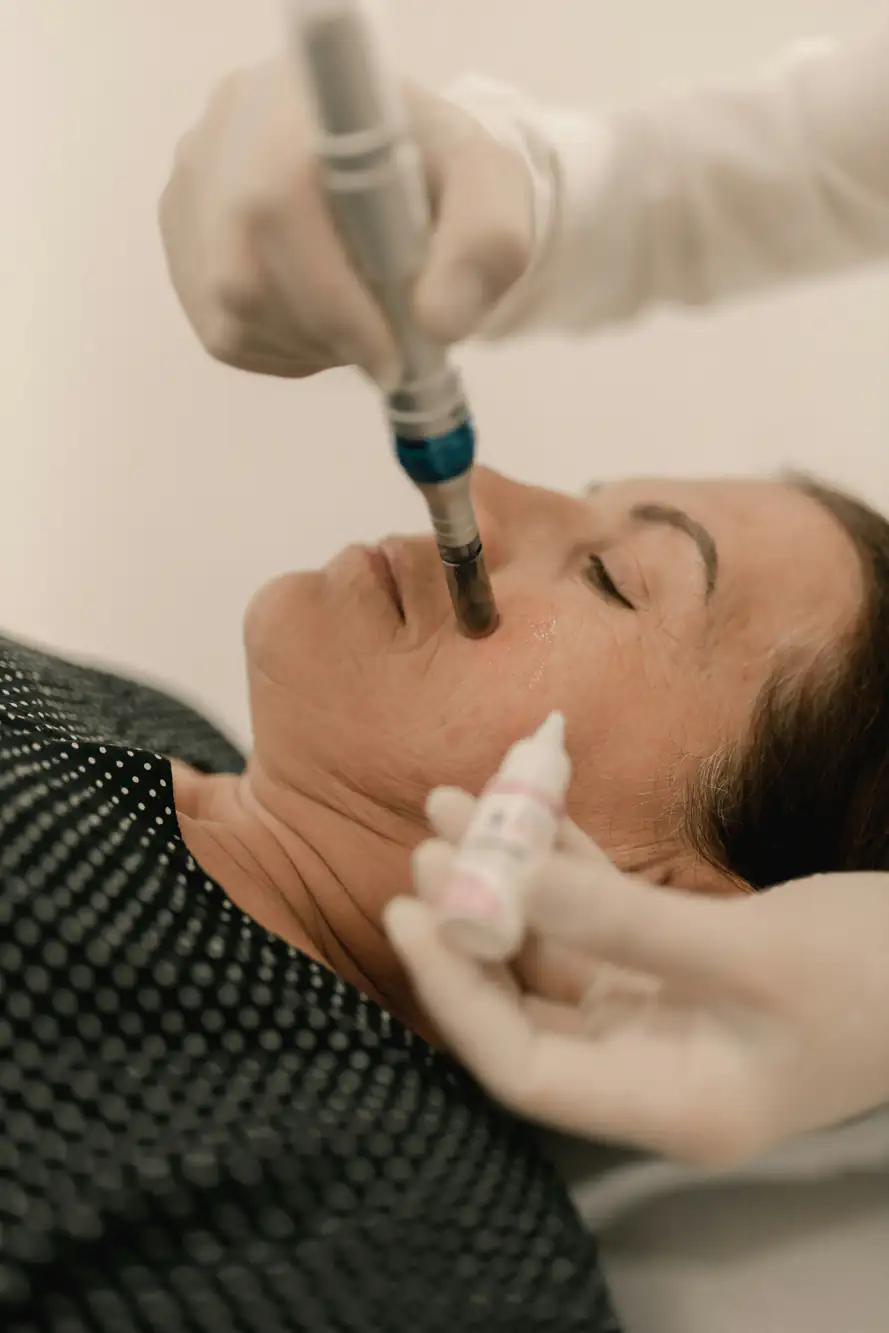
You’re not looking for another product that might work. You want visible improvement in how your skin looks and feels—fewer reminders of old breakouts, smoother texture where fine lines used to catch the light, pores that don’t dominate every close-up photo.
Microneedling creates controlled micro-injuries that trigger your skin’s natural healing response. That means your body produces more collagen and elastin over time—up to 400% more six months after your final session. This isn’t temporary plumping or surface-level correction.
The results show up gradually. Acne scars soften. Fine lines around your eyes and mouth become less pronounced. Your skin tone evens out. It’s not an overnight transformation, but it’s real change that lasts because it’s coming from within your skin’s structure, not sitting on top of it.
Most people need three to five sessions spaced four to six weeks apart to see their best results. That’s the realistic timeline for collagen induction therapy—not a quick fix, but a process that actually rebuilds what time and damage have worn down.
We’re located just minutes from Youngsville in Wake Forest, and we’ve built a reputation across Wake County for doing microneedling the right way. That means FDA-cleared SkinPen devices, not knockoffs. HydraFacial Master Certification that puts us among the top practitioners worldwide. Three consecutive years as Best Esthetician in Wake County and first place at The Skin Games for Pigmentation Artist of the Year.
Jacqueline Grace founded Wake Skincare because she saw too many people getting sold treatments they didn’t need or walking out with results that didn’t match the promises. Every microneedling session here starts with a free consultation and skin evaluation—no pressure, no upselling, just an honest assessment of what your skin needs and what this treatment can realistically do for you.
We serve clients from Youngsville, Rolesville, Wake Forest, Franklinton, and throughout the Triangle because they want someone who knows the difference between marketing hype and actual clinical results. You’re not a before-and-after photo opportunity. You’re someone who deserves straight answers and a treatment plan that makes sense for your skin and your schedule.
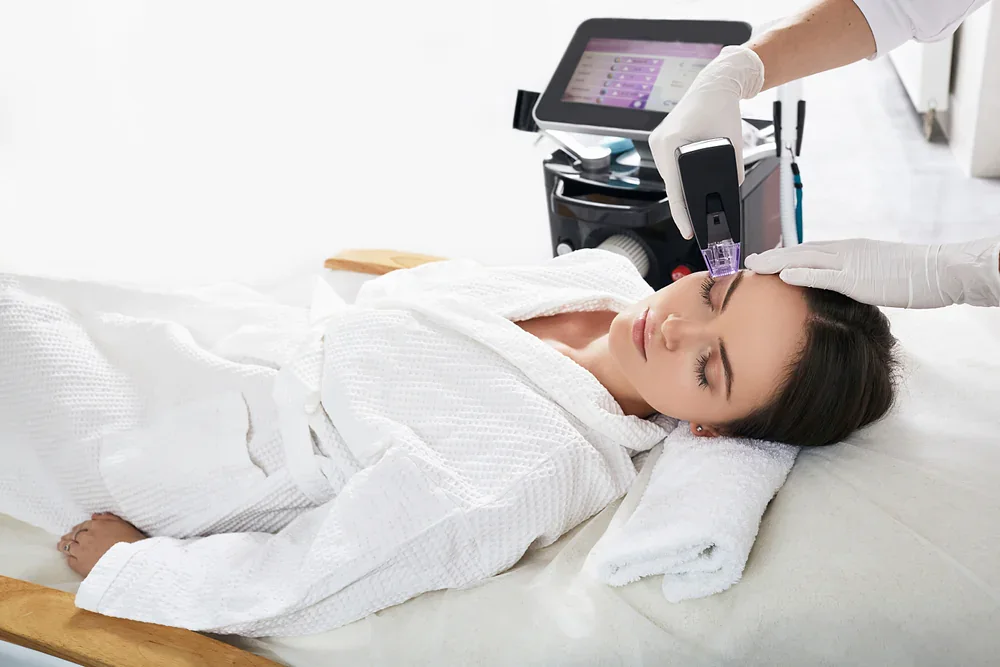
You’ll start with a free consultation where we evaluate your skin concerns, talk through your goals, and determine if microneedling is the right fit. Not everyone needs it, and we’ll tell you if something else makes more sense for what you’re dealing with.
If we move forward, your first session begins with cleansing and applying a topical numbing cream. This sits for about 20-30 minutes because while microneedling isn’t unbearable, it’s not comfortable either—most people describe it as moderately uncomfortable, like repeated small pinches across your face.
Once you’re numbed, we use the SkinPen device to create thousands of controlled micro-channels in your skin at customized depths based on what we’re treating. The actual microneedling takes 15-30 minutes depending on the treatment area. You’ll see pinpoint bleeding and redness—that’s normal and exactly what triggers your skin’s healing response.
Right after treatment, your face will be red and feel warm, sometimes hot or itchy for several hours. Most people look sunburned for a day or two. You can return to normal activities the next day, but you’ll want to avoid makeup, intense workouts, and sun exposure for at least 24-48 hours. We’ll send you home with clear aftercare instructions and products that support healing without irritation.

Ready to get started?
Every microneedling treatment at Wake Skincare includes your pre-treatment consultation, customized needle depth settings based on your specific skin concerns, medical-grade topical numbing, the SkinPen procedure itself, and post-treatment products to support healing. You’re not paying for the device time—you’re paying for the expertise that determines how deep to go, which areas need more attention, and how to adjust your treatment plan as your skin responds.
We combine microneedling with medical-grade serums that penetrate deeper through those micro-channels, maximizing your results. For clients in Youngsville and the surrounding Wake County area dealing with stubborn hyperpigmentation or melasma—common issues in North Carolina’s sun exposure—this combination approach addresses both texture and tone in ways that surface treatments simply can’t match.
You’ll also get honest guidance about what to expect between sessions. Your skin will peel slightly as it heals. You might break out as impurities work their way to the surface. These aren’t complications—they’re part of the process. But plenty of clinics don’t prepare you for that reality, and then you panic thinking something went wrong.
Pricing runs $375-$1,100 depending on treatment area, and most people see their best results after three to five sessions. That’s a real investment, but it’s one that keeps working months after your last appointment as collagen production continues rebuilding your skin’s foundation.

Microneedling isn’t pain-free, but it’s manageable with numbing cream. Most people describe the sensation as moderately uncomfortable—like repeated small pinches or the feeling of plucking a hair over and over across your treatment area. We apply topical numbing 20-30 minutes before starting, which takes the edge off significantly.
The discomfort during treatment is brief. The bigger issue for most people is how your skin feels afterward. Expect your face to be red, warm, and potentially itchy for 6-7 hours post-treatment. Some people say it feels like a sunburn or like their face is “on fire”—that’s the inflammation response doing its job.
Downtime is minimal compared to more aggressive procedures. You’ll look noticeably red for 24-48 hours, sometimes longer depending on your skin’s sensitivity and the treatment depth. Most people return to work the next day, though you’ll want to skip makeup for at least 24 hours. Plan your sessions around your schedule—if you have a big event coming up, book at least a week out to be safe.
Most people need three to five sessions spaced four to six weeks apart to see significant, lasting improvement. That’s not a sales tactic—it’s how collagen induction therapy works. One session creates the initial injury response, but real structural change in your skin requires repeated stimulation over time.
You might notice some improvement after your first treatment—smoother texture, a bit of glow—but the major changes happen cumulatively. Acne scars don’t disappear after one session. Deep wrinkles don’t smooth out overnight. Your skin needs multiple opportunities to rebuild collagen and elastin, and that process takes months, not weeks.
The research backs this up: collagen and elastin production can increase up to 400% six months after your final session. That means your skin is still improving long after you’ve finished your treatment series. If someone promises dramatic results after one microneedling session, they’re either lying or talking about temporary swelling that’ll disappear in a few days.
Yes, and this is one of microneedling’s biggest advantages over laser treatments. SkinPen microneedling is safe for all skin types, including darker skin tones that carry higher risk of hyperpigmentation or scarring from heat-based procedures like certain lasers.
Microneedling works through controlled injury, not heat or light energy. That means there’s no risk of the thermal damage that can cause post-inflammatory hyperpigmentation in melanin-rich skin. We’re creating micro-channels that trigger healing without disrupting your skin’s pigment production.
That said, technique still matters. Needle depth, pressure, and aftercare all need to be adjusted based on your specific skin type and concerns. This is why working with someone who has actual training and certification matters—Jacqueline’s HydraFacial Master Certification and award-winning track record mean she understands how to customize treatments for different skin types, not just run the same protocol on everyone who walks through the door.
Professional microneedling uses FDA-cleared devices like SkinPen that penetrate much deeper—up to 2.5mm compared to the 0.25-0.5mm you get with at-home rollers. That deeper penetration is what triggers real collagen remodeling and addresses issues like acne scars and deep wrinkles that surface-level treatments can’t touch.
At-home rollers can help with product absorption and might give you a temporary glow, but they’re not creating the controlled injury needed for actual skin remodeling. They also carry higher infection risk if you’re not sterilizing properly, and it’s easy to cause damage by applying too much pressure or rolling in the wrong pattern.
Professional treatment also means professional assessment. We adjust needle depth based on what we’re treating—shallower around delicate areas like under your eyes, deeper where you have thicker skin or more significant scarring. You can’t do that with a one-size-fits-all roller. And if something goes wrong during a professional treatment, you have someone trained to handle it. If something goes wrong at home, you’re on your own.
Microneedling is one of the most effective treatments for atrophic acne scars—the indented, pitted scars that don’t respond well to topical products. It works by breaking down old scar tissue and stimulating new collagen production that gradually fills in those depressions from underneath.
You won’t see dramatic improvement overnight. Acne scar treatment is a marathon, not a sprint. Most people start noticing their scars looking shallower and less noticeable after two to three sessions, with continued improvement over the following months as collagen production ramps up. Deep ice pick scars might need five or more sessions plus combination treatments for significant change.
The timeline matters here: you’re spacing sessions four to six weeks apart, and results continue developing for months after your last treatment. So if you’re starting a series in January, you might not see your final results until summer or fall. That requires patience, but it’s worth it for improvement that actually lasts because you’ve rebuilt your skin’s structure, not just masked the problem with filler or makeup.
At Wake Skincare, microneedling pricing ranges from $375 to $1,100 depending on the treatment area. Face-only treatments sit at the lower end, while larger areas or combination treatments cost more. Most people invest in a series of three to five sessions for optimal results, and we can discuss package pricing during your free consultation.
That’s competitive with other professional microneedling providers in Wake County, where you’ll typically see $200-$500 per session. But price shouldn’t be your only consideration—cheaper often means less experienced practitioners, older equipment, or rushed treatments that don’t deliver the results you’re paying for.
You’re investing in FDA-cleared technology, a HydraFacial Master Certified esthetician with three consecutive Best of Wake County awards, and a customized treatment plan based on your specific skin concerns. That expertise is what determines whether your money goes toward real improvement or just temporary inflammation that fades in a week. We’d rather you know the real cost upfront and make an informed decision than lure you in with low prices and upsell you once you’re in the chair.