Hear from Our Customers
Your skin starts producing more collagen within days of your first session. That’s not marketing talk—it’s how microneedling works at a cellular level.
You’ll notice a healthy glow pretty quickly, usually within the first week. The deeper improvements—smoother texture, reduced scarring, tighter pores—develop over the next few months as your skin rebuilds itself from the inside out.
This isn’t about covering up problems or hoping an at-home device does something. It’s about triggering your body’s natural repair process with controlled, professional-grade precision. The tiny channels created during treatment tell your skin to make more collagen and elastin, the proteins that keep skin firm and smooth.
Most people in Zebulon and the surrounding Wake County area come in dealing with acne scars that won’t fade, sun damage that’s aged their skin faster than they’d like, or fine lines that seem to multiply every year. Microneedling addresses all of that in one treatment because it’s working at the layer where those issues actually live.
You’re not masking anything. You’re rebuilding.
We’re not new to this. Jacqueline Grace has been named Best Esthetician in Wake County three years in a row, and she’s HydraFacial Master Certified—a designation held by less than 1% of providers worldwide.
She’s also taken first place internationally in the Pigmentation Artist of the Year category at The Skin Games. That’s not local recognition. That’s competing against the best and winning.
Zebulon is part of a fast-growing area where more people are looking for real skincare solutions, not just facials that feel nice for a day. The median age here is 38, and household income supports the kind of investment that actually changes your skin long-term. People here aren’t looking for cheap fixes—they’re looking for providers who know what they’re doing.
That’s what you get at Wake Skincare. Every consultation is free. Every treatment is customized. And every session uses medical-grade equipment like the FDA-cleared SkinPen, not the knockoff devices you’ll find at discount spots.
You start with a free consultation where your skin gets analyzed—not just looked at. That means understanding your specific concerns, your skin type, and what results you’re actually after.
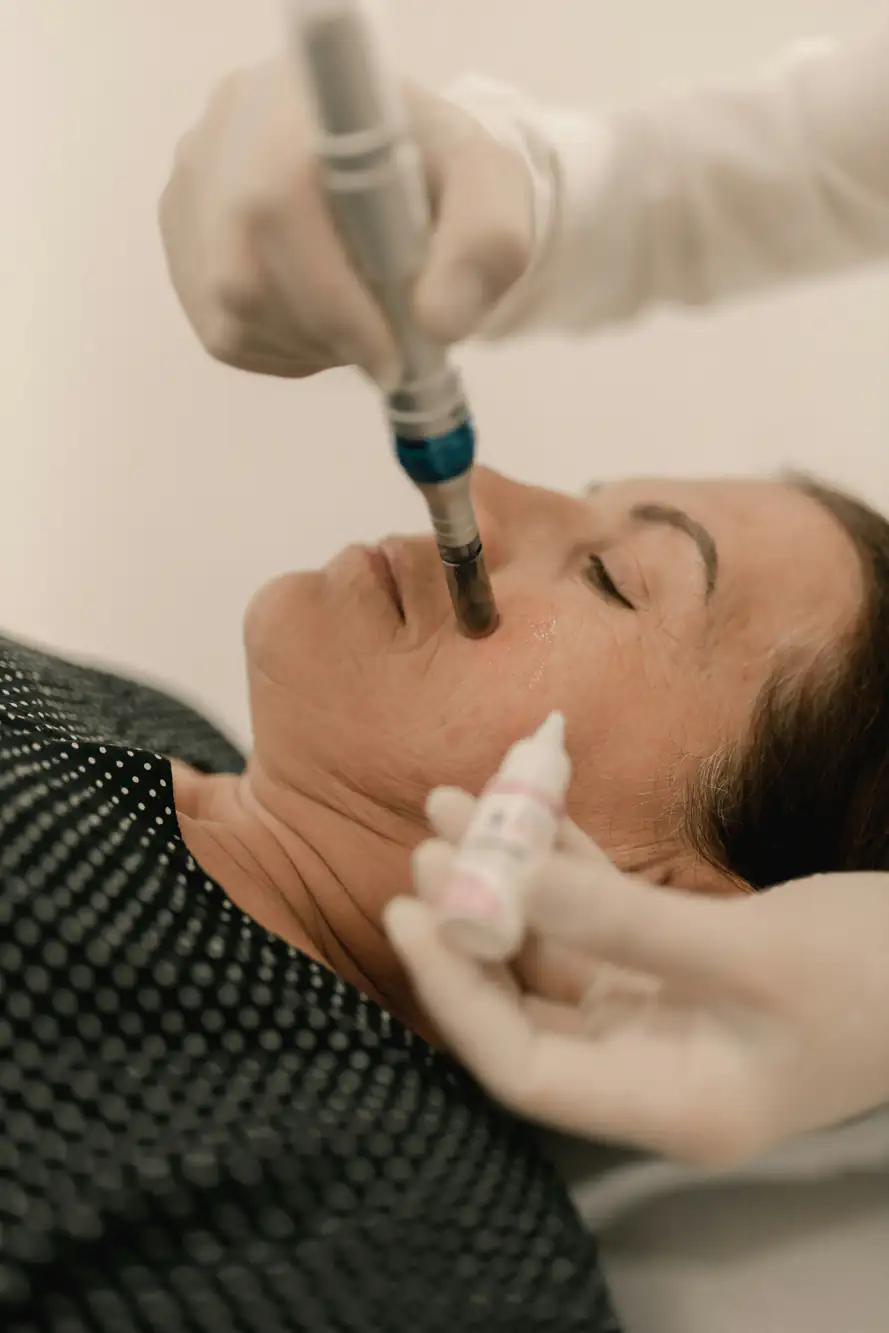
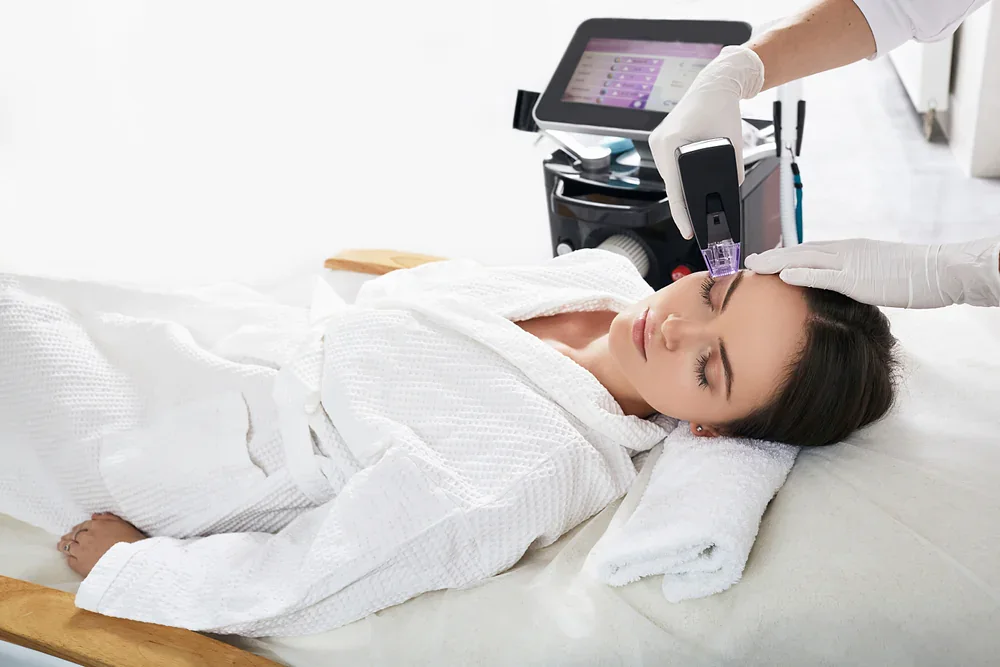
On treatment day, your skin is prepped and a topical numbing cream is applied so you’re comfortable throughout. The SkinPen device is adjusted to the precise depth your skin needs—not a one-size-fits-all setting—and it creates thousands of controlled micro-injuries across the treatment area.
Those micro-injuries are the whole point. They trigger your body’s wound-healing response, which floods the area with growth factors and starts building new collagen and elastin. The process takes about 30 to 60 minutes depending on the area being treated.
Afterward, your skin will look flushed, similar to a sunburn. That’s normal and usually fades within a day or two. You’ll get specific aftercare instructions that combine medical-grade products with natural healing methods to speed recovery and maximize results.
Most people need three to six sessions spaced about four weeks apart for full results, but you’ll start seeing improvements after the first treatment. The collagen production continues for months after your final session, which means your skin keeps improving even after you’re done.

Ready to get started?
Every microneedling session at Wake Skincare starts with a skin analysis, even if you’ve been in before. Your skin changes, and your treatment should adjust accordingly.
You’re getting SkinPen microneedling, which is FDA-cleared and considered the gold standard for collagen induction therapy. The device allows for precise depth control, which matters more than most people realize. Too shallow and you’re wasting time. Too deep without proper training and you’re risking damage.
The treatment itself is customized based on what your skin needs that day. If you’re dealing with acne scars, the approach is different than if you’re targeting fine lines or overall texture. That’s not something you get with a one-size-fits-all protocol.
Zebulon and the surrounding areas like Wake Forest, Youngsville, and Rolesville are seeing more demand for preventative skincare treatments. People in their late 20s and early 30s are starting microneedling before major issues develop, which is smart. It’s easier to maintain healthy skin than to reverse years of damage.
You also get comprehensive aftercare guidance. That includes which products to use, which to avoid, and how to support your skin’s healing process naturally. Some providers hand you a pamphlet. We give you actual answers to your specific situation.
The free consultation isn’t a sales pitch. It’s a real evaluation where you find out if microneedling is even the right move for you, or if something else makes more sense.

At-home microneedling devices use shorter needles—usually 0.25mm to 0.5mm—which only reach the surface layer of your skin. Professional microneedling with SkinPen can go up to 2.5mm deep, reaching the dermis where collagen and elastin actually live.
That depth difference isn’t just technical. It’s the difference between surface-level exfoliation and actual collagen induction therapy. At-home devices might make your skin look brighter temporarily, but they’re not triggering the repair response that leads to long-term improvement.
There’s also the safety factor. At-home devices are hard to sterilize properly, and the needles dull quickly. Using a dull or contaminated device on your face can cause infections, scarring, or make existing skin issues worse. Professional treatments use single-use, sterile needle cartridges and medical-grade equipment that’s maintained to exact standards.
The FDA classifies microneedling as a medical procedure for a reason. When done correctly at the right depth, it’s incredibly effective. When done incorrectly, it’s a waste of money at best and genuinely harmful at worst.
Most people describe the sensation as mild discomfort, not pain. A topical numbing cream is applied 30 minutes before treatment, which takes care of most of the sensitivity.
During the treatment, you might feel a scratching or vibrating sensation, especially over bonier areas like the forehead or cheekbones. It’s not pleasant, but it’s tolerable, and the numbing cream does its job.
Immediately after, your skin will be red and feel warm, like a moderate sunburn. That usually peaks within the first few hours and starts calming down by the next day. Most people look mostly normal within 48 hours, though some redness can linger for three to five days depending on how deep the treatment went.
You can wear makeup after 24 hours if needed, though it’s better to let your skin breathe for a couple days. You’ll want to avoid intense workouts, saunas, and direct sun exposure for about a week. The aftercare isn’t complicated, but you do need to follow it if you want optimal results and faster healing.
Plan for a long weekend if you’re concerned about looking red at work. Most people in Zebulon schedule their appointments on Thursday or Friday so they have the weekend to recover before heading back to the office.
You’ll see some improvement after one session—usually a glow and slightly smoother texture—but real, lasting results take multiple treatments. Most people need three to six sessions spaced four to six weeks apart.
The exact number depends on what you’re treating. Mild fine lines or dullness might only need three sessions. Deeper acne scars or significant sun damage usually require five or six, sometimes more.
Here’s why: each treatment triggers a collagen production cycle that takes about four to six weeks to complete. Spacing your sessions allows each cycle to finish before starting the next one, which builds on the previous results. Doing them too close together doesn’t give your skin time to actually rebuild.
After your initial series, many people come back once or twice a year for maintenance. That’s not required, but it helps sustain the collagen production and keeps your skin looking its best long-term.
During your free consultation, you’ll get a realistic treatment plan based on your specific skin concerns and goals. No upselling, no pressure—just an honest assessment of what it’ll take to get you where you want to be.
Yes, and it’s one of the most effective treatments available for atrophic acne scars—the indented kind that won’t fade on their own. Microneedling works by breaking up the fibrous scar tissue and stimulating new collagen production to fill in the depressions.
It won’t work overnight. Acne scars are some of the most stubborn skin issues to treat because the damage goes deep into the dermis. But with a series of treatments at the right depth, you can see significant improvement—sometimes 50% to 70% reduction in scar visibility.
The key is using a device that can reach the depth where the scarring actually exists. Surface treatments like chemical peels or lasers can help with pigmentation, but they don’t rebuild the structural damage underneath. Microneedling does.
If you’re dealing with active acne, that needs to be under control first. Microneedling over active breakouts can spread bacteria and make things worse. But once your acne is managed, microneedling becomes one of the best options for addressing the scars left behind.
Many people in the Zebulon and Wake County area come in specifically for acne scar treatment after trying everything else. It’s not a quick fix, but it’s a real one.
Before your treatment, stop using retinoids, exfoliating acids, and any harsh active ingredients for at least three to five days. Those products thin your skin and increase sensitivity, which can lead to more irritation during and after microneedling.
Avoid sun exposure and tanning for at least a week before. If your skin is sunburned or freshly tanned, your treatment will need to be rescheduled. You also shouldn’t have any active skin infections, cold sores, or open wounds in the treatment area.
After your session, keep your skincare routine extremely simple for the first few days. Gentle cleanser, a healing serum or moisturizer, and sunscreen during the day—that’s it. No retinoids, no acids, no scrubs, no actives of any kind for at least five to seven days.
Avoid heavy sweating, swimming pools, hot tubs, and saunas for about a week. Your skin has thousands of tiny channels in it right after treatment, and exposing them to bacteria or chlorine is asking for problems.
Sun protection is non-negotiable. Your skin is more vulnerable to UV damage after microneedling, and getting sunburned can cause hyperpigmentation that’s harder to treat than whatever you came in for originally. Wear SPF 30 or higher every single day, even if it’s cloudy.
You’ll get a detailed aftercare plan during your appointment, but the short version is: keep it simple, keep it clean, and keep it protected.
Yes, microneedling is generally safe for all skin types and tones, including darker skin that might be at higher risk for hyperpigmentation with laser treatments. Because microneedling doesn’t use heat or light, it doesn’t carry the same risk of post-inflammatory pigmentation issues.
That said, technique and aftercare matter even more for darker skin tones. Going too deep or not following proper aftercare can still trigger pigmentation changes, so you need someone who knows how to adjust the treatment appropriately.
Certain conditions do make you a poor candidate for microneedling. If you have active acne, eczema, psoriasis, or rosacea in the treatment area, you’ll need to address that first. Same goes for keloid scarring—if your skin tends to form raised, overgrown scars, microneedling could make that worse.
Pregnant or breastfeeding women should wait. If you’re on blood thinners or have a bleeding disorder, microneedling isn’t recommended. And if you’ve used isotretinoin (Accutane) in the past six months, your skin needs more time to recover before undergoing any needling procedures.
This is why the free consultation exists. It’s a chance to evaluate your skin in person, discuss your medical history, and determine whether microneedling is the right move for you—or if something else would work better. Not everyone is a good candidate, and a responsible provider will tell you that upfront.