Hear from Our Customers
You’re not looking for a facial that feels nice but does nothing. You want visible improvement fast, whether that’s smoother texture, fewer breakouts, or skin that actually glows before your next event.
That’s where medical-grade treatments make the difference. HydraFacial pulls out congestion and infuses hydration in under an hour. Microneedling triggers collagen production that keeps working long after you leave. Chemical peels resurface damaged skin without the downtime you’d expect from older methods.
The goal isn’t just temporary relief. It’s addressing what’s underneath so your skin keeps improving between visits. You’ll see the difference in days, not months, and you’ll know exactly what’s working because every treatment starts with a real evaluation of your skin, not a sales pitch.
We’re led by Jacqueline Grace, a licensed esthetician who’s been named Best Esthetician in Wake County three years running. She’s also earned first place internationally in the Pigmentation Artist of the Year category at The Skin Games, and we hold HydraFacial Master Certification, a distinction given to less than one percent of providers worldwide.
That’s not marketing language. Those are verifiable credentials that matter when someone’s working on your face. Morrisville residents drive to Wake Forest because they want treatments done right the first time, by someone who’s proven their skill in competition and in thousands of real client outcomes.
Every consultation is free. Every treatment is personalized. You’re not getting a one-size-fits-all facial from a rotating staff, you’re working with an expert who’s built a reputation on results.
You start with a free skin evaluation. That’s where your skin type, concerns, and goals get assessed without any pressure to book on the spot. You’ll get honest answers about what will work and what won’t, and a treatment plan that fits your timeline and budget.
When you come in for your appointment, the treatment is tailored to what your skin needs that day. If you’re getting a HydraFacial, it’s customized with specific serums for hydration, brightening, or congestion. If it’s microneedling or a chemical peel, the depth and intensity are adjusted based on your skin’s tolerance and your schedule.
Most treatments take under an hour. You’ll see immediate results with HydraFacial and dermaplaning. Microneedling and peels show progressive improvement over the following weeks as your skin renews itself. There’s no hard sell for products you don’t need, just clear guidance on what helps results last.
Follow-up is straightforward. You’ll know when to come back based on your specific treatment and goals, not some arbitrary membership structure.

Ready to get started?
Every visit starts with a skin assessment, even if you’ve been in before. Your skin changes with seasons, stress, and hormones, especially in North Carolina’s humid summers and dry winters. What worked in July might need adjustment by November.
HydraFacial treatments include cleansing, exfoliation, extraction, and infusion of medical-grade serums. You can add boosters for specific concerns like fine lines, hyperpigmentation, or acne. The treatment is gentle enough for sensitive skin but effective enough that you’ll see clearer pores and better texture immediately.
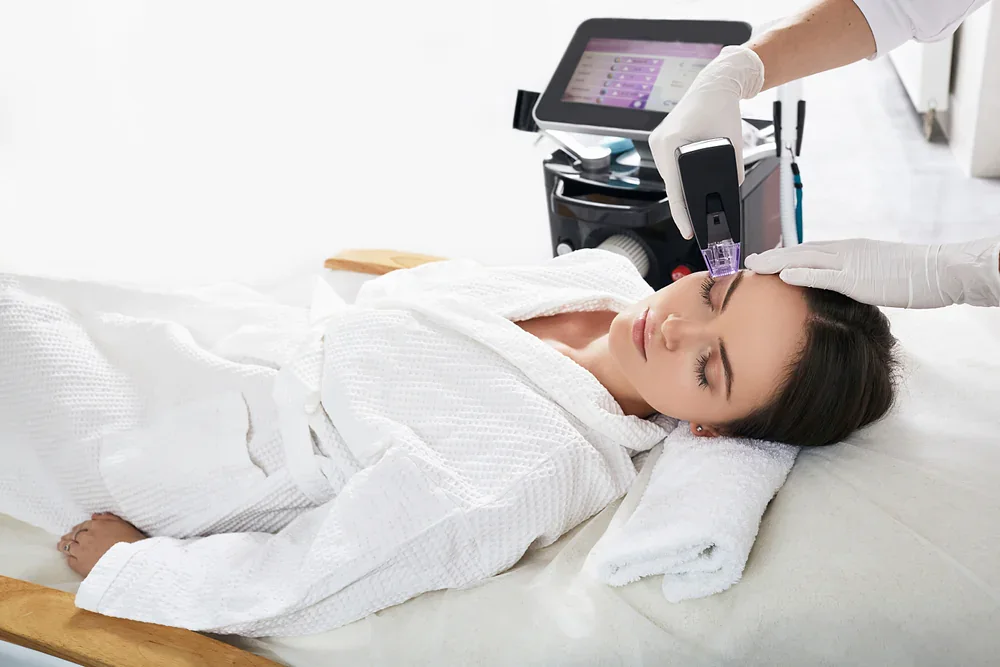
Microneedling with SkinPen stimulates collagen production to improve acne scars, large pores, and fine lines. It’s FDA-cleared and causes controlled micro-injuries that trigger your skin’s natural healing response. You’ll have some redness for a day or two, but the results build over several weeks as new collagen forms.
Chemical peels range from light to medium depth depending on what you’re treating. Light peels brighten and smooth with minimal downtime. Medium peels address deeper pigmentation and sun damage with a few days of peeling. You’ll get clear aftercare instructions and direct access if questions come up during healing.
Dermaplaning removes dead skin and peach fuzz for instant smoothness and better product absorption. Facial threading shapes brows with precision that waxing can’t match. Both are quick add-ons that make a noticeable difference.
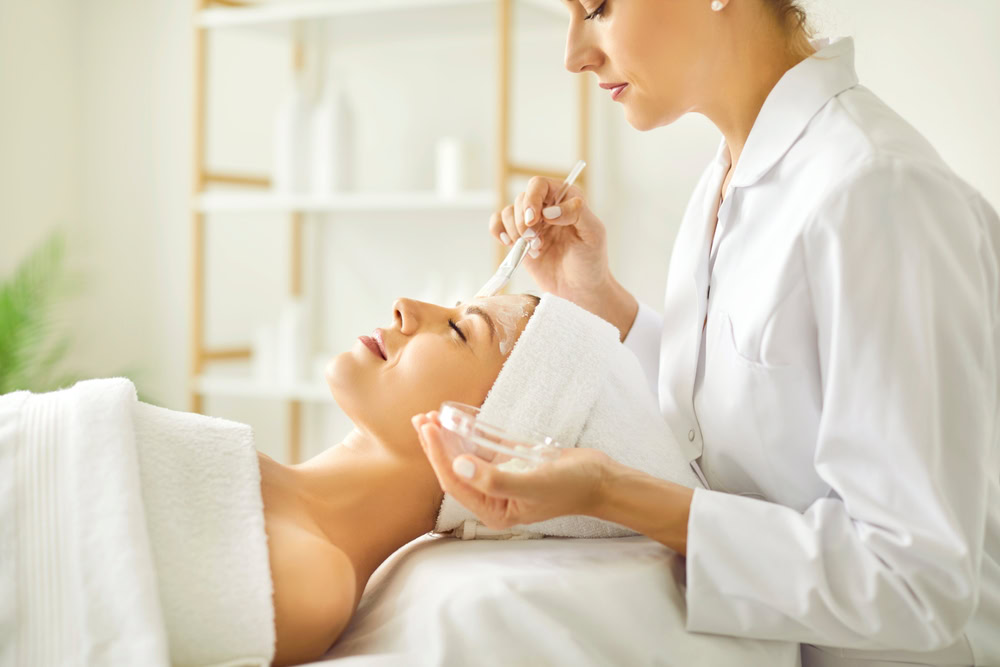
A medical spa uses clinical-grade treatments and equipment that go deeper than what’s available at a day spa. You’re getting procedures like microneedling, chemical peels, and medical-grade HydraFacials that are designed to change your skin at a structural level, not just make it feel pampered for an afternoon.
The person performing your treatment has advanced training and licensing in medical aesthetics. That means they understand skin biology, can identify underlying issues like rosacea or melasma, and know how to adjust treatments based on your skin’s response. Day spas focus on relaxation. Medical spas focus on measurable improvement.
You’ll also get a real consultation before any treatment. That’s where your skin concerns are assessed and a plan is created based on what will actually work for your specific issues, not what’s on special that month.
Your first HydraFacial starts with a consultation about your skin concerns and goals. Your esthetician will look at your skin type, any problem areas, and what you’re hoping to improve. That determines which serums and boosters get used during your treatment.
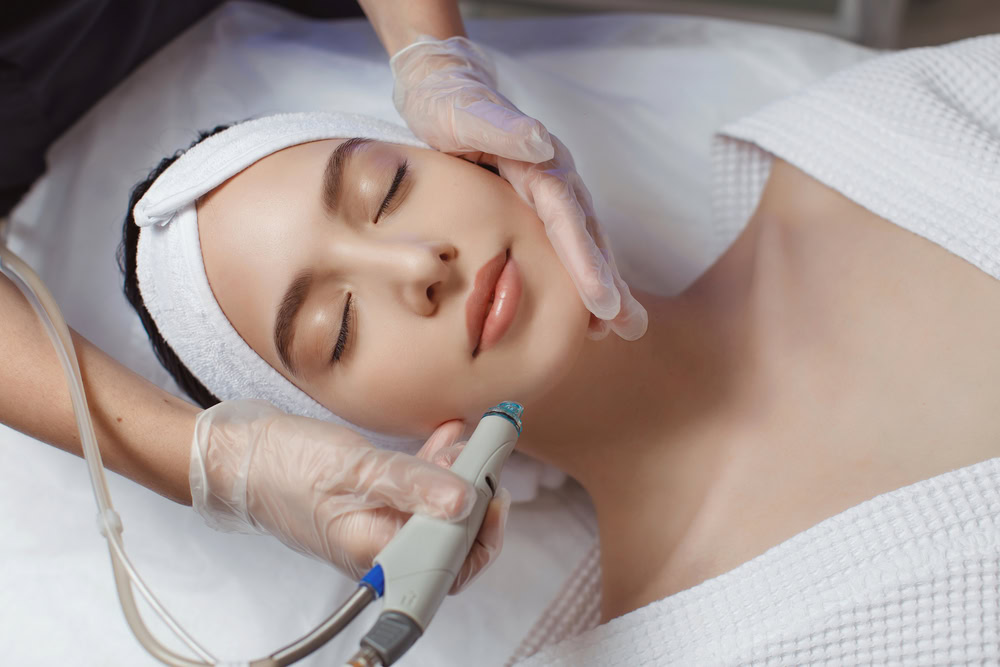
The HydraFacial itself takes about 30 to 45 minutes. It uses a handheld device with different tips for cleansing, exfoliating, extracting debris from pores, and infusing serums. It feels like a cool, wet massage on your face. There’s no pain, no downtime, and no redness afterward.
You’ll see results immediately. Your skin looks brighter, feels smoother, and pores appear smaller right when you stand up from the table. Makeup goes on better that day. The glow lasts about a week, and results improve with regular treatments spaced four to six weeks apart depending on your skin’s needs.
That’s exactly what the free consultation is for. You’re not expected to self-diagnose or pick a treatment off a menu without guidance. Your esthetician will assess your skin in person, ask about your concerns and goals, and recommend what will actually address the root issue.
If you’re dealing with acne, the recommendation might be a series of HydraFacials with salicylic acid and LED light therapy. For acne scarring, microneedling is usually the most effective option. Sun damage and hyperpigmentation often respond best to chemical peels combined with medical-grade skincare. Fine lines and dehydration improve quickly with HydraFacial and consistent hydration boosters.
You’ll also get honest input about timing and budget. If you have an event in two weeks, certain treatments won’t make sense because of healing time. If you’re on a tight budget, your esthetician will prioritize what gives you the most visible improvement first rather than pushing a package you don’t need yet.
It depends on the treatment and the depth used. HydraFacial and dermaplaning have zero downtime. You can go straight back to work or out to dinner with better-looking skin than when you walked in.
Microneedling causes redness that looks like a moderate sunburn for 24 to 48 hours. Your skin might feel tight and dry for a few days as it heals. Most people are comfortable going out in public the next day with some tinted moisturizer. You’ll avoid heavy workouts and direct sun exposure for about a week while your skin regenerates.
Chemical peels vary widely. A light peel might cause slight flaking for two to three days that’s barely noticeable. A medium-depth peel leads to more obvious peeling for about five to seven days. Your skin will look darker and tighter before it starts to shed. You’ll want to plan around social events, but it’s manageable with the right aftercare. You’ll get specific instructions based on the peel strength used, and you can always reach out with questions during the healing process.
That depends entirely on what you’re treating and what your goals are. HydraFacial results last about four to six weeks, so most people come in monthly if they want to maintain that consistent glow. If you’re just doing it before events, you can space it out and book as needed.
Microneedling works best in a series of three to six treatments spaced four to six weeks apart. After that, you might do maintenance sessions every few months or once a year depending on how your skin responds. The collagen production triggered by microneedling continues for months after your last session, so you’re not dependent on constant appointments.
Chemical peels can be done every four to six weeks for a series, then maintained seasonally or a few times a year. Some people do a light peel monthly and a deeper peel once or twice a year for more intensive resurfacing. Your esthetician will give you a realistic maintenance plan during your consultation based on your skin’s condition and your budget. There’s no pressure to commit to a rigid schedule. You book when it makes sense for you.
Yes. We offer facial threading for brows, upper lip, chin, and full face. It’s more precise than waxing, especially for shaping brows, and it doesn’t irritate skin the way wax can if you’re using retinoids or acids. Threading removes hair from the follicle so results last two to four weeks depending on your hair growth.
Many clients combine threading with other treatments like HydraFacial or dermaplaning during the same visit. Dermaplaning removes the fine vellus hair on your face along with dead skin, so if you’re getting that done, threading is usually just for brows. If you’re coming in for a HydraFacial or peel, threading can be done the same day without any issues.
You can book threading as a standalone service or add it to another treatment. It takes about 10 to 15 minutes for brows and a bit longer for larger areas. There’s no downtime, though your skin might be slightly pink for an hour or so afterward. It’s a simple service, but when it’s done well, it makes a noticeable difference in how polished you look.