Hear from Our Customers
You stop worrying about your brows smudging at the gym or fading by noon. They’re there when you wake up, when you’re running late, and when you’re out in the heat.
Microblading creates fine, hair-like strokes that blend with your natural brows. It fills in gaps from over-plucking, balances asymmetry, and gives you the shape that actually fits your face. Not a stencil. Not a trend. Just brows that look like yours, only better.
The results last 12-18 months depending on your skin type and how you care for them. You’ll come back for a touch-up once, maybe twice a year. That’s it. Everything in between is just living your life without thinking about your eyebrows.
We’re led by Jacqueline Grace, a licensed esthetician who’s been named Best Esthetician in Wake County three years running. She’s also HydraFacial Master Certified and took first place in Pigmentation Artist of the Year at The Skin Games, an international competition.
That’s not bragging. It’s proof that when you sit in her chair, you’re working with someone who knows exactly what she’s doing. She’s done this hundreds of times, with every skin tone, face shape, and brow concern you can imagine.
Clayton is part of a growing community where people care about how they look without wanting to look overdone. That’s exactly our approach. Medical-grade tools, personalized consultations, and results that make sense for your face.
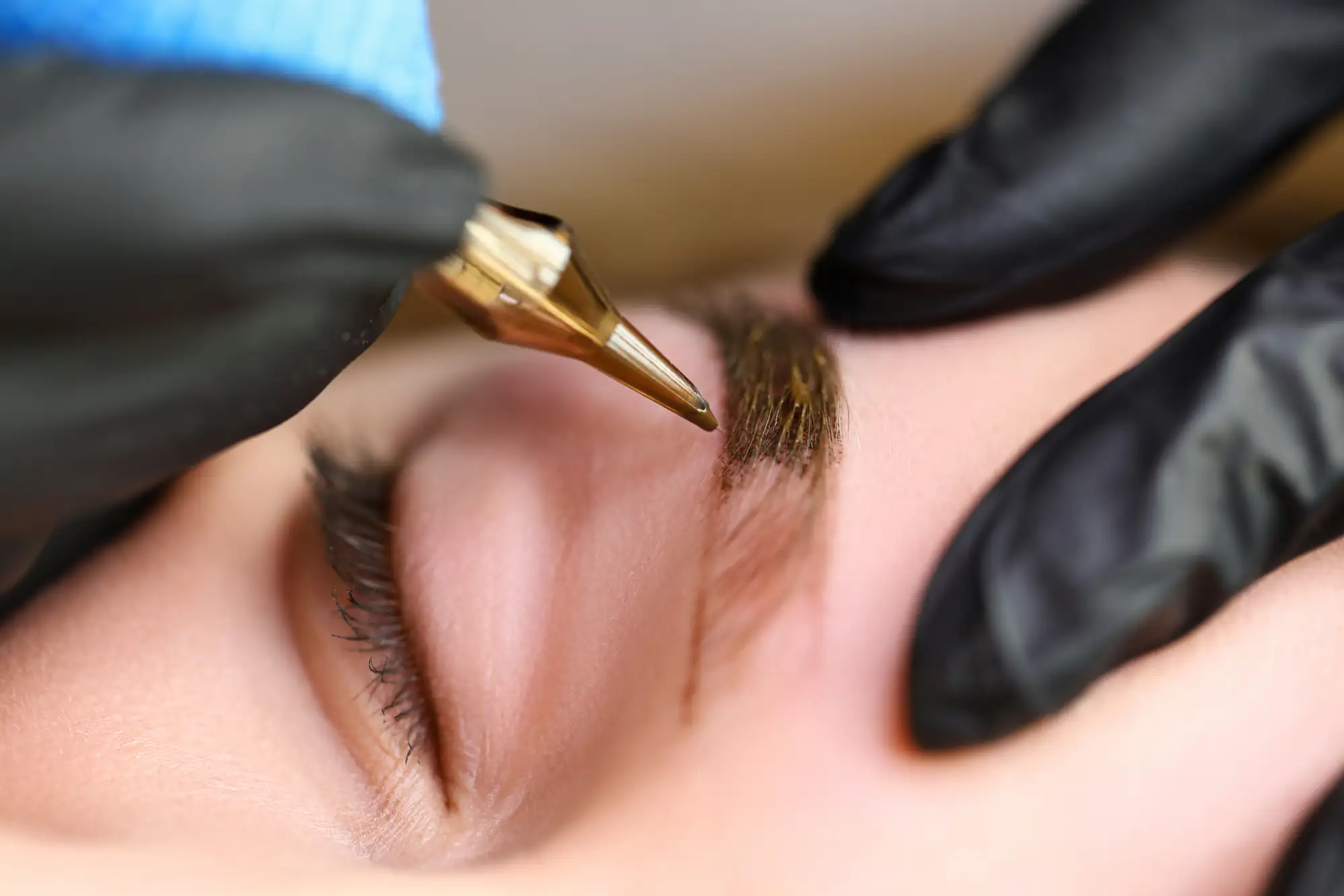
You start with a free consultation. That’s where you talk through what you want, what’s realistic, and what will actually look good on you. Jacqueline maps out the shape based on your bone structure and natural brow line. You approve it before anything happens.
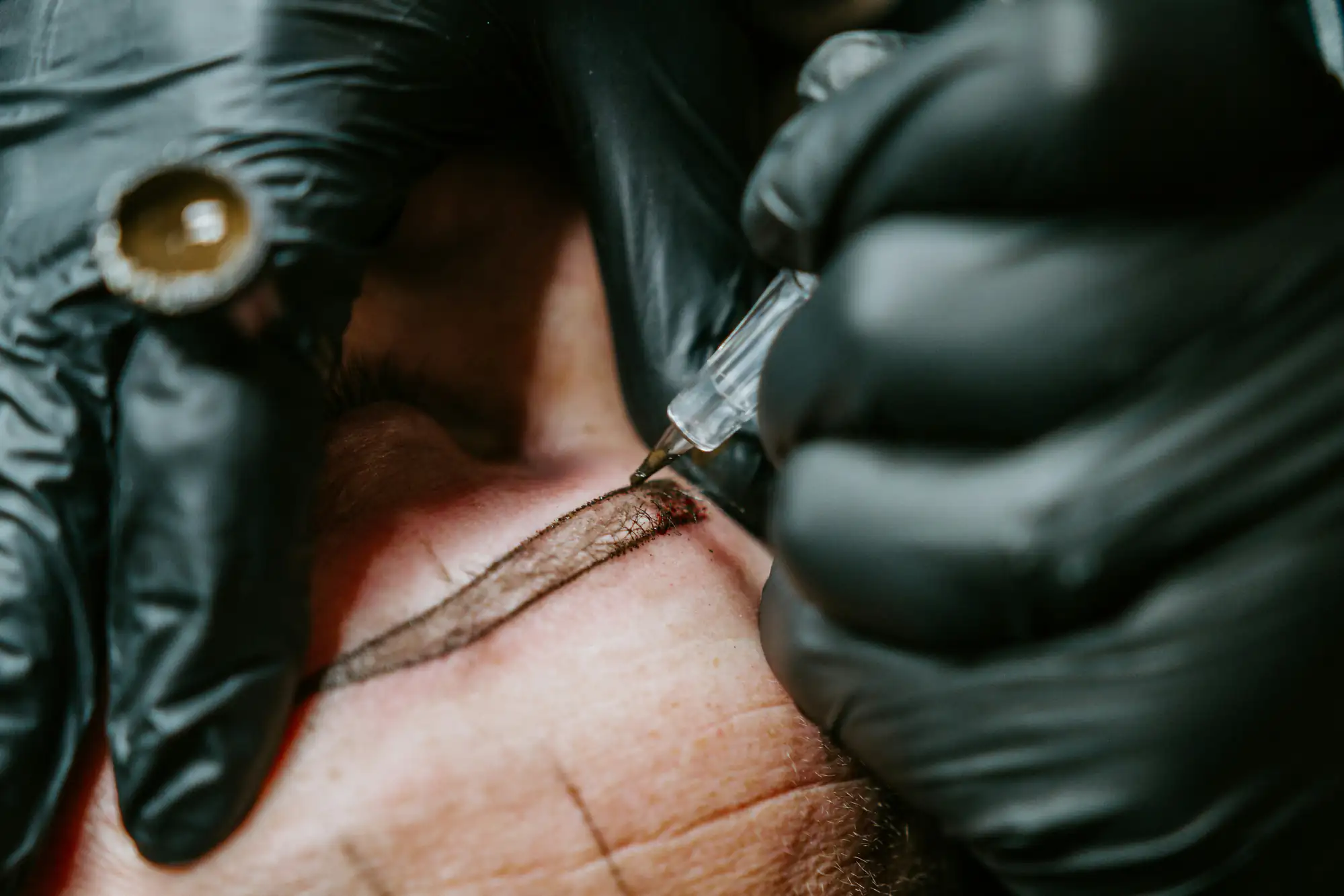
Once the design is set, a topical numbing cream goes on. Most people describe the sensation as mild pressure or light scratching. It’s not painless, but it’s manageable. The actual microblading takes about two hours, depending on how much work your brows need.
After that, you’ll have some redness and slight tenderness for a day or two. The color will look darker at first, then lighten as it heals over the next four weeks. You’ll come back for a touch-up around six weeks out to perfect anything that didn’t take evenly. That’s normal. That’s part of the process.

Ready to get started?
Every microblading appointment includes a full consultation, custom brow mapping, numbing cream, the procedure itself, and aftercare instructions. You also get a follow-up touch-up session six weeks later to make sure everything healed the way it should.
We also offer nano brows and powder brows if you want a softer, more filled-in look instead of individual hair strokes. Nano brows use an even finer blade for ultra-realistic detail. Powder brows create a soft, shaded effect that mimics the look of brow powder. All three techniques can be combined depending on what your brows need.
Clayton’s close to Raleigh and the Research Triangle, so you’re getting access to the same level of expertise you’d find in a bigger city without the drive or the markup. You’re also working with someone who understands the local climate. Humidity, sun exposure, and outdoor activity all affect how your brows heal and how long they last. That gets factored into your treatment plan from the start.
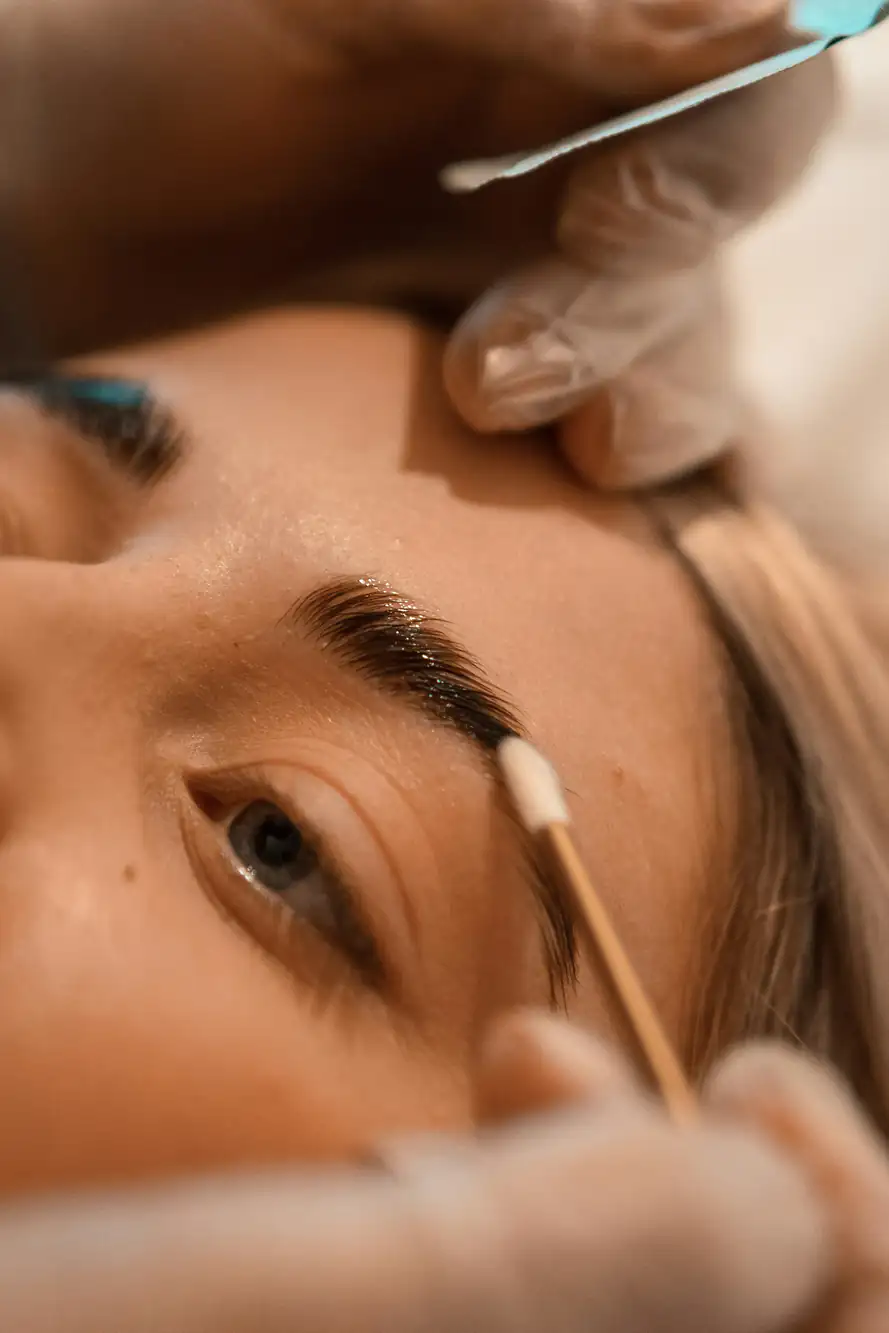
Most people feel some discomfort, but it’s not sharp pain. A topical numbing cream is applied before the procedure starts, and it stays on long enough to take effect. What you’ll feel during microblading is more like scratching or light pressure.
Everyone’s pain tolerance is different. Some people barely notice it. Others feel more sensitivity, especially in areas where the skin is thinner. If you’re nervous, let Jacqueline know. She can reapply numbing cream or take breaks if you need them.
The discomfort doesn’t last. Once the appointment is over, any tenderness fades within a day or two. It’s not the kind of thing that keeps you up at night or stops you from going to work the next day.
Microblading typically lasts 12 to 18 months, depending on your skin type, lifestyle, and how well you follow aftercare instructions. Oily skin tends to break down pigment faster. Sun exposure and certain skincare products can also fade the strokes sooner.
You’ll need a follow-up touch-up about six weeks after your first appointment. That’s when any areas that didn’t retain pigment evenly get corrected. After that, most people come back once a year to maintain the shape and color.
If you wait too long between touch-ups, the pigment will fade completely and you’ll need to start over. Annual maintenance keeps your brows looking fresh without needing a full redo. It’s faster, less expensive, and keeps the results consistent.
Microblading uses a manual blade to create hair-like strokes that mimic natural brow hairs. It’s ideal if you want a natural, feathered look and have normal to dry skin. The strokes are crisp and defined, but they can blur slightly on oily skin over time.
Nano brows use a machine with an ultra-fine needle to create even more precise strokes. The results look nearly identical to microblading but tend to last longer and work better on oily or mature skin. The technique allows for more control and less trauma to the skin.
Powder brows create a soft, shaded effect that looks like you filled in your brows with powder or pencil. It’s done with a stippling technique that deposits pigment in tiny dots. This method is great if you want fuller coverage, have very sparse brows, or prefer a more polished, makeup-like finish.
It depends on the condition. If you have active acne, eczema, or psoriasis in the brow area, you’ll need to wait until it clears up. Microblading on irritated or broken skin can cause infection or poor pigment retention.
If you’re on certain medications like blood thinners, Accutane, or retinoids, you may not be a good candidate. These can affect healing and increase the risk of complications. You’ll need to discuss your full medical history during the consultation to make sure it’s safe.
Sensitive skin on its own isn’t a dealbreaker. We work with all skin types and adjust the technique and aftercare plan based on how your skin behaves. If there’s any concern, we’ll tell you upfront whether microblading is the right choice or if another option makes more sense.
Before your appointment, avoid alcohol, caffeine, and blood-thinning medications for at least 24 hours. These can increase bleeding during the procedure, which pushes out pigment and leads to patchy results. Don’t get a spray tan, facial, or chemical peel within two weeks of your appointment.
After microblading, keep the area dry for the first 10 days. That means no sweating, swimming, or long showers where water runs over your brows. Don’t pick at the scabs or scratch the area, even if it itches. Let everything heal naturally.
You’ll also need to avoid retinoids, exfoliants, and certain skincare acids near your brows for at least two weeks. Sun exposure should be limited, and you’ll want to apply a gentle healing ointment as directed. Following aftercare instructions isn’t optional. It’s what determines whether your brows heal evenly and last as long as they should.
Microblading at Wake Skincare is priced competitively for the Clayton and Wake County area. The cost includes your consultation, the procedure, numbing cream, aftercare products, and a follow-up touch-up session six weeks later. You’re not paying for the service alone. You’re paying for experience, precision, and medical-grade safety standards.
When you break it down over 12 to 18 months, it’s less than you’d spend on brow pencils, gels, and salon visits. More importantly, it’s the time you get back. No more standing in front of the mirror every morning trying to make your brows match.
The investment makes sense if you’re tired of dealing with sparse, uneven, or over-plucked brows. It makes sense if you want to look put-together without effort. And it makes sense if you’re working with someone who’s won awards for this exact skill. You’re not guessing. You’re getting results that last.