Hear from Our Customers
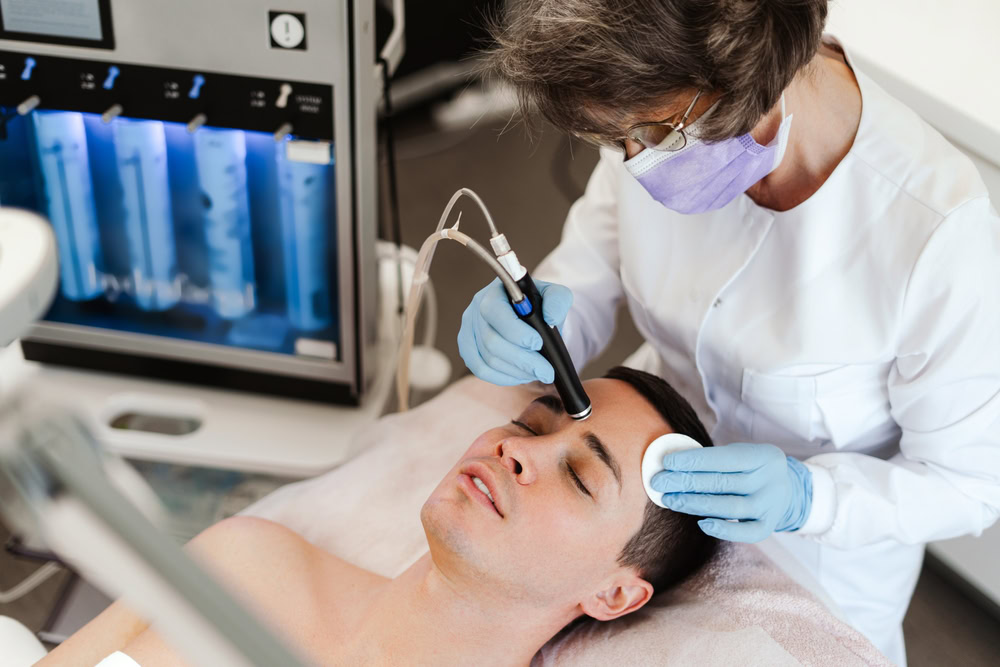
You’re spending 10 to 15 minutes every morning filling in your brows. Maybe they’re sparse from over-plucking years ago, or they just never grew in the way you wanted. Either way, you’re tired of the routine and the inconsistency.
Microblading gives you natural-looking brows that don’t wash off or smudge. The results last one to two years depending on your skin type and lifestyle. You’ll skip the morning brow routine entirely and still look put together the second you wake up.
Durham professionals are choosing this because it works with their schedule, not against it. You get brows that match your natural hair growth pattern, customized to your face shape and the look you actually want. No more guessing if they’re even or wondering if they’ll survive your workout.
We’ve been serving Durham and the surrounding Wake County area with medical-grade skincare treatments that deliver real results. Founded by Jacqueline Grace, a licensed esthetician who’s been named Best Esthetician in Wake County three consecutive years, our clinic holds first place in international aesthetics competitions including Pigmentation Artist of the Year at The Skin Games.
We’re also HydraFacial Master Certified, which puts us among the top practitioners worldwide. That level of training and recognition matters when someone’s working on your face with a microblade.
Durham has a growing population of over 310,000 people, many of them professionals at Duke, NC Central, and Durham Tech who need to look polished without spending extra time each morning. That’s exactly who we work with every day.
You start with a free consultation where we map out your brow shape based on your bone structure and facial proportions. This isn’t a one-size-fits-all template. We’re measuring and customizing the shape to fit your face specifically.
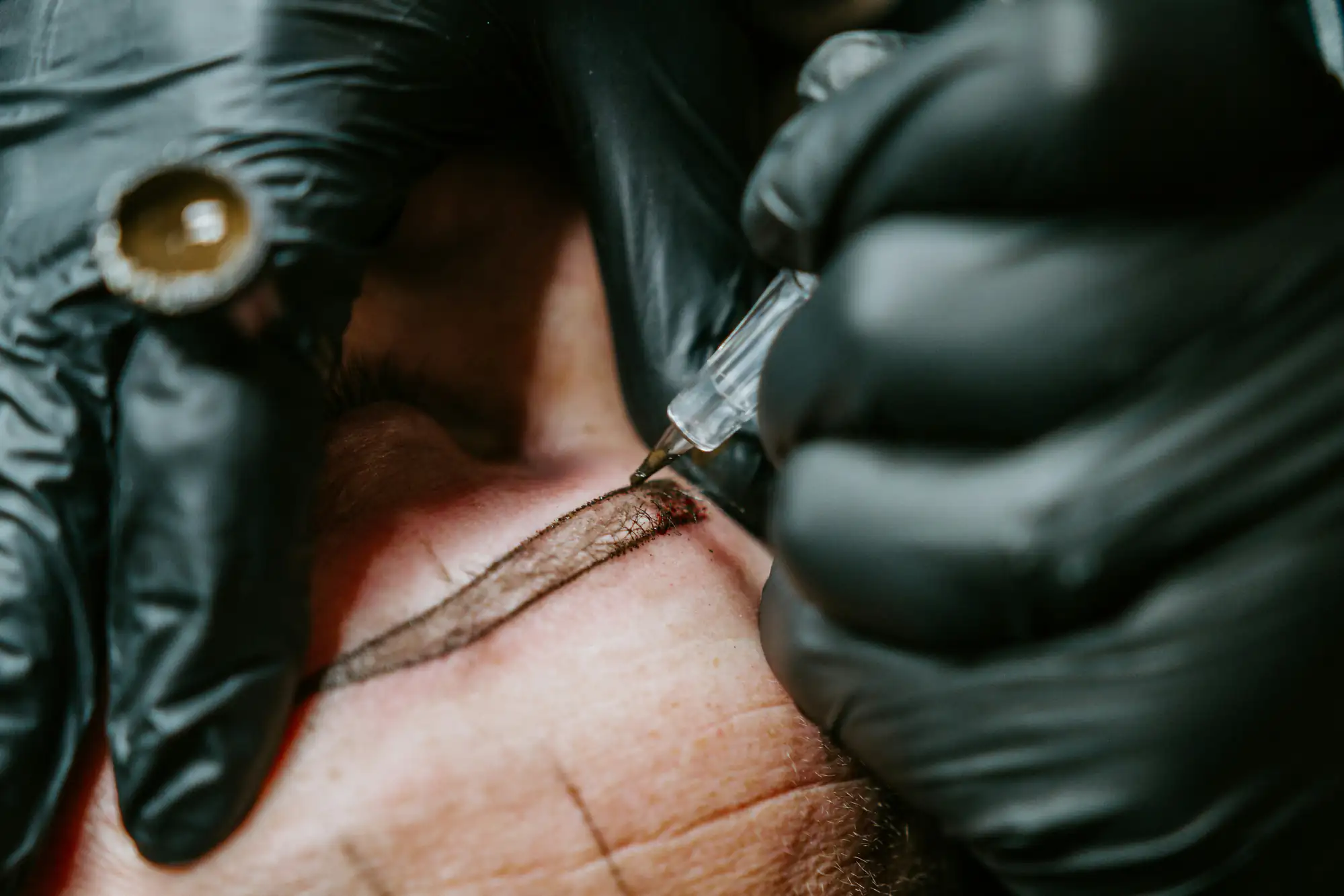
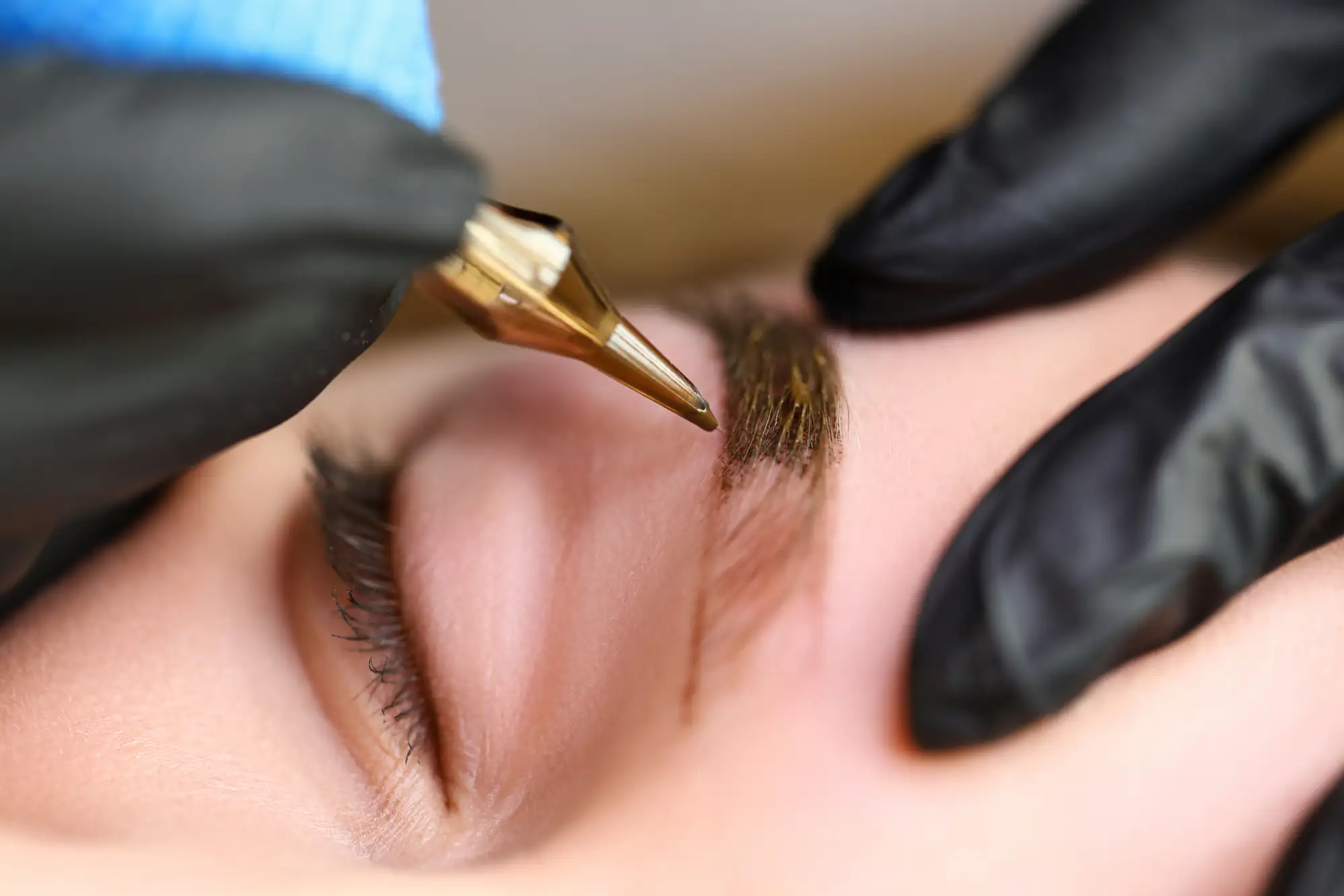
During the procedure, we use a manual microblade tool to create hair-like strokes in the upper layers of your skin. Medical-grade pigment is deposited into each stroke to mimic natural brow hairs. Advanced numbing techniques keep discomfort minimal throughout the process.
The appointment takes about two hours. You’ll see the shape and color immediately, though it will lighten slightly as it heals over the next four to six weeks. A touch-up appointment around six to eight weeks later ensures everything has settled exactly how you want it.
Aftercare is straightforward but important. You’ll avoid getting your brows wet for the first week, skip intense workouts for a few days, and apply a healing ointment we provide. Following these steps ensures your brows heal properly and the pigment sets the way it should.

Ready to get started?
Microblading creates individual hair strokes that look completely natural. It’s ideal if you want definition and fullness but still want your brows to look like brows, not makeup. This technique works well for most skin types, though oily skin may require a different approach.
Nano brows use an even finer needle for more precise strokes, especially useful if your skin is on the oilier side or you want ultra-fine detail. Powder brows give you a soft, filled-in look similar to brow powder makeup. This option works better for oily or mature skin and gives a slightly bolder result.
Durham’s diverse population means we’re working with different skin tones, textures, and brow goals every day. We match pigment to your natural coloring and adjust techniques based on how your skin behaves. That’s why the free consultation matters—we’re assessing what will actually work for you, not just booking an appointment.
The results last one to two years depending on factors like your age, skin type, sun exposure, and skincare routine. Younger skin and oilier skin types may fade faster. You’ll need a touch-up every 12 to 18 months to keep them looking fresh.
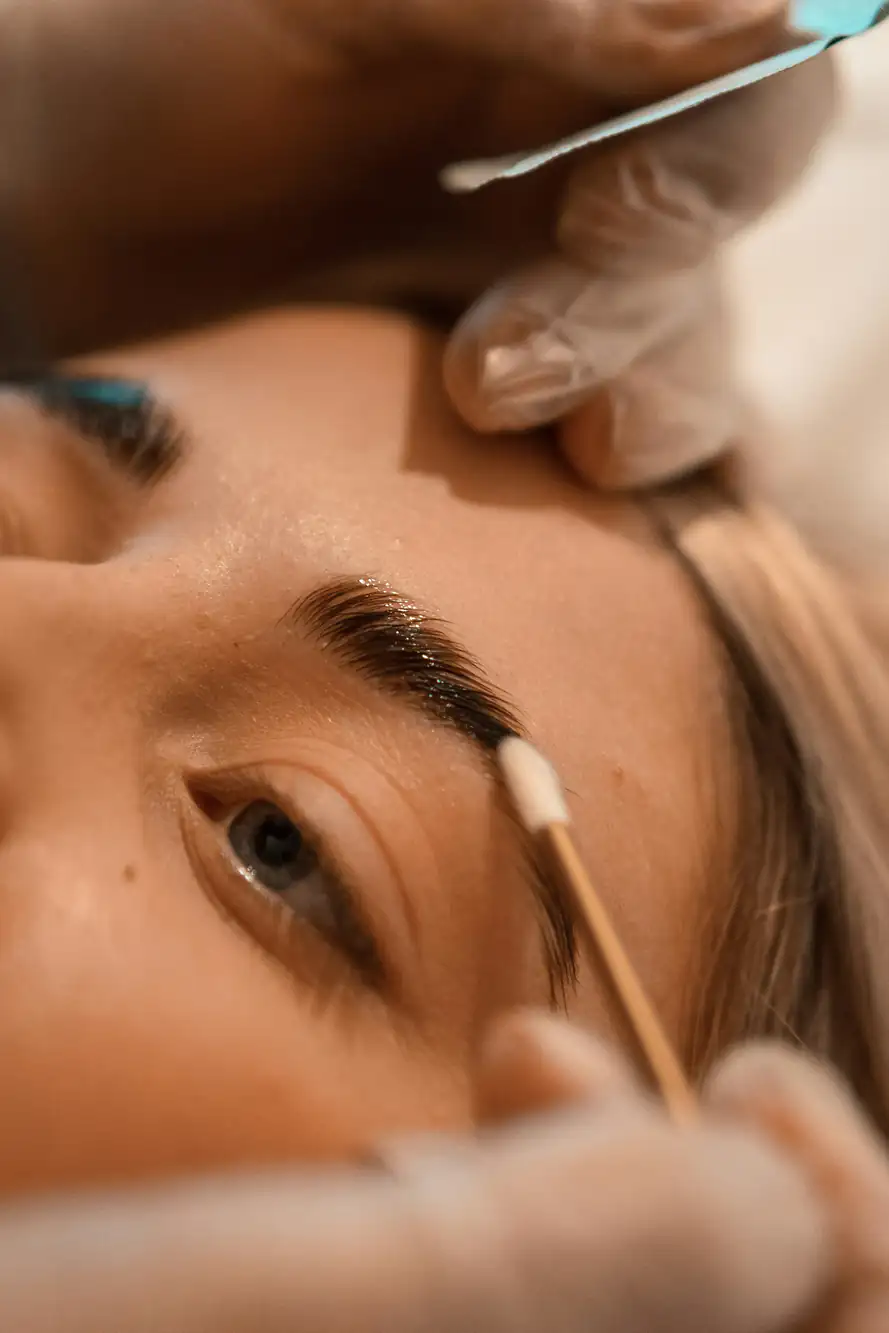
Most people describe the sensation as light scratching or pressure, not sharp pain. We apply a topical numbing cream before starting, and it takes about 20 minutes to fully take effect. You’ll feel the tool moving across your skin, but it’s not the kind of discomfort that makes you want to stop.
Some areas of the brow are more sensitive than others, especially closer to the inner corners. If you feel discomfort during the procedure, we can apply additional numbing cream. Pain tolerance varies from person to person, but the majority of clients say it’s far less painful than they expected.
After the procedure, your brows may feel slightly tender or tight, similar to a mild sunburn. This usually fades within a day or two. Over-the-counter pain relief isn’t typically necessary, but you can take it if you feel you need it.
Microblading typically lasts one to two years before it fades enough to need a refresh. How long yours lasts depends on your skin type, age, lifestyle, and how well you follow aftercare instructions. Oily skin breaks down pigment faster, so you might be closer to the one-year mark. Drier, more mature skin tends to hold pigment longer.
Your first touch-up happens six to eight weeks after the initial appointment. This isn’t optional—it’s part of the process. Your skin sheds and heals differently than expected sometimes, and the touch-up corrects any areas that didn’t retain pigment evenly.
After that, you’ll want a refresh every 12 to 18 months depending on how your brows are holding up. Some people come back sooner because they want to adjust the shape or go slightly darker. Others stretch it closer to two years. Sun exposure, skincare products with retinol or acids, and exfoliation all speed up fading.
Microblading uses a manual handheld tool with tiny needles arranged in a blade shape. The technician creates hair-like strokes by hand, depositing pigment into the skin. It gives you a natural, feathered look that mimics real brow hairs. This works best on normal to dry skin.
Nano brows use a machine with a single, ultra-fine needle to create even more precise hair strokes. The technique is similar to microblading but offers better control and works well on oily or combination skin. The strokes tend to last longer because the machine creates more consistent depth.
Powder brows use a machine to create thousands of tiny dots of pigment, building up a soft, powdered effect. It looks like you filled in your brows with makeup. This technique is better for oily skin, mature skin, or anyone who wants a bolder, more defined look. It also tends to last longer than microblading because the pigment is distributed differently.
Yes, but your results may look different than someone with dry or normal skin, and they may not last as long. Oily skin produces more sebum, which breaks down the pigment faster. The hair strokes can also blur slightly over time instead of staying crisp.
For clients with oily skin, we often recommend nano brows or powder brows instead of traditional microblading. Nano brows create finer strokes with better pigment retention. Powder brows hold up even better on oily skin because the technique doesn’t rely on individual hair strokes staying sharp.
During your free consultation, we’ll assess your skin type and talk through which technique will give you the best results. If your skin is very oily or you have large pores, we’ll be upfront about what to expect and which method makes the most sense for your goals.
For the first seven to ten days, keep your brows completely dry. That means no sweating, no swimming, no long showers where steam and water hit your face. Water interferes with how the pigment sets and can cause uneven healing or pigment loss.
Avoid working out or any activity that makes you sweat heavily for at least a week. Sweat contains salt and acids that pull pigment out of your skin before it has a chance to settle. If you’re training for something or have a physically demanding job, plan your appointment accordingly.
Don’t pick, scratch, or peel any scabbing or flaking. Your brows will go through a healing phase where they might itch or flake like a healing tattoo. Let it happen naturally. Picking at it removes pigment and creates patchy spots that won’t fill in properly.
You’ll also need to avoid retinol, glycolic acid, and any exfoliating skincare products on or near your brows for at least two weeks. These ingredients speed up skin cell turnover, which pushes pigment out faster. After your brows are fully healed, you can resume your normal routine but should still avoid applying those products directly on the brows if you want them to last.
Start by checking their credentials and training. In North Carolina, microblading artists need a tattoo permit and must follow state health and safety regulations. Ask where they trained, how long they’ve been doing this, and if they have any certifications or competition placements. Awards and recognition from industry organizations indicate a higher level of skill.
Look at their portfolio, but look critically. You want to see healed results, not just fresh brows right after the appointment. Healed photos show you what the work actually looks like after six months or a year. Pay attention to whether the strokes look natural, if the shape fits the client’s face, and if the color looks realistic.
Book a consultation before committing. A good artist will assess your skin, discuss your goals, and be honest about what’s realistic for your face and skin type. If someone’s rushing you into an appointment or not asking questions about your medical history and skincare routine, that’s a red flag. You want someone who takes the time to do it right, not just someone trying to fill their schedule.