Hear from Our Customers
You’re tired of the daily routine. Drawing. Filling. Fixing one side to match the other. Worrying if they’ll smudge at the gym or fade by noon.
Microblading changes that. You wake up with brows that are already shaped, filled, and symmetrical. No pencils. No powders. No guessing if they look right.
The process creates hair-like strokes using pigment that mimics your natural brow pattern. It’s not a tattoo that looks drawn on. It’s a semi-permanent technique that enhances what you already have, filling sparse areas and creating definition that frames your face. Results typically last one to three years, depending on your skin type and how your body metabolizes the pigment.
You save time every single day. You look put-together even when you’re not wearing makeup. And you stop worrying about your brows disappearing halfway through your day.
Wake Skincare is led by Jacqueline Grace, a licensed esthetician who’s been named Best Esthetician in Wake County three years running. She’s also earned first place in the Pigmentation Artist of the Year category at The Skin Games, an international competition where the best in the industry compete.
Here’s why that matters to you: In North Carolina, the only requirement to offer microblading is a tattoo permit. No training required. That puts you at risk if you choose the wrong provider.
We bring medical-grade expertise to every appointment. Jacqueline is HydraFacial Master Certified, which places her among the top practitioners worldwide. We’ve served clients across Holly Springs and the greater Wake County area, building a reputation on natural-looking results and personalized care. Every consultation is free, one-on-one, and designed around your unique brow shape, skin type, and goals.
It starts with a free consultation. You’ll sit down with Jacqueline to talk through what you want, what’s realistic for your face shape and natural brow pattern, and what the process involves.
Before any work begins, your brows are mapped and shaped. This ensures symmetry and proper placement based on your bone structure. You’ll see the shape before anything is permanent.
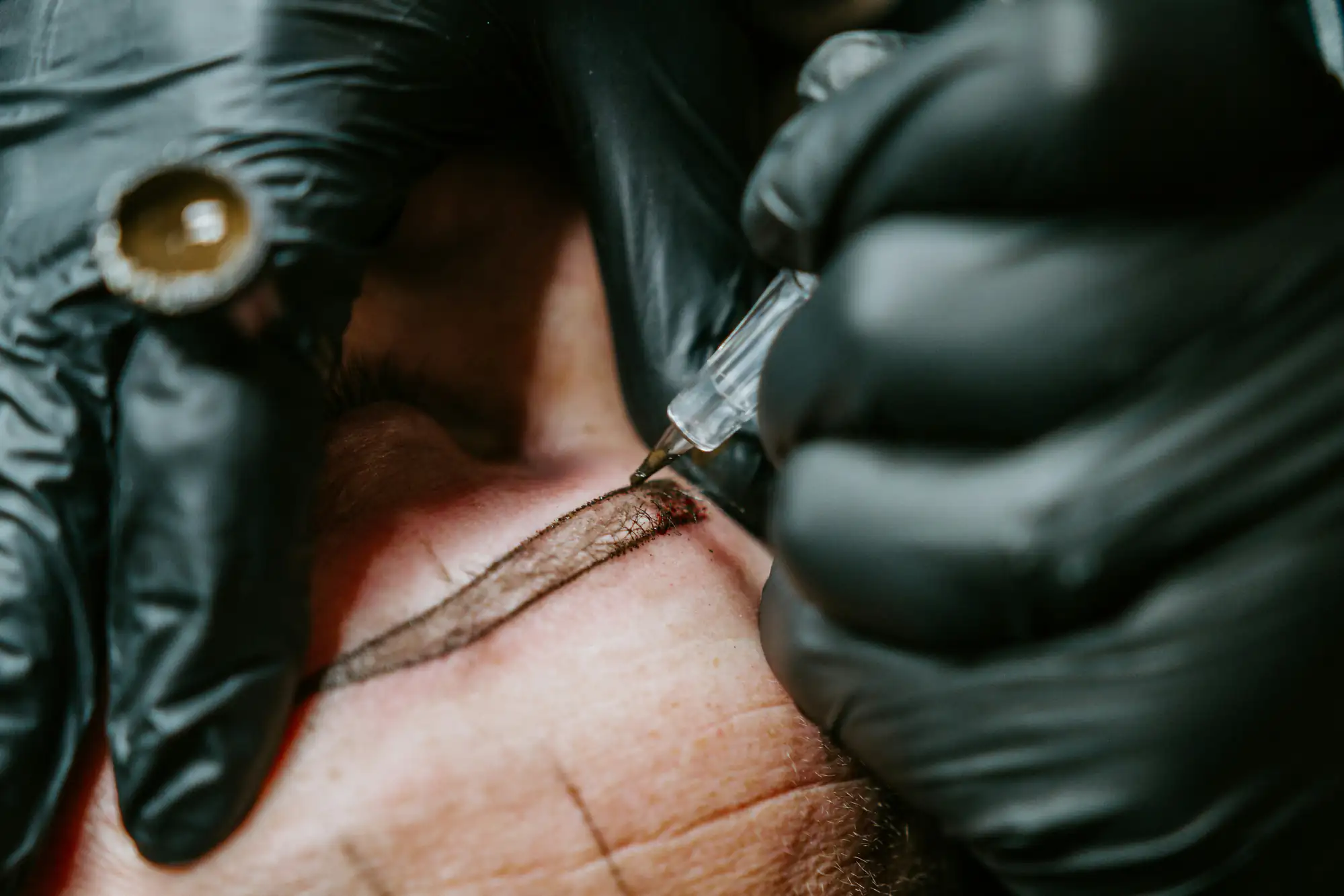
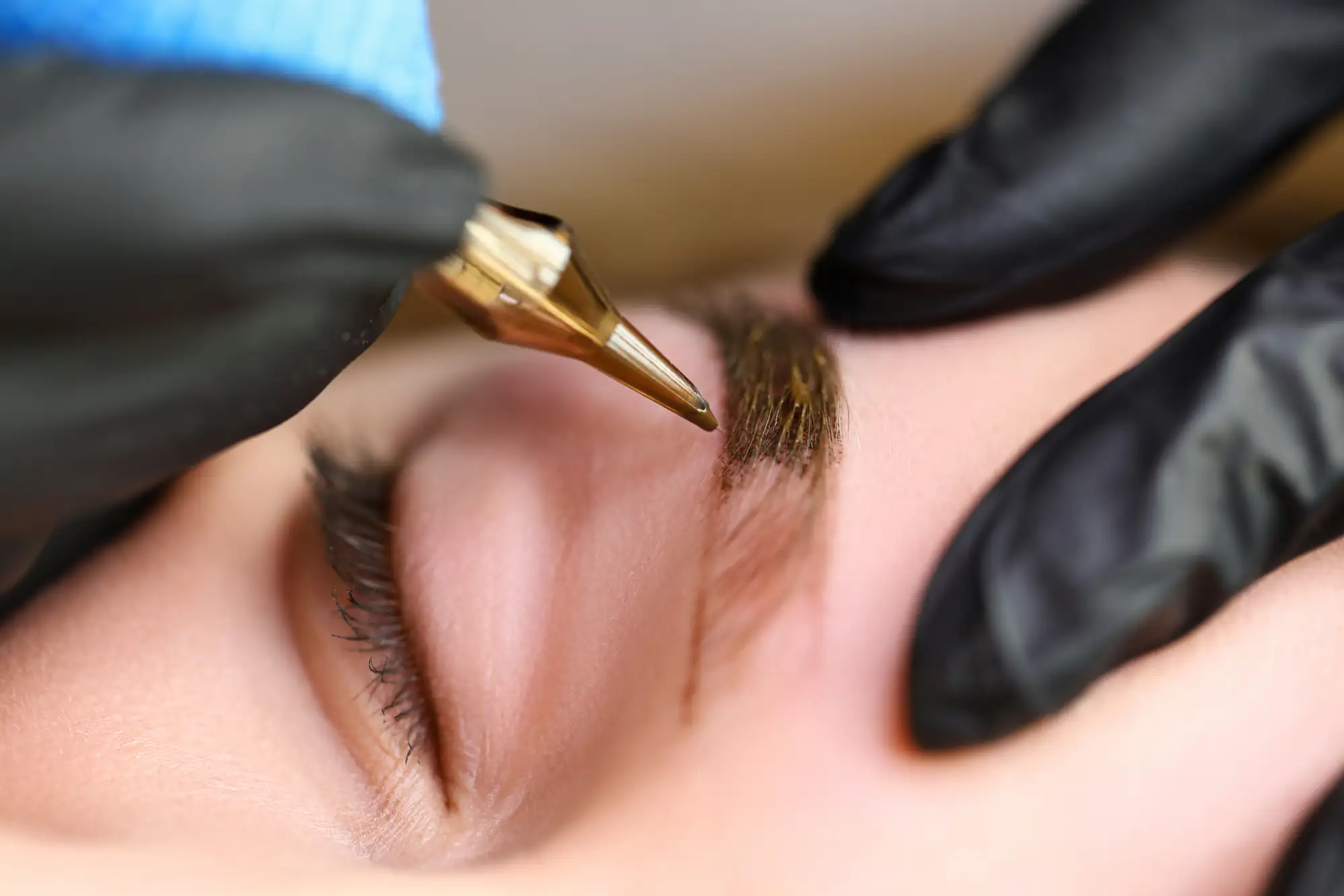
A topical numbing cream is applied to minimize discomfort. Then, using a specialized handheld tool with ultra-fine needles, Jacqueline creates individual hair-like strokes in the upper layers of your skin. Pigment is deposited into each stroke, mimicking the look of real brow hairs.
The appointment takes about two hours. You’ll leave with darker, bolder brows than your final result—that’s normal. Over the next week, the color softens and settles into a natural tone. A touch-up appointment six to eight weeks later ensures everything heals evenly and any sparse areas are filled in. After that, you’re set for up to three years.

Ready to get started?
You’re not just getting your brows filled in. You’re getting a customized treatment plan based on your skin type, lifestyle, and aesthetic goals.
If you have oily skin, nano brows might be a better fit. This technique uses even finer strokes than traditional microblading, creating hyper-realistic hair patterns that hold up better on skin that produces more oil. If you prefer a softer, filled-in look similar to powder makeup, powder brows use a shading technique that mimics the appearance of brow powder without the daily application.
Holly Springs has one of the highest median household incomes in Wake County, and the community here values quality and expertise. You’re not looking for the cheapest option—you’re looking for someone who won’t mess up your face. That’s what you get here. Medical-grade pigments. Sterile, disposable tools. A provider who’s won awards for this exact skill.
Every appointment includes a skin evaluation, brow mapping, numbing, the microblading procedure, and aftercare instructions. You also get a follow-up touch-up session to perfect the results once your skin has fully healed.
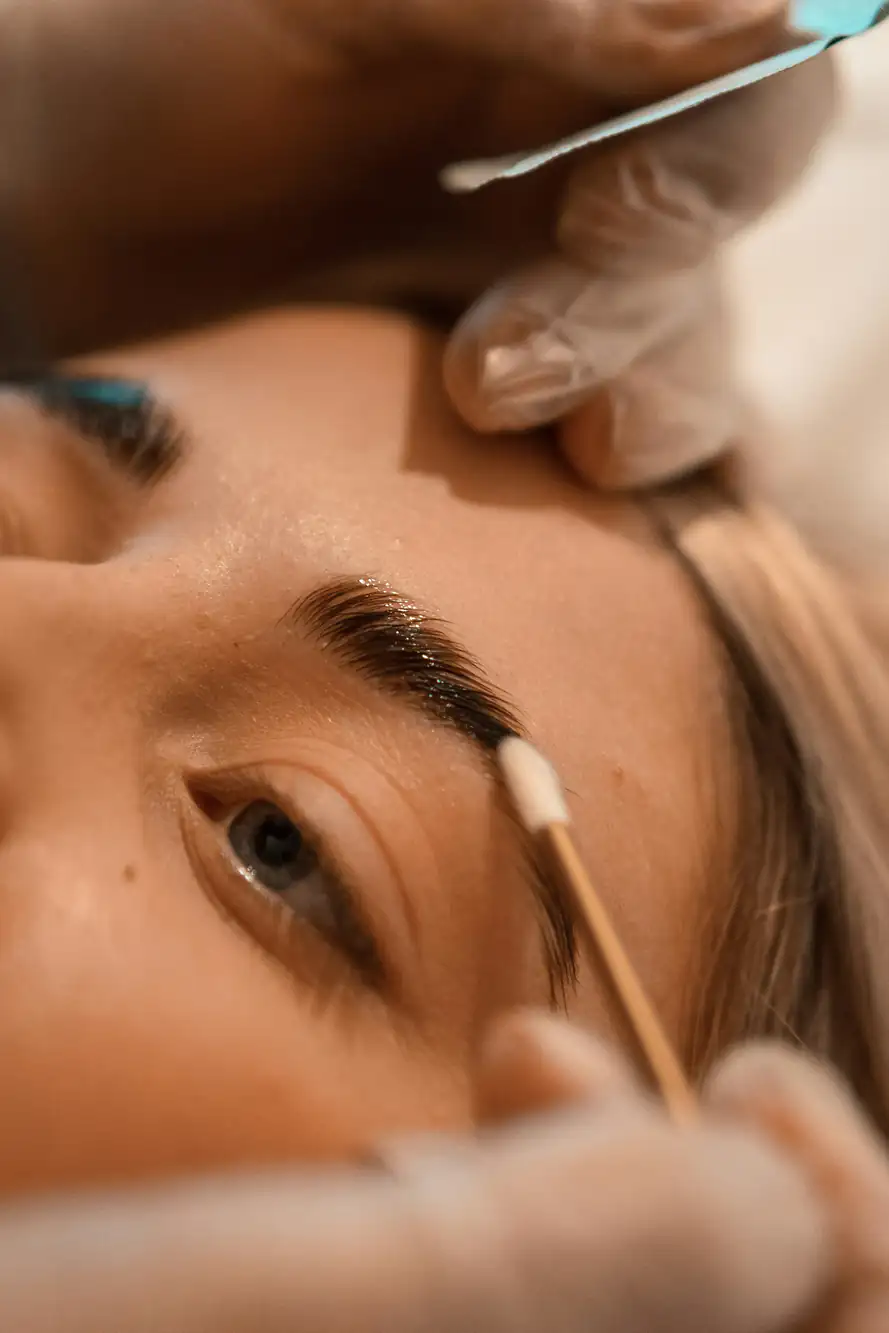
Microblading typically lasts between one and three years. How long it lasts for you depends on a few factors: your skin type, your age, how much sun exposure your face gets, and how your body naturally breaks down pigment.
If you have oily skin, the pigment may fade faster because oil pushes it out more quickly. If you’re diligent about sunscreen and avoid harsh exfoliants on your brows, you’ll extend the life of your results.
You’ll need a touch-up about six to eight weeks after your initial appointment. This isn’t optional—it’s part of the process. Your skin sheds and heals during that first month, and the touch-up fills in any areas that didn’t retain pigment as well. After that, most people come back every 12 to 18 months for a refresh to keep their brows looking sharp.
Most people describe the sensation as light scratching or pressure, not pain. A topical numbing cream is applied before the procedure starts, which minimizes discomfort significantly. You’ll feel something, but it’s not the kind of pain that makes you want to stop.
Your pain tolerance matters here. If you’ve had your eyebrows waxed or threaded, this feels similar—maybe slightly more intense, but manageable. Some areas of the brow are more sensitive than others, particularly near the inner corners and tail.
As for downtime, there isn’t any in the traditional sense. You can go back to work the next day. Your brows will look darker and more dramatic for the first week, so some people schedule their appointments before a weekend or a low-key week. You’ll need to avoid sweating heavily, swimming, and direct sun exposure for about 10 days while they heal. No picking at the scabs that form, and no applying makeup directly on the brows during the healing phase.
Microblading is semi-permanent. Eyebrow tattoos are permanent. That’s the biggest difference, and it matters.
Microblading uses a manual handheld tool to create fine, hair-like strokes in the upper layers of your skin. The pigment is deposited closer to the surface, which is why it fades over time. Tattoos use a machine that goes deeper into the skin, and the ink is permanent. Tattooed brows often look more solid and filled in, like a block of color, rather than individual hairs.
The other major difference is how they age. Microblading fades naturally and can be adjusted as your face changes or trends shift. Permanent eyebrow tattoos can turn blue or gray over time as the ink breaks down, and they’re much harder to remove or correct if you don’t like the results. Microblading gives you flexibility. You’re not locked into one look forever.
It depends on your skin type and the look you want. If you have normal to dry skin and want the most natural, hair-like strokes, traditional microblading works well. If you have oily or combination skin, nano brows are usually a better option because the finer strokes hold up better against oil production.
Powder brows are ideal if you want a softer, more filled-in look that mimics the effect of brow powder or pencil. This technique uses a shading method instead of individual strokes, creating a gradient effect that’s darker at the tail and lighter at the front. It tends to last longer than microblading because the pigment is distributed differently.
During your free consultation, Jacqueline will assess your skin and talk through what will work best for your goals. If you’re someone who likes a bold, defined brow, powder brows might be the move. If you want something that looks like you were born with perfect brows, microblading or nano brows will get you there. You’re not guessing—you’re getting a recommendation based on what actually works for your face.
Before your appointment, avoid alcohol, caffeine, and blood-thinning medications like aspirin or ibuprofen for at least 24 hours. These thin your blood and can cause more bleeding during the procedure, which affects how well the pigment takes. Don’t get your brows waxed, threaded, or tinted for at least a week before. You want a clean slate.
After your appointment, keep your brows dry for the first 10 days. That means no sweating heavily, no swimming, no saunas, and no long showers where water is running directly over your face. When you wash your face, avoid the brow area or gently pat it with a damp cloth.
Don’t pick at the scabs or flakes that form as your brows heal. Let them fall off naturally. Picking can pull out pigment and create patchy spots. Avoid applying makeup, skincare products, or sunscreen directly on your brows during the healing phase. After 10 days, you can resume your normal routine, but you’ll want to avoid harsh exfoliants and retinol on the brow area long-term to preserve your results.
When done by a trained, licensed professional using proper technique and sterile equipment, microblading is safe. The risks come from choosing an unqualified provider or not following aftercare instructions.
In North Carolina, anyone with a tattoo permit can legally offer microblading—even without formal training. That’s a problem. If the technician goes too deep into the skin, it can cause scarring. If tools aren’t sterile, you’re at risk for infection. If the pigment isn’t high-quality or properly matched to your skin tone, you could end up with brows that look unnatural or change color as they fade.
The most common side effects are mild swelling, redness, and tenderness immediately after the procedure. These go away within a day or two. Some people experience slight itching as the brows heal, which is normal. Allergic reactions to the pigment are rare but possible, which is why a patch test is recommended if you have sensitive skin or a history of allergies. Choosing someone with medical-grade training, award-winning credentials, and a track record of safe, consistent results significantly reduces your risk.