Hear from Our Customers
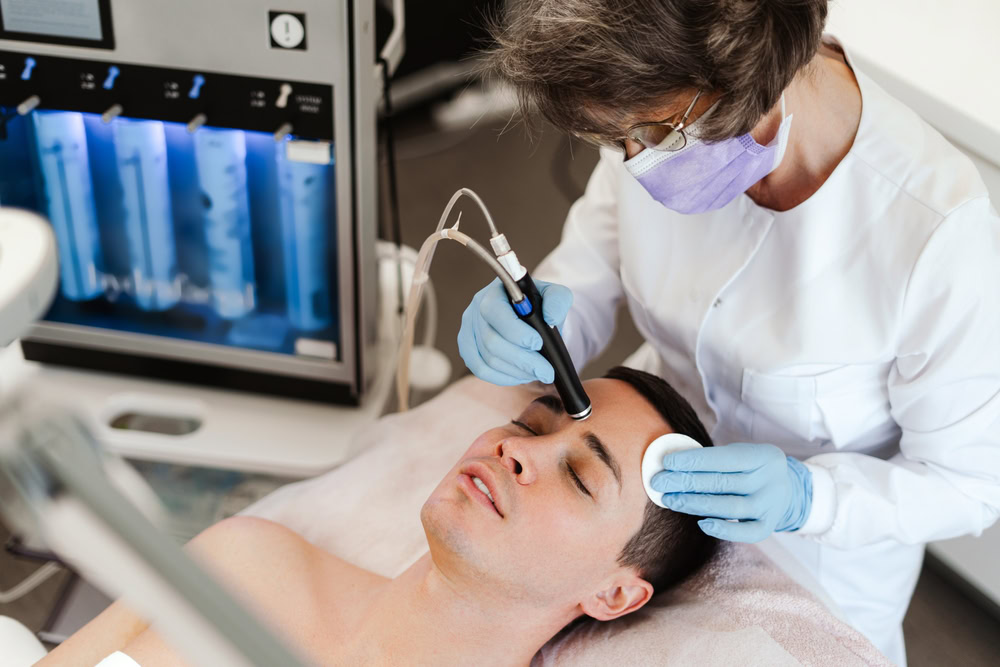
You’re not looking for a dramatic change. You just want brows that look like yours, only better. Fuller where they’ve thinned. Shaped where they’ve gone rogue. Symmetrical without the guesswork every morning.
Microblading gives you that. It’s a semi-permanent technique that deposits pigment into the upper layers of your skin, creating hair-like strokes that blend with your natural brows. The result looks like you were born with great eyebrows, not like you had work done.
Most clients see results that last 12 to 18 months. You’ll come back for a touch-up around the six-week mark to perfect the shape and color, then you’re set. No daily pencils. No smudging at the gym. No wondering if your brows look even before you walk out the door.
Wake Skincare is led by Jacqueline Grace, a licensed esthetician who’s been named Best Esthetician in Wake County three years running. She’s also earned first and second place at The Skin Games international competition in the Pigmentation Artist of the Year category, which means her work has been judged against the best in the world.
She trained under Raleigh’s top permanent makeup artist to master the light, airy powder brow technique that creates soft, natural results. That’s the same approach we use here for microblading and nano brows. You’re not getting cookie-cutter arches. You’re getting brows shaped and shaded specifically for your face, your bone structure, and your personal style.
We opened in Wake Forest six years ago, right before COVID hit. The clinic survived, grew, and now we serve clients across Louisburg, Franklinton, Youngsville, Rolesville, and over 40 other communities in the Wake County area. Every treatment starts with a free consultation, because your brows aren’t one-size-fits-all.
Your first visit is a consultation. You’ll talk through what you want, what’s realistic, and what shape works best for your face. Jacqueline will map out your brows with a pencil so you can see the shape before anything becomes permanent. You approve it, or you adjust it. Nothing moves forward until you’re confident.
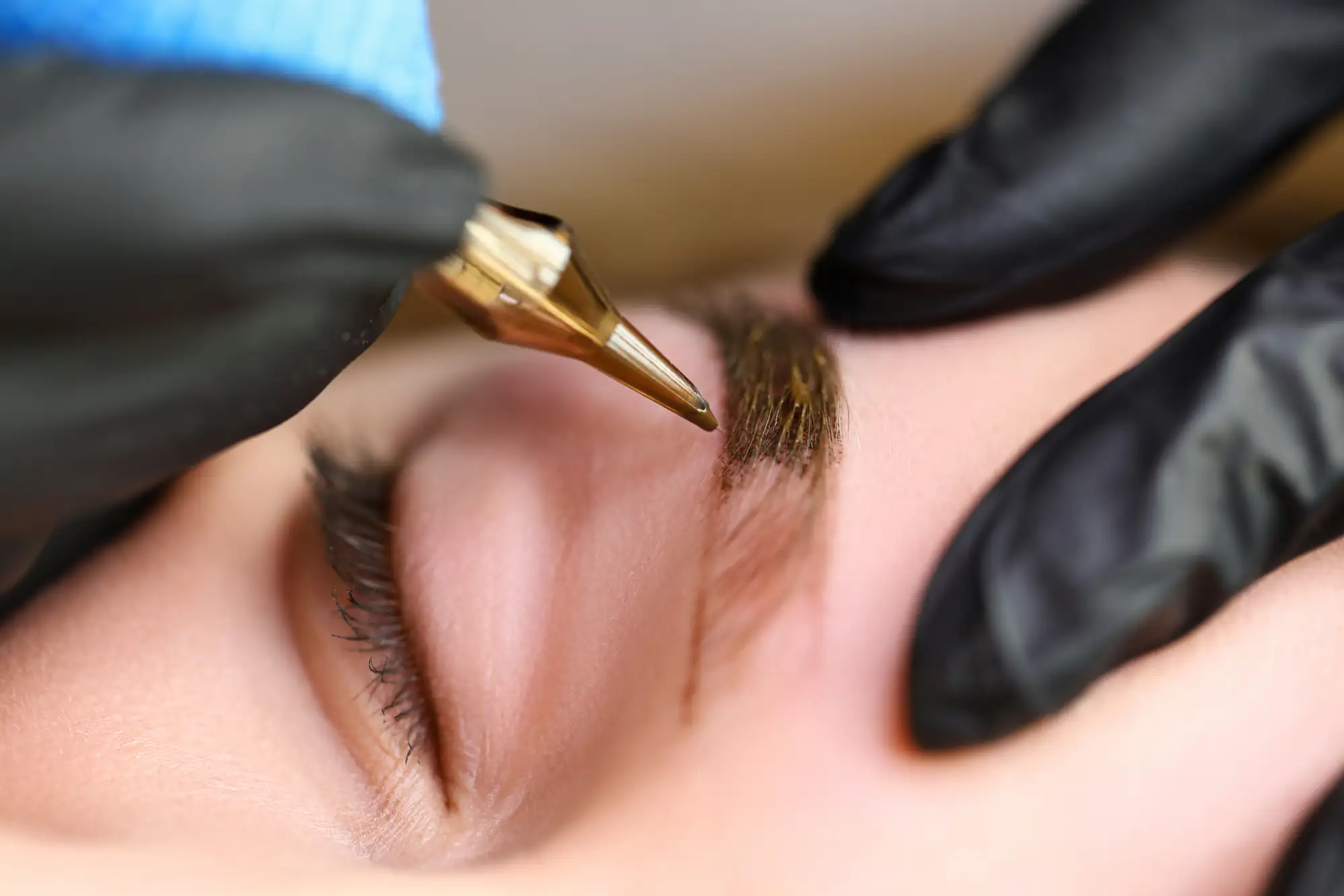
Once the shape is set, a topical numbing cream goes on. Most people don’t describe the process as painful, more like light scratching. The microblading tool uses a fine blade to create shallow cuts in the skin, then deposits pigment into those cuts. Each stroke mimics a natural brow hair.
The whole appointment takes about two hours. Afterward, your brows will look darker than the final result, that’s normal. They’ll lighten as they heal over the next week or two. You’ll come back around six weeks later for a touch-up to fill in any spots that didn’t hold pigment and refine the color. After that, you’re done until your next annual refresh.

Ready to get started?
Microblading works great for most people, but it’s not the only option. If you have oily skin, microblading strokes can blur over time. That’s where powder brows or nano brows come in.
Powder brows use a stippling method to create a soft, filled-in look, similar to brow powder makeup. It’s slightly more defined than microblading but still natural. Nano brows use a machine instead of a blade to create ultra-fine hair strokes. It’s gentler on the skin and tends to last longer, especially for people whose skin doesn’t hold pigment well.
All three techniques can give you permanent eyebrows that don’t wash off. The right one depends on your skin type, lifestyle, and the look you’re going for. During your consultation, Jacqueline will walk through which method makes the most sense for you. Louisburg clients tend to prefer the softer, more natural microblading or nano brows, but some love the polished look of powder brows, especially if they’re used to filling their brows in daily.
We also offer eyebrow tattoo touch-ups if you’ve had work done elsewhere and need a refresh. Not all artists are trained the same way, and not all pigments age the same. If your tattooed eyebrows have faded unevenly or shifted color, a corrective session can get them back on track.
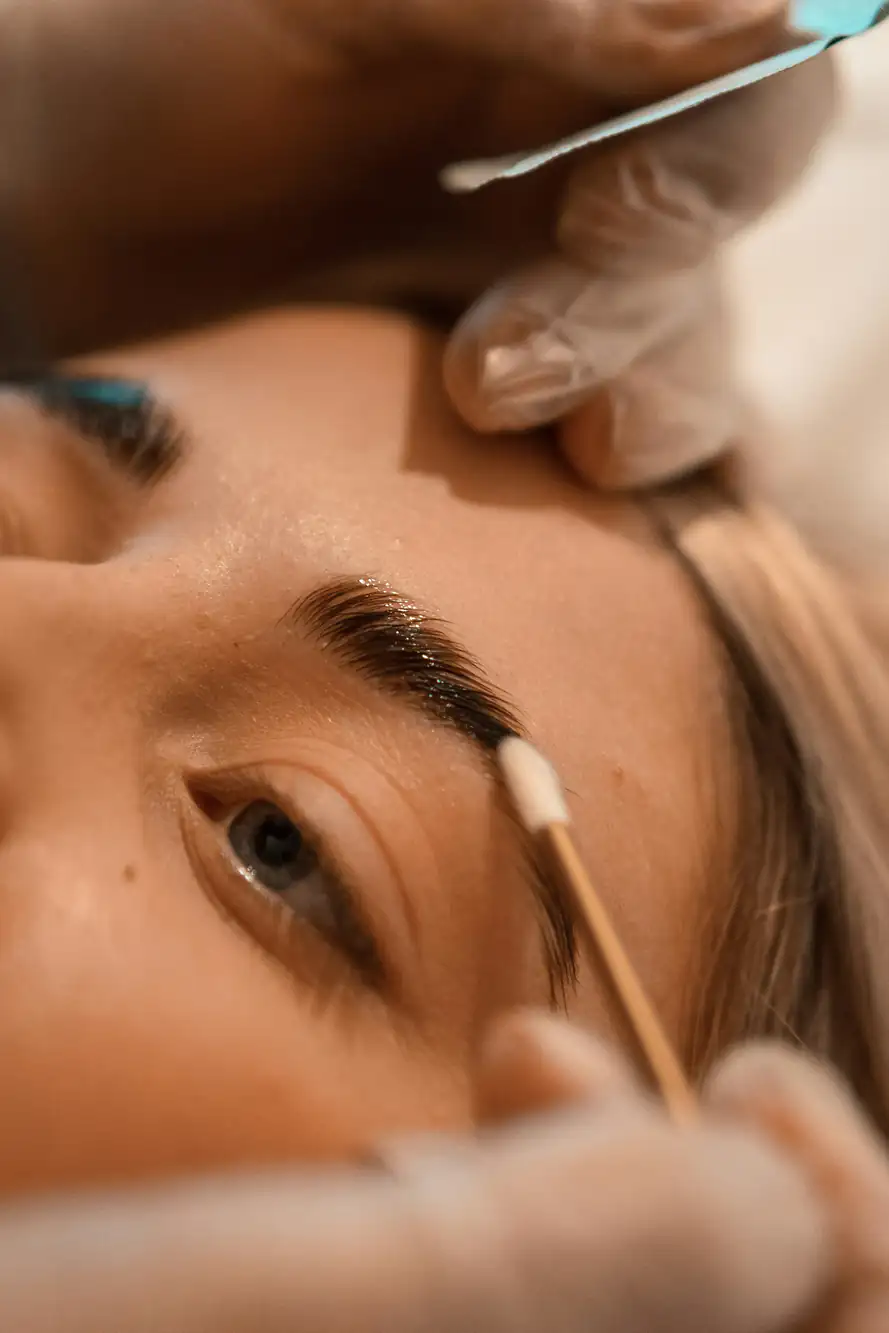
Microblading typically lasts between 12 and 18 months, depending on your skin type, lifestyle, and how well you follow aftercare. Oily skin tends to break down pigment faster, so you might be closer to the 12-month mark. Drier skin can hold onto color longer.
You’ll need a touch-up about six weeks after your first session. This isn’t optional, it’s part of the process. Your skin won’t retain 100% of the pigment on the first pass, and the touch-up fills in any gaps and deepens the color where needed.
After that, most people come back once a year to maintain the shape and keep the color fresh. If you wait too long, the pigment fades completely, and you’ll need to start over with a full session instead of a quicker refresh.
Most people don’t describe microblading as painful. A topical numbing cream is applied before the procedure, which takes the edge off. You’ll feel some pressure and a scratching sensation, but it’s not sharp or unbearable. Pain tolerance varies, but the majority of clients say it’s easier than they expected.
Healing takes about 7 to 10 days. Your brows will look darker and more defined right after the appointment, almost like you filled them in with a heavy hand. That’s normal. The color softens significantly as the top layer of skin heals and flakes off. Don’t pick at it. Let it shed naturally.
You’ll need to keep your brows dry for the first week. No sweating, no swimming, no long showers where water runs directly over your face. You’ll also apply a thin layer of healing ointment a few times a day to keep the area moisturized. After the first week, they’ll look more natural, and by the time you come in for your touch-up at six weeks, they’ll have settled into their final color and shape.
Microblading uses a manual blade to create fine, hair-like strokes. It’s best for people with normal to dry skin who want a natural, feathered look. The strokes mimic real brow hairs, so it blends seamlessly if you already have some brow hair.
Powder brows use a machine to deposit pigment in a stippling pattern, creating a soft, powdered effect. It looks like you lightly filled in your brows with makeup. This technique works better for oily skin because it doesn’t rely on crisp lines that can blur over time. It also lasts a bit longer than microblading.
Nano brows also use a machine, but instead of stippling, the artist creates ultra-fine hair strokes, similar to microblading. The difference is in the tool. The machine allows for more precision and is gentler on the skin, which means better pigment retention and less trauma to the area. It’s a good middle ground if you want the natural look of microblading but have skin that doesn’t hold pigment well.
It depends on the condition of your existing tattoo. If the color has faded significantly and the shape is still decent, microblading or nano brows can be layered on top to refresh the look. If the tattoo has turned an odd color, like blue, green, or red, you’ll likely need color correction or removal first before adding new pigment.
Jacqueline evaluates every case individually during the consultation. Sometimes a touch-up is all you need. Other times, especially if the original work was done with the wrong pigment or technique, a corrective session is necessary to neutralize the old color before moving forward.
Permanent eyebrows from years ago were often done with different pigments and methods than what we use today. The industry has come a long way. If your old brows don’t look right anymore, there are options to fix them without starting completely from scratch.
Pricing for microblading varies depending on the technique and whether it’s your first session or a touch-up. In North Carolina, first sessions typically range from $300 to $500, with touch-ups between $125 and $350. Our pricing reflects the level of training, certification, and experience behind the work.
Your initial appointment includes the consultation, brow mapping, numbing, the microblading procedure, and aftercare instructions. The six-week touch-up is usually priced separately, but it’s a necessary part of the process to finalize your results.
You’re not paying for a quick cosmetic fix. You’re paying for a semi-permanent solution that eliminates your daily brow routine for over a year. When you add up the cost of brow pencils, powders, gels, and the time you spend every morning, microblading is an investment that pays off. You also get the benefit of working with an award-winning artist who’s been recognized internationally for pigmentation work, which matters when something’s going on your face.
Before your appointment, avoid alcohol, caffeine, and blood thinners like aspirin for at least 24 hours. These can thin your blood and cause more bleeding during the procedure, which pushes out pigment and leads to patchy results. Also skip any retinol or exfoliating products on your face for a few days before. You want your skin calm, not irritated.
After your appointment, keep your brows dry for the first week. No swimming, no saunas, no heavy workouts that make you sweat. Water and sweat can interfere with how the pigment sets. You’ll also want to avoid picking or scratching the area as it heals, even if it itches. Let any flaking happen naturally.
Don’t apply makeup directly on your brows during the healing process. You can wear makeup elsewhere on your face, just keep it away from the treated area. Once you’re fully healed after about 10 days, you can go back to your normal routine. After your six-week touch-up, the same aftercare rules apply for another week, then you’re good to go.