Hear from Our Customers
You roll out of bed and your brows are already done. Perfectly shaped. Naturally full. Ready for the day.
No pencil. No powder. No standing in front of the mirror trying to get both sides to match. Your brows stay put through workouts, swimming, humidity, and those long Nashville summer days when everything else melts off your face.
Microblading gives you back about 15 minutes every morning. More than that, it gives you confidence that doesn’t smudge or fade by lunch. The results look so natural that people notice something’s different but can’t quite put their finger on what. That’s the point.
Whether you’re dealing with over-plucked brows from the early 2000s, sparse hair from aging, or you just want to stop worrying about your eyebrows before every meeting or event, microblading creates the shape and fullness you’ve been drawing on all these years. Except now it’s actually there.
We bring certified microblading expertise to Nashville, NC and the surrounding Wake County area. Founded by Jacqueline Grace, a licensed esthetician who’s been named Best Esthetician in Wake County three years running, this isn’t someone who took a weekend course and started tattooing faces.
Jacqueline holds HydraFacial Master Certification, placing her among the top practitioners worldwide. She’s also earned first place in the Pigmentation Artist of the Year category at The Skin Games, an international aesthetics competition. That level of recognition doesn’t come from following trends—it comes from mastering technique.
Nashville clients come to us because they want natural results from someone who actually knows what they’re doing. Someone who understands that your face isn’t a practice canvas. You get a free consultation before any work begins, and every treatment is customized based on your face shape, skin tone, and the look you’re going for. No cookie-cutter brows. No surprises.
First, you come in for a free consultation. This is where you talk through what you want, what you don’t want, and what’s actually going to work with your face. Jacqueline maps out your brow shape based on your bone structure and facial proportions—not some generic template.
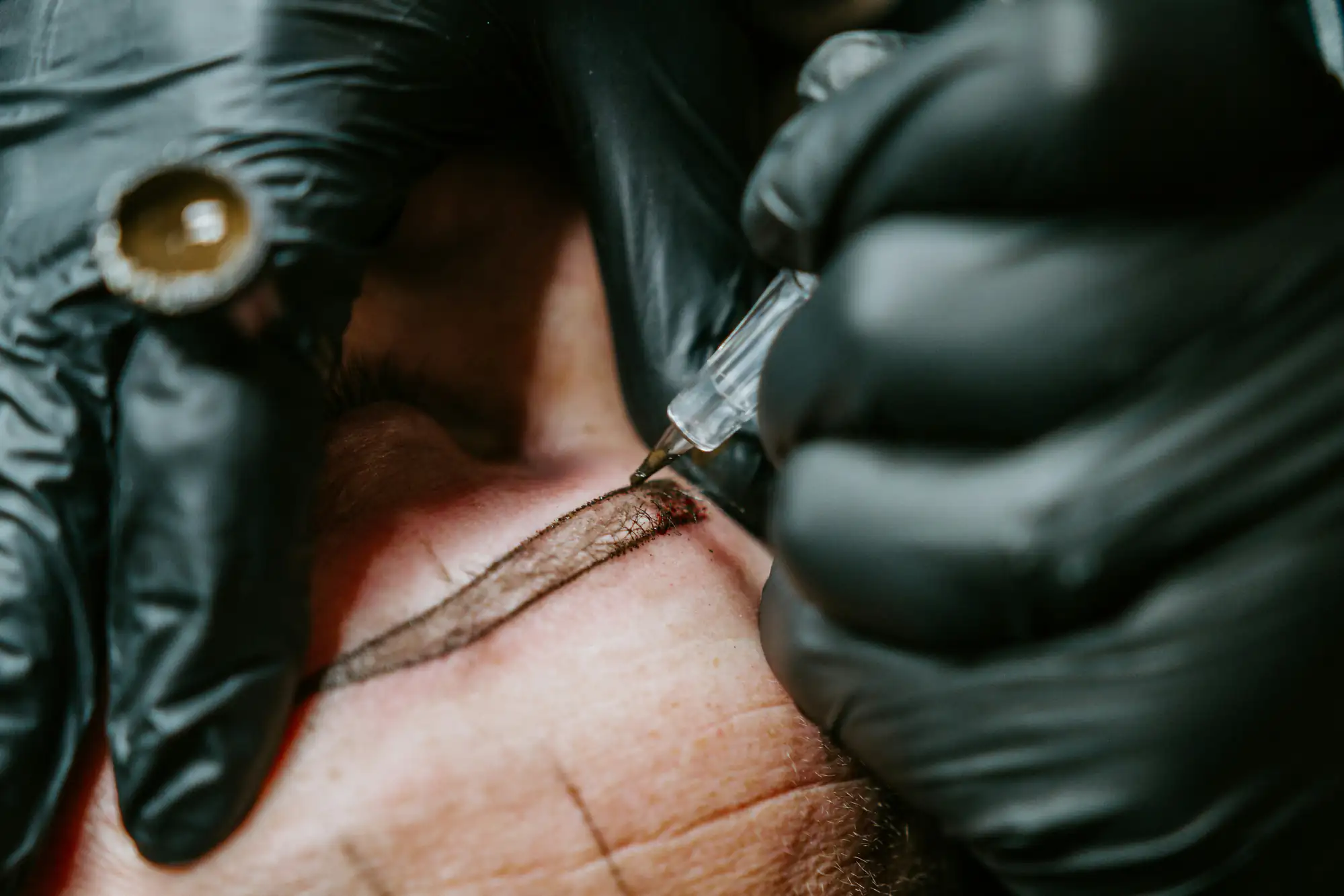
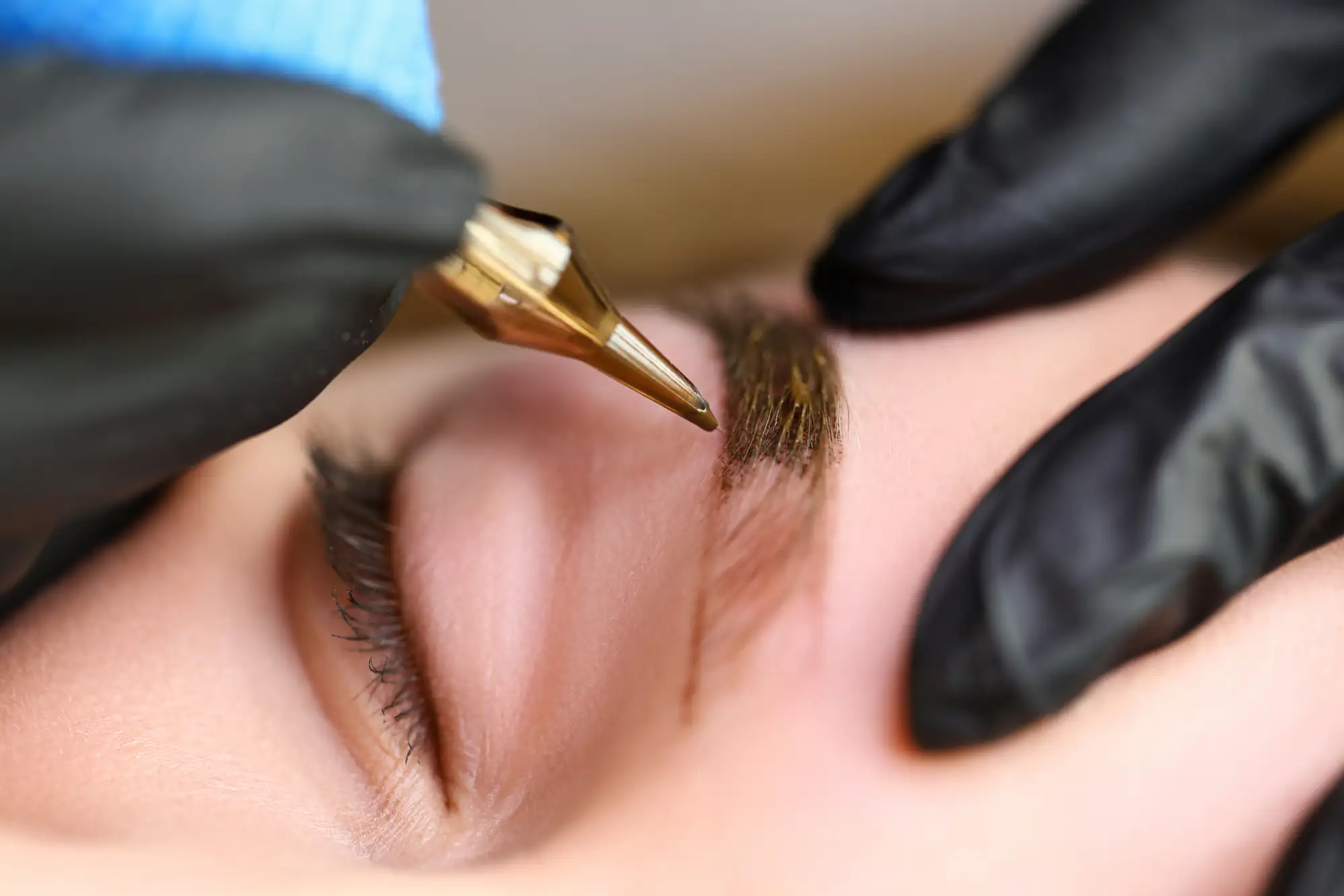
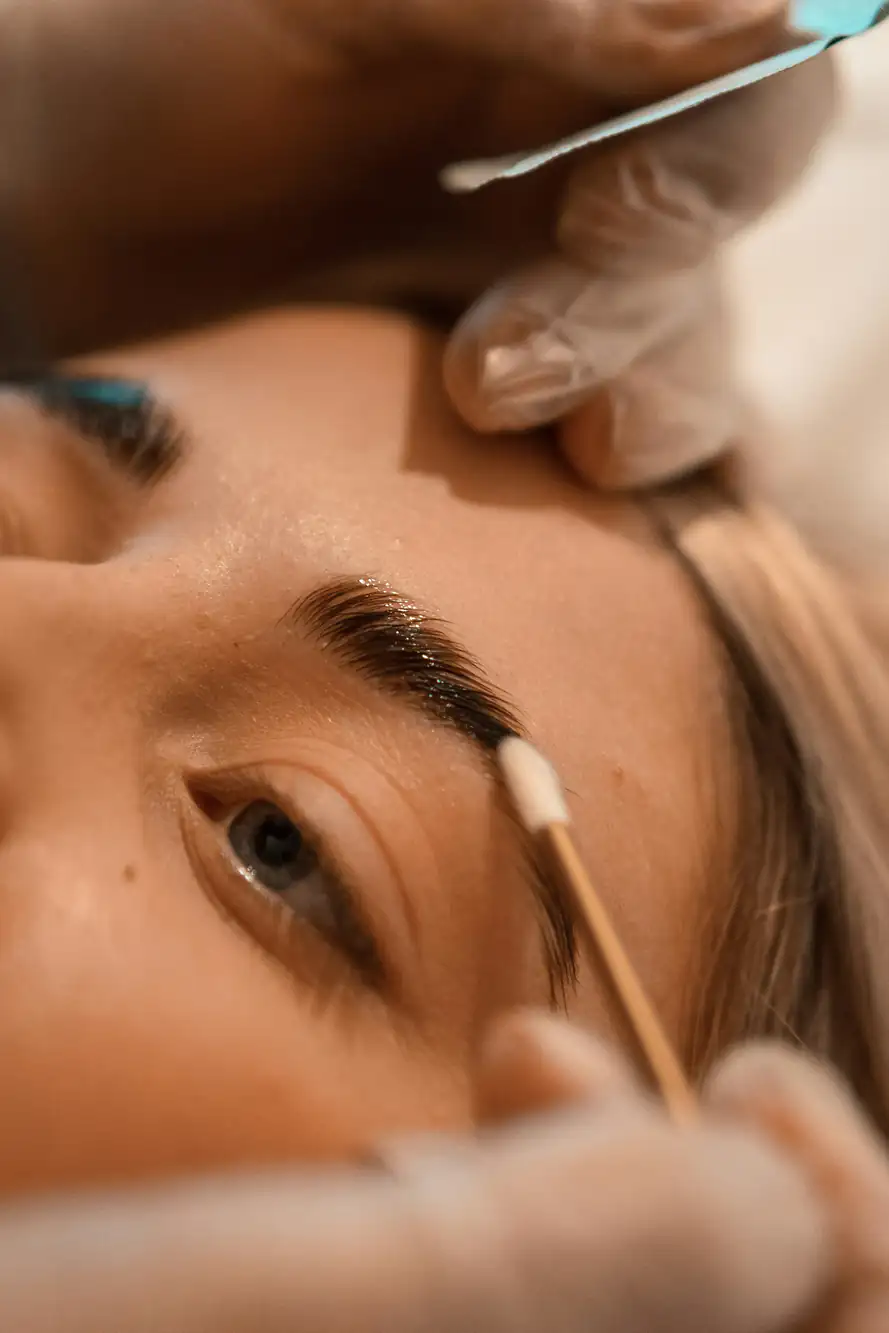
Once the shape is approved, a topical numbing cream is applied. Most people don’t feel much during the procedure. Using a manual microblade tool, fine hair-like strokes are created in the brow area, depositing pigment into the upper layers of your skin. This isn’t a tattoo gun. It’s a precise, controlled technique that mimics real brow hairs.
The whole appointment takes about two hours. You’ll leave with fuller brows that look a little darker than the final result—that’s normal. Over the next week, the color softens and settles into a natural tone that matches your hair and skin.
You’ll come back for a touch-up session about six to eight weeks later. This is when any areas that didn’t retain pigment perfectly get refined. After that, your brows can last anywhere from 12 to 18 months depending on your skin type, sun exposure, and how well you follow aftercare instructions.

Ready to get started?
Microblading isn’t one-size-fits-all. Depending on your skin type and the look you want, there are a few different approaches that work better than others.
Classic microblading uses hair-like strokes and works great for most people. But if you have oily skin, those strokes can blur over time. That’s where nano brows come in. Nano brows use an even finer needle to create ultra-precise strokes that hold up better on oily or mature skin. The results last longer and look just as natural.
Powder brows are another option. Instead of individual strokes, this technique creates a soft, shaded effect—like you filled in your brows with powder. It’s a good fit if you want a bolder look or if your skin doesn’t hold hair strokes well. Some clients combine both techniques for a hybrid brow that has depth and definition.
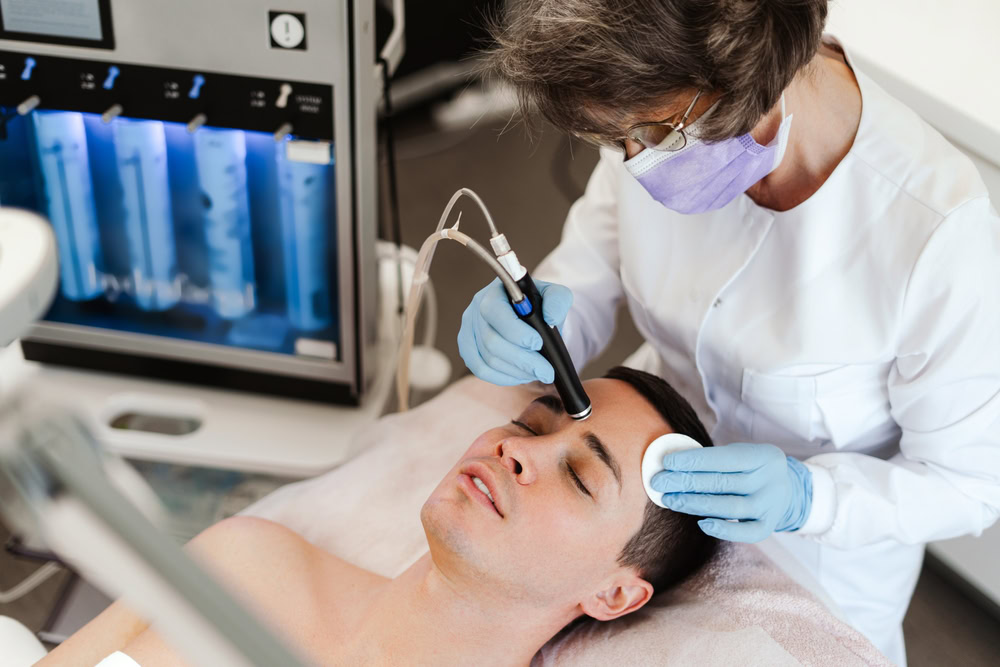
Nashville clients dealing with thinning brows, scarring, or uneven growth often see the most dramatic results. You’re not just filling in gaps—you’re rebuilding the entire brow with a shape that actually fits your face. And because we offer medical-grade skincare treatments alongside permanent makeup services, you’re working with someone who understands skin health, not just cosmetic trends.
Microblading typically starts around $300 and goes up depending on the artist’s experience and the technique used. At Wake Skincare, you’re paying for certified expertise and award-winning precision—not just the procedure itself.
The initial appointment includes consultation, brow mapping, the microblading session, and aftercare instructions. A follow-up touch-up session is usually scheduled six to eight weeks later to perfect the results. That touch-up is often included in the original price or offered at a reduced rate.
When you compare microblading to the cost of brow pencils, powders, gels, and salon visits over the next two years, the investment makes sense. You’re also saving time every single morning. For most people, that’s worth more than the dollar amount.
Most people don’t describe microblading as painful. A topical numbing cream is applied before the procedure, so you might feel some pressure or a scratching sensation, but it’s not sharp pain. Everyone’s pain tolerance is different, but the majority of clients say it’s much easier than they expected.
Healing takes about seven to ten days. During that time, your brows will go through a few phases. They’ll look darker at first, then start to flake and lighten. You can’t pick at them, and you need to keep them dry for the first week—no swimming, heavy sweating, or long showers that steam up your face.
After the initial healing, the color settles into its final tone. You’ll come back for a touch-up around six weeks later to fill in any spots that didn’t retain pigment perfectly. After that second session, your brows are set for the next 12 to 18 months with minimal maintenance.
Microblading and eyebrow tattoos are not the same thing, even though both involve pigment. Microblading uses a manual handheld tool to create fine, hair-like strokes in the upper layers of skin. The pigment is designed to fade naturally over time, so your brows don’t turn blue or look harsh as you age.
Traditional eyebrow tattoos use a machine and deposit ink much deeper into the skin. The results are permanent, and the color often changes over time—turning gray, blue, or green. Tattoo brows also tend to look more solid and less natural because they don’t mimic individual hairs.
In North Carolina, anyone offering microblading is required to have a tattoo license, but that license doesn’t guarantee skill or training. Our founder Jacqueline Grace holds advanced certifications and has won international awards for pigmentation artistry. That’s the difference between someone who’s licensed and someone who’s actually trained to do this right.
Microblading typically lasts between 12 and 18 months. How long your results hold depends on your skin type, lifestyle, and how well you take care of them. Oily skin tends to break down pigment faster. Sun exposure, smoking, and certain medications can also affect retention.
You’ll need a touch-up session about six to eight weeks after your initial appointment. This is normal and expected—it’s when we refine the shape and fill in any areas that didn’t take as well. After that, most people come back once a year for a refresh to keep their brows looking sharp.
Some clients go longer between touch-ups, especially if they have drier skin or stay out of the sun. Others need more frequent maintenance. During your free consultation at Wake Skincare, Jacqueline will give you a realistic idea of what to expect based on your specific skin and lifestyle.
Yes, but it depends on what you’re sensitive to. Microblading pigments are different from traditional tattoo inks and are generally well-tolerated. However, if you have a history of keloid scarring, active skin infections, or certain autoimmune conditions, microblading might not be recommended.
If you’re prone to allergic reactions, let us know during the consultation. A patch test can be done ahead of time to make sure you don’t react to the pigment or numbing cream. It’s also important to mention any medications you’re taking, especially blood thinners or retinoids, as these can affect healing.
We take a medical-grade approach to every treatment. Jacqueline’s background in skincare means she’s not just focused on the cosmetic result—she’s also thinking about how your skin will heal and respond. If microblading isn’t a good fit for you, she’ll tell you upfront and suggest alternatives like powder brows or nano brows that might work better.
The first week after microblading is critical. You need to keep your brows dry, which means no swimming, saunas, heavy workouts, or face-down showers. Water and sweat can interfere with how the pigment sets, and you don’t want to mess up results you just paid for.
Don’t pick or scratch at your brows, even when they start to flake. Let the healing process happen naturally. You’ll also want to avoid makeup, skincare products, and sunscreen directly on the brow area until you’re fully healed. After the first week, you can ease back into your normal routine, but sun protection is important long-term to keep the pigment from fading too fast.
You’ll get detailed aftercare instructions from us after your appointment, including recommended products to use during healing. Following those instructions makes a huge difference in how well your brows turn out and how long they last. Most issues people have with microblading come down to not following aftercare—not the procedure itself.