Hear from Our Customers
You’re spending 10, maybe 15 minutes every morning trying to get your brows even. One’s thinner than the other. The shape isn’t quite right. By midday, they’ve faded or smudged.
Microblading changes that. You get hair-like strokes that blend with your natural brows, shaped specifically for your face. The results last 12 to 18 months, which means over a year of waking up ready to go.
Most clients notice the biggest difference in their morning routine. No pencils, no powders, no second-guessing in the mirror. Just consistent, natural-looking brows that hold up through workouts, humidity, and long days. That’s the point—less time maintaining, more confidence throughout your day.
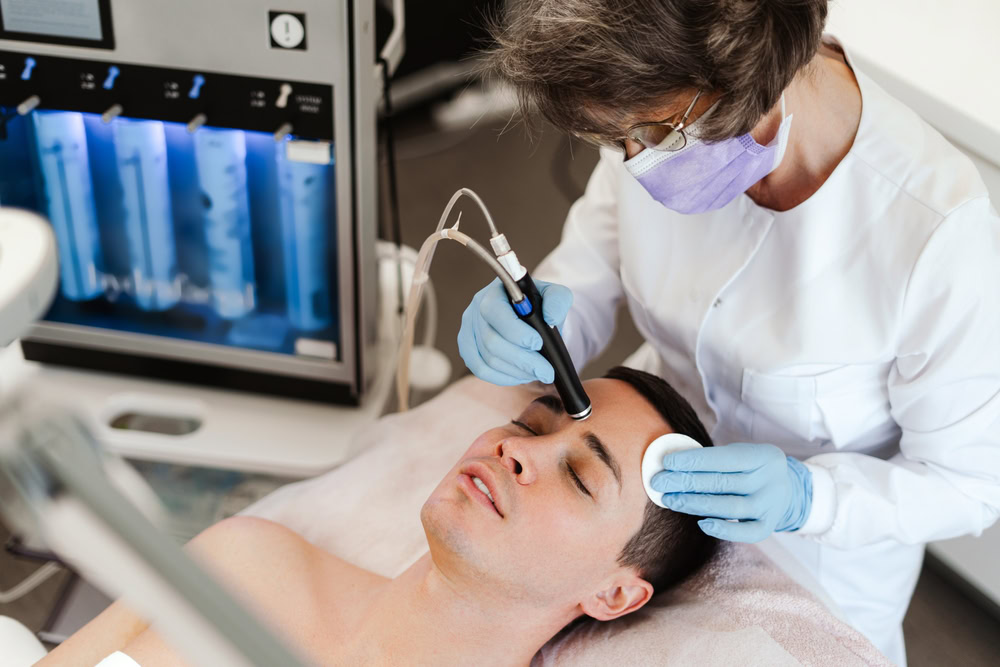
We’re run by Jacqueline Grace, a licensed esthetician who’s been named Best Esthetician in Wake County three years running. She’s also placed first internationally in pigmentation artistry at The Skin Games and holds HydraFacial Master Certification—a distinction given to fewer than 100 practitioners worldwide.
We opened in Wake Forest just before COVID and have been serving clients across Pine Level, Raleigh, Zebulon, Wendell, and surrounding areas ever since. Every treatment starts with a free consultation where you talk through your goals, face shape, skin type, and lifestyle.
Pine Level clients appreciate the personalized approach. You’re not getting a cookie-cutter brow shape. You’re getting a custom design that works with your features and fits how you actually live.
Your first step is a consultation. You’ll discuss what you want your brows to look like, and Jacqueline will assess your natural brow shape, skin tone, and facial structure. This is where the design gets mapped out.
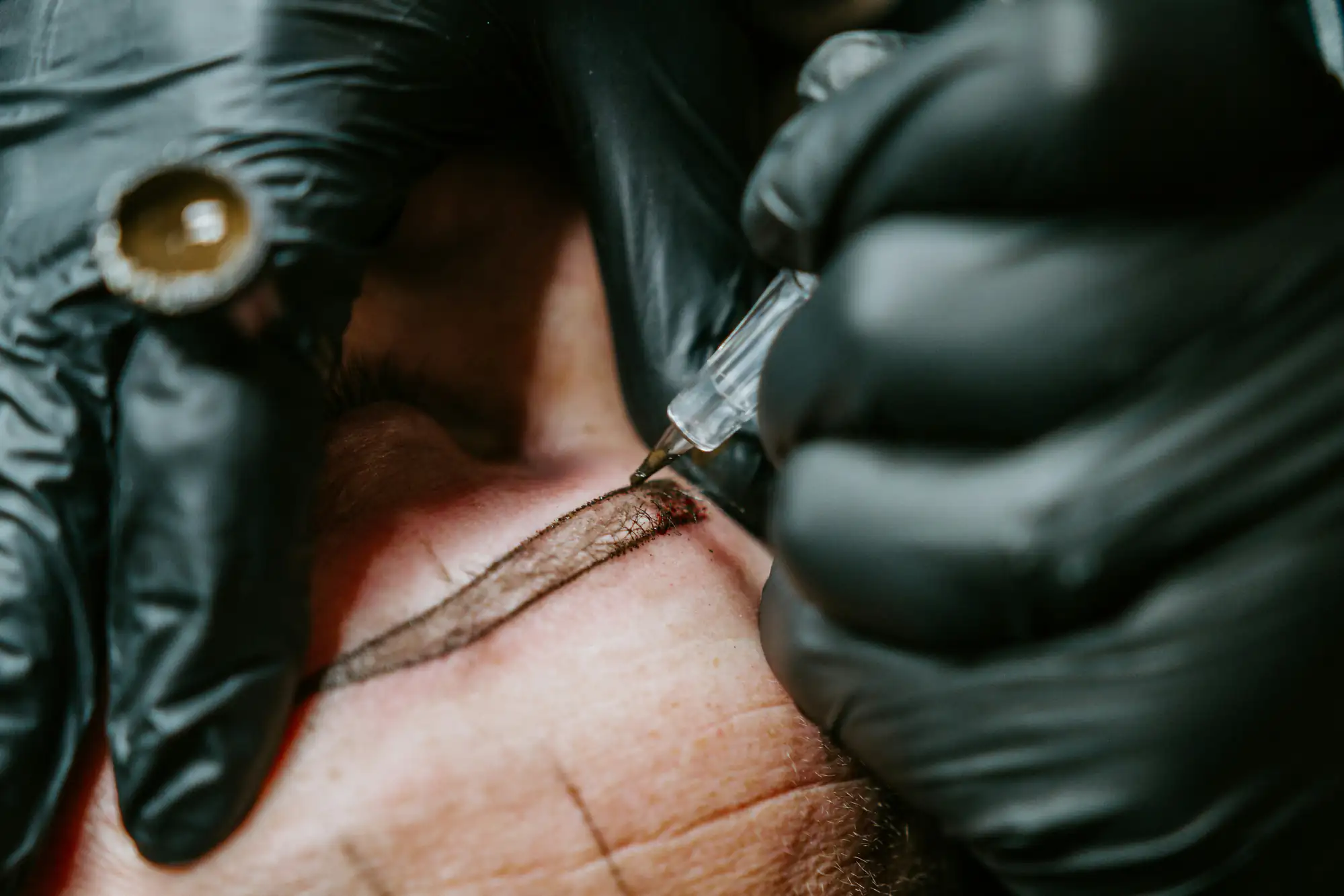
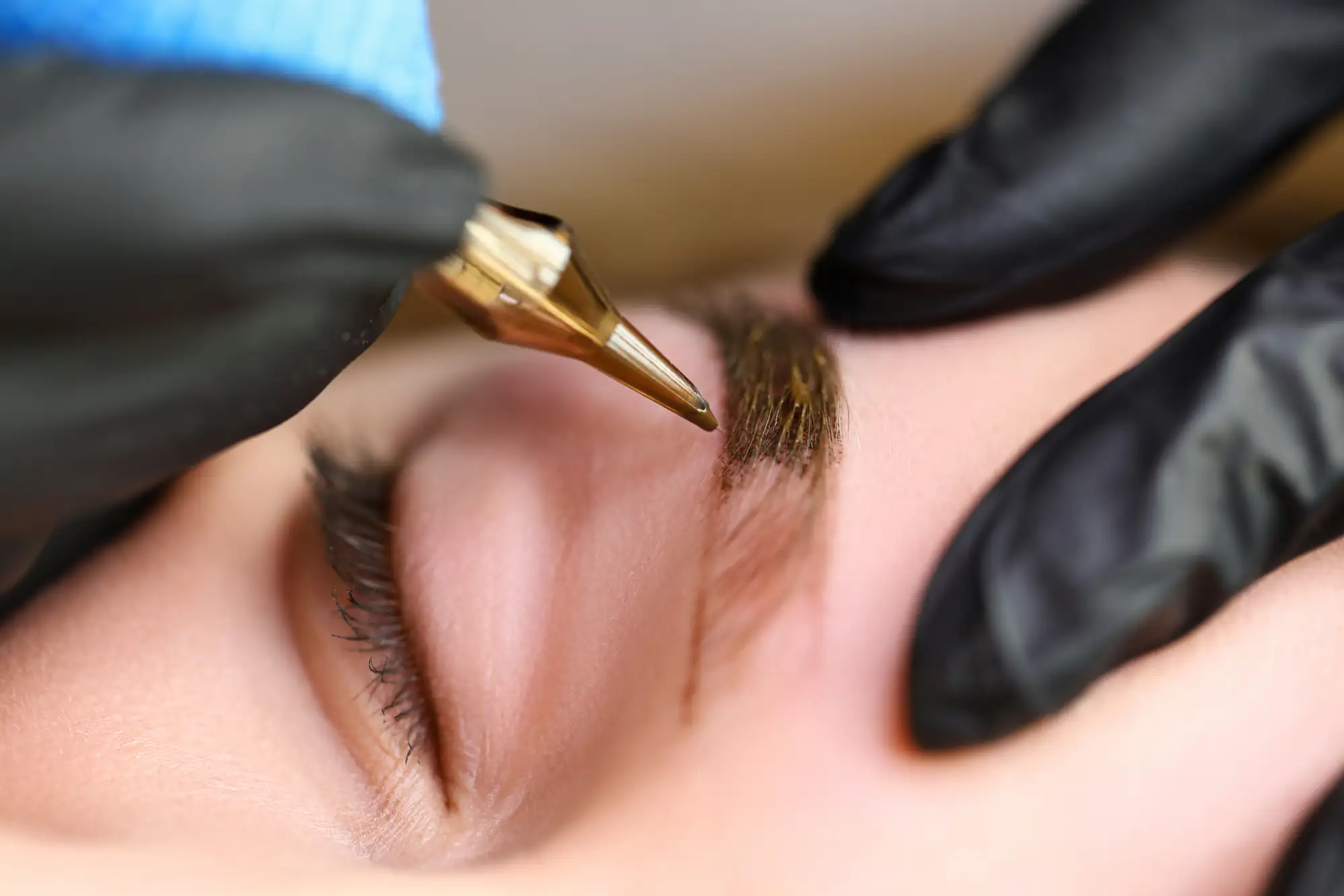
On the day of your appointment, a topical numbing cream is applied to minimize discomfort. Then, using a handheld tool with ultra-fine needles, pigment is deposited into the skin in small, hair-like strokes. The process typically takes about two hours.
You’ll leave with darker brows than the final result—that’s normal. Over the next week, the color softens as your skin heals. A follow-up appointment around six weeks later allows for any adjustments and ensures the pigment has settled evenly. After that, you’re set for over a year before needing a touch-up.
Most people describe the discomfort as mild to moderate—not painless, but manageable. The numbing cream helps. What you get in return is a daily convenience that adds up fast.

Ready to get started?
Microblading isn’t one-size-fits-all. Depending on your brow goals and skin type, you might be a better fit for nano brows, powder brows, or a combination approach.
Nano brows use a digital machine for even finer, more precise strokes—ideal if you have oily skin or want an ultra-natural look. Powder brows create a soft, filled-in effect similar to makeup, giving you a bolder, more defined shape. Some clients combine both techniques for texture and depth.
In Pine Level and the surrounding Johnston County area, clients often come in dealing with over-plucked brows from the ’90s or thinning due to age. The good news is that microblading works for sparse brows, uneven growth, and even areas with little to no hair. You’re not covering up—you’re rebuilding a natural-looking shape that complements your face.
During your consultation, you’ll go over which method makes the most sense based on your skin, your lifestyle, and how bold or subtle you want the final result to be.
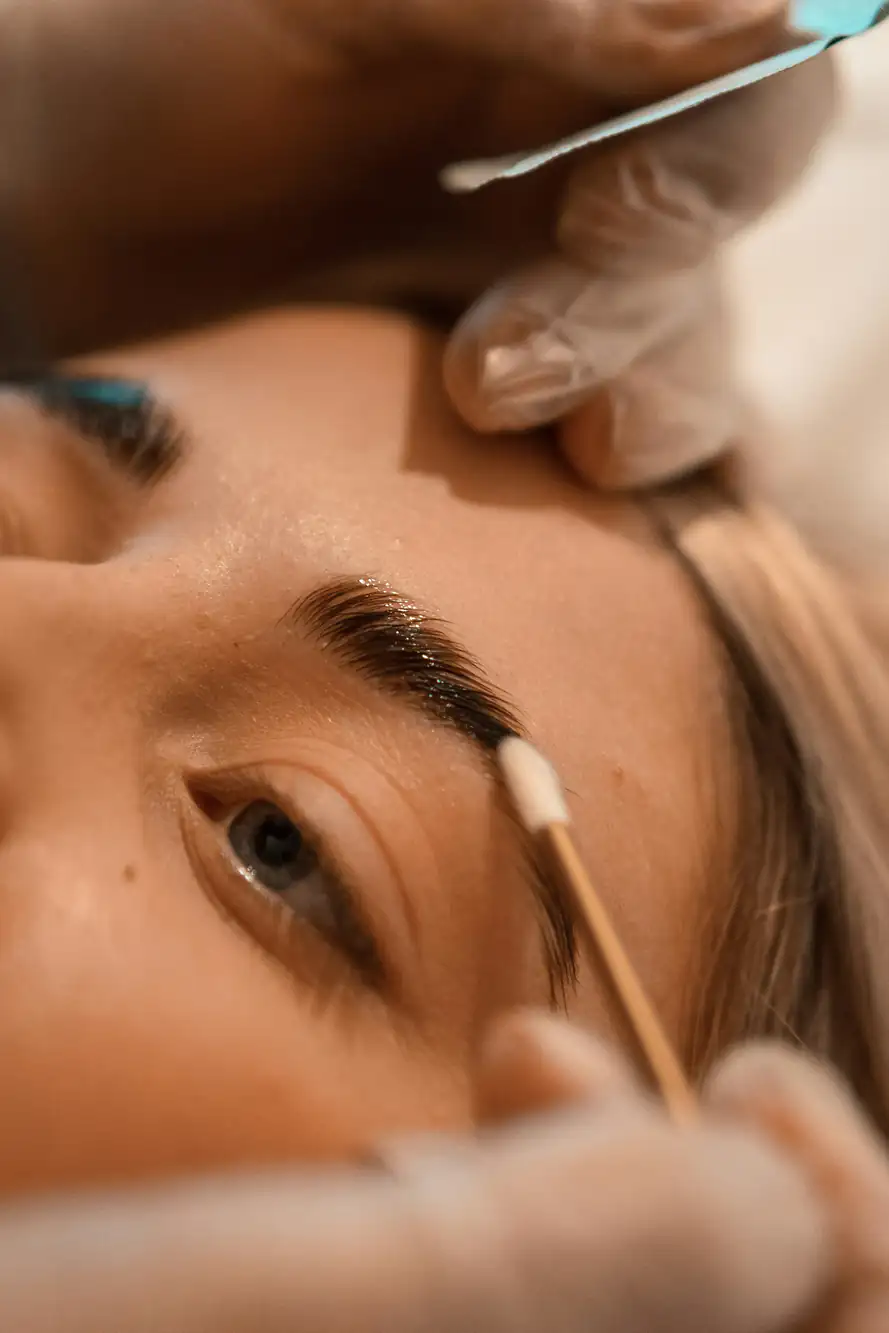
Microblading typically lasts between 12 and 18 months, depending on your skin type, lifestyle, and how well you follow aftercare instructions. Oily skin tends to break down pigment faster, so you might be closer to the 12-month mark. Drier skin types often see results last longer.
Sun exposure, skincare products with retinol or acids, and how often you exfoliate can all affect longevity. If you’re someone who’s outdoors a lot or uses active ingredients in your routine, expect to book a refresh sooner.
After the initial appointment and six-week touch-up, most clients come back once a year to maintain the shape and color. That annual visit keeps your brows looking fresh without starting over from scratch.
Most clients rate the discomfort around a 5 out of 10—noticeable, but not unbearable. A topical numbing cream is applied before the procedure, which takes the edge off significantly.
The sensation is often described as light scratching or pressure. It’s not a deep pain, more of a surface-level irritation. Some areas of the brow are more sensitive than others, especially near the inner corners or tail.
If you’ve had your eyebrows waxed or threaded, the discomfort is comparable. It’s temporary, and the numbing cream does most of the heavy lifting. The two-hour appointment goes by faster than you’d think, and the payoff is worth the brief discomfort for most people.
Microblading is semi-permanent, while traditional eyebrow tattoos are permanent. Microblading uses a manual handheld tool to create hair-like strokes in the upper layers of the skin. Tattoos use a machine that deposits ink much deeper, which is why they don’t fade the same way.
The pigments are also different. Microblading pigment is designed to fade naturally over time and match your skin tone. Tattoo ink can turn blue, green, or gray as it ages, which is why older permanent eyebrows often look unnatural.
Because microblading is semi-permanent, you have flexibility. If your face changes, your style changes, or brow trends shift, you’re not locked into one look forever. You can adjust the shape or let it fade completely if you choose.
Yes. Microblading works especially well for sparse, thinning, or over-plucked brows. The technique is designed to fill in gaps and create the appearance of natural hair where there isn’t much growth.
If you’ve lost brow hair due to aging, medical conditions, or years of over-tweezing, microblading can rebuild a fuller shape. The hair-like strokes blend with whatever natural hair you have left, so the result looks seamless.
During your consultation, the shape and density will be customized based on how much natural hair you’re working with. Even if your brows are very thin, microblading can create a believable, natural-looking result that doesn’t look drawn on or fake.
Microblading typically ranges from $400 to $800 depending on the provider’s experience, location, and whether a touch-up is included. At Wake Skincare, you’re paying for award-winning expertise, a personalized consultation, and a process backed by medical-grade standards.
When you break it down, you’re looking at about $30 to $50 per month over the course of a year. Compare that to the cost of brow pencils, powders, gels, and the time you spend applying them daily. For most clients, the convenience alone justifies the cost.
You’re also investing in consistency. Your brows look the same every day—no more uneven mornings or touch-ups throughout the day. If you value your time and want to simplify your routine, microblading pays for itself pretty quickly.
For the first 10 days, avoid getting your brows wet as much as possible. That means no long showers, swimming, saunas, or heavy sweating. Water can interfere with how the pigment sets and affect your final results.
You’ll also want to skip makeup, skincare products, and touching the area. No picking or scratching, even if it itches during the healing process. Let any scabbing fall off naturally.
After the initial healing period, avoid retinol, glycolic acid, and exfoliating treatments directly on or near your brows. These products speed up skin cell turnover, which can cause the pigment to fade faster. Sun exposure should also be minimized—or at least protected with sunscreen—to keep the color from lightening prematurely.