Hear from Our Customers
You wake up with brows already done. No filling in sparse spots. No worrying if they’re even. No smudging by noon.
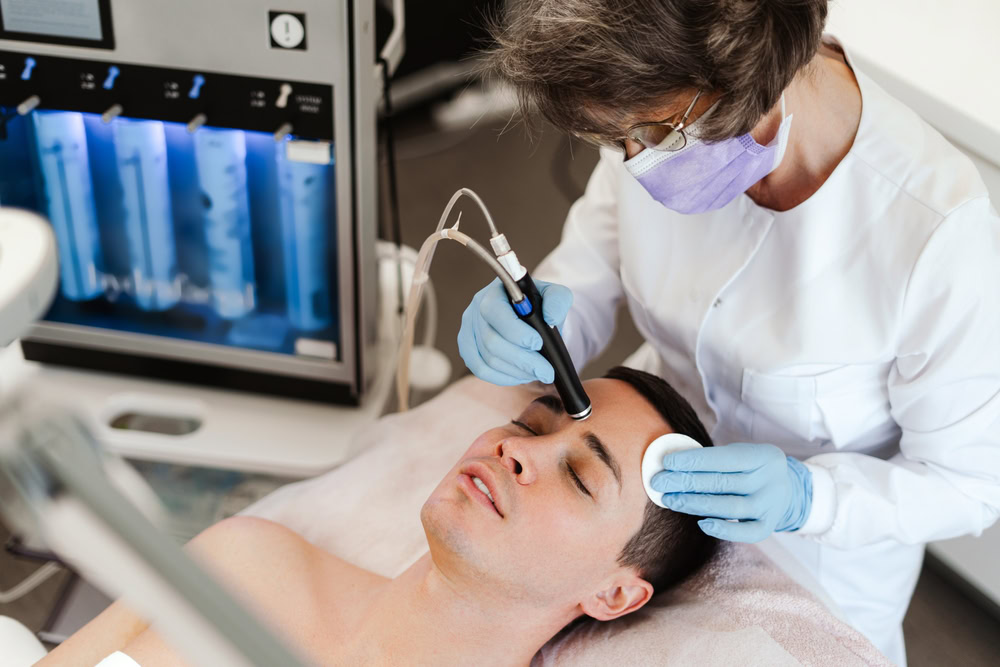
Microblading creates individual hair strokes using a fine blade and pigment that matches your natural color. The result looks like your real brows, just fuller and more defined. Most people can’t tell you’ve had work done unless you tell them.
The effects last between 12 and 18 months depending on your skin type and lifestyle. You’ll come back for a touch-up around six weeks after your first session, then maybe once a year after that. That’s it. Everything in between is just living your life without thinking about your eyebrows every morning.
If you’ve over-plucked, lost brow hair from medical treatments, or just want a better shape without the daily effort, this is what microblading does. It gives you back time and takes away the guesswork.
Wake Skincare is run by Jacqueline Grace, a licensed esthetician who’s won first place internationally for pigment artistry at The Skin Games. She’s also been named Best Esthetician in Wake County three years running and holds HydraFacial Master Certification, putting her among the top practitioners worldwide.
That matters because in North Carolina, all you need to offer microblading is a tattoo permit. No required training. No skill verification. Jacqueline didn’t just meet the minimum—she’s competed against the best and won.
She’s been serving clients across Raleigh, Wake Forest, Cary, Durham, and the surrounding Wake County area for years. Every consultation is free and one-on-one. You’ll talk through shape, color, and what you’re actually trying to fix before any work starts.
You start with a free consultation. Jacqueline maps out your brow shape based on your bone structure and facial proportions, then picks a pigment color that matches your natural hair. You’ll see the design before anything is permanent.
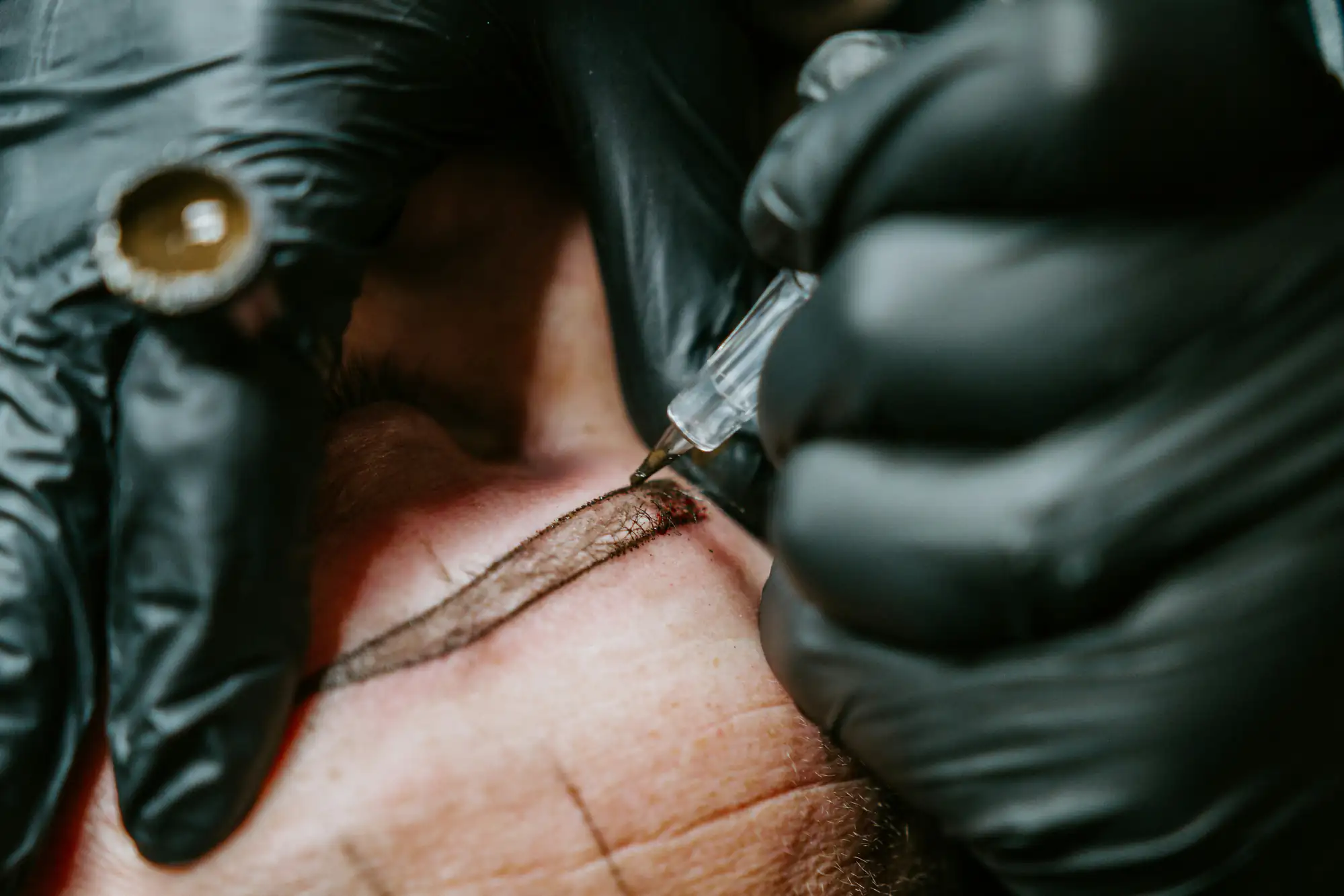
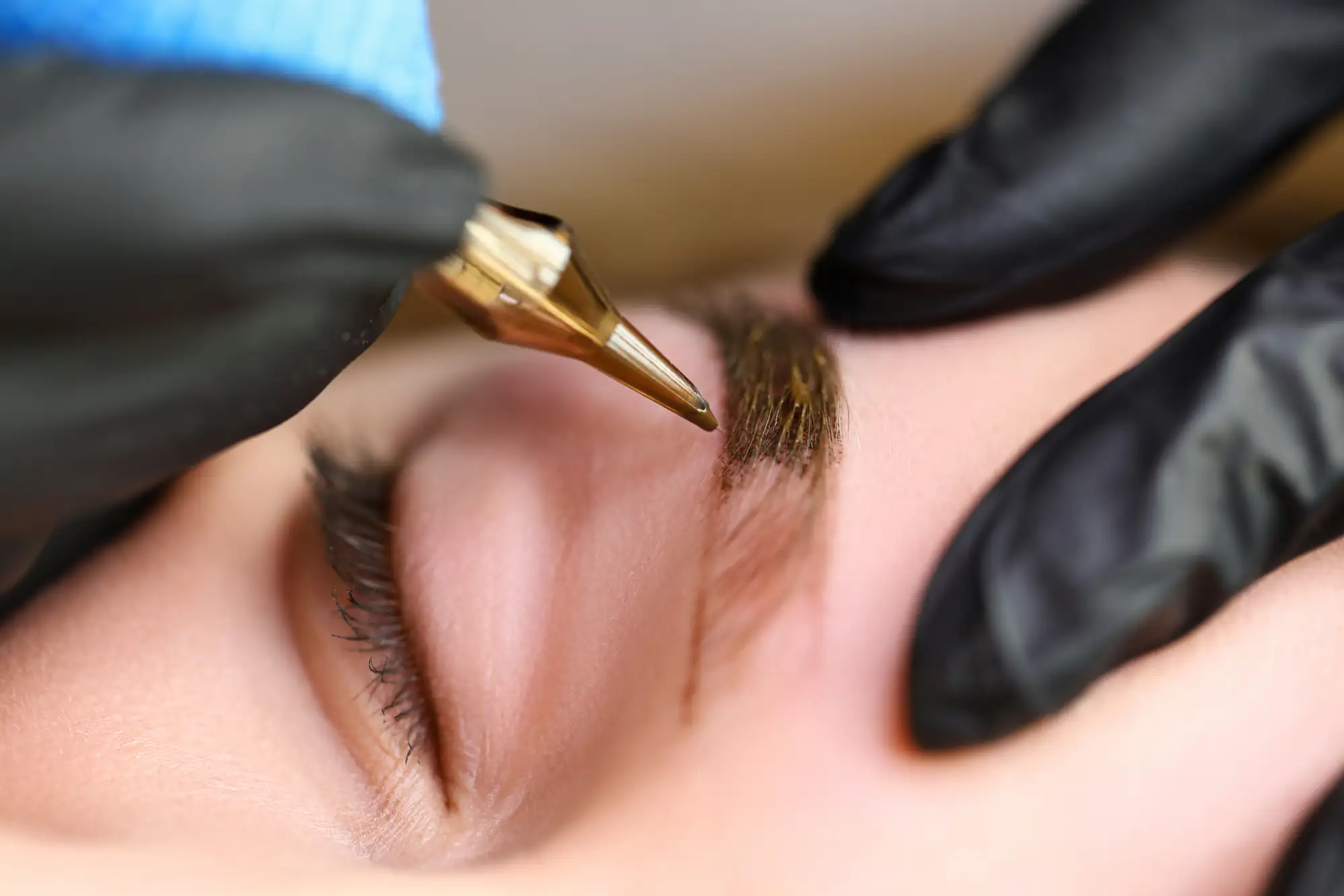
During the procedure, a topical numbing agent keeps you comfortable. Most people describe the sensation as light pressure, not pain. Jacqueline uses a manual blade to create fine, hair-like strokes in the upper layers of your skin, depositing pigment that mimics real brow hairs. The whole appointment takes about two hours.
Your brows will look darker for the first week, then lighten as they heal. You’ll see some flaking and peeling, which is normal. After about six weeks, you’ll come back for a touch-up to fill in any spots that didn’t hold pigment as well. That’s when the final result sets in.
From there, you’re done. No daily maintenance. Just brows that look natural and stay put through workouts, showers, and everything else you do.

Ready to get started?
Microblading works for most people, but it’s not the only option. If you have oily skin, microblading strokes can blur over time. That’s where nano brows come in—they use a machine instead of a manual blade to create ultra-fine strokes that hold better on oily or mature skin.
Powder brows are another alternative. Instead of individual hair strokes, this technique creates a soft, shaded look similar to filled-in brows with makeup. It’s a good fit if you want more definition or if you already have some natural brow hair and just want to add fullness.
In Raleigh and across the Triangle, more people are looking into semi-permanent eyebrow options because the results last longer than daily makeup but aren’t as permanent as traditional tattooed eyebrows. The demand for eyebrow microblading near me and related searches has gone up over 20% in the past year, and it’s not hard to see why. You get the look you want without the daily effort.
We offer all three techniques—microblading, nano brows, and powder brows—so you’re not locked into one method. Jacqueline will recommend what works best for your skin type, lifestyle, and the look you’re going for.
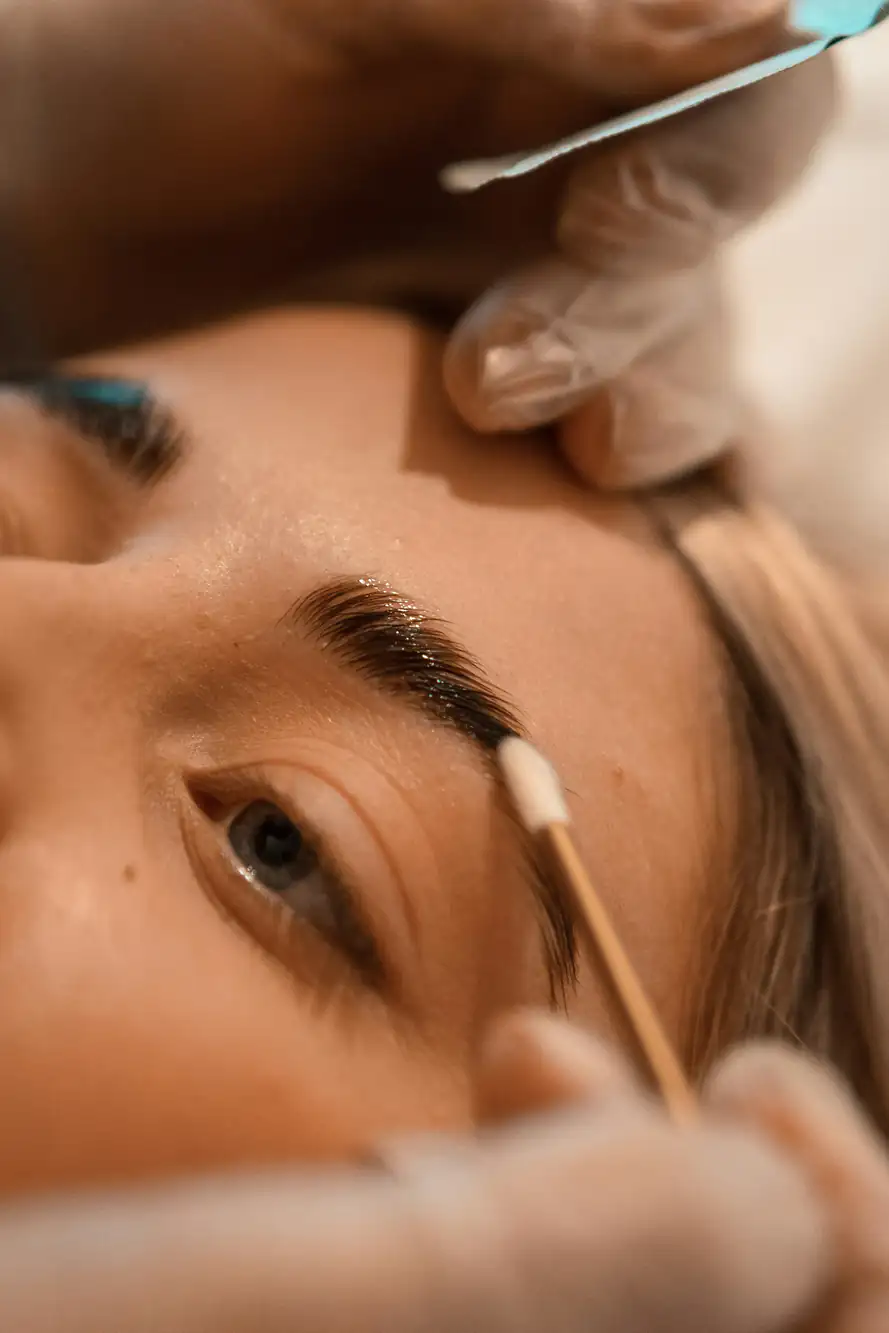
Most people don’t find microblading painful. A topical numbing cream is applied before the procedure starts, so what you feel is more like light scratching or pressure. Some areas of the brow might be more sensitive than others, but it’s not the kind of discomfort that makes people stop mid-session.
The entire appointment takes about two hours. That includes time for numbing, mapping out your brow shape, choosing the right pigment color, and doing the actual microblading. You’re not rushing in and out—there’s time to make sure everything looks right before it’s permanent.
After the procedure, there’s no downtime. You can go back to work or your normal routine right away. Your brows will look darker and more dramatic for the first few days, then they’ll lighten and settle into the final result as they heal.
Microblading typically lasts between 12 and 18 months. How long it lasts for you depends on your skin type, how oily your skin is, and how much sun exposure your face gets. Oily skin tends to break down pigment faster, so you might need touch-ups closer to the 12-month mark.
You’ll come back for your first touch-up about six weeks after the initial session. This isn’t optional—it’s part of the process. The first session creates the shape and deposits the pigment, but not all of it will hold evenly as your skin heals. The touch-up fills in any gaps and makes sure the color is consistent.
After that, most people come back once a year to keep their brows looking fresh. Some wait longer. It’s not like the pigment disappears overnight—it fades gradually, so you’ll know when it’s time.
Microblading is semi-permanent. The pigment is deposited into the upper layers of your skin using a manual blade, and it fades over time. Tattooed eyebrows are permanent. They use a machine to go deeper into the skin, and the pigment doesn’t fade the same way—it can turn blue or gray as it ages.
Microblading also creates individual hair strokes that look natural. Traditional eyebrow tattoos often result in a solid, filled-in look that doesn’t mimic real hair. That’s why microblading has become the preferred option for people who want brows that look like brows, not makeup.
The semi-permanent nature of microblading is actually a benefit. Your face changes over time—your brow shape preferences might change, your natural hair color might change, and trends definitely change. Microblading lets you adjust as you go instead of being locked into one look forever.
Sensitive skin usually isn’t a problem for microblading. The numbing cream helps, and most people with sensitive skin tolerate the procedure just fine. You might experience a little more redness or tenderness during the healing process, but that’s temporary.
Oily skin is a different consideration. Microblading can work on oily skin, but the strokes may not hold as sharply or last as long because oil breaks down the pigment faster. If you have very oily skin, nano brows or powder brows might be a better option. Nano brows use a machine to create finer strokes that hold better, and powder brows create a shaded effect that works well on oily skin types.
During your free consultation, we’ll look at your skin type and recommend the technique that’s going to give you the best results. You’re not paying for something that won’t work for you—that’s the whole point of the consultation.
For the first week, keep your brows dry. That means no sweating, no swimming, no long showers where water is running over your face. Moisture can interfere with how the pigment sets, so you want to keep the area as dry as possible while it heals.
Don’t pick at the scabs or flaking skin. Your brows will peel as they heal, and it’s tempting to help the process along, but picking can pull out pigment and leave gaps. Let it happen on its own.
Avoid sun exposure and tanning beds for at least two weeks. UV light can fade the pigment before it’s fully set. If you’re outside, wear a hat. After your brows are healed, sunscreen will help them last longer, but don’t apply it during the first week while the skin is still healing.
In North Carolina, the only legal requirement to offer microblading is a tattoo permit. There’s no mandated training, no certification process, and no standard for skill level. That means the person doing your brows could have years of experience and international awards, or they could have taken a weekend course and started advertising on Instagram.
Look for someone with actual credentials. Certifications, competition placements, and client reviews all matter. Ask to see healed results, not just fresh work—healed brows show you what the pigment actually looks like after six weeks, which is what you’ll be living with.
Our founder, Jacqueline Grace, has won first place internationally for pigment artistry and has been named Best Esthetician in Wake County three years in a row. We offer free consultations where you can see her portfolio, ask questions, and make sure you’re comfortable before committing. That’s the level of transparency you should expect from anyone you’re trusting with your face.