Hear from Our Customers
You get your mornings back. That’s the real benefit here.
Microblading creates hair-like strokes that look like your actual brows, not drawn-on makeup. The pigment sits in the upper dermal layer of your skin, so it doesn’t blur or fade into that weird blue-gray color you’ve seen on bad brow tattoos. You’re looking at results that last 12 to 18 months, depending on your skin type and how you care for them.
The process takes about two hours for your first appointment. You’ll come back 6-8 weeks later for a touch-up to perfect the shape and fill in any spots that didn’t take as well. After that, you’re done until you need a refresh.
What changes is how you feel when you look in the mirror. You stop worrying about whether your brows look even. You stop avoiding the pool or the gym because you’re scared of sweating them off. You just have brows that frame your face the way they’re supposed to.
We’re based in Wake Forest and serve clients throughout Wake County, including Rolesville, Raleigh, Knightdale, Wendell, and Zebulon. Jacqueline Grace, our founder and licensed esthetician, has been named Best Esthetician in Wake County three years running. She’s also taken first place internationally as Pigmentation Artist of the Year at The Skin Games.
That’s not bragging. That’s proof she knows what she’s doing. Microblading isn’t something you want to trust to someone who took a weekend course and bought a kit online. You’re letting someone put pigment into your face with a blade. Certification, training, and a portfolio that backs it up matter.
Rolesville clients come to us because they want natural results from someone who’s done this hundreds of times. You get a free consultation before anything happens, so you can ask questions, see the process, and make sure it’s the right fit.
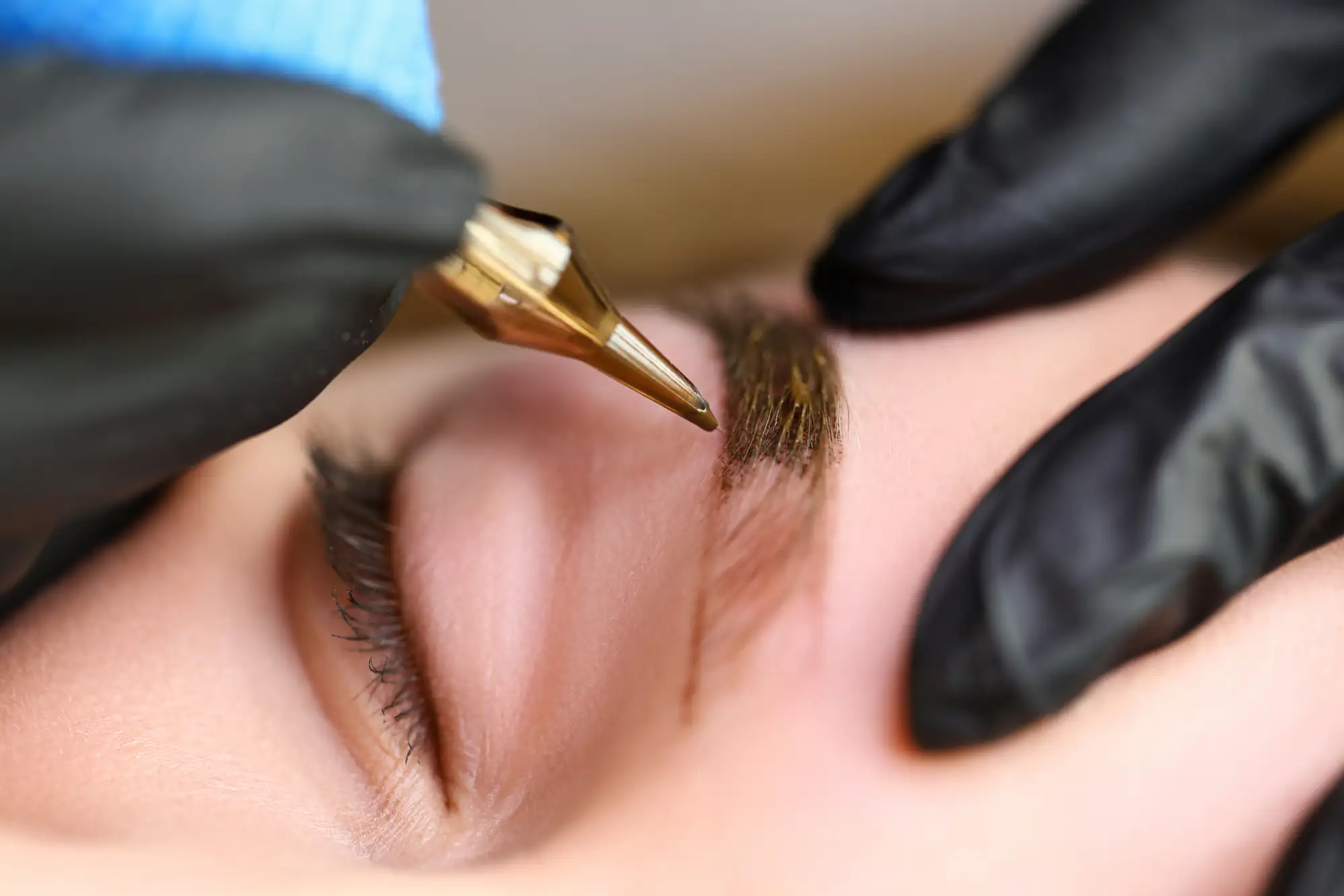
First, you sit down for a consultation. Jacqueline maps out your brows based on your bone structure, face shape, and what you’re hoping to achieve. This isn’t a one-size-fits-all stencil. She’s measuring, marking, and adjusting until the shape works for you.
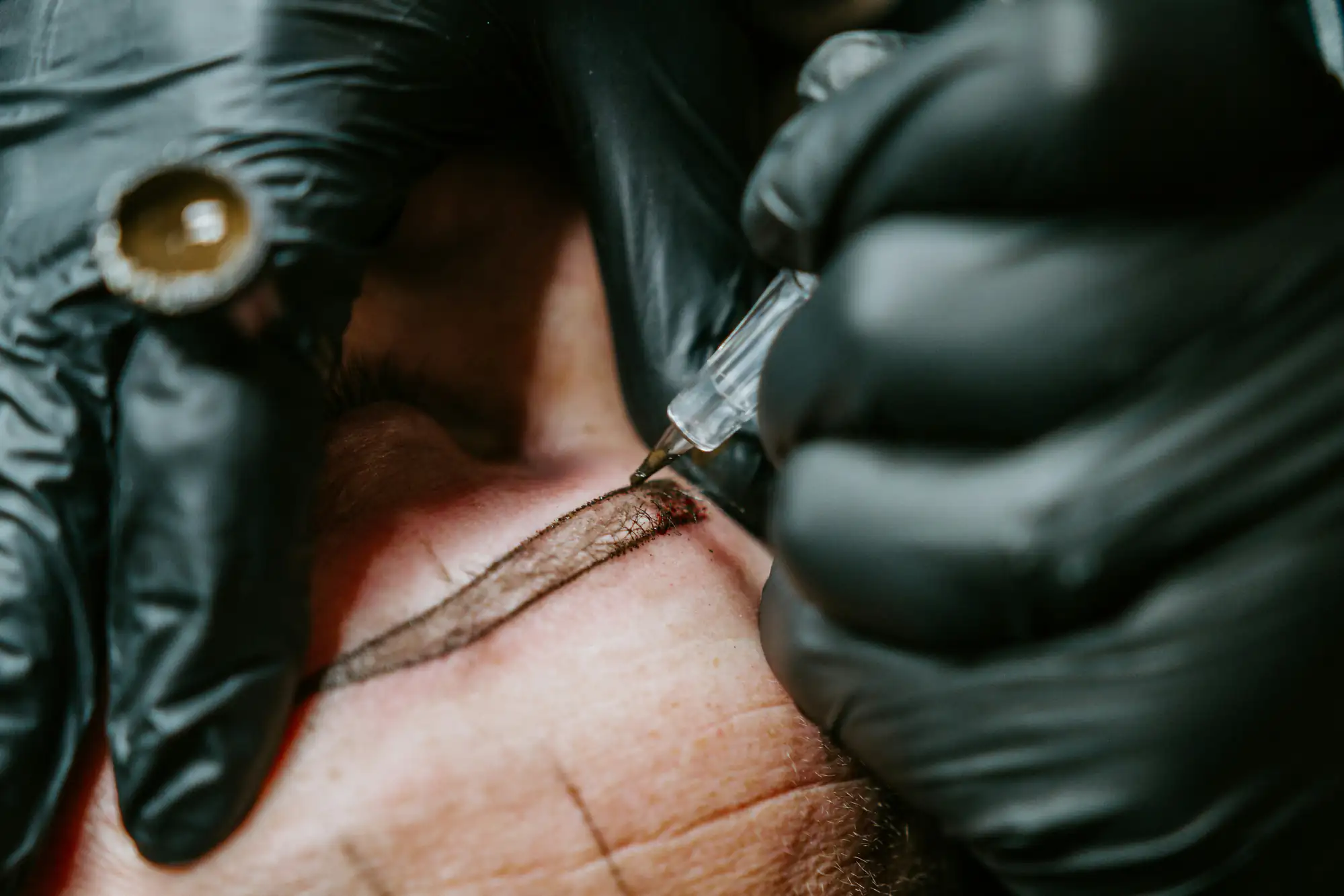
Once you approve the shape, a topical numbing cream goes on. You’ll feel some pressure during the procedure, but most people don’t describe it as painful. The blade creates fine, shallow cuts in the skin, and pigment gets deposited into each stroke. The whole process takes about two hours.
Your brows will look darker right after the appointment. That’s normal. Over the next 7-10 days, they’ll scab lightly and the color will soften by about 30-40%. You’ll come back 6-8 weeks later for a touch-up session to refine the shape and add density where needed.
After that, you’re set. No daily filling in. No smudging. Just brows that look like brows.

Ready to get started?
Your microblading service includes the initial consultation, the full procedure, numbing cream, aftercare instructions, and a follow-up touch-up session 6-8 weeks later. You’re not paying extra for the touch-up. It’s part of the process.
Microblading works for most people, but it’s not ideal for everyone. If you have very oily skin, the strokes may blur faster. If that’s the case, powder brows or nano brows might be a better option. Those techniques use a machine instead of a blade and tend to hold up better on oily skin types.
Rolesville is about 15 minutes from Wake Forest, and parking is easy when you come in for your appointment. Most clients book on a weekday morning or early afternoon so they’re not rushing. You’ll want to avoid heavy sweating, swimming, or sun exposure for about 10 days after the procedure while your skin heals.
The pigment is semi-permanent, not permanent. That’s a good thing. Your face changes over time, and so do trends. You’re not locked into the same brow shape for the rest of your life. You’ll need a refresh every 12-18 months to keep them looking sharp, but that also gives you the flexibility to adjust if you want to.
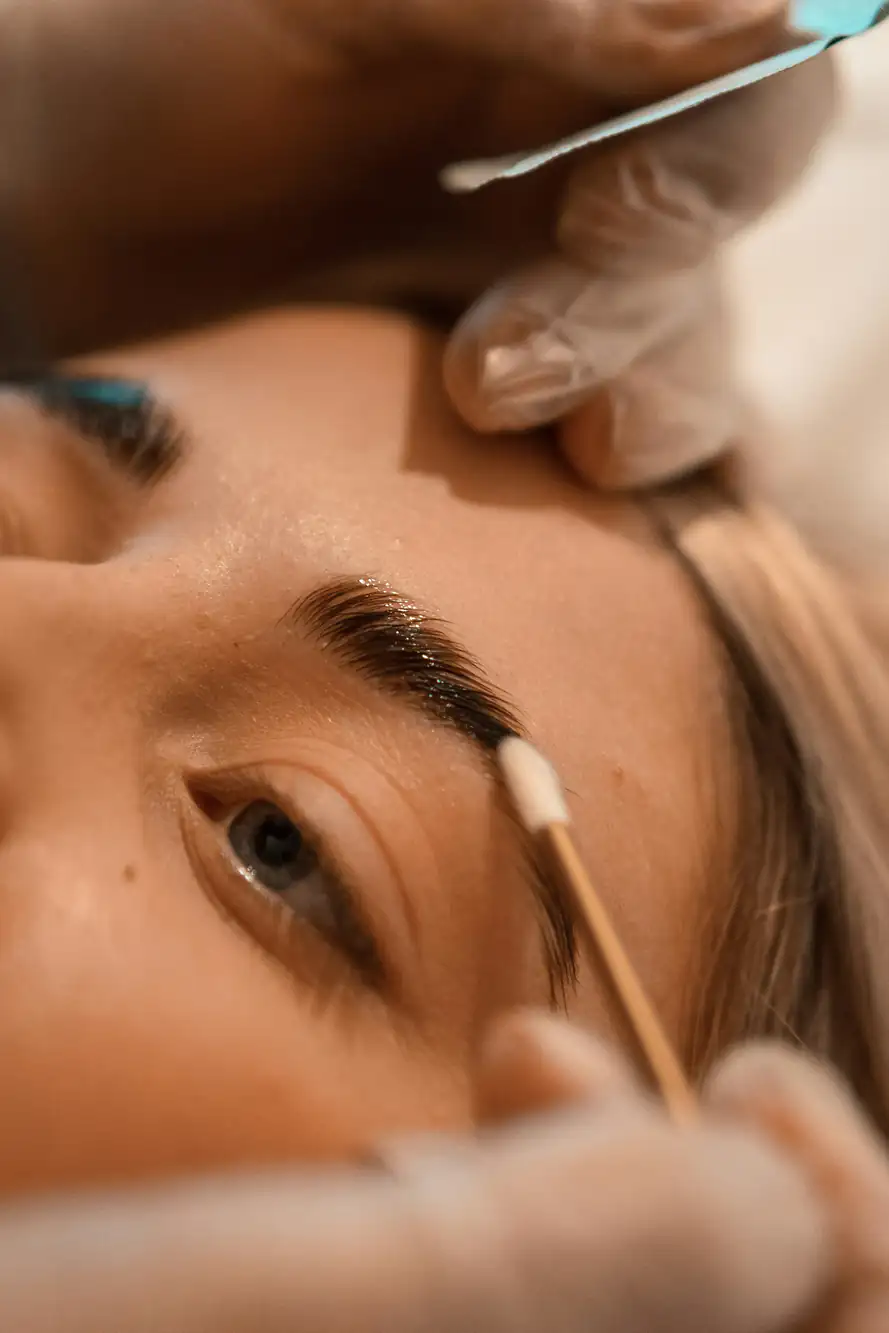
Most people say it feels like light scratching or pressure, not sharp pain. A topical numbing cream is applied before the procedure starts, and it takes about 20-30 minutes to fully kick in.
You’ll feel the blade moving across your skin, but it’s not the kind of pain that makes you want to stop. Some areas of the brow are more sensitive than others, especially near the tail or arch. If you’ve ever had your eyebrows threaded or waxed, this is less intense than that.
Pain tolerance varies. Some clients sit through the whole thing without flinching. Others feel more discomfort, especially if they’re anxious going in. If you’re nervous, let Jacqueline know. She can reapply numbing cream or take breaks as needed. The goal is to keep you comfortable enough that you’re not tensing up the whole time.
Microblading typically lasts 12 to 18 months before you’ll want a refresh. How long yours lasts depends on your skin type, lifestyle, and how well you follow aftercare instructions.
Oily skin breaks down pigment faster because the natural oils push the ink out over time. If you have oily skin, expect to be on the shorter end of that range. Dry or normal skin tends to hold pigment longer. Sun exposure also fades the color, so if you’re outside a lot without sunscreen, your brows will lighten faster.
The pigment doesn’t disappear overnight. It fades gradually, so you’ll notice the color softening and the strokes becoming less defined. Most clients come back for a refresh around the 12-month mark to keep them looking crisp. That refresh appointment is quicker than the original session and costs less because we’re just adding pigment back in, not redoing the whole shape.
Microblading uses a manual blade to create individual hair-like strokes. It’s the most natural-looking option if you want brows that mimic real hair. It works best on normal to dry skin.
Nano brows use a machine with a single needle to create ultra-fine strokes. The result looks similar to microblading but tends to last longer and works better on oily skin because the machine deposits pigment more consistently. The healing process is also a bit easier since the cuts are shallower.
Powder brows use a machine to create a soft, filled-in look, similar to wearing brow powder or a pencil. Instead of individual strokes, you get a gradient effect that’s darker at the tail and lighter at the front. This technique works for all skin types and lasts the longest, usually 18-24 months. If you like a more defined, makeup look, powder brows are the way to go.
Yes, but not right away. You need to keep all makeup, creams, and products off your brows for at least 10 days while they heal. That includes foundation, concealer, brow gel, anything.
Your skin is healing from small cuts, and putting products on top can cause infection, pull out pigment, or mess with how the color sets. After the initial healing period, you can go back to your normal routine. Most people find they don’t need to fill in their brows anymore, but if you want to add a little gel or powder for extra definition, that’s fine.
Just avoid using harsh exfoliants, retinol, or chemical peels directly on your brows. Those ingredients speed up cell turnover, which means your microblading will fade faster. If you’re using those products on the rest of your face, just work around the brow area. Sunscreen is also important. UV exposure breaks down pigment, so if you want your brows to last, protect them when you’re outside.
For the first 10 days, avoid anything that makes you sweat heavily. That means no intense workouts, saunas, hot yoga, or long runs. Sweating can push pigment out of the skin before it has a chance to set.
Stay out of pools, lakes, and oceans. Chlorine, salt water, and bacteria can all interfere with healing and increase your risk of infection. Don’t pick at the scabs. Your brows will flake and peel as they heal, and that’s normal. Picking pulls out pigment and creates patchy spots.
Keep your face out of direct sun and don’t use tanning beds. UV exposure fades pigment and can cause uneven healing. Sleep on your back if you can. Pressing your face into a pillow can smudge the strokes while they’re still settling. And don’t apply any skincare products, makeup, or creams to the brow area until you’re fully healed. After the first 10 days, you can ease back into your normal routine, but keep using sunscreen and avoid aggressive exfoliants on your brows long-term.
Microblading works best on normal to dry skin. If your skin is oily, the strokes can blur over time because the natural oils break down the pigment and cause it to spread under the skin. That doesn’t mean you can’t get microblading, but you might need more frequent touch-ups, or a different technique like nano brows or powder brows might hold up better.
If you have very sensitive skin or conditions like eczema, rosacea, or psoriasis around your brows, microblading might not be the best option. The procedure involves creating small cuts in the skin, and if your skin doesn’t heal predictably, the results can be uneven. Same goes if you’re on blood thinners or have a bleeding disorder. You’ll bleed more during the procedure, which pushes out pigment and makes it harder for the color to take.
That’s why the free consultation matters. Jacqueline will look at your skin, ask about your health history, and help you figure out whether microblading, nano brows, or powder brows makes the most sense for you. You’re not locked into one option. The goal is to find what works for your skin and gives you the result you actually want.