Hear from Our Customers
You know the routine. Stand at the mirror. Try to get both brows to match. Smudge one. Start over. Rush out the door wondering if they look okay in natural light.
Microblading changes that. You wake up with defined, symmetrical brows that look like your natural hair—just fuller, shaped, and exactly where they should be. They stay put through workouts, swimming, and those humid North Carolina summers that make everything else on your face slide off.
The results last 12 to 18 months. That’s over a year of not thinking about your eyebrows every morning. Of looking put-together in every photo, every meeting, every time you catch your reflection. It’s not about following trends or looking overdone—it’s about having brows that work with your face and don’t require daily maintenance.
We aren’t new to this. Jacqueline Grace has won first place in the Pigmentation Artist of the Year category at The Skin Games—an international competition where the best estheticians in the world compete. She’s also been named Best Esthetician in Wake County three years running and holds HydraFacial Master Certification, putting her among the top practitioners globally.
That matters because microblading is semi-permanent. You’re trusting someone to shape your face for the next year or more. Studies show only about 20% of microblading artists use the correct depth—go too shallow and it fades in weeks, too deep and you risk scarring or unnatural color. You want someone who knows exactly what they’re doing.
We’ve been serving Rougemont and the surrounding Wake County area with medical-grade skincare and brow artistry that prioritizes natural results. Every consultation is free, one-on-one, and designed around your face—not a template or trend.
First, you come in for a free consultation. Jacqueline examines your natural brow shape, bone structure, and skin type. You talk about what you want—fuller brows, a lifted arch, filling in sparse areas—and she maps out a shape that complements your face. You approve it before anything is permanent.
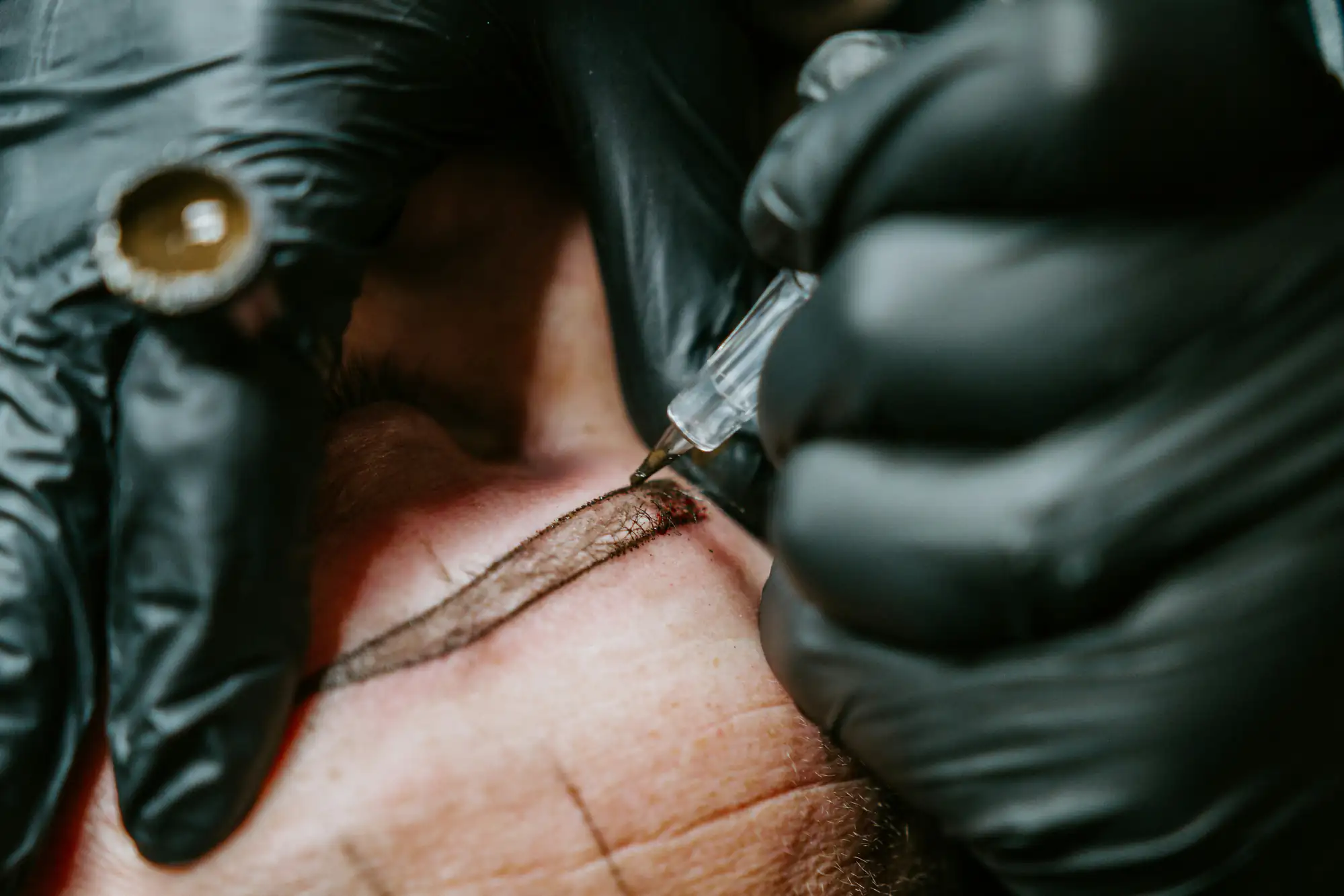
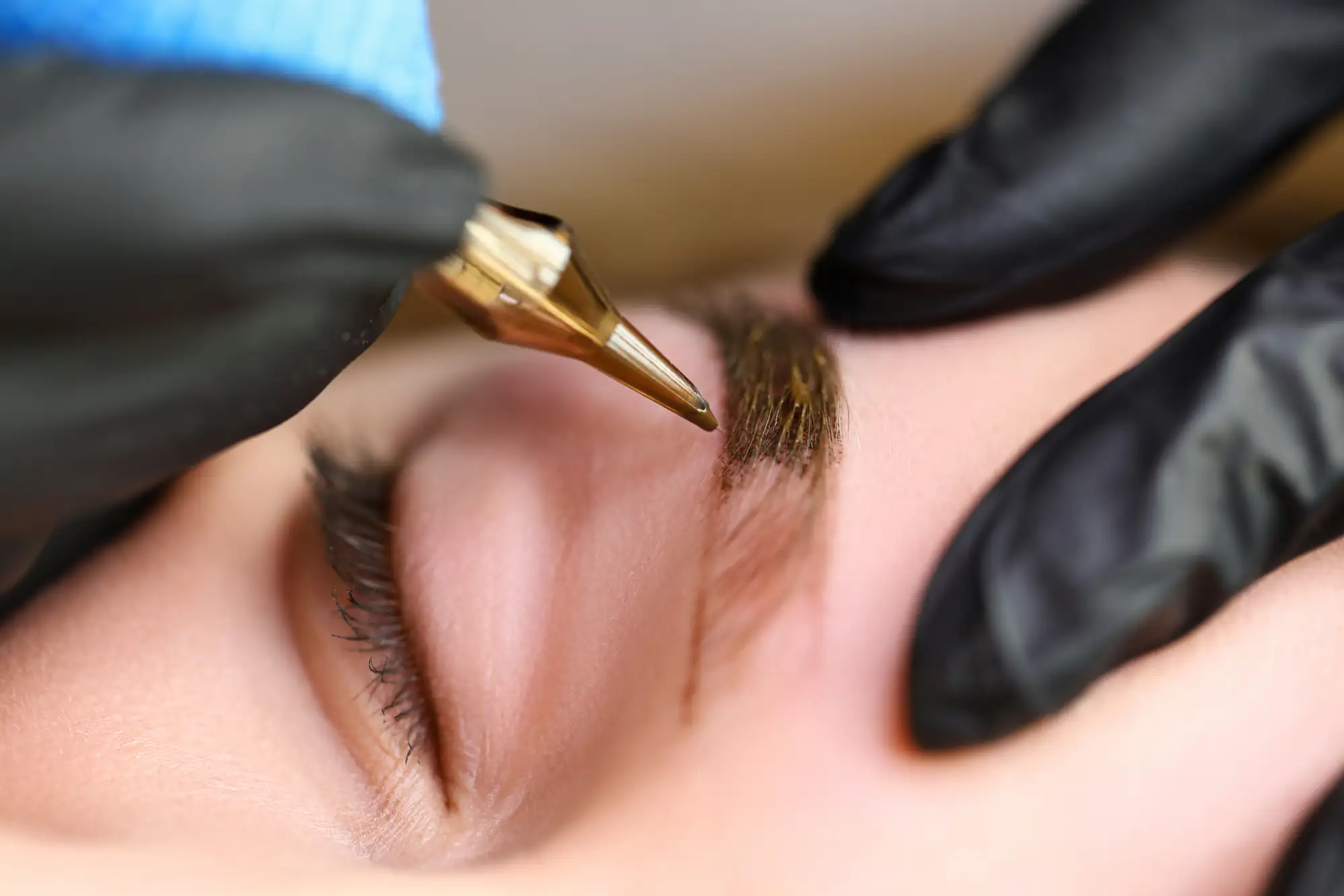
On the day of your appointment, a topical numbing cream is applied to minimize discomfort. Then, using a specialized hand tool with ultra-fine needles, Jacqueline creates hair-like strokes that mimic your natural brow hairs. The pigment is deposited into the upper dermal layer of your skin—shallow enough to look natural, deep enough to last. The whole process takes about two hours.
Your brows will look darker for the first week as they heal. That’s normal. The color softens as the skin regenerates, settling into a natural tone that matches your hair and complexion. You’ll come back for a touch-up session six to eight weeks later to perfect any areas and ensure even color retention. After that, you’re set for 12 to 18 months, depending on your skin type and lifestyle.

Ready to get started?
Not everyone needs the same brow treatment. If you have oily skin, traditional microblading strokes can blur over time. That’s where powder brows or nano brows come in—techniques that create a softer, filled-in look that holds up better on certain skin types.
Powder brows give you that polished, makeup-filled appearance without the daily work. Nano brows use even finer needles than microblading for the most natural hair strokes possible. And if you’re dealing with very sparse brows or previous tattoo work that needs correcting, a combination approach might be the answer.
During your consultation, Jacqueline assesses your skin, your natural brow hair, and what you’re hoping to achieve. She’ll recommend the technique that’s going to give you the best results long-term—not just what’s trendy. For clients in Rougemont and nearby areas like Wake Forest, Youngsville, and Creedmoor, that personalized approach is what keeps people coming back and referring friends. You’re not getting a cookie-cutter service. You’re getting brows designed specifically for your face, your lifestyle, and your skin.
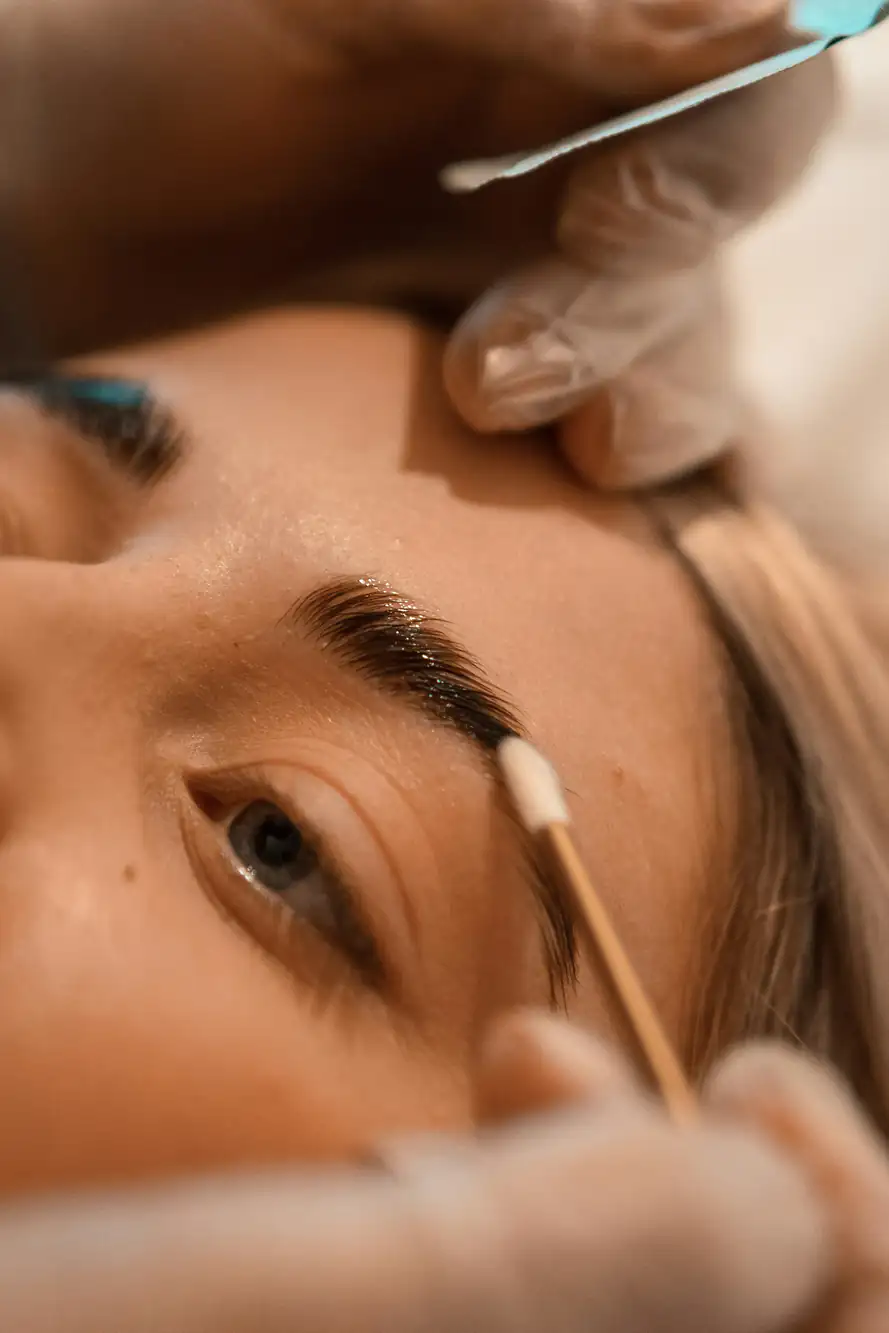
Most people describe it as uncomfortable but not painful—kind of like tweezing or light scratching. Before the procedure starts, a topical numbing cream is applied and left on for about 20 minutes. That takes the edge off significantly.
You’ll feel some pressure and a scratching sensation as the blade creates each stroke, but it’s not sharp pain. Pain tolerance varies person to person, and areas closer to bone (like the inner brow near your nose) can be slightly more sensitive. If at any point you need a break or more numbing cream, just say so.
The discomfort is temporary and manageable. What you’re left with—defined, natural brows that don’t require daily filling—is worth the hour or two of mild discomfort for most people.
Microblading typically lasts 12 to 18 months before you need a touch-up. How long yours lasts depends on a few factors: your skin type, your age, your lifestyle, and how well you follow aftercare instructions.
Oily skin tends to break down pigment faster because the natural oils push it out. If you’re someone who sweats a lot, spends time in the sun, or uses retinol or chemical exfoliants on your face, your brows may fade closer to the 12-month mark. Drier, more mature skin usually holds pigment longer.
The color will gradually lighten over time—it doesn’t just disappear one day. Most people schedule a refresh appointment once a year to keep the shape and color looking fresh. That appointment is quicker and less expensive than the original session since the framework is already there.
Microblading uses a manual hand tool with tiny needles arranged in a blade to create hair-like strokes. It’s ideal if you want a natural, feathered look and have normal to dry skin.
Nano brows use a digital machine with a single, ultra-fine needle to create even more precise hair strokes. The result is similar to microblading but can be better for people with oily or sensitive skin because the strokes are finer and the pigment is implanted more consistently.
Powder brows, on the other hand, create a soft, shaded effect—like you filled in your brows with powder or pencil. It’s done with a machine using a stippling technique and works well for anyone with oily skin, large pores, or those who prefer a more defined, makeup look. Some people combine techniques for a hybrid effect: hair strokes in the front, shading through the arch and tail.
Right after your appointment, your brows will look darker and more defined than the final result. That’s because the pigment is sitting on top of the skin and hasn’t settled yet. Don’t panic—this is completely normal.
For the first week, your brows will go through a healing phase. They might feel slightly tender, and you’ll notice some flaking or scabbing as the skin regenerates. Do not pick at the scabs. Let them fall off naturally, or you risk pulling out pigment and creating patchy spots.
You’ll be given specific aftercare instructions: keep them dry for the first 10 days, avoid heavy sweating, no swimming, no makeup on the brows, and don’t sleep on your face. By week two, the flaking stops and the color starts to soften. By week four, you’ll see the true color and shape. Then you come back for your touch-up session to perfect anything that didn’t retain as expected.
Most people are good candidates, but there are a few exceptions. If you’re pregnant or breastfeeding, it’s best to wait. If you have certain skin conditions like eczema or psoriasis in the brow area, or if you’re prone to keloid scarring, microblading might not be the right choice.
People on blood thinners, those undergoing chemotherapy, or anyone with a compromised immune system should consult their doctor first. If you’ve had Botox recently, wait at least two weeks before microblading so the muscles have settled.
That’s why the free consultation exists. Jacqueline will go through your health history, examine your skin and brow area, and let you know honestly whether microblading will give you the results you want—or if another technique like powder brows or a brow lamination would be a better fit. It’s about doing what’s right for you, not just booking an appointment.
Microblading is semi-permanent. The pigment is deposited into the upper dermal layer of the skin using a manual hand tool, and it fades naturally over 12 to 18 months. The strokes are designed to mimic individual brow hairs, so the result looks natural and soft.
Traditional eyebrow tattoos use a machine to implant ink much deeper into the skin, and they’re meant to be permanent. The problem is that the ink often changes color over time—turning blue, green, or gray—and the shape can look harsh or outdated as your face changes with age.
Microblading gives you flexibility. Brow trends change. Your face changes. With microblading, you’re not locked into one look forever. You can adjust the shape, thickness, or color at your annual touch-up. It’s a smarter, more natural approach to permanent makeup that doesn’t leave you stuck with a decision you made years ago.