Hear from Our Customers
Imagine rolling out of bed with brows that are already shaped, filled, and perfectly symmetrical. No pencils. No powders. No standing in front of the mirror trying to make both sides match while you’re already running late.
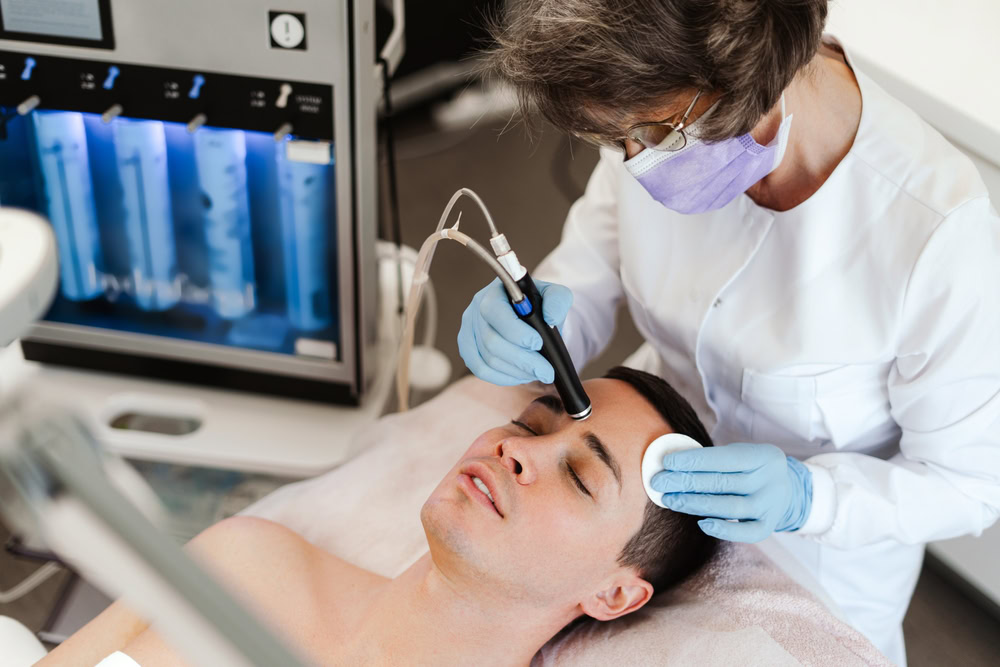
That’s what microblading does. It’s semi-permanent eyebrow enhancement that uses hair-like strokes to fill in sparse areas, reshape uneven brows, or completely reconstruct what’s been over-plucked or lost over time. The pigment sits in the upper dermal layer, which means it looks natural—not blocky, not harsh, not obviously tattooed.
Most clients save 15 to 30 minutes every morning. That adds up to over 90 hours a year. But beyond the time, there’s the mental relief of not worrying about your brows smudging at the gym, fading by noon, or disappearing in the pool. You look put-together without effort, and that confidence shows.
Wake Skincare is led by Jacqueline Grace, a licensed esthetician who’s been named Best Esthetician in Wake County three years in a row. She also took first place in the Pigmentation Artist of the Year category at The Skin Games, an international aesthetics competition.
That’s not luck. It’s skill, training, and a meticulous eye for detail. Jacqueline is certified in micropigmentation through the American Academy of Micropigmentation, which requires hands-on training under direct supervision and strict adherence to safety protocols.
We serve Spring Hope clients who don’t have to drive into Raleigh or Durham to find that level of expertise. We bring award-winning brow artistry closer to home, serving 22 cities across Wake County. Every consultation is free, and every treatment is customized to your face shape, skin tone, and personal style.
You start with a free consultation. Jacqueline maps out your brows based on your bone structure, facial symmetry, and the look you’re going for—whether that’s bold and defined or soft and natural. You’ll see the shape before any pigment touches your skin.
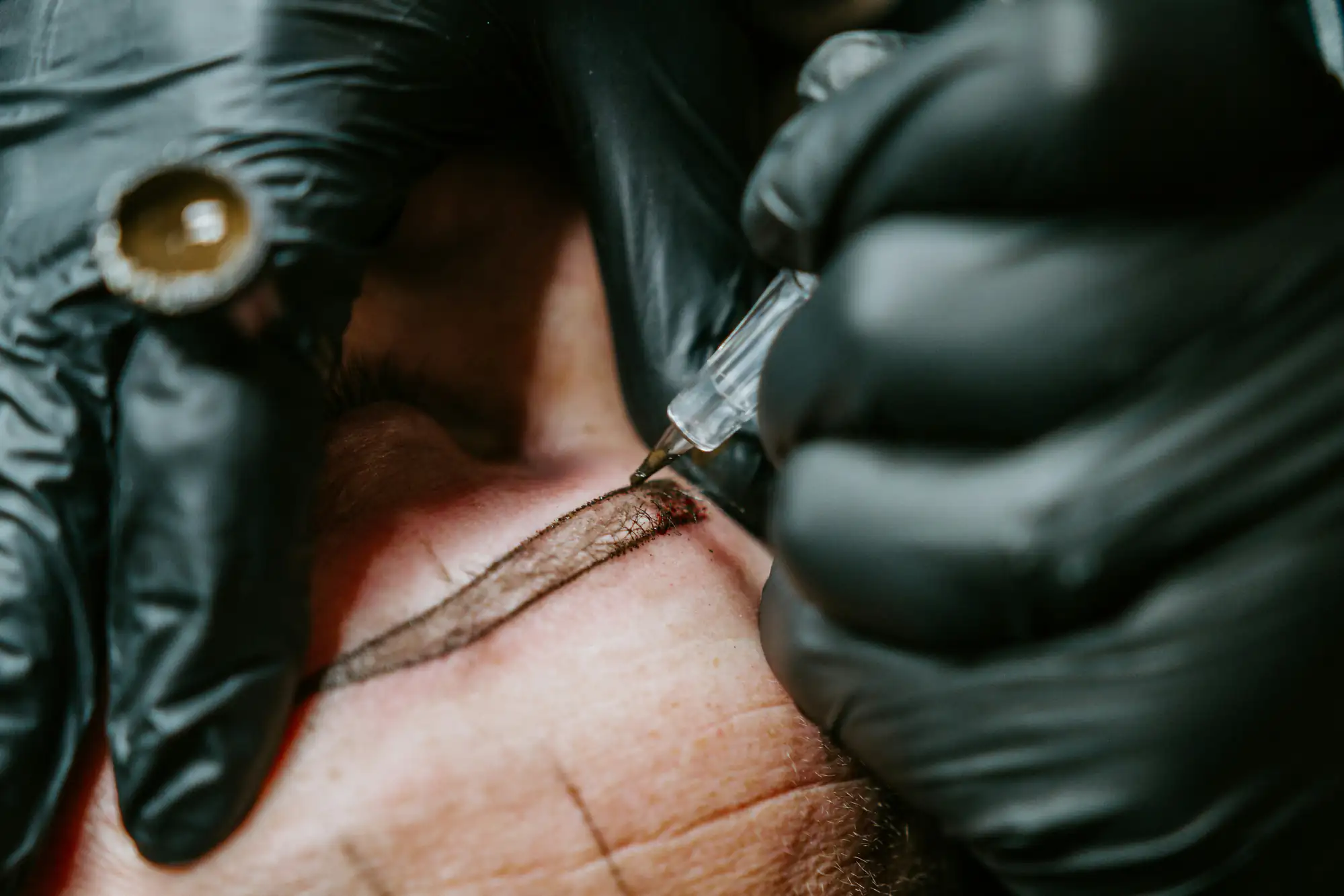
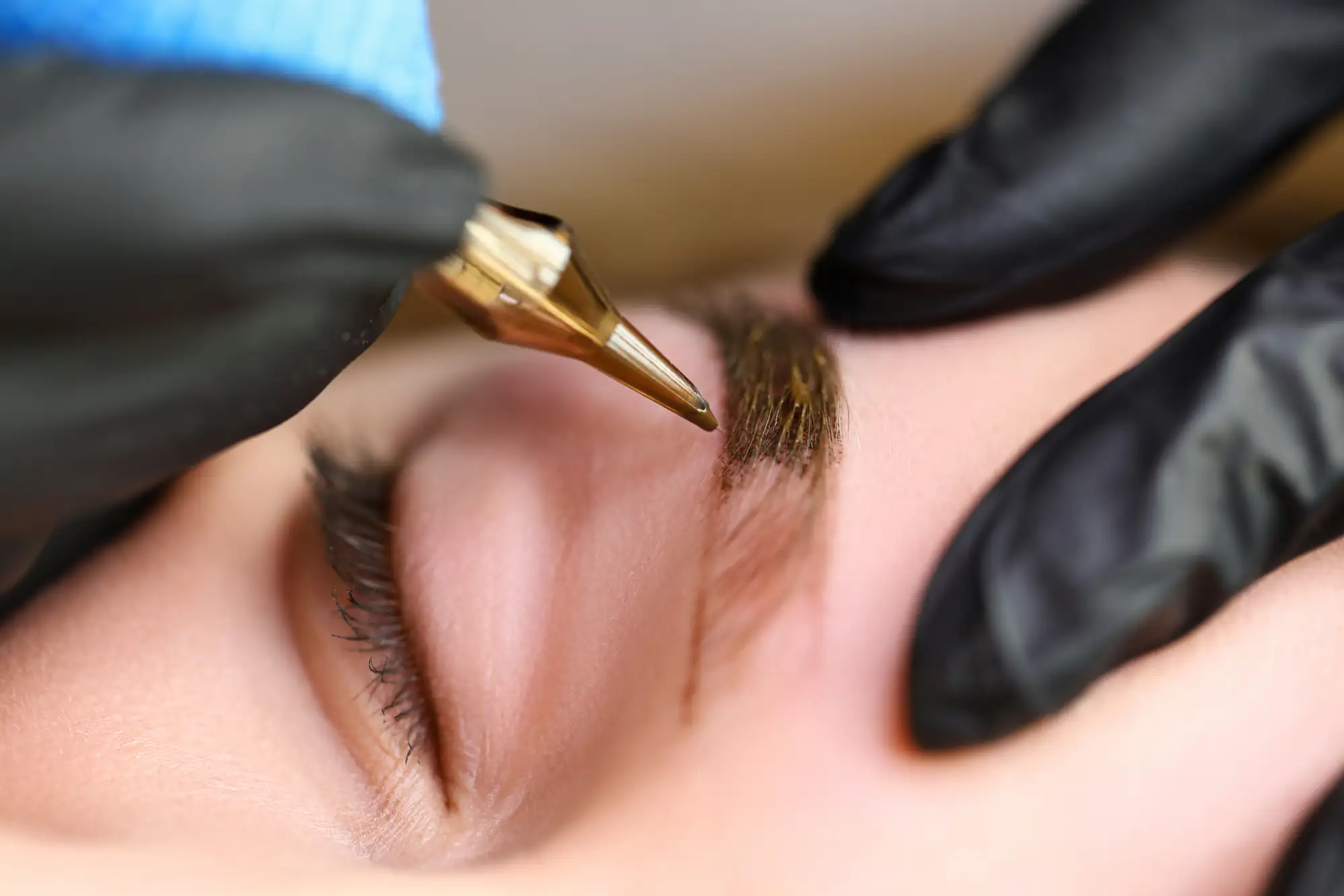
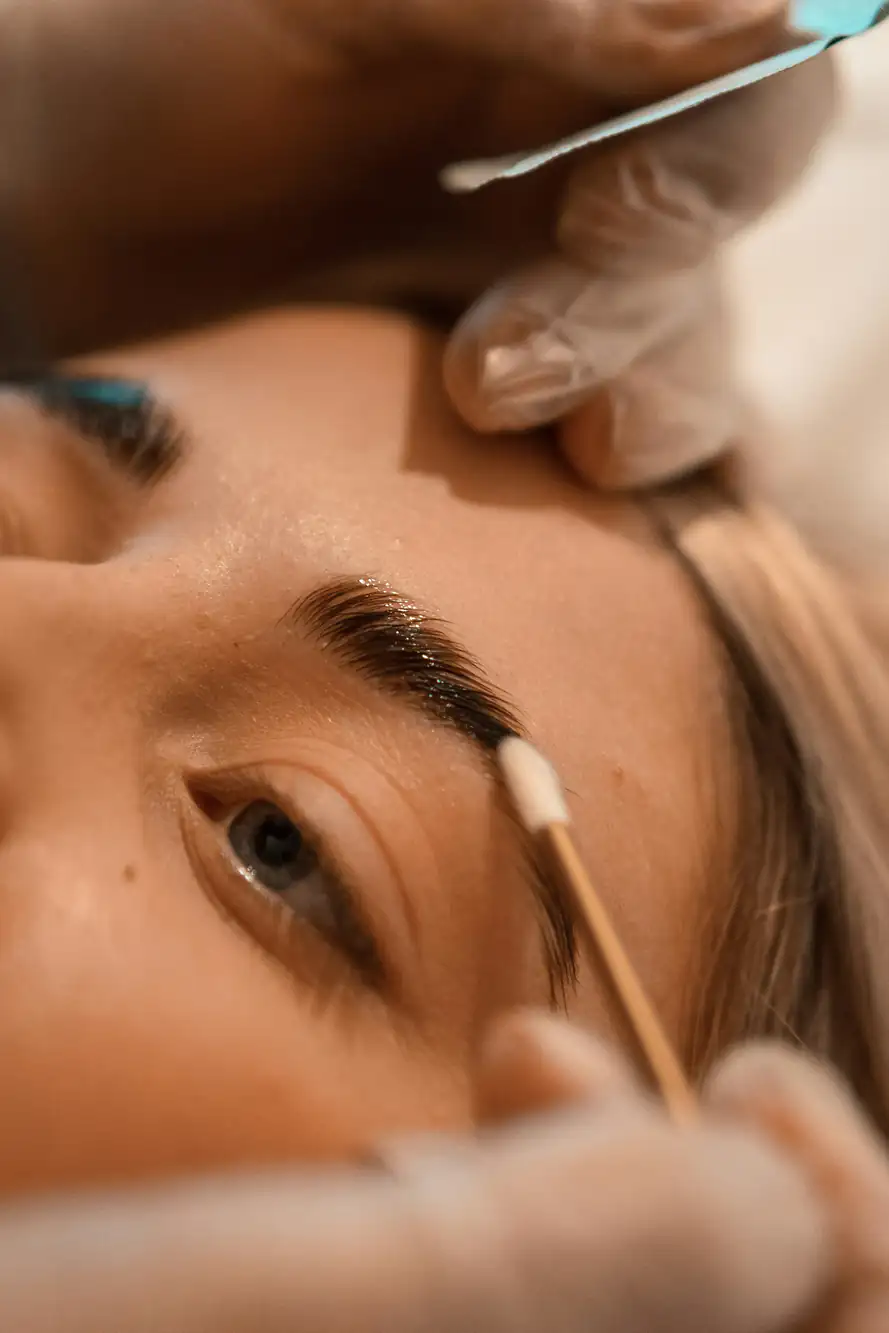
Once you approve the design, a topical numbing cream is applied. Most clients rate the discomfort around a 3 or 4 out of 10. It’s not painless, but it’s manageable. The microblading tool uses a fine blade to create individual hair strokes, depositing pigment into the skin with precision. The process takes about two hours.
Your brows will look darker for the first week as they heal. That’s normal. The color softens significantly as the skin regenerates. You’ll come back for a touch-up session six to eight weeks later to perfect the shape and fill in any areas that didn’t retain pigment as expected. After that, your results last anywhere from one to three years depending on your skin type, lifestyle, and how well you follow aftercare instructions.

Ready to get started?
Your microblading appointment at Wake Skincare includes the initial consultation, custom brow mapping, numbing cream, the full procedure, and a follow-up touch-up session. You’re also walked through detailed aftercare instructions so your brows heal properly and the pigment sets the way it should.
We use medical-grade pigments that heal true to color. That means what you see after healing is what you’re going to live with—no unexpected color shifts. We also follow strict Board of Health infection control guidelines and are licensed by the county to perform tattooing. Every tool is sterilized, every surface is sanitized, and every procedure meets state regulations.
If you’re in Spring Hope or nearby areas like Zebulon, Wendell, or Louisburg, you’re within easy reach of our location in Wake Forest. We also offer nano brows and powder brows for clients who want a softer, more filled-in look instead of individual hair strokes. Jacqueline will recommend the best technique based on your skin type and desired outcome during your consultation.
Most people expect microblading to hurt more than it actually does. Based on feedback from over 3,500 clients across the industry, 81% rate the discomfort at a 5 or below on a 10-point scale. The average falls around a 3 or 4.
You’ll feel something—it’s a blade making small cuts in your skin—but it’s not unbearable. A topical numbing cream is applied before the procedure starts, and that takes the edge off significantly. Some areas of the brow are more sensitive than others, especially near the tail or arch, but the discomfort is brief and manageable.
If you have a low pain tolerance or you’re nervous, let Jacqueline know during your consultation. There are ways to make the experience more comfortable, and she’s worked with plenty of clients who were anxious going in but relieved once it was over.
Microblading typically lasts between one and three years, but that range depends on several factors. Your skin type plays a big role—oily skin tends to break down pigment faster than dry or normal skin. Your lifestyle matters too. If you’re in the sun a lot, use retinol products, or exfoliate aggressively, your brows will fade sooner.
Most clients come back for a refresh around the 18-month mark. That’s not a full redo—it’s a touch-up to restore color and crispness. Some people stretch it to two or even three years if their skin holds pigment well and they follow aftercare instructions closely.
The six-to-eight-week follow-up appointment after your initial session is crucial. That’s when any areas that didn’t retain pigment get filled in, and it’s what locks in your results for the long haul. Skipping that appointment can cut your longevity in half.
Microblading uses a manual handheld tool with a fine blade to create individual hair-like strokes. It’s ideal if you want a natural look and your skin isn’t too oily. The strokes mimic real brow hairs, so the result is soft and realistic.
Nano brows use a machine with an ultra-fine needle instead of a blade. The strokes are even more precise and tend to last longer, especially on oily skin. The technique is newer and requires advanced training, but the results are nearly identical to microblading with better retention.
Powder brows create a soft, filled-in look similar to wearing brow powder or a light pencil. Instead of individual strokes, the pigment is applied in tiny dots that blend together. This technique works well for people with oily skin, large pores, or anyone who wants a bolder, more defined brow. It also tends to last longer than microblading because the pigment is deposited differently.
Microblading is safe when performed by a certified professional who follows proper infection control protocols. We’re licensed by the county, adhere to Board of Health guidelines, and use sterilized, single-use tools for every client. The risk of infection is extremely low in a clean, regulated environment.
The most common issue people experience is an allergic reaction to the pigment, but that’s rare. A patch test can be done beforehand if you have sensitive skin or a history of allergies. Some people also experience minor swelling, redness, or tenderness for a day or two after the procedure, but that’s normal and temporary.
The bigger risk is choosing an inexperienced or uncertified technician. Poor technique can lead to uneven brows, incorrect pigment depth, or scarring. That’s why credentials matter. Jacqueline is certified through the American Academy of Micropigmentation and has won awards for her work. You’re not taking a gamble when you book with us.
Microblading typically costs between $250 and $850 depending on the artist’s experience, location, and what’s included in the service. At Wake Skincare, you’re paying for award-winning expertise, medical-grade pigments, and a follow-up session that’s built into the price—not tacked on later.
When you break it down, microblading saves you money over time. If you spend $20 a month on brow pencils, gels, and powders, that’s $240 a year. Microblading lasts at least a year, often longer, and eliminates that recurring cost. You also save time—about 90 hours a year if you’re spending 15 minutes a day on your brows.
But the real value isn’t just financial. It’s waking up confident, skipping the mirror stress, and not worrying about your brows smudging or fading throughout the day. For most clients, that peace of mind is worth more than the dollar amount.
Yes. Microblading works for sparse brows, over-plucked brows, and even clients with little to no natural brow hair due to alopecia, chemotherapy, or other medical conditions. The technique is designed to reconstruct and fill in, not just enhance what’s already there.
Jacqueline will map out a shape that complements your face and looks natural, even if you’re starting from scratch. The hair strokes are placed strategically to mimic the direction and density of real brow growth, so the result doesn’t look drawn on or artificial.
If your brows are extremely sparse or you have scar tissue in the area, nano brows or powder brows might be a better option. Those techniques offer more coverage and better pigment retention on compromised skin. That’s something Jacqueline will assess during your free consultation and recommend based on what will give you the best outcome.