Hear from Our Customers
You’re spending 10 to 20 minutes every morning trying to get your brows to look even. One’s too thick, the other won’t cooperate, and by midday, half of it’s rubbed off anyway.
Microblading gives you brows that look naturally full from the moment you wake up. No pencils, no powders, no guessing. Just realistic hair strokes that match your natural brow pattern and face shape.
You’ll save time, skip the frustration, and stop worrying about whether your brows look right in photos. They just do. For 12 to 18 months, you’re set—and when it’s time for a touch-up, we’re here.
This isn’t about changing your face. It’s about enhancing what’s already there so you can feel confident without the effort.
Wake Skincare is led by Jacqueline Grace, a licensed esthetician who’s been named Best Esthetician in Wake County three years running. She’s also a first-place winner in Pigmentation Artist of the Year at The Skin Games, an international competition that draws top artists from around the world.
We’re based in Wake Forest and serve clients throughout Youngsville, Rolesville, Raleigh, and the surrounding Wake County area. Every consultation is one-on-one, and every treatment is customized to your face, your skin tone, and your goals.
You’re not walking into a chain. You’re working with someone who’s built a reputation on precision, safety, and results that actually look like real brows—not a stamp or a stencil.
It starts with a free consultation. We’ll talk about your brow goals, assess your natural shape, skin type, and tone, then map out a custom design that fits your face. You’ll see the shape before we start, and we don’t move forward until you’re happy with it.
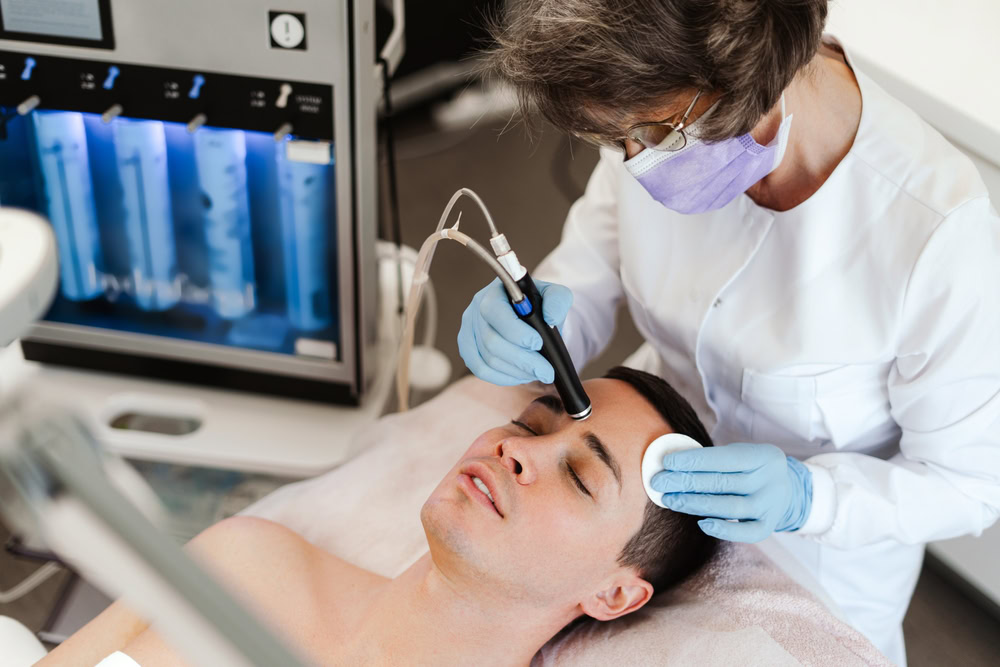
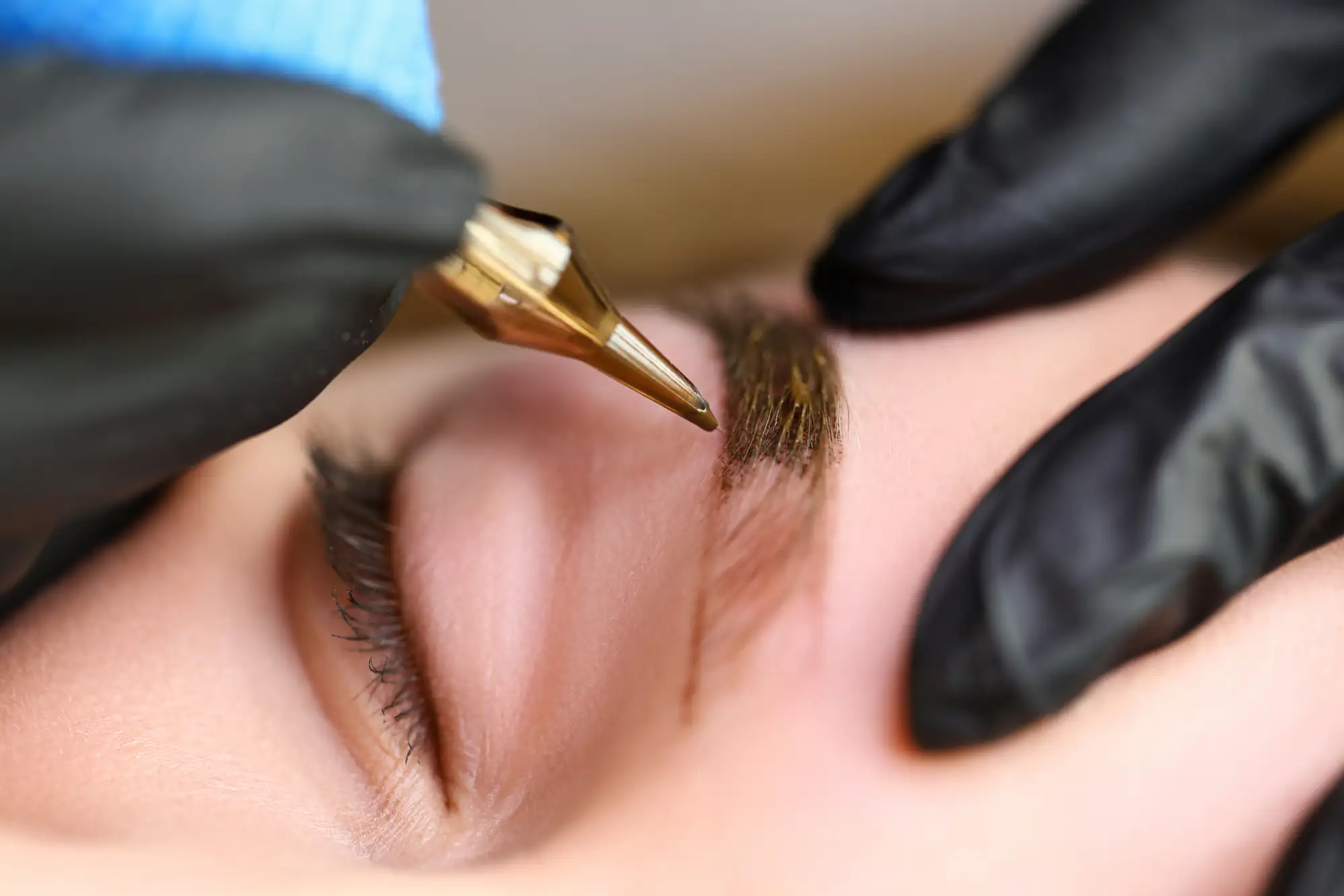
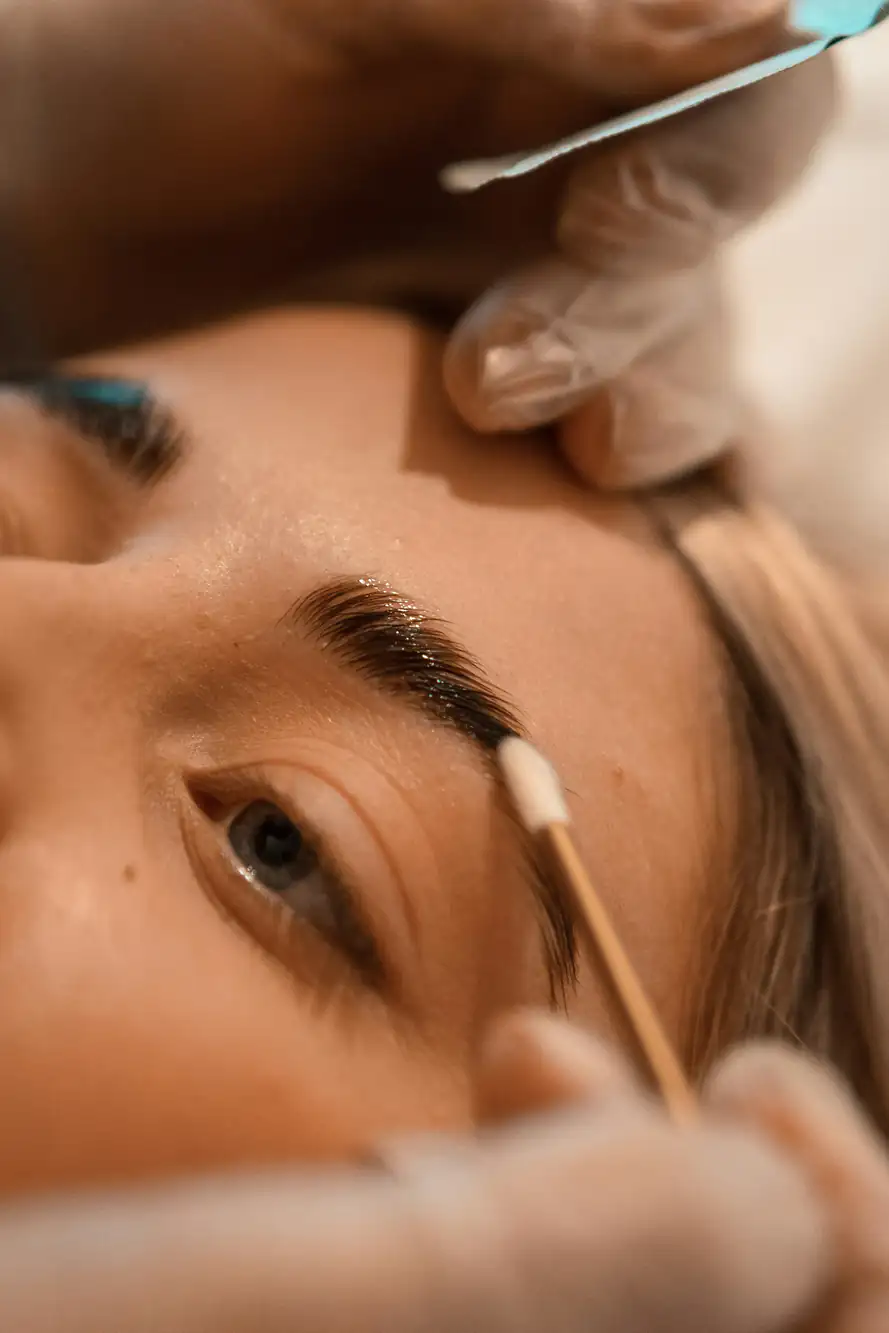
On the day of your appointment, we apply a topical numbing cream to keep you comfortable. Then, using a manual microblade tool, we create fine, hair-like strokes in the upper layers of your skin and deposit pigment that matches your natural brow color. The whole process takes about two hours.
Most clients describe the sensation as light pressure or scratching—not painful. In fact, over 3,500 clients have rated the discomfort at a 5 or below on a 10-point scale, and many say brow waxing hurts more.
You’ll leave with fuller brows immediately, though they’ll look darker at first. Over the next 7 to 10 days, they’ll lighten and settle into a natural tone. A follow-up touch-up is scheduled 6 to 8 weeks later to perfect the shape and ensure even color retention.

Ready to get started?
Not everyone needs the same type of brow work. That’s why we offer microblading, nano brows, and powder brows depending on your skin type, lifestyle, and the look you want.
Microblading uses a manual blade to create individual hair strokes. It’s ideal if you want a soft, natural look and have normal to dry skin. Nano brows use a digital machine for even finer strokes, which works better on oily or textured skin. Powder brows create a soft, shaded effect similar to filled-in makeup—great if you want more definition or have very sparse brows.
Youngsville is growing fast, and so is the demand for low-maintenance beauty solutions. Between work, family, and everything else, you don’t have time to mess with your brows every morning. That’s exactly who this service is for.
We also include aftercare instructions, a follow-up touch-up, and ongoing support if you have questions during the healing process. You’re not left guessing what to do next.
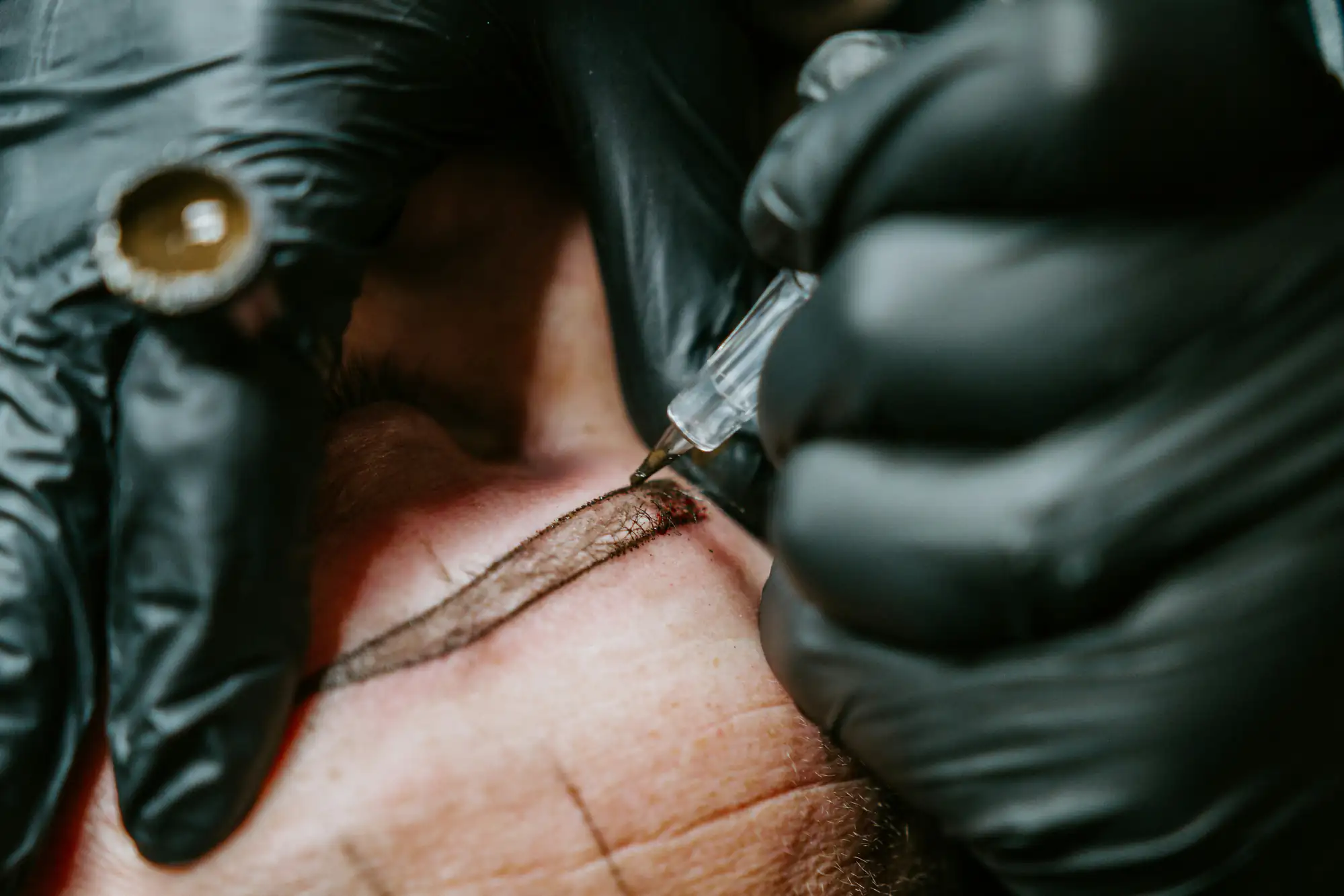
And because we’re a full-service skincare clinic, you can combine your brow appointment with a HydraFacial, chemical peel, or other treatments. It’s all under one roof.
Microblading typically ranges between $400 and $800, depending on the artist’s experience and what’s included. At Wake Skincare, your investment covers the initial session, a follow-up touch-up 6 to 8 weeks later, and a personalized consultation to design your brows.
You’re not just paying for the procedure. You’re paying for an award-winning artist with international recognition, medical-grade pigments, sterile tools, and a process that’s been refined over years of practice.
Cheaper options exist, but they often skip the consultation, use lower-quality pigments, or don’t include a touch-up. That can lead to uneven fading, poor color match, or brows that don’t heal the way you expected. We’d rather do it right the first time.
Most clients rate the discomfort at a 5 or below on a 10-point scale. We apply a topical numbing cream before we start, so what you feel is more like light scratching or pressure than actual pain. Many people say it’s less uncomfortable than getting their brows waxed.
Healing takes about 7 to 10 days. Your brows will look darker right after the appointment, then they’ll scab lightly and flake as they heal. You’ll need to keep them dry and avoid heavy sweating, swimming, or picking at the scabs during that time.
After the initial healing, the color will soften and settle into a natural tone. Full results show up after your second appointment, which happens around 6 to 8 weeks later. That’s when we fill in any spots that didn’t retain pigment and make final adjustments to the shape.
Microblading lasts 12 to 18 months on average, depending on your skin type, lifestyle, and how well you follow aftercare instructions. Oily skin tends to fade faster because the pigment doesn’t hold as well in larger pores. Sun exposure, skincare products with retinol or acids, and frequent exfoliation can also speed up fading.
After the initial treatment and 6-week touch-up, most clients come back once a year for a refresh. That keeps the color looking fresh and the shape crisp without starting over from scratch.
If you skip maintenance, the pigment will gradually fade and your brows will return to their natural state. It’s not permanent like a traditional tattoo, which is actually a good thing—it gives you flexibility as trends and preferences change over time.
Microblading uses a manual blade to create individual hair-like strokes. It’s best for people with normal to dry skin who want a natural, feathered look. The strokes mimic real brow hairs and blend in with what you already have.
Nano brows use a digital machine with an ultra-fine needle to create even more precise strokes. This technique works better on oily or textured skin because the pigment is implanted more consistently, so it doesn’t blur as easily. The results look just as natural, but they tend to last a bit longer.
Powder brows create a soft, shaded effect that looks like you filled in your brows with makeup. Instead of individual strokes, we use a stippling technique to build up color gradually. This is a great option if your brows are very sparse, if you prefer a bolder look, or if your skin type isn’t ideal for hair strokes.
We’ll recommend the best technique for you during your consultation based on your skin, your natural brows, and the look you’re going for.
Microblading is safe when it’s done by a trained, licensed professional using sterile tools and high-quality pigments. The risks—like infection or allergic reaction—are extremely low if proper protocols are followed.
What you should look for: a licensed esthetician or cosmetologist with specialized training in permanent makeup, a clean and professional workspace, single-use needles and tools, and a portfolio of healed results (not just fresh work). Ask about their process, their pigments, and whether they offer a consultation before booking.
At Wake Skincare, Jacqueline Grace is licensed, award-winning, and has years of experience in pigmentation artistry. We follow medical-grade safety standards, and every client gets a personalized consultation to assess skin type, discuss expectations, and design a custom brow shape before any work begins.
Don’t choose based on price alone. Your face is worth the investment in someone who knows what they’re doing.
Yes, in most cases. Microblading pigments are typically hypoallergenic and formulated to minimize reactions, but if you have a history of severe allergies or keloid scarring, we’ll discuss that during your consultation.
We can also do a patch test if you’re concerned about how your skin will react to the pigment. That involves applying a small amount of pigment to a discreet area and waiting 24 to 48 hours to see if any irritation occurs.
Certain conditions—like active skin infections, eczema or psoriasis in the brow area, or if you’re pregnant or breastfeeding—may require you to wait before getting microblading. We’ll walk through your medical history and current skincare routine to make sure it’s the right time for you.
If you’re using retinol, acids, or other exfoliating products, you’ll need to stop applying them to the brow area at least two weeks before your appointment. Those ingredients can interfere with pigment retention and healing.