
Hear from Our Customers
Your skin looks dull because there’s a layer of dead cells and fine hair sitting on top of it. That layer catches makeup, blocks your serums from absorbing, and makes your complexion look tired even when you’re not.
Dermaplaning removes that entire layer in one session. You walk out with skin that’s noticeably smoother, brighter, and more even-toned. Your makeup glides on without catching on peach fuzz. Your skincare products actually penetrate instead of sitting on the surface.
The treatment takes about 30 minutes. There’s no redness, no peeling, no recovery period. You can go straight back to work, hit the gym, or go out that same evening. Results show up immediately and typically last around three weeks before you’re ready for your next session.
We’re located in Wake Forest and serve clients throughout Wake County, including Briar Chapel and the surrounding Chapel Hill area. Jacqueline Grace, our clinic’s founder and licensed esthetician, has been named Best Esthetician in Wake County three years running.
She’s also HydraFacial Master Certified, placing her among the top hundred practitioners worldwide. Her work has earned first and second place internationally in the Pigmentation Artist of the Year category at The Skin Games. That level of recognition doesn’t come from following scripts—it comes from understanding skin and delivering real results.
Briar Chapel residents appreciate quality and expertise, and that’s exactly what you’ll find here. Every treatment starts with a free consultation to assess your skin and build a plan that makes sense for your goals.

Your session starts with a skin assessment. We look at your skin type, any active concerns, and what you’re hoping to achieve. This helps us determine if dermaplaning is the right fit or if combining it with another treatment would give you better results.
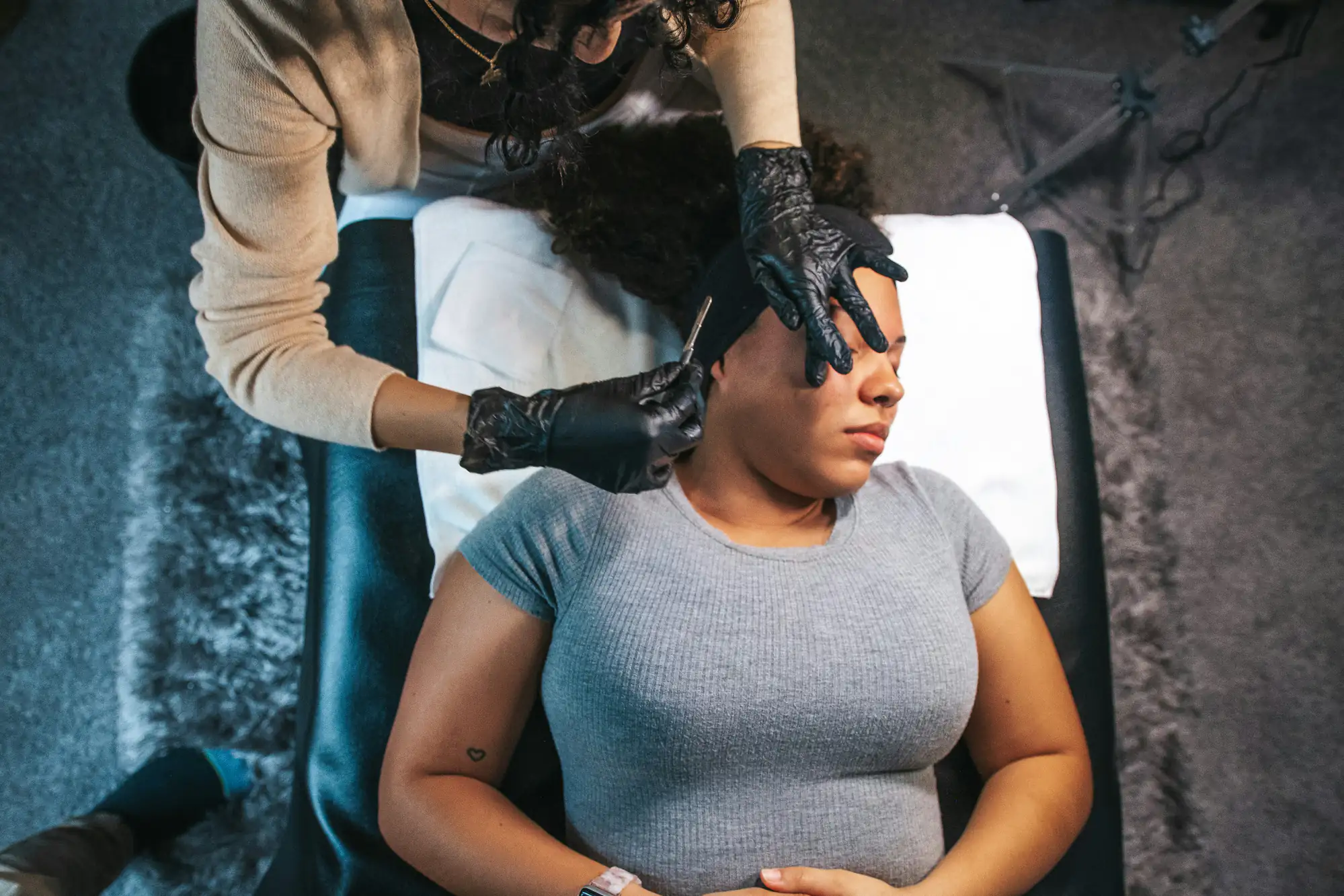
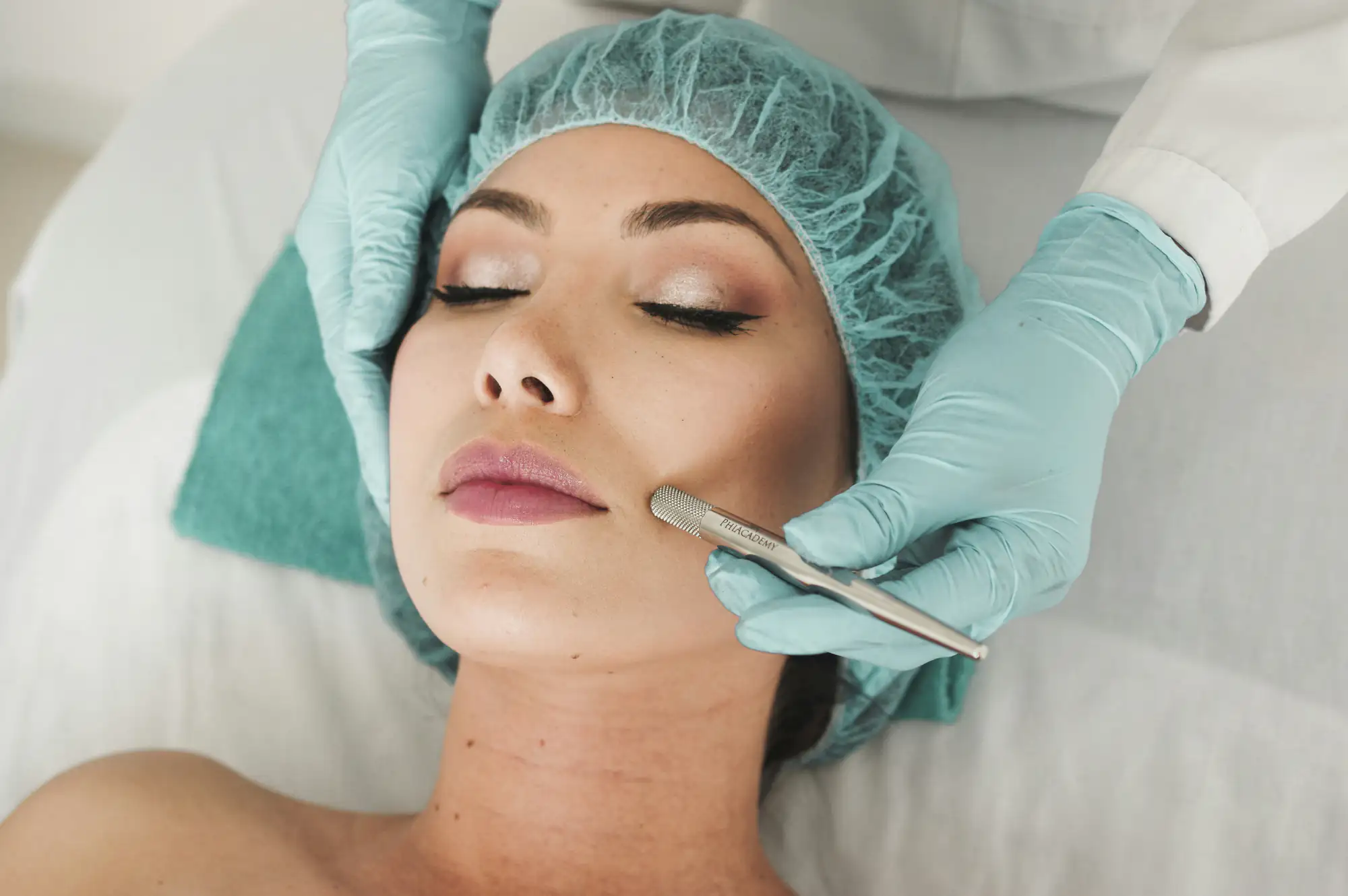
Once your skin is prepped and cleansed, we use a sterile surgical scalpel held at a 45-degree angle to gently remove the top layer of dead skin cells and vellus hair. The blade only touches the outermost layer—there’s no cutting or scraping of live skin. Most people describe the sensation as a light scratching, not painful.
The entire process takes around 30 minutes. Afterward, we apply a soothing serum or moisturizer that your freshly exfoliated skin will absorb more effectively. You’ll see the difference immediately: smoother texture, brighter tone, and a clean canvas for makeup or skincare. There’s no downtime, so you’re free to go about your day right after.

Ready to get started?
Every dermaplaning session at Wake Skincare includes a personalized skin consultation, professional-grade exfoliation using sterile equipment, and post-treatment skincare application to maximize your results. You’re not getting a one-size-fits-all approach—each treatment is adjusted based on your skin’s current condition.
Briar Chapel is home to educated, health-conscious professionals who value quality over shortcuts. The median household income here is over $154,000, and the median age is just under 40—prime demographics for preventive skincare that delivers visible results without invasive procedures. You’re likely balancing a career, family, and social commitments, which means you need treatments that work fast and fit into your schedule.
Dermaplaning does exactly that. It’s effective for all skin types, including sensitive skin. It reduces the appearance of fine lines and acne scars. It makes your skincare routine more effective by removing the barrier that prevents product absorption. And because there’s zero downtime, you can book a session during lunch or before an event without worrying about redness or irritation.
Results typically last between two and three weeks. That’s how long it takes for your skin to build up another layer of dead cells and for vellus hair to grow back.
Most clients book sessions every three to four weeks to maintain smooth, glowing skin. If you have a specific event coming up—a wedding, photoshoot, or important meeting—scheduling your appointment three to five days beforehand gives you optimal results without cutting it too close.
Your skin will continue to look better than it did before the treatment, but the peak smoothness and brightness you see immediately after will gradually diminish as your skin goes through its natural renewal cycle. Regular sessions keep you at that peak level consistently.
No. This is one of the most common myths about dermaplaning, and it’s completely false. The treatment removes vellus hair, which is fine, soft, and light-colored. Vellus hair is structurally different from terminal hair, which is the thicker, darker hair that grows on your scalp or legs.
When vellus hair grows back after dermaplaning, it grows back exactly the same as it was before—same texture, same color, same thickness. The reason people sometimes think it looks darker is because the hair has a blunt tip after being cut, which can make it slightly more visible for a day or two. But as it grows, the tip tapers naturally and returns to its normal appearance.
Dermaplaning doesn’t change your hair follicles or stimulate new growth. It simply removes what’s already there at the surface level.
Yes, dermaplaning is safe for sensitive skin and can actually benefit acne-prone skin when done correctly. The treatment is non-invasive and doesn’t use chemicals or heat, which makes it gentler than many other exfoliation methods.
That said, if you have active breakouts, cystic acne, or open wounds, we’ll wait until those areas have healed before performing dermaplaning. The blade could spread bacteria or irritate inflamed skin, which would make the problem worse instead of better.
For clients with occasional breakouts or post-acne scarring, dermaplaning helps smooth texture and improve the appearance of scars over time. It also removes the layer of dead skin that can clog pores and contribute to future breakouts. During your free consultation, we’ll assess your skin and let you know if dermaplaning is appropriate for you right now or if another treatment would be a better starting point.
You can, but it’s better to wait at least a few hours if possible. Your skin will be more receptive to products immediately after dermaplaning, which means it will also be more receptive to anything in your makeup—including potential irritants or pore-clogging ingredients.
If you have an event the same day and need to apply makeup, use clean brushes or applicators and stick to non-comedogenic, mineral-based products if you have them. Avoid heavy foundations or anything with active ingredients like retinol or acids for at least 24 hours post-treatment.
Most clients schedule dermaplaning on a day when they can go makeup-free for the rest of the evening. That gives your skin time to absorb the post-treatment serum and recover without interference. The next day, your makeup will apply more smoothly than it ever has, and you’ll need less product to achieve the coverage you want.
Dermaplaning uses a surgical-grade scalpel held at a precise 45-degree angle to remove dead skin cells along with vellus hair. It’s an exfoliation treatment first, hair removal second. A regular razor is designed only to cut hair, not to exfoliate skin, and the angle and pressure are completely different.
When you shave at home, you’re using a tool designed for terminal hair on your legs or underarms. The blade isn’t sterile, the angle isn’t controlled, and you’re not removing the layer of dead skin that dulls your complexion. You’re also more likely to cause irritation, nicks, or uneven results because you’re not trained to perform the technique safely.
Professional dermaplaning is performed by a licensed esthetician who understands skin anatomy and uses medical-grade tools in a controlled environment. The results are smoother, longer-lasting, and safer. If you’ve tried shaving your face at home and didn’t see much improvement, that’s why—it’s not the same process.
Avoid direct sun exposure for at least 48 hours after your treatment. Your skin will be more sensitive to UV rays because the top layer of dead cells that provided some protection has been removed. Wear a broad-spectrum SPF 30 or higher anytime you’re outside, even if it’s cloudy.
Skip active ingredients like retinol, glycolic acid, salicylic acid, or vitamin C serums for 24 to 48 hours. Your skin is more absorbent after dermaplaning, which means these ingredients can penetrate deeper and potentially cause irritation. Stick to gentle, hydrating products for the first day or two.
Avoid intense workouts, saunas, or hot yoga for 24 hours. Excessive sweating can irritate freshly exfoliated skin and increase the risk of breakouts. Light activity is fine, but anything that makes you drip sweat should wait a day. These precautions are simple and short-term, but they make a big difference in how your skin responds and how long your results last.