
Hear from Our Customers
Your face feels like glass. That’s the first thing you’ll notice when you run your hand across your cheek after a dermaplane facial.
The texture change is immediate. No waiting weeks for results or dealing with redness while your skin “adjusts.” You leave the appointment with smoother skin than you walked in with.
Your skincare products absorb better because there’s no barrier of dead cells blocking them. That serum you’ve been using? It’ll actually reach the layers it’s supposed to. Your makeup sits flatter and blends easier because there’s no peach fuzz creating texture or casting shadows.
If you’ve got an event coming up, dermaplaning gives you that polished look without the recovery time. No peeling, no irritation, no explaining to coworkers why your face is red. Just smooth, even skin that photographs well and feels noticeably different.
We serve Clayton, NC and 22 surrounding cities across Wake County with medical-grade skincare treatments. Our founder and licensed esthetician, Jacqueline Grace, has been named Best Esthetician in Wake County three years running and placed first internationally in the Pigmentation Artist of the Year category at The Skin Games.
We’re HydraFacial Master Certified, a designation held by top practitioners worldwide. Every dermaplaning treatment starts with a free consultation to assess your skin and create a personalized approach.
Clayton’s growing professional community values treatments that deliver visible results without interfering with work schedules. That’s exactly what dermaplaning does—immediate improvement with zero downtime, which matters when you’re balancing career demands with self-care.

Your appointment starts with a free skin evaluation. This isn’t a sales pitch—it’s a genuine assessment of whether dermaplaning makes sense for your skin type and goals right now.
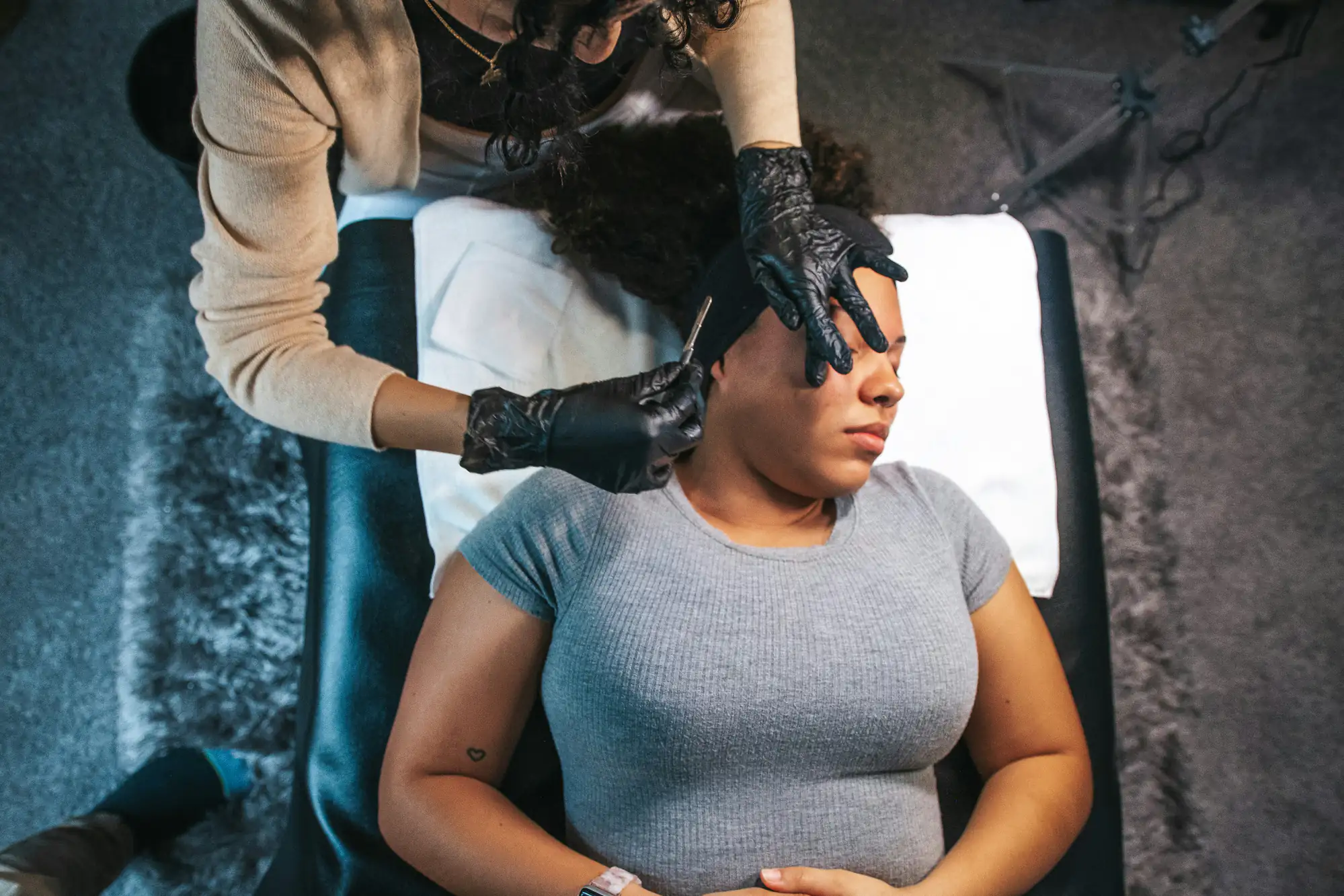
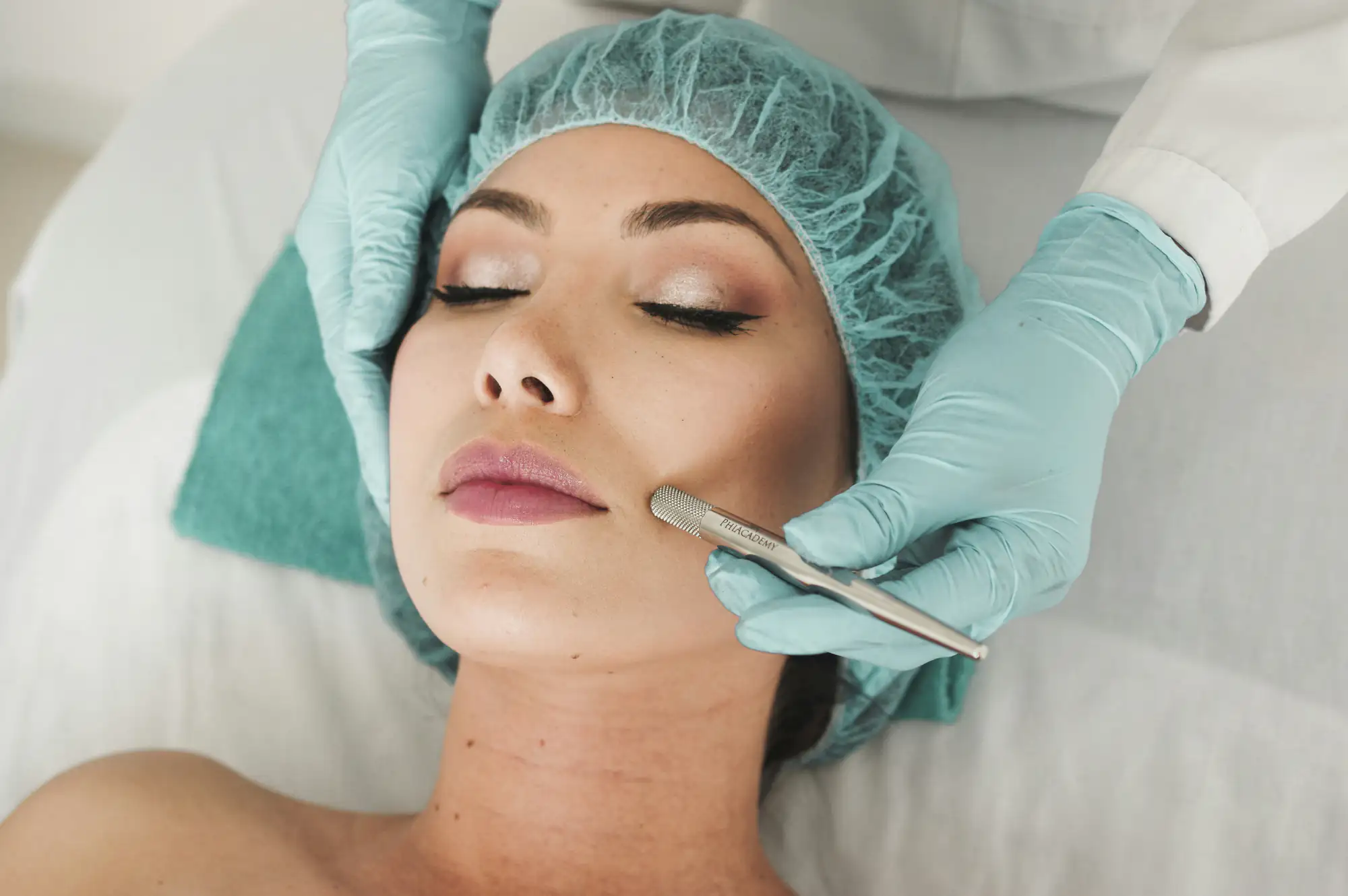
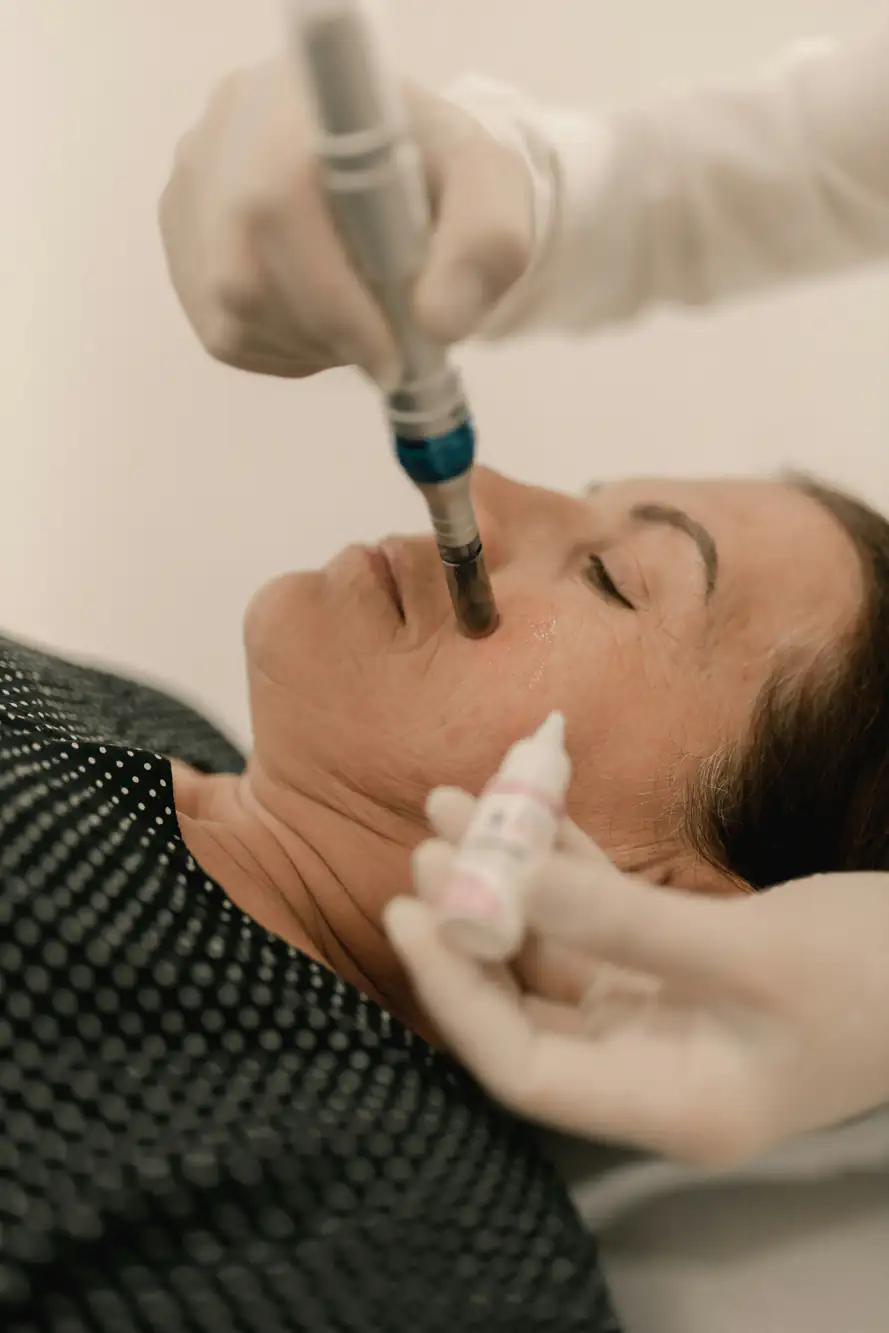
During the treatment, a sterile surgical scalpel is held at a 45-degree angle and gently moved across your skin’s surface. This removes the top layer of dead skin cells along with vellus hair (peach fuzz). The blade never penetrates deeper layers, which is why there’s no bleeding, no pain, and no recovery period needed.
The process takes about 30 minutes for an express treatment. You’ll feel a light scraping sensation, but it’s not uncomfortable. Most people find it oddly satisfying.
Right after, your skin may look slightly pink for an hour or two—similar to how it looks after washing your face with a textured cloth. By the next morning, that’s gone. What stays is the smooth texture and brighter appearance from removing the dulling layer of dead cells that were sitting on top.
You can wear makeup immediately after if needed, though most people want to show off how smooth their skin feels. We’ll recommend which products to use (and avoid) in the days following treatment to maximize results.

Ready to get started?
Every dermaplaning service at Wake Skincare includes a pre-treatment skin analysis, the dermaplaning procedure itself, and post-treatment product recommendations customized to your skin type. You’re not getting a one-size-fits-all approach.
Clayton residents often combine dermaplaning with other treatments like HydraFacial for enhanced results. Because dermaplaning removes the barrier layer, any treatment applied immediately after penetrates more effectively. That combination approach is especially popular before weddings, reunions, or professional events common in the Research Triangle area.
The treatment works for most skin types, including sensitive skin. It’s one of the few professional exfoliation methods safe during pregnancy since it’s purely physical—no chemicals, no harsh acids, no ingredients that absorb into your bloodstream. Just a blade removing what’s already dead on the surface.
For Clayton’s demographic—largely working professionals with household incomes supporting premium self-care—dermaplaning fits the lifestyle. It’s effective enough to justify the investment, fast enough to fit into a lunch break, and gentle enough that no one at your 2pm meeting will know you just had a facial.
No. This is the most common concern people have about dermaplaning, and it’s based on a myth that won’t die.
Hair thickness and color are determined by the follicle beneath your skin, not by what happens at the surface. When you remove vellus hair (peach fuzz) with a blade, you’re cutting it at skin level. You’re not affecting the follicle, changing its structure, or stimulating it to produce darker or coarser hair.
The reason people think shaving makes hair grow back thicker is because of how it feels. When hair is cut bluntly at the surface, the tip is no longer tapered—it’s flat. That flat edge can feel slightly more noticeable as it grows out compared to a naturally tapered hair. But it’s the same hair, same color, same thickness. It just has a different shape at the tip temporarily until it grows past the cut point.
Vellus hair is genetically programmed to stay fine and light. Dermaplaning doesn’t change your genetics. If it did, every man who shaves his face would have thicker, darker facial hair after every shave—and that’s clearly not how it works.
The blade, the angle, the pressure, and the technique all matter more than most people realize.
At-home dermaplaning tools are designed with safety guards that prevent you from holding the blade at the optimal 45-degree angle. They’re made to protect you from cutting yourself, which is good—but it also means you’re not getting the same level of exfoliation. You’re skimming the surface rather than effectively removing the full layer of dead skin cells.
Professional dermaplaning uses a sterile surgical scalpel, not a guarded razor. A licensed esthetician knows how much pressure to apply, which direction to move the blade based on your face’s contours, and how to adjust technique for different areas. We’re trained to see things like active breakouts, irritation, or skin conditions that mean dermaplaning should be postponed.
There’s also the issue of cleanliness. Your skin is prepped properly before the treatment, and the tools are medical-grade and sterile. At home, even if you’re careful, you’re not working in a controlled environment with professional-grade products.
The results reflect the difference. Professional dermaplaning removes more buildup, creates a smoother finish, and reduces the risk of irritation or uneven exfoliation that can happen when you’re doing it yourself in a bathroom mirror.
Most people see the best results with treatments every 3-4 weeks, which aligns with your skin’s natural cell turnover cycle.
Your skin regenerates itself approximately every 30 days. Dead skin cells accumulate on the surface during that time, which is why monthly dermaplaning keeps your complexion consistently smooth and bright. Going more frequently than every three weeks doesn’t give your skin enough time to complete its renewal process, so you’re not getting the full benefit.
That said, your schedule depends on your goals. If you’re preparing for a specific event—a wedding, photos, a big presentation—a single session a few days before gives you that immediate smooth texture and glow. If you’re dealing with ongoing texture issues, rough patches, or dull skin, regular monthly appointments create cumulative improvement.
Some people use dermaplaning as their primary exfoliation method and come in consistently. Others use it strategically around events or rotate it with other treatments like chemical peels or microneedling. There’s no single right answer.
During your free consultation, we’ll look at your skin’s current condition, ask about your routine at home, and recommend a realistic frequency that matches your goals and budget. You’re not locked into a schedule—you’re making an informed decision based on what your skin actually needs.
Dermaplaning is safe for sensitive skin because it’s one of the gentlest forms of exfoliation available. There are no chemicals, no acids, no ingredients that might trigger a reaction. It’s purely mechanical removal of dead surface cells.
However, active acne is a different situation. If you have inflamed breakouts, open lesions, or cystic acne, dermaplaning isn’t recommended until those areas heal. The blade could spread bacteria, irritate active pimples, or cause further inflammation. It’s not about the treatment being harsh—it’s about not interfering with skin that’s already compromised.
If you deal with occasional breakouts but don’t have active inflammation at the time of your appointment, dermaplaning can actually help. Removing the layer of dead skin and peach fuzz reduces the chance of clogged pores and allows your acne treatments to penetrate more effectively.
Sensitive skin that’s prone to redness or irritation often tolerates dermaplaning better than chemical exfoliants. You might see slight pinkness immediately after, but it fades quickly. There’s no prolonged sensitivity or peeling like you’d experience with stronger exfoliation methods.
This is why the free consultation matters. We examine your skin in person and tell you honestly whether dermaplaning makes sense for you right now—or if a different treatment would be better suited to what’s happening with your skin today.
For the first 24-48 hours after dermaplaning, your skin is more receptive to everything—which is great for your serums and moisturizers, but also means you need to be more careful about what you expose it to.
Skip active ingredients like retinol, glycolic acid, or other exfoliating acids for at least three days. Your skin has just been physically exfoliated, and layering chemical exfoliation on top of that can cause irritation or sensitivity. Let your skin settle before reintroducing those products.
Avoid direct sun exposure and wear SPF 30 or higher every day, even if you’re just running errands around Clayton. Your skin’s protective outer layer has been removed, which temporarily makes it more vulnerable to UV damage. This doesn’t mean you’re housebound—it means you’re diligent about sunscreen.
Hold off on intense workouts or activities that cause heavy sweating for the first day. Sweat mixed with bacteria can irritate freshly dermaplaned skin. A walk is fine. A high-intensity spin class can wait 24 hours.
Don’t use harsh scrubs, textured cleansing brushes, or anything abrasive on your face for at least a week. You’ve already exfoliated thoroughly. Adding more physical exfoliation is overkill and can damage your skin’s barrier.
We’ll give you specific aftercare instructions based on your skin type and the products you’re already using. Follow them. The results you get from dermaplaning depend partly on the treatment itself and partly on how you care for your skin afterward.
Yes, you can apply makeup immediately after dermaplaning if you need to. There’s no medical reason to avoid it, and many people have appointments during lunch breaks or before events where makeup is necessary.
That said, your skin will look noticeably better without makeup right after treatment. The smooth texture and brighter appearance are obvious on their own. A lot of people choose to skip foundation for the rest of the day just because their skin looks that good bare.
If you do wear makeup post-treatment, you’ll notice it applies differently. Foundation sits flatter and blends more evenly because there’s no peach fuzz or dead skin creating texture. You’ll likely use less product to get the coverage you want. Makeup artists often recommend dermaplaning before big events for exactly this reason—it creates the smoothest possible canvas.
Use clean brushes or applicators when applying makeup after dermaplaning. Your skin’s surface is freshly exfoliated, so you want to avoid introducing bacteria from old makeup tools.
Some people experience slight pinkness for an hour or two after treatment, similar to the flush you get after washing your face with a textured washcloth. If that bothers you, a light layer of tinted moisturizer or foundation covers it easily. By the next morning, any pinkness is gone completely.
The goal isn’t to hide your skin after dermaplaning—it’s to let the results show. But if your schedule requires makeup, go ahead. Your skin can handle it.