Hear from Our Customers
Your skin feels different the second you touch it. That rough texture you’ve been dealing with? Gone. The fine peach fuzz that makes your foundation sit weird? Removed.
Dermaplaning takes off 15 to 25 layers of dead skin cells in a single treatment. You’re left with a surface that’s smooth to the touch and reflects light better. Your skincare products actually absorb instead of sitting on top of buildup. Your serums work up to 20 times more effectively because there’s nothing blocking them.
If you’ve got an event coming up, this is the treatment that delivers immediate results. No redness. No peeling. No waiting a week to see what happens. You walk out with skin that looks refreshed and feels completely different than when you walked in.
And if you’re dealing with fine lines, acne scars, or uneven texture, dermaplaning helps soften all of it by encouraging faster cell turnover. It’s physical exfoliation that works with your skin, not against it.
Wake Skincare is led by Jacqueline Grace, a licensed esthetician who’s been named Best Esthetician in Wake County three years running. She’s also a first-place winner in the Pigmentation Artist of the Year category at The Skin Games, an international competition.
We hold HydraFacial Master Certification, which puts us among the top practitioners worldwide. That’s not just a title—it means the training, the technique, and the results are held to a higher standard than most places offering the same services.
Located in Wake Forest and serving Creedmoor, Youngsville, Rolesville, Franklinton, Raleigh, and over 20 other communities across Wake County, we focus on treatments that deliver visible results right away. Every dermaplaning session is customized based on your skin type, your concerns, and what you’re trying to achieve. You’re not getting a one-size-fits-all approach here.

You start with a free consultation where your skin is evaluated. Jacqueline looks at your texture, your concerns, and your goals. If dermaplaning makes sense for what you’re dealing with, she’ll walk you through what to expect.
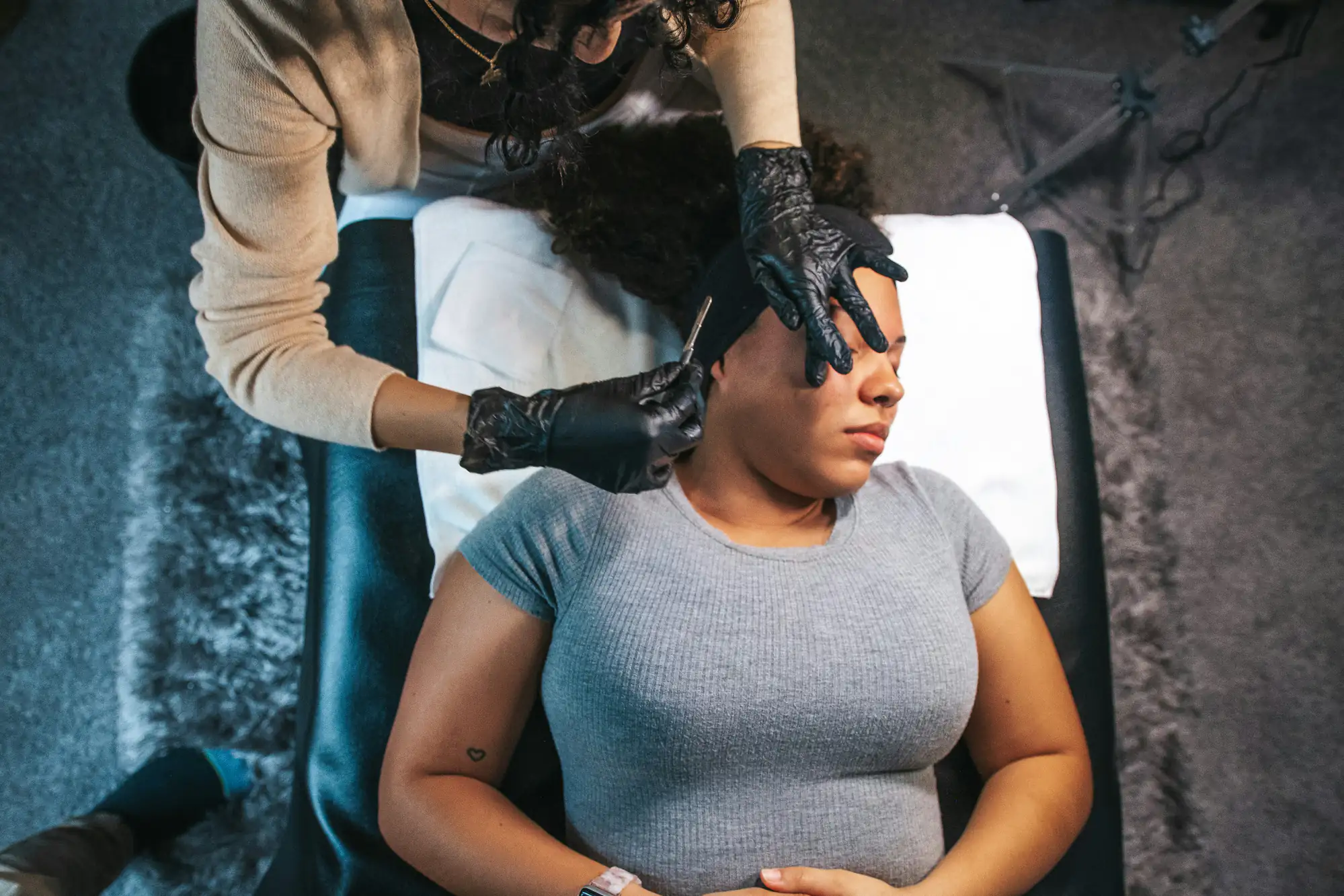
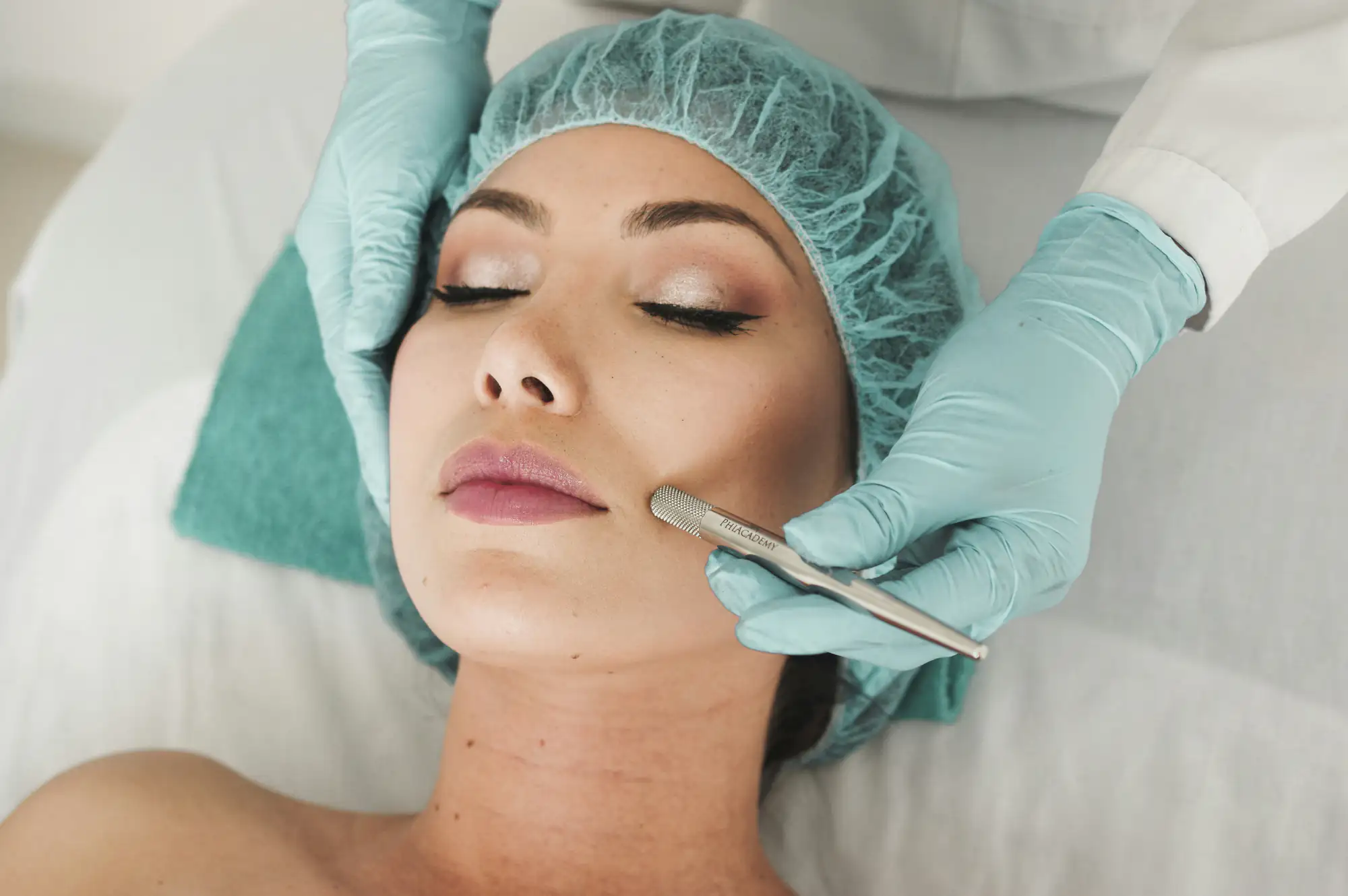
During the treatment, a surgical-grade blade is used at a 45-degree angle to gently scrape away dead skin cells and vellus hair—that’s the peach fuzz. This isn’t the same as shaving. The blade removes buildup from the surface without cutting into healthy skin. It’s precise, controlled, and completely safe when done by a trained professional.
The session takes about 30 minutes. There’s no numbing needed because it doesn’t hurt. Most people say it feels like a light scratching sensation. Once the treatment is done, your skin is immediately smoother and brighter.
You can add dermaplaning to other treatments like chemical peels, LED therapy, or hydrating masks. It preps your skin to absorb everything more effectively. Or you can do it as a standalone service if you just want that instant glow before a wedding, photoshoot, or big event.

Ready to get started?
Every dermaplaning facial at Wake Skincare includes a thorough skin evaluation, the dermaplaning treatment itself, and a personalized post-treatment plan so you know exactly how to care for your skin afterward.
You’re not rushed in and out. Jacqueline takes the time to understand what you’re dealing with—whether that’s dull skin, makeup application issues, product absorption problems, or texture concerns from acne scarring. The treatment is adjusted based on your skin’s sensitivity and your specific goals.
In Wake County, especially around Creedmoor and the surrounding areas like Wake Forest and Youngsville, clients often book dermaplaning before weddings, reunions, or professional events. It’s become a go-to for anyone who needs their skin to look its best on a specific date. The fact that there’s zero downtime makes it easy to fit into a busy schedule.
You also get guidance on what products to use after your session. Since your skin absorbs everything more effectively post-treatment, it matters what you’re putting on it. Jacqueline recommends specific serums, moisturizers, and SPF based on your skin type so you’re maximizing results at home, not just in the treatment room.
No. This is one of the most common myths about dermaplaning, and it’s not true. The hair that grows back after dermaplaning is the same texture, color, and thickness as before.
Vellus hair—the peach fuzz on your face—is different from terminal hair, which is the thicker, darker hair you see on your scalp or eyebrows. Dermaplaning only removes vellus hair. It doesn’t change the structure of the hair follicle, so it can’t make the hair grow back differently.
When the hair does grow back, it might feel slightly blunt at the tip because it was cut with a blade. But that’s temporary. Within a few days, the tip softens and it feels exactly like it did before. If shaving your face made hair grow back thicker, every man who shaves would have a beard like a bear by now.
Most people get dermaplaning every three to four weeks. That’s about how long it takes for your skin to go through a full cell turnover cycle.
If you’re using dermaplaning as part of a regular skincare routine, monthly sessions keep your skin smooth and help your products work better. If you’re booking it for a specific event, you’ll want to schedule it a few days before—not the day of—so your skin has time to settle.
Some people come in more frequently if they’re dealing with stubborn texture issues or preparing for a series of events. Others do it less often and use it as a quarterly refresh. It really depends on your skin’s needs and what you’re trying to maintain. During your consultation, Jacqueline will recommend a schedule based on your goals and how your skin responds to the first treatment.
Dermaplaning is safe for sensitive skin because it’s a physical exfoliation method that doesn’t use chemicals. If your skin reacts poorly to acids or retinoids, dermaplaning gives you another option for removing dead skin buildup without irritation.
That said, if you have active acne—especially cystic acne or open breakouts—dermaplaning isn’t recommended. The blade can spread bacteria and make things worse. But if you’re dealing with acne scars, uneven texture, or post-breakout pigmentation, dermaplaning can actually help smooth the surface and improve the appearance of those areas.
For sensitive skin, the key is working with someone who knows how to adjust pressure and technique based on your skin’s tolerance. Jacqueline evaluates your skin before starting and customizes the treatment so it’s effective without causing redness or irritation. If you’re unsure whether your skin is a good fit, the free consultation is where you get that answer.
You can, but it’s better to wait at least a few hours if possible. Your skin is freshly exfoliated, so it’s more sensitive to anything you put on it immediately after treatment.
If you have an event the same day and need to apply makeup, use clean brushes and stick to mineral-based or non-comedogenic products. Avoid anything with heavy fragrance or harsh ingredients. Your foundation will go on smoother than it ever has because there’s no peach fuzz or dead skin in the way.
Most people schedule dermaplaning a day or two before a big event rather than the morning of. That gives your skin time to settle and lets you see the full glow without any sensitivity. You’ll also want to avoid direct sun exposure and wear SPF 30 or higher for at least a week after your session, since your skin is more vulnerable to UV damage when the top layer has been removed.
Professional dermaplaning uses a surgical-grade scalpel held at a precise 45-degree angle to remove dead skin and vellus hair safely and effectively. At-home tools—like the razors you see at drugstores—aren’t the same.
Most at-home devices don’t have the same blade quality, and they’re not designed to exfoliate at the depth a professional tool can reach. You might remove some peach fuzz, but you’re not getting the same level of exfoliation or skin-smoothing results. There’s also a higher risk of nicking your skin or applying uneven pressure, which can lead to irritation or missed areas.
When dermaplaning is done by a licensed esthetician, the technique is controlled and consistent. Jacqueline has the training to assess your skin and adjust the treatment based on what she’s seeing in real time. You’re also in a sterile environment with professional-grade tools, which reduces any risk of infection or complications. If you want real results, not just surface-level peach fuzz removal, professional dermaplaning is the way to go.
Yes. Dermaplaning is one of the few facial treatments that’s completely safe during pregnancy and breastfeeding because it doesn’t involve chemicals, heat, or anything that penetrates the skin.
A lot of the treatments you might normally use—like chemical peels, retinoids, or certain laser therapies—aren’t recommended when you’re pregnant or nursing. Dermaplaning gives you a way to keep your skin smooth and glowing without any risk to you or your baby.
It’s especially helpful during pregnancy when your skin might be dealing with hormonal changes, dullness, or uneven texture. You get immediate results without worrying about what’s being absorbed into your bloodstream. Just make sure you’re working with a licensed professional who understands how to treat skin safely during this time. We have experience working with pregnant and nursing clients and can customize your session to keep you comfortable and your skin looking its best.