
Hear from Our Customers
Your makeup goes on smoother. Your skincare products absorb better instead of sitting on top of dead skin. Fine lines look softer, and that dull texture you’ve been dealing with? Gone after one session.
Dermaplaning removes up to three weeks of built-up dead skin cells in about 20 minutes. It’s not a scrub or a peel—it’s a precise, blade-based exfoliation performed by a licensed esthetician who knows exactly what they’re doing.
You walk out with skin that feels different immediately. No redness, no peeling, no waiting around for results to show up days later. This is the treatment people book before events, photos, or when they just want their face to cooperate.
And if you’ve been layering serums that don’t seem to do much, dermaplaning changes that. Once the barrier of dead skin is gone, your products can actually penetrate and work the way they’re supposed to.
Wake Skincare is led by Jacqueline Grace, a licensed esthetician who’s been named Best Esthetician in Wake County three years running. She’s also HydraFacial Master Certified, which puts her among the top practitioners worldwide—not just locally.
She’s not new to this. Before opening Wake Skincare in Wake Forest, Jacqueline trained and worked in New York City, then brought that level of precision and personalized care back to North Carolina. Her work has placed first internationally in pigmentation categories, and she’s built a reputation around results that show up immediately and last.
Fearrington Village clients drive to Wake Forest because the level of care here is different. Every dermaplaning session includes a free consultation, and every treatment is customized based on your skin type, concerns, and goals. You’re not getting a one-size-fits-all facial—you’re getting someone who listens, evaluates, and adjusts.

You’ll start with a free skin evaluation. Jacqueline looks at your skin type, any active concerns, and what you’re hoping to achieve. If dermaplaning is right for you, she’ll walk you through what to expect before anything starts.
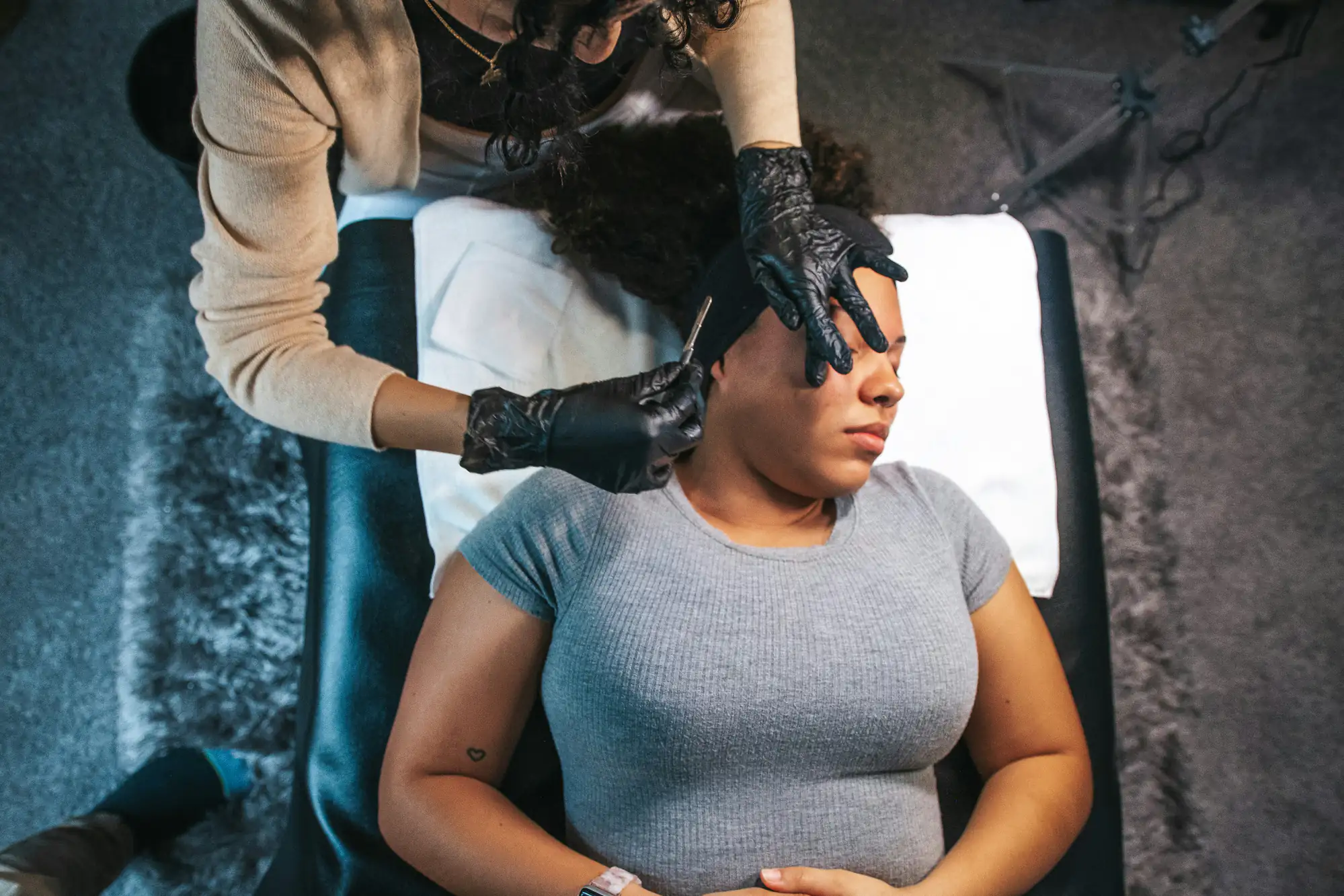
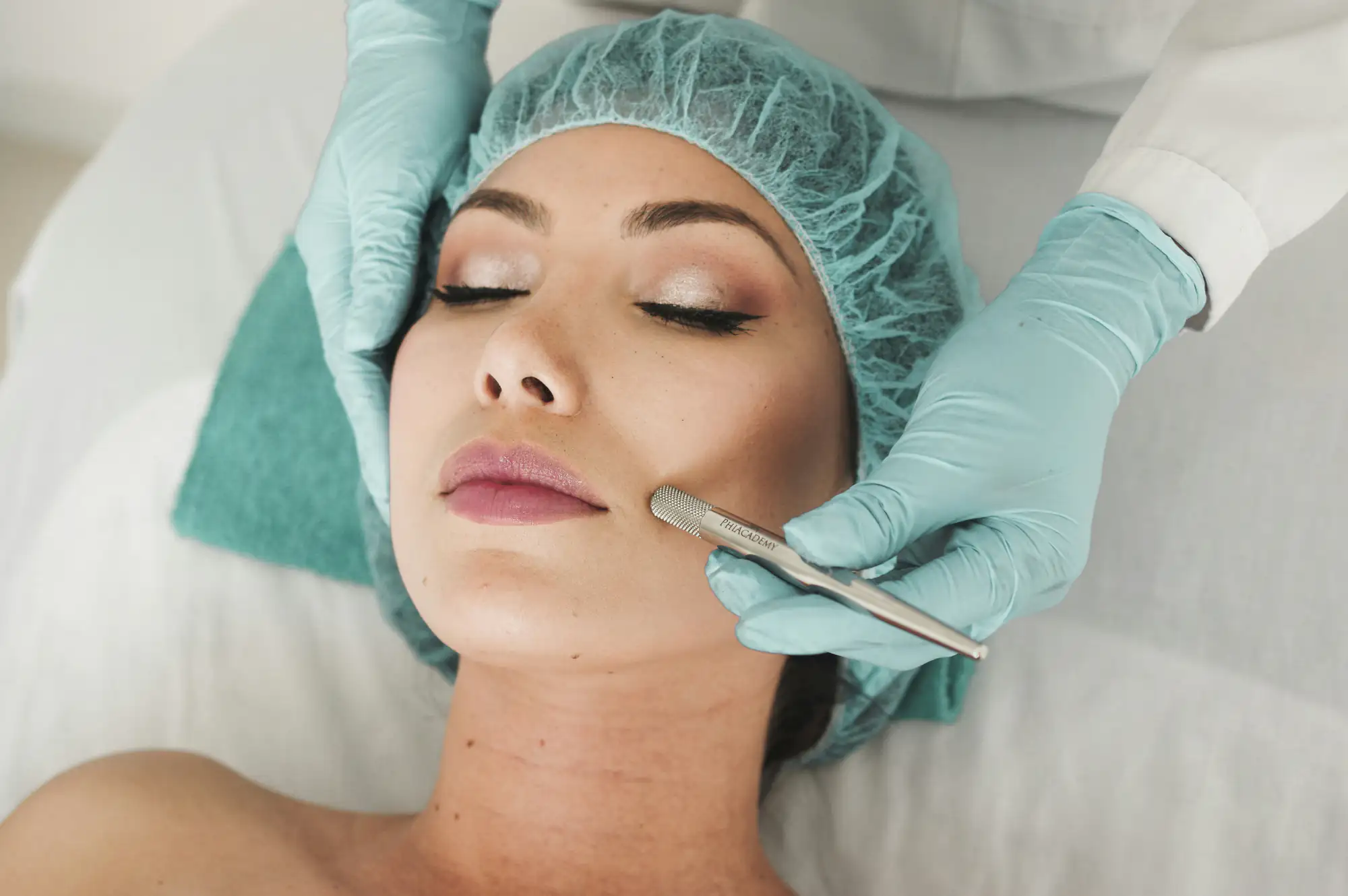
During the treatment, a sterile surgical blade is used at a 45-degree angle to gently remove dead skin cells and vellus hair (peach fuzz) from the surface of your face. It’s not painful. Most people say it feels like a light scratching sensation—some even find it relaxing.
The process takes 20 to 30 minutes. There’s no numbing needed, no downtime after, and no recovery period. You can go back to work, run errands, or head to dinner right after without anyone knowing you just had a treatment done.
Your skin will look smoother and brighter immediately. Over the next few weeks, you’ll notice your skincare products absorb faster, your makeup sits better, and your overall texture stays softer. Most clients come back monthly to maintain results, but the frequency depends on your skin and goals.

Ready to get started?
Every dermaplaning appointment at Wake Skincare includes a one-on-one consultation with Jacqueline. She evaluates your skin before the session and customizes the treatment based on what your skin needs that day—not what worked for the last client.
The dermaplaning itself is performed with medical-grade tools in a controlled, sterile environment. You’re not getting a rushed service or someone who just finished a weekend certification. You’re working with a licensed professional who’s done this thousands of times and knows how to adjust pressure, angle, and technique for different skin types.
After the treatment, Jacqueline applies serums and hydration that your freshly exfoliated skin can actually absorb. This is when your skin drinks up the good stuff—hyaluronic acid, peptides, antioxidants—because there’s no dead skin blocking the way.
Fearrington Village is about 30 minutes from Wake Forest, and clients from the area often combine dermaplaning with other treatments like HydraFacial or chemical peels for deeper results. If you’re dealing with hyperpigmentation, acne scarring, or sun damage, Jacqueline can map out a treatment plan that addresses those concerns over time instead of just offering a one-off service.
No. This is one of the most common myths about dermaplaning, and it’s been debunked repeatedly. Shaving or removing vellus hair (peach fuzz) does not change the structure, color, or thickness of the hair follicle.
When hair grows back after dermaplaning, it grows back with a blunt tip instead of a tapered one, which can make it feel slightly different for a day or two. But it’s the same hair—same texture, same color, same growth rate. It doesn’t come back darker, coarser, or more noticeable.
If this were true, everyone who shaves their face would have thick, dark stubble. That’s not how hair biology works. The follicle determines hair characteristics, and dermaplaning doesn’t touch the follicle—it only removes hair at the surface level.
Dermaplaning is safe for most skin types, including sensitive skin, but it’s not recommended if you have active acne, open wounds, or active cold sores. The blade can spread bacteria and make breakouts worse if you’re currently dealing with inflamed or cystic acne.
If you have acne scarring or post-inflammatory hyperpigmentation, dermaplaning can actually help. It removes the top layer of dead skin, which allows treatment products to penetrate deeper and work more effectively on discoloration and texture.
During your free consultation, Jacqueline evaluates your skin and lets you know whether dermaplaning is a good fit right now or if another treatment would be better. If your skin isn’t ready for dermaplaning today, she’ll tell you what needs to happen first and when you can safely book it.
Most clients come in every four to six weeks. That’s about how long it takes for dead skin cells to build up again and for vellus hair to grow back to a noticeable length.
Some people book dermaplaning before big events—weddings, photoshoots, vacations—and only come in a few times a year. Others make it part of their regular skincare routine because they like how their skin looks and feels when it’s consistently exfoliated.
There’s no hard rule. Your skin type, goals, and budget all play a role. Jacqueline will give you an honest recommendation during your consultation based on what she sees and what you’re trying to achieve. If monthly treatments aren’t necessary, she’ll tell you that too.
At-home dermaplaning tools are designed for surface-level hair removal. They’re not sharp enough or precise enough to remove the amount of dead skin that professional-grade tools can handle, and they don’t give you the same depth of exfoliation.
Professional dermaplaning uses a sterile surgical scalpel held at a specific angle with controlled pressure. It’s not something you can replicate at home safely, and if you try, you risk nicking your skin, causing irritation, or missing the areas that actually need attention.
The other difference is expertise. A licensed esthetician knows how to adjust technique based on skin type, where to avoid pressure, and how to treat different areas of the face. At-home tools don’t come with that level of customization or safety, and the results reflect that.
Yes, but it’s better to wait at least a few hours if you can. Your skin is freshly exfoliated, and while there’s no downtime or redness, it’s more receptive to everything you put on it—including makeup, dirt, and bacteria.
If you have an event the same day and need to apply makeup, just make sure your brushes and products are clean. Your makeup will go on smoother than usual because there’s no peach fuzz or dead skin in the way, so you’ll likely need less product than you’re used to.
Most clients schedule dermaplaning in the morning or during lunch and go about their day without makeup. Your skin looks good enough on its own right after the treatment that you don’t really need it. But if you do wear makeup, just be gentle with application and avoid anything too heavy or pore-clogging for the first 24 hours.
Dermaplaning doesn’t hurt. There’s no numbing required, and most people describe the sensation as a light scraping or scratching feeling. Some find it relaxing. If you’ve ever used a facial razor at home, it feels similar—just more controlled and precise.
There’s no downtime, no peeling, and no redness for most people. Your skin might feel slightly sensitive for a few hours after, similar to how it feels after a good exfoliation, but that’s it. You can go back to your normal routine immediately.
The only real side effect is increased sun sensitivity for a few days after treatment. Since you’ve removed the top layer of dead skin, your skin is more vulnerable to UV damage. Wearing SPF daily is already important, but it’s especially important in the week following dermaplaning. If you’re not someone who wears sunscreen regularly, Jacqueline will talk to you about that during your consultation.