Hear from Our Customers
Your makeup goes on smoother. Not just a little smoother—noticeably different, like you’re working with a completely new base. The peach fuzz that used to catch foundation under certain lighting is gone, and your skin reflects light the way it’s supposed to.
Your skincare products absorb faster and work better because there’s no barrier of dead skin blocking them. That serum you’ve been using for months? It finally gets to do its job.
You’ll notice the difference immediately. No redness, no recovery period, no explaining to coworkers why your face looks irritated. Just smooth, even texture that photographs well and feels better when you touch it. If you’ve got an event coming up or you’re just tired of fighting your own skin texture every morning, this is the reset that actually makes sense.
We serve Franklinton, NC and the surrounding Wake County area with the kind of expertise that’s been recognized internationally—not just locally. Jacqueline Grace has been named Best Esthetician in Wake County three years running and placed first in the Pigmentation Artist of the Year category at The Skin Games, an international aesthetics competition.
She’s also one of fewer than 100 practitioners worldwide to earn HydraFacial Master Certification. That’s not marketing language—it’s a measurable credential that required advanced training and demonstrated skill. We operate under the oversight of Dr. Joseph Hummel, which means you’re getting medical-grade safety standards without the clinical coldness.
Every dermaplaning appointment starts with a real consultation. Not a sales pitch, not a rushed overview—an actual conversation about what you’re dealing with and what results you’re looking for. Whether you’re in Franklinton, Wake Forest, Youngsville, or anywhere in the surrounding area, you’re getting the same level of personalized attention that’s built our reputation across the region.

You start with a consultation where we talk through your skin concerns and what you’re hoping to achieve. This isn’t a formality—it’s where we figure out if dermaplaning is the right move for you right now, or if combining it with another treatment makes more sense for your goals.
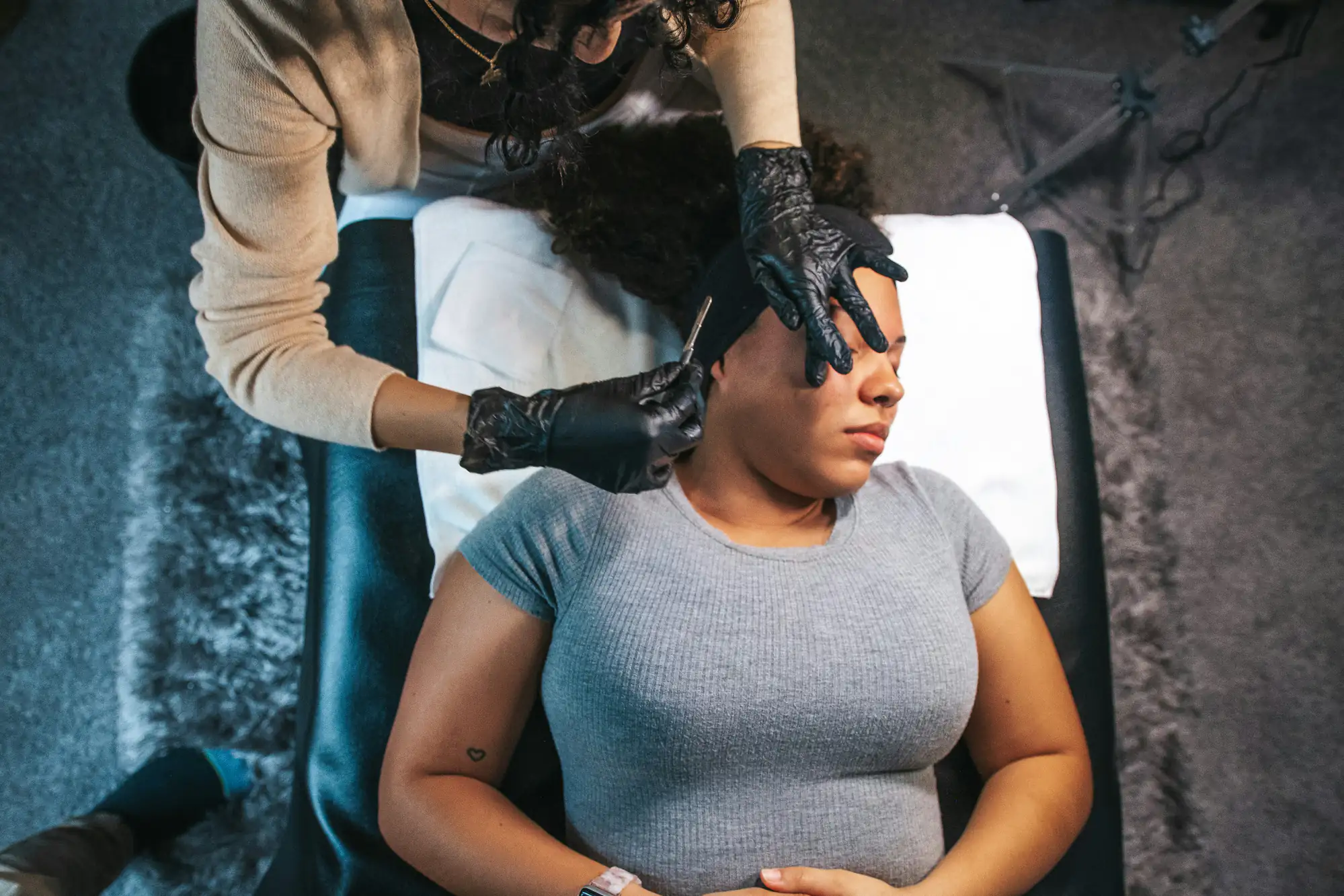
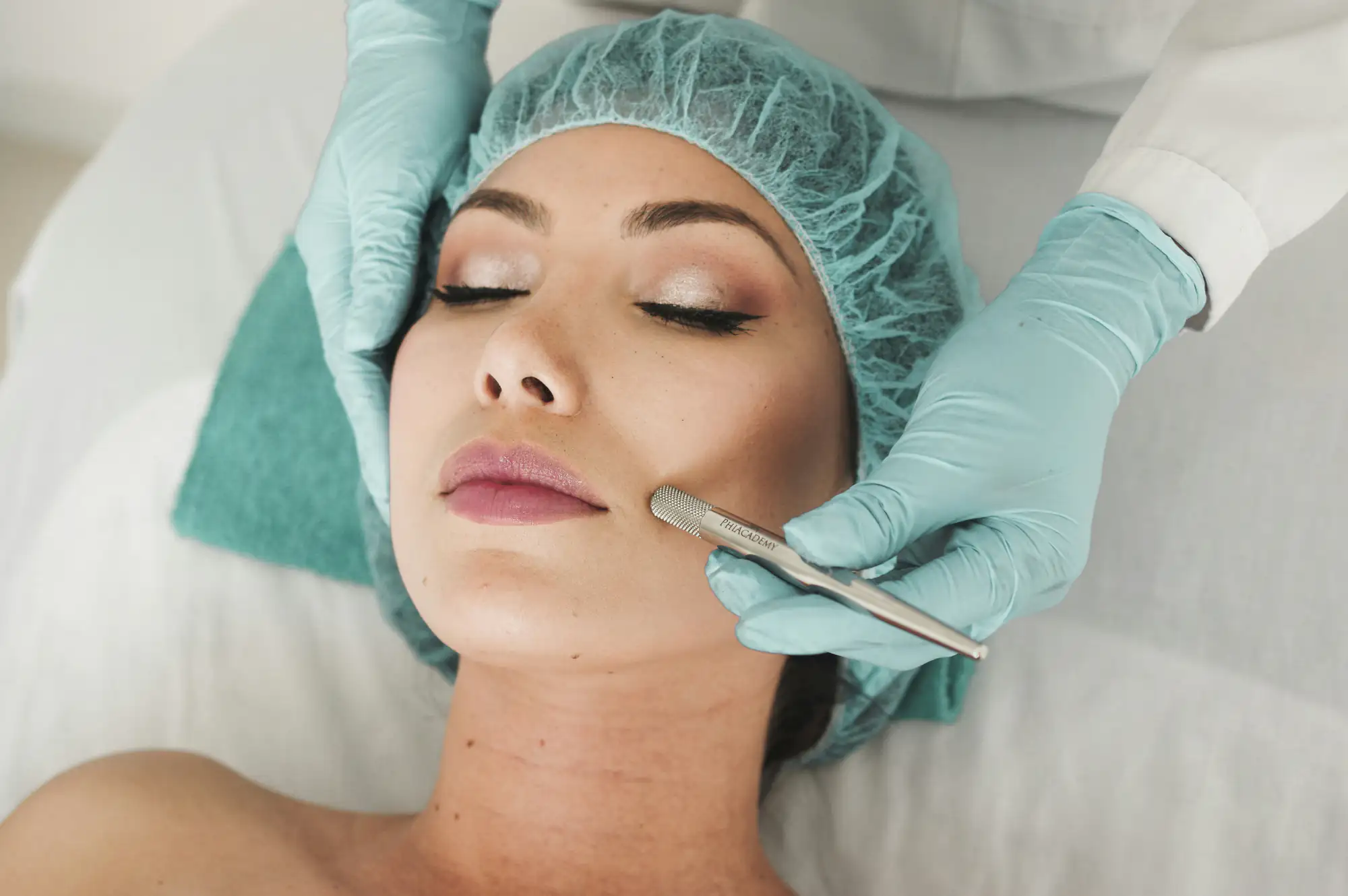
Once we’re on the same page, your skin gets prepped and cleansed. Then comes the actual dermaplaning: a surgical-grade scalpel held at a precise angle gently removes the top layer of dead skin cells and vellus hair (that peach fuzz). It’s not painful. Most people say it feels like a light scratching sensation, and some find it oddly satisfying.
The whole process takes about 30 minutes if you’re doing dermaplaning alone, or 60 minutes if you’re adding it to a HydraFacial—which, by the way, is one of the best combinations you can do for your skin. There’s zero downtime afterward. You can go back to work, run errands, meet friends for dinner. Your skin might be slightly pink for an hour or two, but that fades fast. What doesn’t fade is the smoothness and the way your skin catches light differently for the next few weeks.

Ready to get started?
Dermaplaning at Wake Skincare removes dead skin buildup and fine facial hair in one appointment. You’re not just getting a surface-level scrub—this is medical-grade exfoliation that changes how your skin behaves for weeks after.
In Franklinton, NC and throughout Wake County, clients book dermaplaning for weddings, photoshoots, or just because they’re tired of textured skin that doesn’t cooperate with makeup. The treatment works for most skin types, though it’s especially effective if you’re dealing with dull complexion, uneven texture, or fine lines that seem more pronounced than they should be.
You can book a standalone 30-minute dermaplaning session, or add it onto a HydraFacial for $60. That combination is particularly effective because the HydraFacial deeply hydrates and infuses serums right after dermaplaning has cleared the pathway. Your skin absorbs everything better, and the results are more dramatic than either treatment alone.
Every appointment includes a free skin evaluation and personalized recommendations. You’re not locked into a package or pressured into products you don’t need. The goal is to give you results you can see and a plan you can actually follow. Whether you’re coming from Rolesville, Creedmoor, Youngsville, or anywhere else in the area, the approach stays the same: honest assessment, skilled treatment, real results.
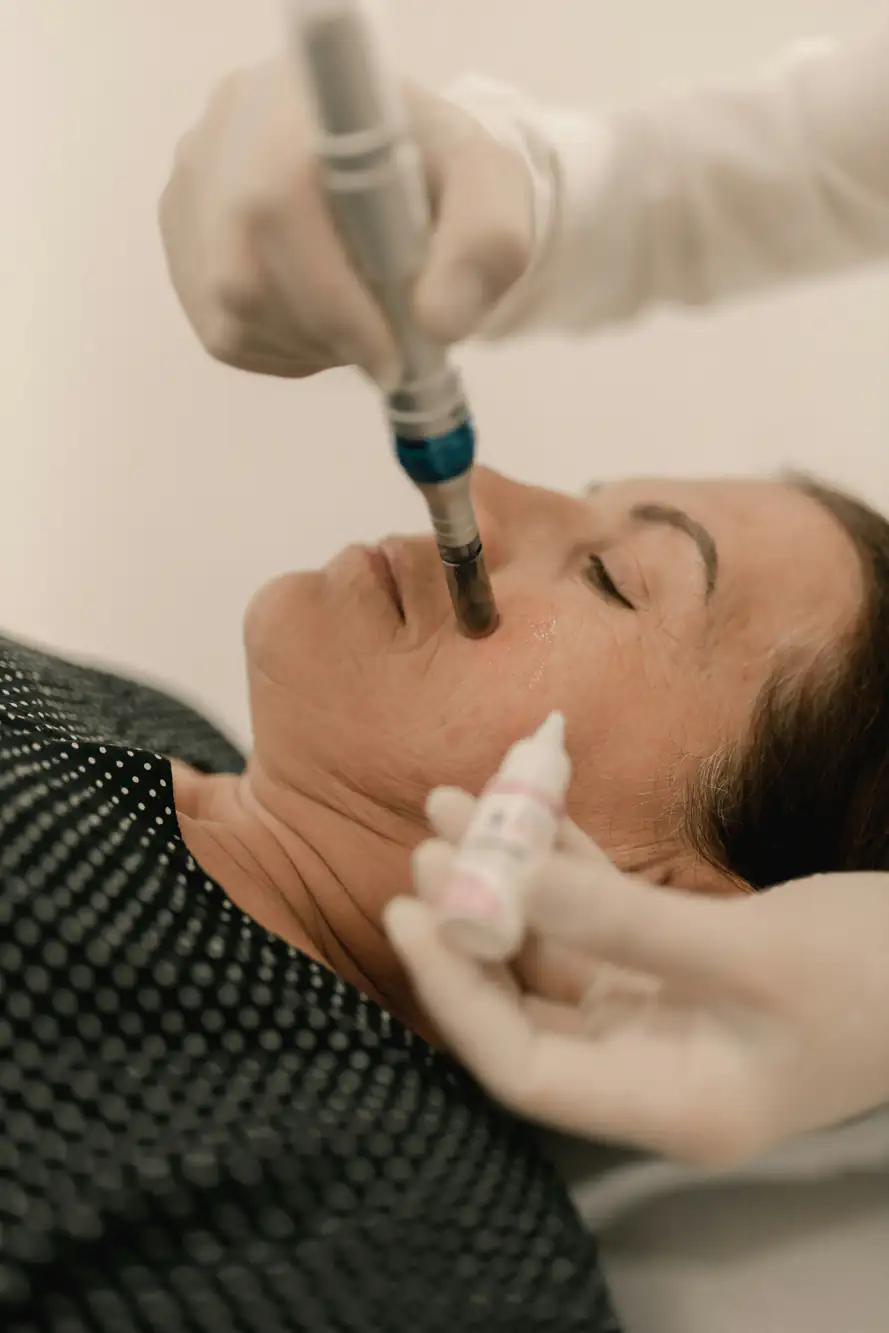
No. This is one of the most common myths about dermaplaning, and it’s not backed by science. The treatment removes vellus hair—the fine, soft peach fuzz on your face—which is structurally different from terminal hair like what grows on your scalp or eyebrows.
Vellus hair doesn’t have the same follicle depth or thickness as terminal hair. When it grows back after dermaplaning, it comes back exactly the same texture, color, and thickness as before. The reason people sometimes think it looks darker is because the hair has a blunt edge right after it’s been cut, which can make it temporarily more visible. But as it grows out, it tapers naturally and returns to its normal appearance.
If you’ve been avoiding dermaplaning because you’re worried about stubble or thicker regrowth, that’s not how it works. You’re removing soft fuzz, and soft fuzz is what grows back. The treatment is safe to repeat every 3-4 weeks without any change to your hair texture or growth pattern.
Most people see smooth, glowing skin for about three to four weeks after a dermaplaning treatment. That’s roughly how long it takes for your skin to complete its natural cell turnover cycle and for the vellus hair to grow back to a noticeable length.
The immediate glow you see right after your appointment—that “I just had a facial” look—lasts about a week. After that, your skin still looks better than before the treatment, but the ultra-smooth texture gradually softens as new skin cells build up and hair regrows. That’s completely normal and expected.
If you want to maintain that smooth, makeup-ready texture consistently, most clients book dermaplaning every four weeks. Some come in every three weeks if they have an event-heavy schedule or just prefer staying ahead of buildup. There’s no harm in regular treatments as long as your skin isn’t irritated or compromised. During your consultation, we’ll talk through a realistic maintenance schedule based on how your skin responds and what your goals are.
It depends on the type and severity of your acne. If you have active cystic acne, inflamed pustules, or open wounds, dermaplaning isn’t recommended. The treatment involves a blade moving across your skin, and dragging that over active breakouts can spread bacteria, cause further irritation, and make things worse.
That said, if you have occasional small breakouts, closed comedones, or acne scarring without active inflammation, dermaplaning can actually help. It removes the dead skin layer that can trap oil and bacteria, and it allows your acne treatments to penetrate more effectively. Many clients with acne-prone skin see improvement in texture and product absorption after dermaplaning.
The best approach is to come in for a free consultation so we can look at your skin in person. We’ll assess whether dermaplaning makes sense right now, or if we should wait until your skin calms down. If dermaplaning isn’t the right move, we can talk through other treatments like chemical peels or HydraFacial that might work better for your current skin condition. The goal is results, not forcing a treatment that isn’t appropriate.
For the first 24 hours after dermaplaning, skip anything that could irritate freshly exfoliated skin. That means no retinoids, no exfoliating acids like glycolic or salicylic, no scrubs, and no harsh active ingredients. Your skin has just had a significant layer of dead cells removed, so it’s more sensitive than usual.
You should also avoid direct sun exposure and wear a broad-spectrum SPF 30 or higher if you’re going outside. Your skin is more vulnerable to UV damage immediately after dermaplaning because the protective outer layer has been removed. This isn’t a forever rule—just a precaution for the first few days while your skin adjusts.
After that initial 24-48 hour period, you can resume your normal skincare routine. In fact, this is the perfect time to use your serums, moisturizers, and treatments because they’ll absorb better than they did before. Just ease back into active ingredients gradually and pay attention to how your skin responds. If something stings or causes redness, pull back and give your skin another day or two. Most people have zero issues and go right back to their routine without any sensitivity.
They’re different tools for different goals, and sometimes combining them makes the most sense. Dermaplaning physically removes dead skin and vellus hair using a blade. Microdermabrasion uses suction and abrasion to exfoliate. Chemical peels use acids to dissolve dead skin cells and trigger deeper cell turnover.
Dermaplaning is the gentlest of the three and has zero downtime. It’s ideal if you want immediate smoothness, better makeup application, and enhanced product absorption without any peeling or redness. It’s also the only option that removes facial hair, which is a big reason people choose it over other exfoliation methods.
Microdermabrasion goes slightly deeper and can help with rough texture, shallow scarring, and sun damage. Chemical peels penetrate even deeper depending on the strength, and they’re better for pigmentation issues, fine lines, and acne scarring. But both of those treatments come with more downtime and potential irritation.
The good news is you don’t have to pick just one. Many clients rotate between treatments depending on what their skin needs at the time, or they combine dermaplaning with a HydraFacial for a more comprehensive result. During your consultation, we’ll talk through what makes sense for your skin type, your concerns, and your schedule. There’s no one-size-fits-all answer, and that’s exactly why the conversation matters.
At Wake Skincare, dermaplaning is available as a standalone 30-minute treatment or as an add-on to other services like HydraFacial for $60. Pricing is straightforward—you’re not walking into a consultation wondering what the final bill will look like or getting upsold on things you didn’t ask for.
The cost reflects the level of training and expertise behind the service. You’re not getting dermaplaning from someone who took a weekend course. You’re getting it from a HydraFacial Master Certified esthetician who’s won international competitions and been recognized as the best in Wake County three years in a row. That matters when someone’s holding a surgical blade near your face.
Every appointment includes a free skin evaluation and consultation, so you’re not paying extra just to have a conversation about whether this treatment makes sense for you. We’ll talk through your goals, assess your skin, and give you honest recommendations—even if that means suggesting a different treatment or telling you to wait. The focus is on results you’ll actually see, not maximizing the ticket price. If you’re in Franklinton, Wake Forest, Rolesville, or anywhere in the surrounding area, you can book a consultation to go over pricing, timing, and what to expect.