Hear from Our Customers
Your skin looks different immediately. Smoother texture, visible glow, makeup that actually sits right instead of clinging to dry patches or fine hairs.
Dermaplaning removes about three weeks of dead skin buildup in one session. That means your serums absorb up to 35% better, your pores look smaller because they’re actually clean, and that peach fuzz that catches light or traps oil is gone.
You’re not dealing with redness, peeling, or recovery time. You can get this done on your lunch break and go straight back to work. Or book it two days before an event and show up looking like you just came back from a week at a spa.
This isn’t a temporary fix that fades by tomorrow. Results last three to four weeks, which is why most people schedule it monthly. You’re getting real improvement in texture, tone, and how your skin responds to everything else you’re already doing.
Wake Skincare is led by Jacqueline Grace, a licensed esthetician who’s been named Best Esthetician in Wake County three years running. She’s also HydraFacial Master Certified and took first place internationally in the Pigmentation Artist of the Year category at The Skin Games.
That’s not fluff. It means you’re working with someone who’s trained at the highest level and recognized for results, not marketing. Every dermaplaning treatment we offer uses sterile surgical scalpels and medical-grade techniques, and it’s customized based on your skin type, concerns, and what you’re trying to achieve.
We serve Fuquay-Varina, Wake Forest, Raleigh, Cary, Holly Springs, and over 20 other towns across Wake County. We’ve built our reputation on personalized care and immediate, noticeable results—not overpromising or pushing treatments you don’t need.

You start with a free consultation where your skin is evaluated and your goals are discussed. No pressure, no upselling—just a real conversation about what dermaplaning can do for your specific concerns.
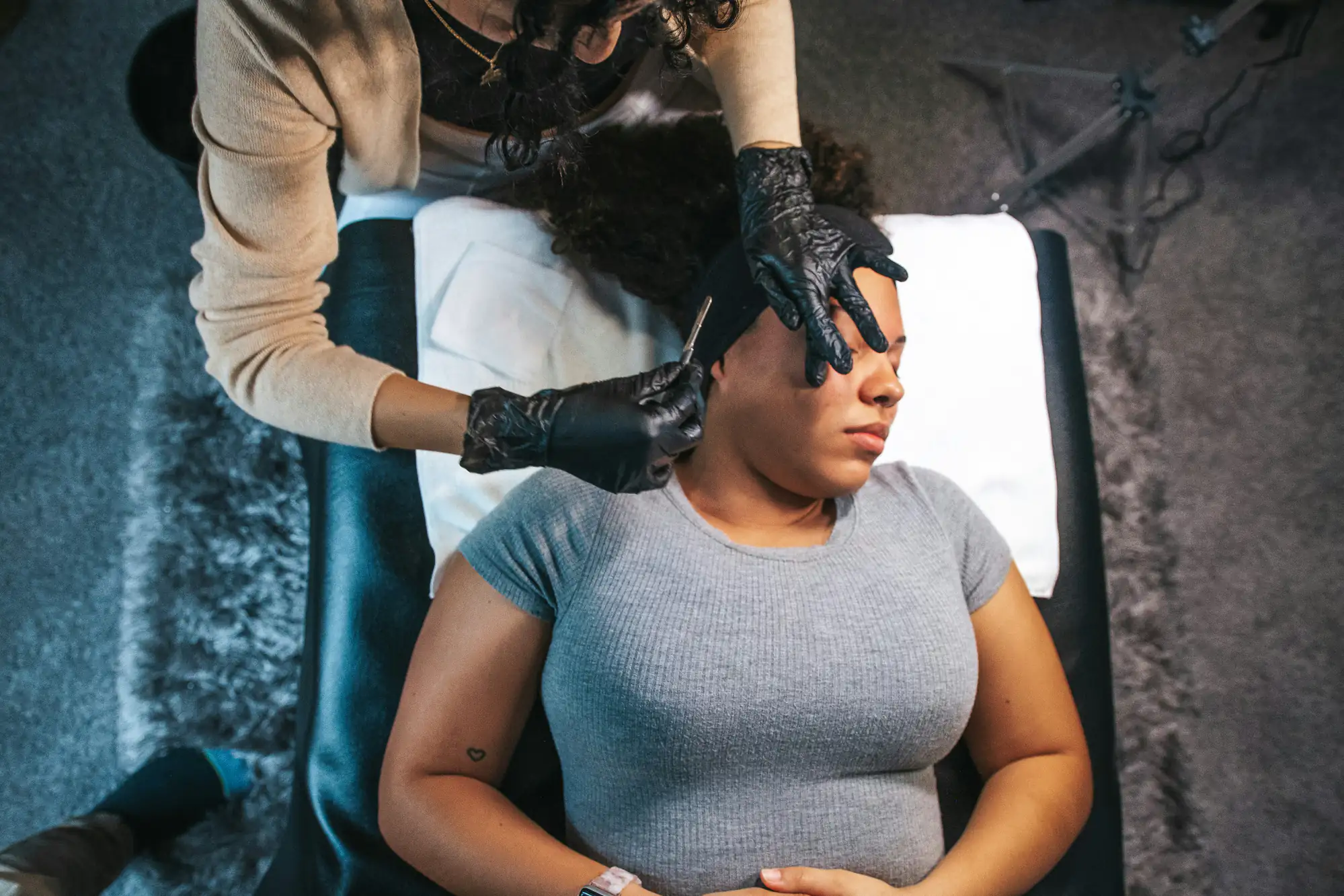
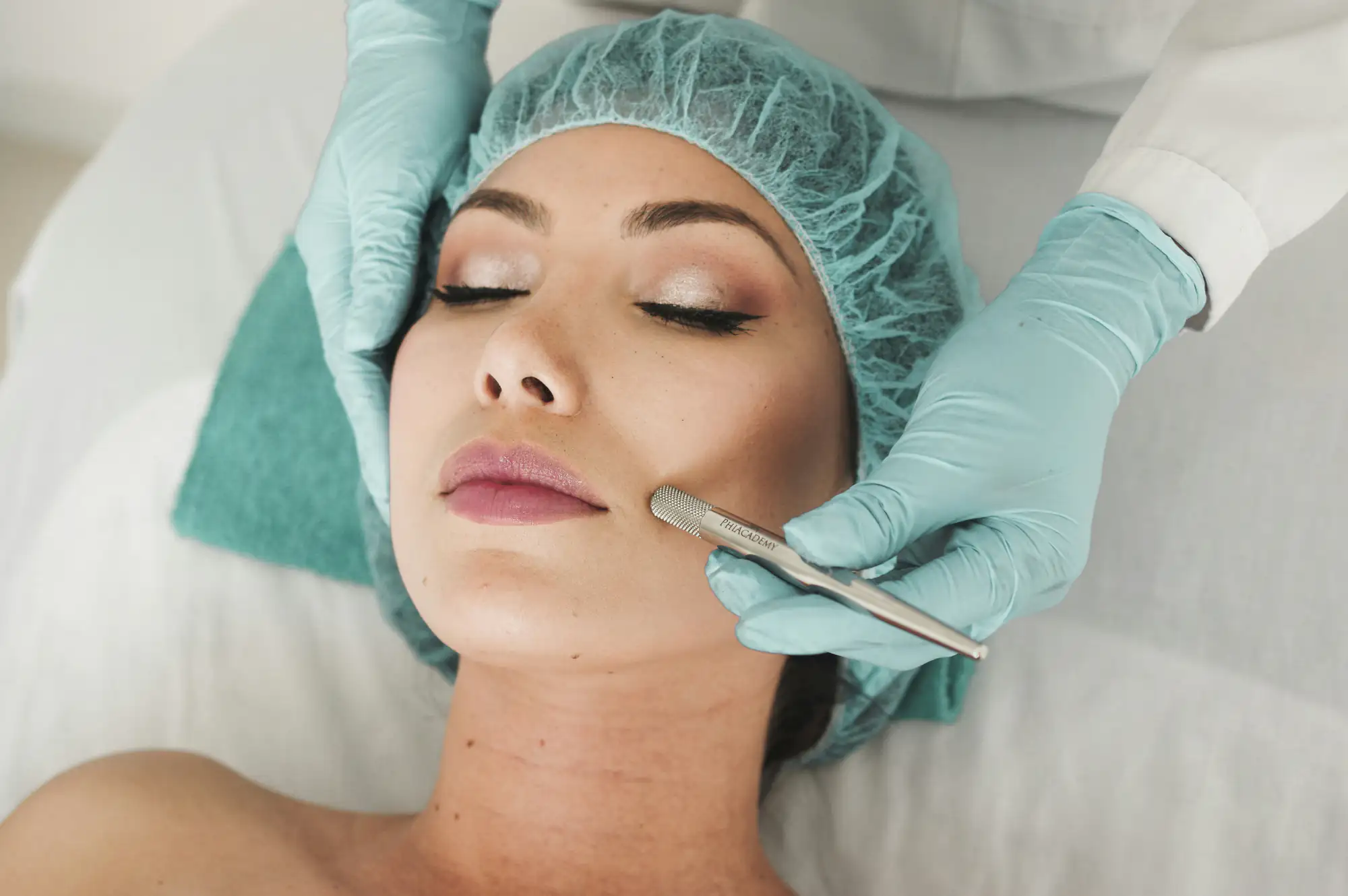
During the treatment, a sterile surgical scalpel is used at a 45-degree angle to gently remove dead skin cells and vellus hair from the surface. It’s not painful. Most people say it feels like a light scratching or brushing sensation. The process takes about 30 to 45 minutes depending on the areas being treated.
Afterward, your skin might look slightly pink for an hour or two, but that fades quickly. There’s no peeling, no downtime, no restrictions on makeup or going outside. You leave with smoother skin, better product absorption, and a glow that’s noticeable right away.
You’ll want to avoid direct sun exposure for a few days and wear SPF, which you should be doing anyway. Results last about three to four weeks, so most clients book monthly to maintain that smooth, radiant texture.

Ready to get started?
Every dermaplaning session at Wake Skincare includes a skin analysis, the treatment itself, and a post-treatment application of serums or moisturizers chosen specifically for your skin type. You’re not getting a one-size-fits-all approach.
The treatment removes approximately three weeks’ worth of dead skin, plus all the fine facial hair that traps oil and makes your skin look dull. That means your skincare products penetrate deeper, your makeup applies smoother, and your pores appear smaller because they’re actually clean.
Fuquay-Varina and the surrounding Wake County area have seen rapid growth, and with that comes more options for skincare. But not all providers use medical-grade techniques or have the certifications that actually matter. We combine holistic methods with clinical-grade standards, so you’re getting safe, effective treatment from someone who’s proven their skill at the highest levels.
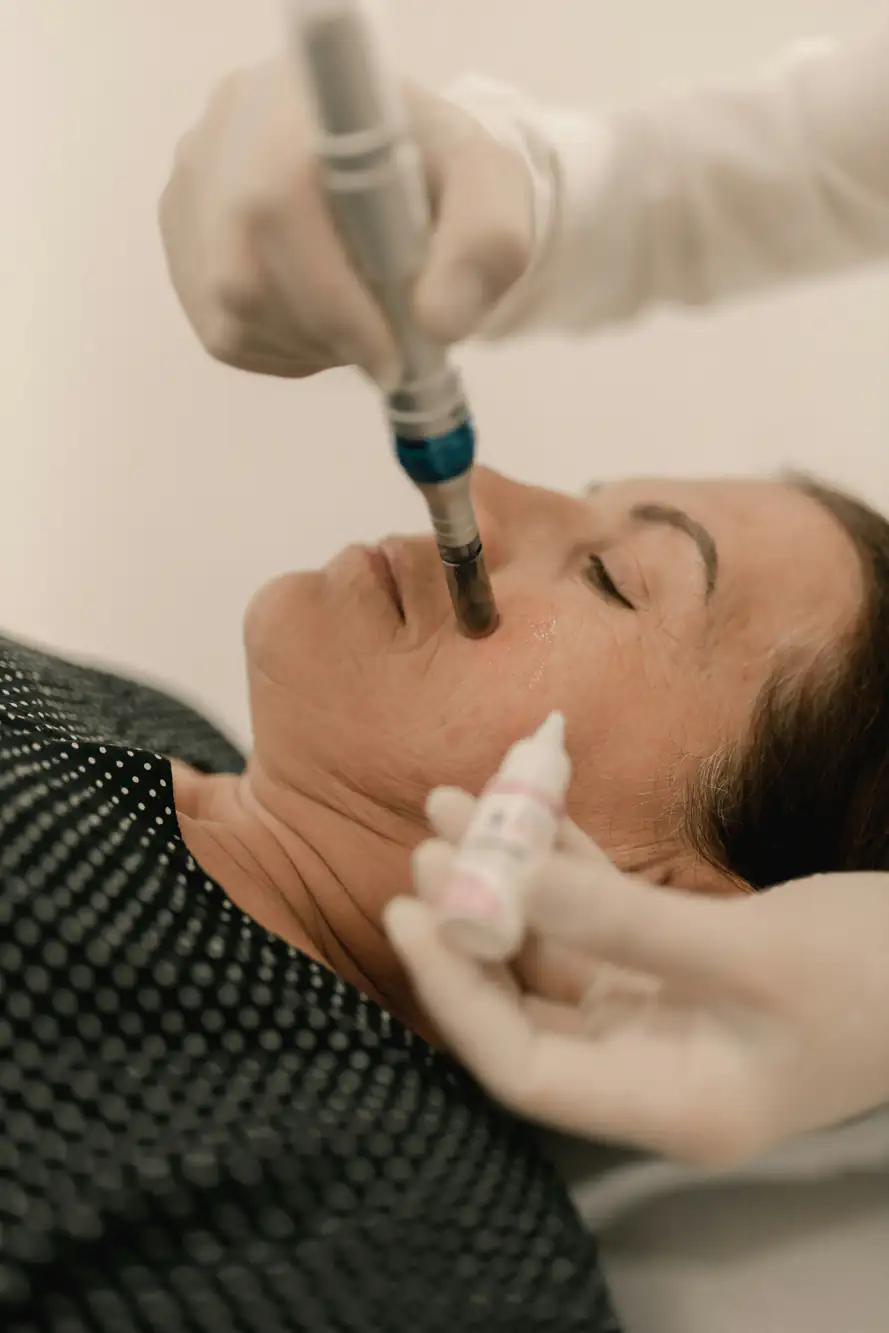
You can also combine dermaplaning with other treatments like HydraFacial, chemical peels, or microneedling to amplify results. That’s something worth discussing during your consultation, especially if you’re dealing with acne scarring, hyperpigmentation, or deeper texture issues.
No. This is one of the most common myths, and it’s completely false.
Dermaplaning removes vellus hair, which is fine, soft peach fuzz. It’s not the same as terminal hair, which is thicker and coarser. Vellus hair doesn’t have the same structure, and shaving or removing it doesn’t change the follicle or how it grows back.
When the hair grows back, it may feel slightly blunt at the tip because it was cut at the surface, but it’s the same texture, color, and thickness as before. You’re not going to wake up with a beard. That’s not how hair growth works, and decades of dermaplaning treatments have proven this over and over.
Most people schedule dermaplaning every three to four weeks. That’s how long it takes for your skin to build up another layer of dead cells and for the vellus hair to grow back.
If you’re getting it done more frequently than that, you risk over-exfoliating, which can irritate your skin and compromise your moisture barrier. Less than once a month usually means you’re not maintaining the smooth texture and glow you’re after.
Monthly treatments keep your skin in a consistent cycle of renewal. Your products absorb better, your makeup applies smoother, and you’re preventing buildup that leads to clogged pores and dullness. If you’re prepping for an event, book it two to three days before so any minor pinkness has time to fade and you’re glowing on the day that matters.
Dermaplaning is safe for most skin types, including sensitive skin, as long as it’s done correctly. It’s a physical exfoliation method that doesn’t use chemicals, heat, or harsh ingredients, so it’s actually gentler than a lot of other treatments.
That said, if you have active acne—especially cystic acne or open lesions—you should wait until it clears up. Dermaplaning over active breakouts can spread bacteria and make things worse. If you’re dealing with occasional breakouts or post-acne texture, dermaplaning can actually help by deep-cleaning your pores and removing the dead skin that clogs them.
During your free consultation at Wake Skincare, your skin will be evaluated to determine if dermaplaning is the right move or if another treatment would be better suited for where your skin is right now. The goal is results, not pushing a service that isn’t appropriate.
Professional dermaplaning uses a sterile surgical scalpel and requires training to perform safely and effectively. At-home tools are not the same—they’re typically duller, less precise, and increase your risk of nicks, irritation, or uneven results.
When you get dermaplaning done professionally, the practitioner is controlling the angle, pressure, and technique to remove dead skin and hair without damaging the healthy skin underneath. They’re also evaluating your skin in real time and adjusting based on texture, sensitivity, and areas that need more or less attention.
At Wake Skincare, you’re working with a licensed esthetician who’s award-winning and trained in medical-grade techniques. That’s not something you can replicate at home with a $15 tool from Amazon. If you want real results and you want them done safely, professional treatment is the only way to go.
Yes, and it’s actually one of the best ways to maximize your results. Dermaplaning removes the barrier of dead skin and hair, which means other treatments can penetrate deeper and work more effectively.
Pairing dermaplaning with a HydraFacial is especially popular because the exfoliation allows the serums to absorb better and the suction to pull more debris from your pores. You can also combine it with chemical peels, microneedling, or even Botox, depending on your goals and skin condition.
At Wake Skincare, treatment plans are customized based on what you’re trying to achieve. If you’re dealing with acne scars, sun damage, or fine lines, combining dermaplaning with another service might give you faster, more dramatic improvement. That’s something you’ll discuss during your consultation so you’re not guessing or overspending on treatments that don’t complement each other.
Dermaplaning typically costs between $75 and $150 per session, depending on the provider, location, and what’s included in the treatment. At Wake Skincare, you’re paying for medical-grade service from an award-winning esthetician, not a quick pass with a blade.
The price reflects the expertise, the sterile technique, the customized approach, and the quality of products used before and after the treatment. You’re also getting a free consultation upfront, so there’s no surprise pricing or pressure to commit before you know what you’re getting.
Most clients book dermaplaning monthly to maintain results, so it’s worth considering the long-term value. You’re investing in smoother skin, better product absorption, and a treatment that actually delivers on what it promises. Insurance doesn’t cover dermaplaning because it’s considered cosmetic, but the results speak for themselves.