
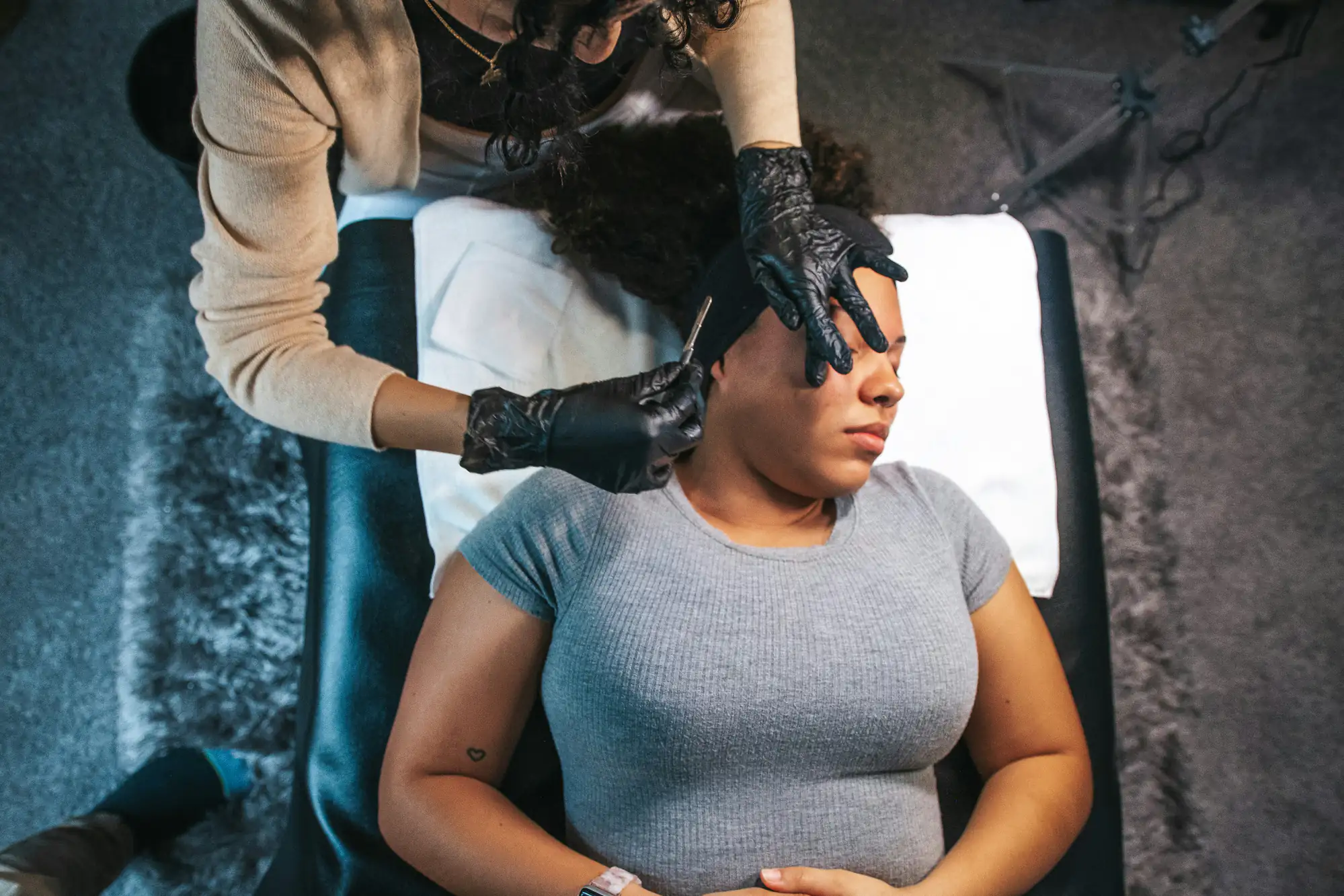
Hear from Our Customers
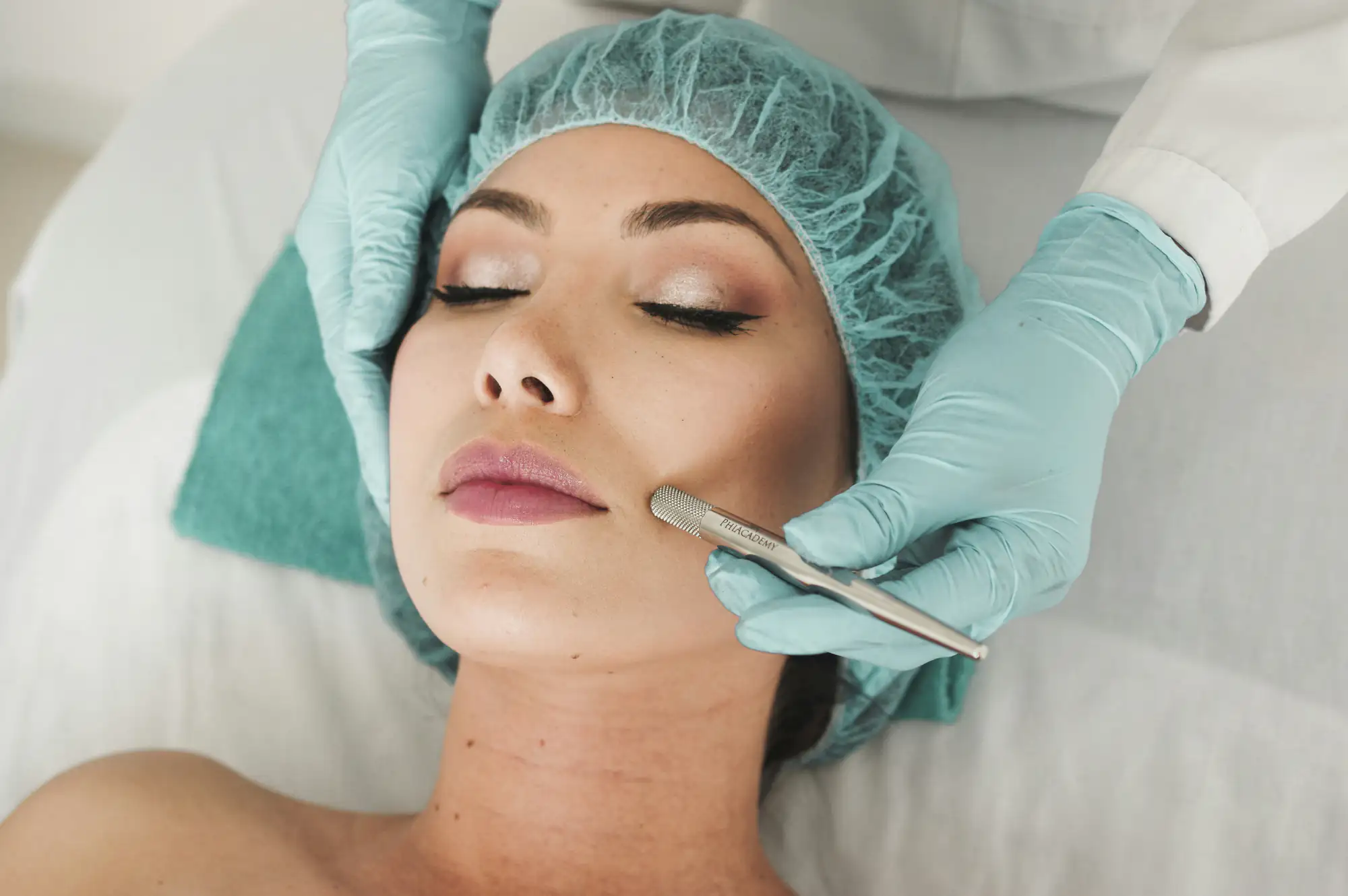
Your skin feels different immediately. Smoother to the touch, softer under makeup, more receptive to the serums you’re already using.
That dull, uneven texture you’ve been dealing with? It’s gone. The fine layer of vellus hair that catches foundation and makes your face look less polished? Removed cleanly with a surgical-grade scalpel during a process that most people say feels surprisingly gentle.
This isn’t about adding something to your skin. It’s about taking away what’s been sitting on the surface—dead cells, buildup, and fine hair—so everything underneath can actually show up. Your skincare absorbs faster. Your makeup sits flatter. And if you’re prepping for an event or just want to reset your routine, this does it without downtime or irritation.
The results you see right after your dermaplane facial aren’t temporary glow from irritation. They’re what your skin looks like when the barrier is clear and functioning the way it should.
Wake Skincare is led by Jacqueline Grace, a licensed esthetician who’s been named Best Esthetician in Wake County three years running. She’s also HydraFacial Master Certified and took first place internationally in the Pigmentation Artist of the Year category at The Skin Games.
That’s not marketing language. Those are credentials that matter when someone’s holding a scalpel near your face.
We’re located in Wake Forest and serve clients throughout Governors Village, NC and the surrounding Wake County area. Every dermaplaning treatment starts with a free consultation where we look at your skin, talk through your goals, and make sure this is the right move for you. No pressure, no upselling—just honest guidance from someone who knows what works.

We start with a skin evaluation during your free consultation. This helps us understand your texture, sensitivity, and what you’re trying to improve—whether that’s makeup application, product absorption, or just getting rid of dullness.
On treatment day, your skin is cleansed and prepped. Then we use a sterile surgical scalpel held at a 45-degree angle to gently remove the outermost layer of dead skin cells and vellus hair. The motion is controlled, the pressure is light, and the process takes about 30 to 45 minutes depending on the areas we’re treating.
Most people say it feels like a light scratching sensation. Not painful, not uncomfortable—just methodical. Once we’re done, we apply a hydrating serum or treatment mask that your skin can actually absorb now that the barrier’s clear. You leave with immediate smoothness, no redness, and no recovery time. You can put on makeup that same day if you want, though most people just enjoy how their skin looks on its own.

Ready to get started?
Every dermaplaning facial near our Governors Village, NC service area includes a full skin assessment, the treatment itself, and post-treatment skincare that’s chosen specifically for your skin type. We don’t use the same protocol on everyone because not everyone’s skin responds the same way.
If you’re dealing with hyperpigmentation, sun damage, or rough texture, we’ll talk through whether dermaplaning alone is enough or if pairing it with a chemical peel or microneedling session makes more sense. A lot of clients in the Governors Village and greater Wake County area come in before weddings, photos, or work events because the results show up right away and there’s zero downtime.
You’re not walking out with redness or peeling. You’re walking out with skin that looks polished, feels soft, and actually holds onto the skincare you apply later that night. For clients who want ongoing results, we typically recommend dermaplaning once a month. That timing aligns with your skin’s natural cell turnover cycle, so you’re always working with fresh skin instead of waiting for buildup to become visible again.
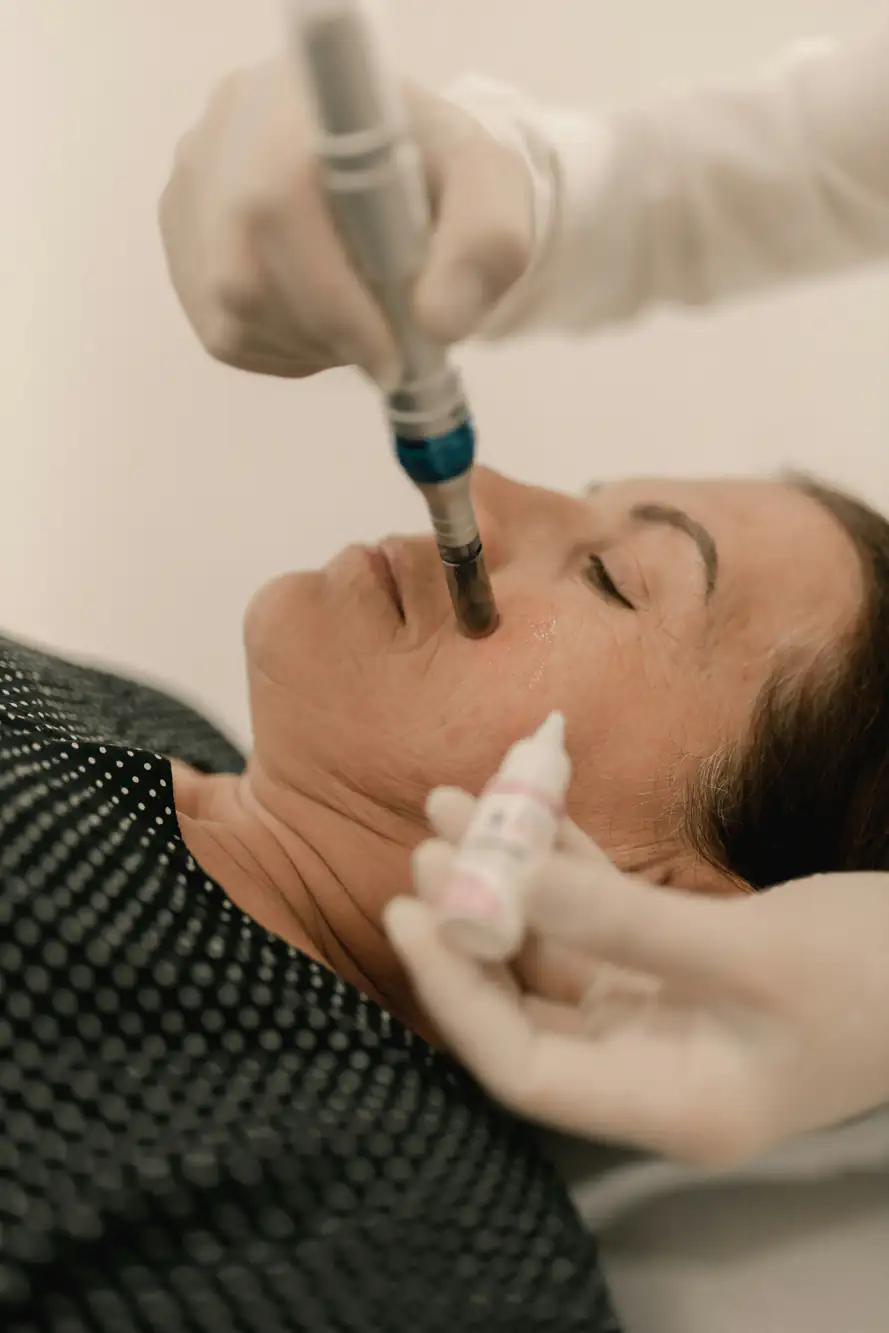
No. This is one of the most common myths about dermaplaning, and it’s not how hair biology works.
Dermaplaning removes vellus hair—the soft, fine peach fuzz on your face. Vellus hair doesn’t have the same structure as terminal hair (like the hair on your head or eyebrows). It doesn’t grow back thicker, darker, or coarser after being shaved or removed. The texture and color of your hair are determined by the follicle beneath the skin, and dermaplaning doesn’t touch or alter the follicle in any way.
What sometimes happens is this: after dermaplaning, the hair grows back with a blunt tip instead of a tapered one, which can make it feel slightly more noticeable for a day or two as it comes through the surface. But it’s the same hair, same thickness, same color. It just hasn’t been naturally worn down by friction yet. Within a few days, you won’t notice any difference in texture compared to before your treatment.
The tool, the technique, and the depth are all different. And that makes a big difference in what you’re actually removing and how your skin responds.
At-home dermaplaning tools or razors are designed for safety and convenience, which usually means they don’t get close enough to the skin to remove the full layer of dead cells. They might take off some peach fuzz, but they’re not exfoliating at the level that creates the smooth texture and improved absorption you’re looking for. Professional dermaplaning uses a sterile surgical-grade scalpel held at a precise 45-degree angle, which allows for controlled removal of both vellus hair and the outermost layer of dead skin without nicking or irritating the surface.
There’s also the issue of technique. If the angle or pressure is off, you’re either not removing enough or you’re risking irritation and micro-cuts. Licensed estheticians are trained to work with the contours of your face, adjust pressure based on skin thickness, and avoid areas where dermaplaning isn’t appropriate (like active breakouts or inflamed skin). You’re not just paying for the tool—you’re paying for someone who knows how to use it correctly and what to do if your skin doesn’t respond the way it should.
Yes, but it depends on what’s happening with your skin right now. Dermaplaning is one of the gentler exfoliation methods because it’s entirely mechanical—no chemicals, no heat, no suction. That makes it a good option for people who react badly to acids or retinoids.
That said, if you have active acne, cystic breakouts, or inflamed skin, we’ll usually recommend waiting until things calm down. Dermaplaning over active breakouts can spread bacteria and make things worse. But if your acne is under control or you’re dealing with post-acne texture and pigmentation, dermaplaning can actually help by removing the dead skin that’s making those areas look more pronounced.
For sensitive skin, the key is in the prep and aftercare. We’ll look at your skin during the consultation and decide if dermaplaning makes sense or if something like a gentle enzyme treatment is a better starting point. If we do move forward, we’ll use calming serums afterward and give you clear instructions on what to avoid for the next few days (like active ingredients, direct sun exposure, and anything that might irritate the freshly exfoliated surface). Most people with sensitive skin tolerate dermaplaning well as long as it’s done correctly and they’re not using harsh products immediately after.
Before your appointment, stop using retinoids, acids, and any other active exfoliants for at least three days. Your skin needs to be calm and intact, not already irritated or over-exfoliated. If you’ve had any other facial treatments recently—like chemical peels, laser, or microneedling—let us know during your consultation so we can make sure there’s enough time between treatments.
On the day of your appointment, come in with a clean face. No makeup, no heavy creams, nothing that’s going to interfere with the scalpel or create a barrier. If you’re coming straight from work or an event, that’s fine—we’ll cleanse your skin as part of the prep.
After dermaplaning, your skin is more exposed than usual because we’ve just removed that protective layer of dead cells. That means it’s also more vulnerable to sun damage, irritation, and dryness. For the next few days, skip the actives (retinol, glycolic acid, salicylic acid, vitamin C), avoid direct sun exposure, and wear a broad-spectrum SPF every single day. Don’t use harsh scrubs, loofahs, or anything abrasive on your face. Stick with gentle cleansers, hydrating serums, and a good moisturizer. Your skin will absorb products better right now, so this is actually a great time to use the high-quality stuff you’ve been saving—just make sure it’s not irritating.
Most people see the best results when they come in once a month. That timing matches up with your skin’s natural cell turnover cycle, which is about 28 to 30 days for most adults (and longer as you age).
If you’re getting dermaplaning regularly, you’re consistently removing the buildup before it becomes visible or starts affecting how your skin feels and how your products perform. You’re also keeping that smooth texture and even tone without waiting for dullness to creep back in. Some clients come in every four to six weeks depending on their skin type, their routine at home, and what else they’re doing for exfoliation.
If you’re booking dermaplaning for a specific event—like a wedding, photos, or a big work presentation—schedule it two to five days before. That gives your skin time to calm down from any minor redness (which usually fades within a few hours) and lets you see the full result without worrying about same-day sensitivity. For ongoing maintenance, monthly appointments keep your skin in that smooth, receptive state where everything you’re doing at home actually works the way it’s supposed to.
Dermaplaning helps with hyperpigmentation, but it’s not a standalone solution. What it does is remove the dead skin cells that are sitting on top of the pigmented areas, which makes the discoloration look lighter and less obvious right away. It also increases cell turnover, which means your skin is shedding pigmented cells faster and replacing them with fresh ones.
But here’s the thing: if the pigmentation is deeper in the skin (which is common with melasma or post-inflammatory hyperpigmentation from acne), dermaplaning alone won’t erase it. It will improve the surface appearance and make your brightening serums and treatments absorb better, but you’ll likely need to pair it with something else—like a chemical peel, targeted pigment-correcting products, or a series of treatments that address the deeper layers.
During your free consultation, we’ll look at your skin and talk through what’s causing the pigmentation and how deep it goes. If dermaplaning is a good fit, we’ll build it into a plan that includes the right at-home products and possibly other treatments. A lot of clients in Governors Village dealing with sun damage or uneven tone see the most dramatic improvement when they combine monthly dermaplaning with a solid brightening routine and consistent SPF. The dermaplaning clears the path, and everything else works better because of it.