Hear from Our Customers
Your foundation stops clinging to dry patches. Your skincare products actually absorb instead of sitting on the surface. That dull, uneven texture you’ve been covering up with layers of makeup? Gone.
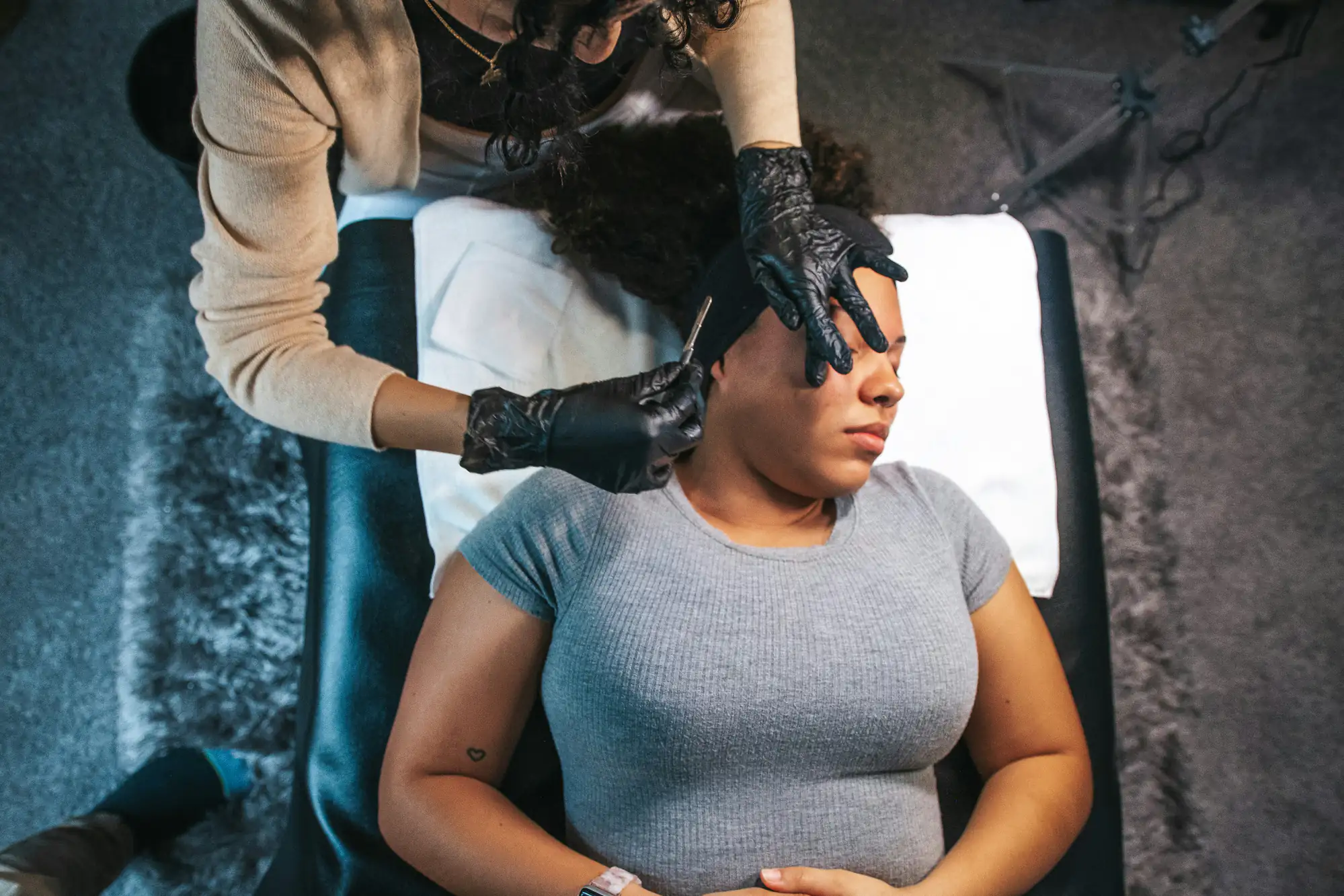
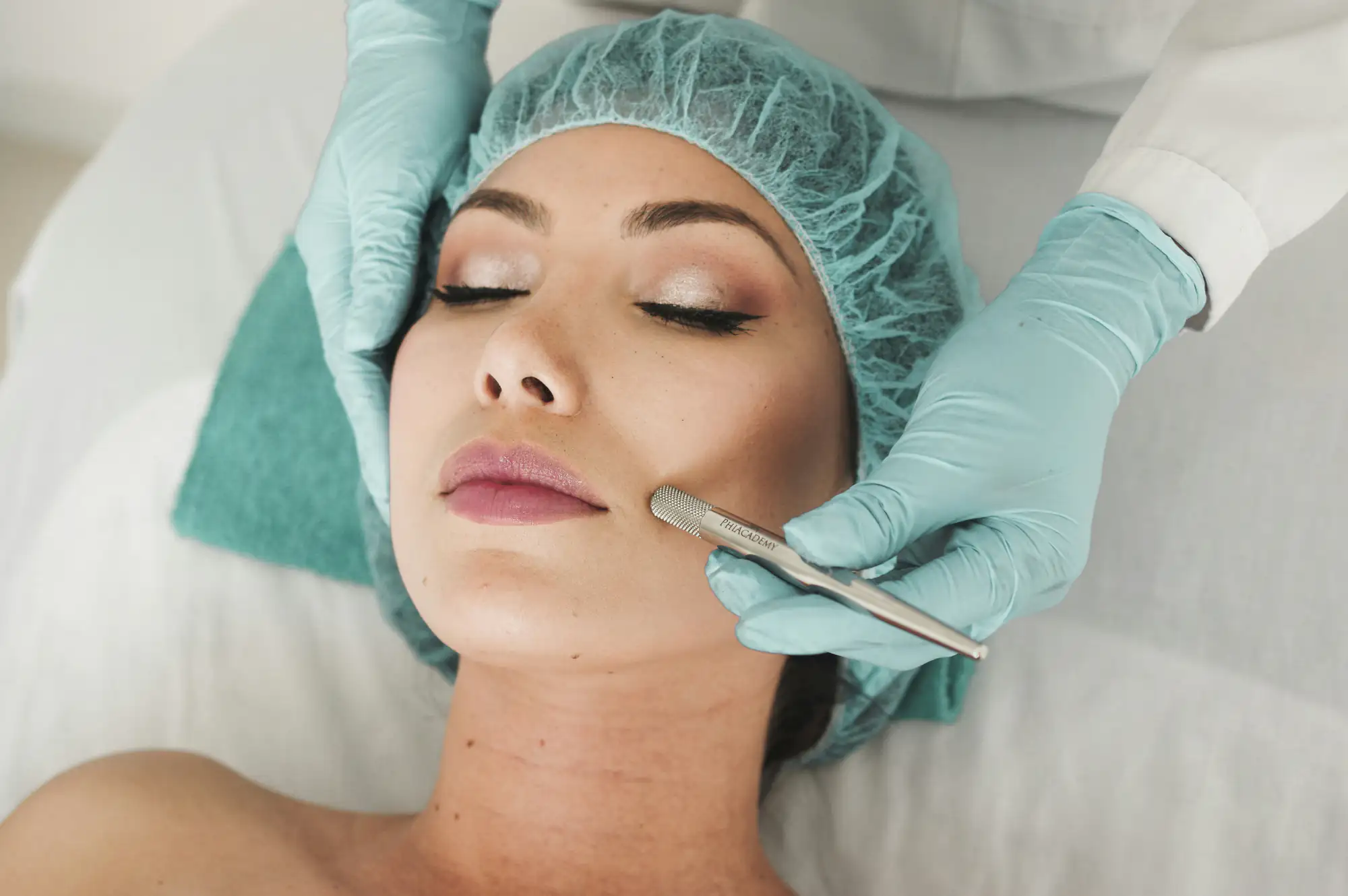
Dermaplaning removes the top layer of dead skin cells and fine facial hair using a precise surgical blade. It’s not aggressive, but it’s thorough. You’re left with skin that feels softer than it has in years and looks noticeably brighter the moment you stand up from the treatment table.
This isn’t a multi-week commitment before you see results. You’ll notice the difference immediately. Your skin reflects light differently. Makeup glides on smoothly. And if you’ve got an event coming up, this is the treatment that delivers exactly when you need it to.
We opened in Wake Forest right before COVID shut everything down. That timing could’ve ended things before they started, but instead, we built a reputation that’s earned recognition three years running as Best Esthetician in Wake County.
Jacqueline Grace, the licensed esthetician behind Wake Skincare, holds HydraFacial Master Certification and has placed first internationally in the Pigmentation Artist of the Year category at The Skin Games. That’s not local recognition—that’s competing against estheticians worldwide and coming out on top.
Henderson and the surrounding areas don’t have many options for medical-grade skincare that’s also personalized. Most places either go full clinical and impersonal, or they’re all about relaxation with no real results. We sit right in the middle: professional-grade treatments with one-on-one attention that actually addresses what you’re dealing with.

You start with a free consultation. Not a sales pitch—an actual conversation about what’s going on with your skin, what you’ve tried, and what you’re hoping to fix. That’s where the treatment plan gets built.
When you come in for dermaplaning, your skin gets cleansed first to remove any makeup, oil, or surface debris. Then a small surgical scalpel is used at a 45-degree angle to gently scrape away dead skin cells and vellus hair (the peach fuzz). The process is methodical and precise, covering your entire face except the areas where hair growth is coarser.
There’s no numbing needed because it doesn’t hurt. Most people say it feels like a light scratching sensation. The whole treatment takes about 30 to 45 minutes, and you can go right back to your day. No redness, no peeling, no hiding at home for a week. Just smoother, brighter skin that’s ready for whatever’s next on your calendar.

Ready to get started?
Henderson sits in a unique spot where you’re close enough to Raleigh and Wake Forest for access to quality skincare, but far enough out that your options thin out quickly. A lot of people here are driving 20 to 30 minutes just to find an esthetician they trust. We serve Henderson along with 22 other cities across Wake County, and dermaplaning is one of the most requested treatments.
It’s popular because it works for almost everyone. Sensitive skin, aging skin, acne-prone skin—dermaplaning is gentle enough that it rarely causes irritation, but effective enough that you see a difference right away. It’s also one of the few treatments that preps your skin for everything else. If you’re doing chemical peels, microneedling, or even just using retinol at home, dermaplaning helps those treatments penetrate deeper and work better.
You also get better product absorption after dermaplaning, which means the serums and moisturizers you’re already spending money on actually do more. And if you’re someone who struggles with makeup looking cakey or uneven, removing that layer of peach fuzz makes a massive difference in how foundation sits on your skin. It’s a treatment that solves multiple problems at once without adding complexity to your routine.
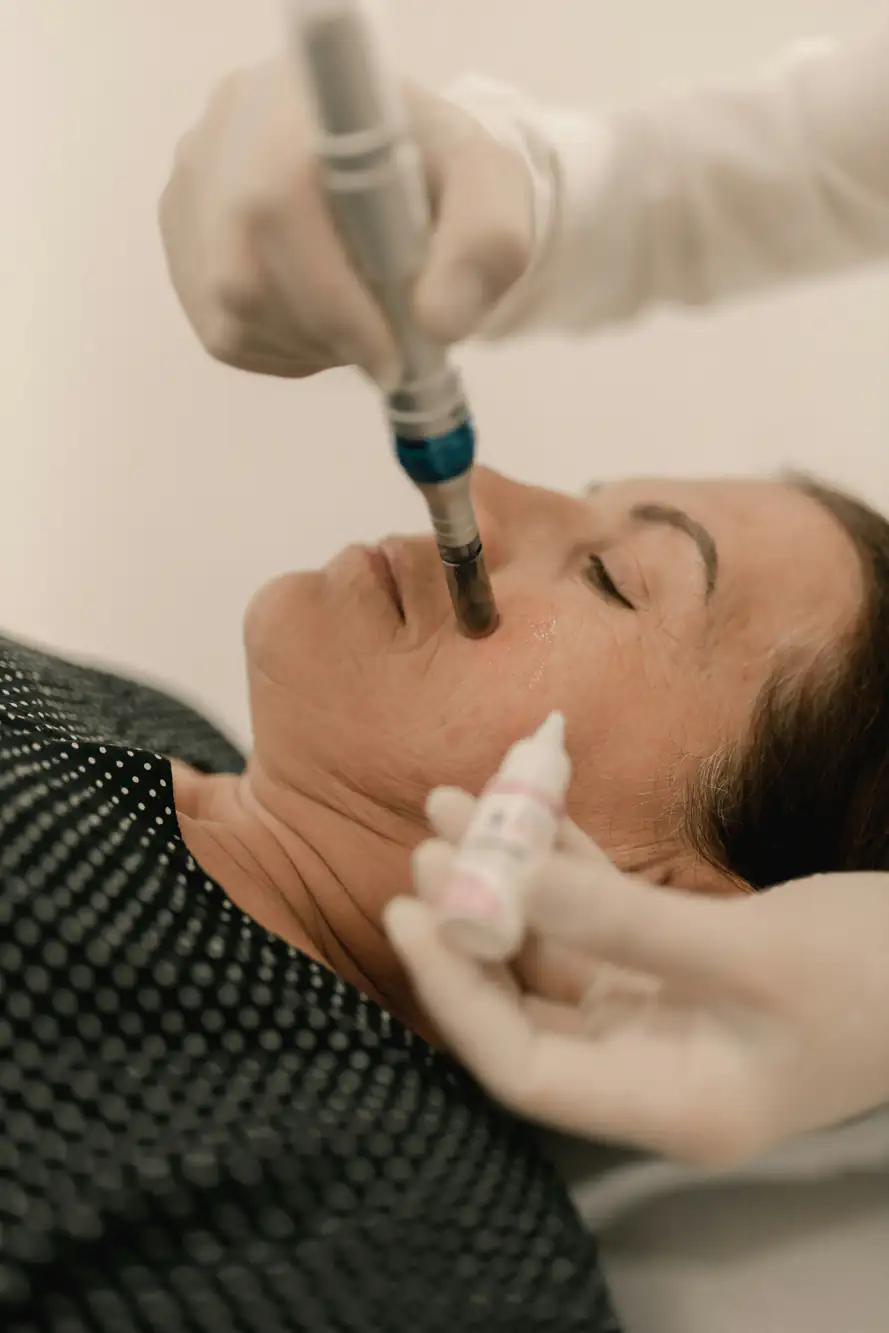
Dermaplaning should never be done at home. The blade angle, pressure, and technique all matter, and getting any of those wrong can lead to cuts, irritation, or uneven results that make your skin look worse instead of better.
When a licensed esthetician performs dermaplaning, they’re using a sterile surgical scalpel in a controlled environment. They know how to work around the contours of your face, avoid sensitive areas, and remove dead skin without damaging the healthy skin underneath. At-home tools don’t give you that precision, and most people end up either being too cautious (and not removing enough) or too aggressive (and causing damage).
The other issue with DIY dermaplaning is sanitation. Professional-grade tools are single-use and sterile. The razors marketed for at-home dermaplaning aren’t held to the same standard, and using them increases your risk of infection or breakouts. If you want the results dermaplaning actually delivers, it’s worth booking a professional appointment instead of trying to replicate it in your bathroom.
Most people see the best results when they schedule dermaplaning every three to four weeks. That timing lines up with your skin’s natural cell turnover cycle, so you’re removing dead skin as it builds up without overdoing it.
If you’re using dermaplaning as a one-time treatment before an event, that works too. You’ll get that immediate smoothness and glow, and your makeup will apply flawlessly. But if you’re dealing with ongoing texture issues, dullness, or stubborn dry patches, regular treatments give you more consistent results over time.
Some clients combine dermaplaning with other treatments like HydraFacial or chemical peels. In those cases, we’ll adjust the schedule based on how your skin responds and what else you’re doing. There’s no one-size-fits-all answer, but three to four weeks is the sweet spot for most people who want to maintain that smooth, bright complexion without overloading their skin.
No. This is one of the most common myths about dermaplaning, and it’s completely false. Shaving or removing vellus hair (peach fuzz) does not change the structure, color, or thickness of the hair follicle.
When hair grows back after dermaplaning, it might feel slightly blunt at the tip because it was cut straight across. That can create the illusion that it’s thicker, but it’s the exact same hair that was there before. The follicle itself hasn’t changed. You’re not going to wake up with coarse, dark hair where you used to have fine, light fuzz.
Dermaplaning only removes hair at the surface level. It doesn’t affect the root or stimulate growth in any way. If you’ve ever heard someone say their facial hair came back worse after dermaplaning, they’re either misremembering what their hair looked like before, or they’re confusing dermaplaning with a different treatment. The hair grows back exactly as it was.
It depends on the type and severity of your breakouts. If you have active cystic acne or open, inflamed lesions, dermaplaning isn’t recommended because the blade can spread bacteria and make the breakouts worse.
But if you’re dealing with closed comedones (small bumps under the skin), occasional pimples, or post-acne texture, dermaplaning can actually help. Removing the layer of dead skin cells allows your acne treatments to penetrate better, and it clears out some of the buildup that contributes to clogged pores.
During your free consultation, we’ll assess your skin and let you know whether dermaplaning is a good fit right now or if you’d be better off waiting until your skin calms down. In some cases, we might recommend starting with a different treatment first—like a deep-cleansing facial or chemical peel—and then adding dermaplaning once your skin is in a better place. The goal is always to improve your skin, not set it back.
A regular facial typically involves cleansing, exfoliation (usually with a scrub or enzyme), extractions, a mask, and moisturizer. It’s relaxing, and it can improve your skin’s appearance, but the exfoliation is surface-level.
Dermaplaning is a form of physical exfoliation, but it goes deeper. The surgical blade removes a much thicker layer of dead skin than a scrub ever could, and it also takes off all the vellus hair. That means your skin ends up smoother, brighter, and more receptive to products. The results are more dramatic and more immediate.
You can combine dermaplaning with a facial for an even better outcome. A lot of our clients do exactly that—dermaplaning first to remove the buildup, then a HydraFacial or treatment mask to deliver active ingredients into the freshly exfoliated skin. It’s not an either/or situation. But if you’re choosing between the two and you want visible results fast, dermaplaning is the stronger option.
Pricing for dermaplaning varies depending on where you go and whether it’s a standalone treatment or part of a package. Some medspa locations in the area offer dermaplaning as an add-on for around $20 to $40, while standalone treatments typically range from $75 to $150.
At Wake Skincare, dermaplaning is priced competitively, and the focus is on delivering results that justify the investment. You’re not just paying for the treatment itself—you’re paying for the expertise, the personalized approach, and the quality of care that comes with working with an award-winning esthetician.
The best way to get an accurate price and understand what’s included is to book a free consultation. You’ll get a clear breakdown of costs, and you can ask about package options if you’re planning to make dermaplaning a regular part of your skincare routine. No surprise fees, no pressure—just straightforward information so you can make the right decision for your skin and your budget.