Hear from Our Customers
Your skin feels different immediately. Smoother texture, no more peach fuzz catching your foundation, and that flat, dull look is gone.
Your serums and moisturizers actually sink in now instead of sitting on top of dead skin. You’re not wasting product anymore.
Makeup glides on without pilling or caking in fine lines. If you’ve been fighting your face every morning trying to get foundation to look right, this fixes it. The difference shows up in photos, video calls, and regular lighting—not just perfect conditions.
This isn’t a temporary fix that fades by tomorrow. You’re looking at weeks of smoother skin, better product performance, and makeup that cooperates. No redness, no downtime, no recovery period where you have to hide at home.
We’re one of fewer than 100 HydraFacial Master Certified providers worldwide. That certification means advanced training, proven results, and a level of expertise most spas don’t have.
Jacqueline Grace, the licensed esthetician behind Wake Skincare, has been named Best Esthetician in Wake County three years running. She’s also earned international recognition, including first place in the Pigmentation Artist of the Year category at The Skin Games.
Lake Royale clients drive to Wake Forest because they want someone who knows skin—not someone following a script at a franchise. Every treatment starts with a free consultation where we talk through your skin concerns, your goals, and what’s realistic. No upselling, no packages you don’t need.

Your appointment starts with cleansing to remove makeup, oil, and surface debris. Clean skin means better results and lower risk of irritation.
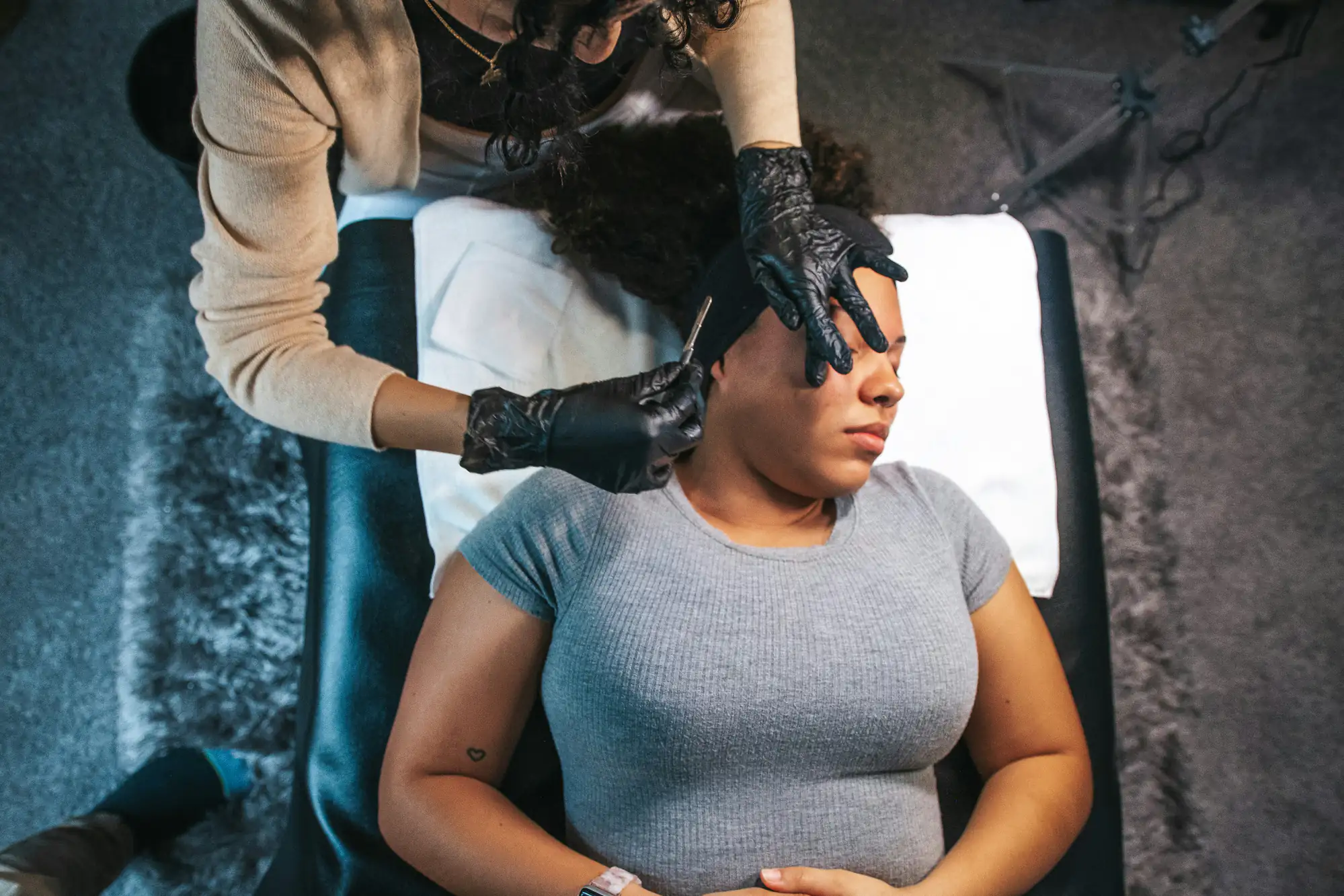
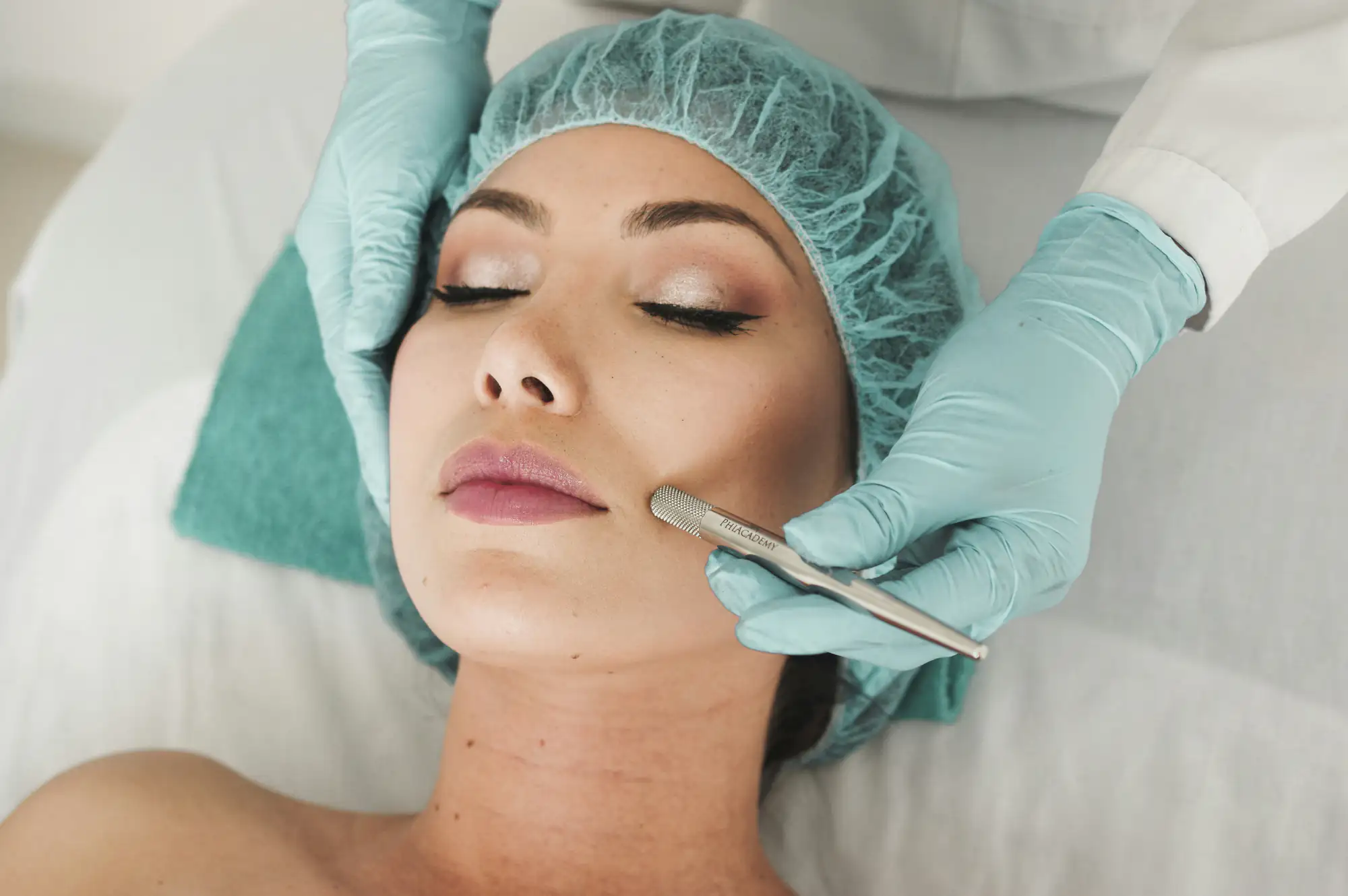
Next comes the actual dermaplaning. A sterile surgical scalpel is held at a 45-degree angle and gently moved across your skin in short, feathering strokes. This removes the top layer of dead skin cells and all the vellus hair—the peach fuzz that traps makeup and dulls your complexion.
The process takes 30 to 45 minutes. It doesn’t hurt. Most people say it feels like a light scratching sensation, and some even find it relaxing.
After dermaplaning, a hydrating mask or serum is applied. Your skin absorbs it faster now that the dead cell barrier is gone. You leave with no redness, no flaking, and no restrictions on your day. You can go back to work, run errands, or meet friends right after.
Results last about three to four weeks. That’s how long it takes for your skin to build up another layer of dead cells and for vellus hair to grow back.

Ready to get started?
Every dermaplaning treatment at Wake Skincare includes a pre-treatment skin analysis. You’re not getting a one-size-fits-all service. Your skin type, concerns, and goals shape how the treatment is performed.
The session includes full-face dermaplaning, which covers your forehead, cheeks, chin, nose, and upper lip. Peach fuzz and dead skin come off, and your complexion looks brighter before you leave the room.
Post-treatment hydration is part of the service. A serum or mask tailored to your skin is applied after dermaplaning so your skin can actually absorb it. This is especially helpful for Lake Royale clients dealing with North Carolina’s humidity in summer and dry indoor heat in winter—both of which mess with your skin barrier.
You also get aftercare guidance. What products to use, what to avoid, and when to book your next session. Dermaplaning works best when it’s part of a consistent routine, not a one-time event before a wedding.
If you’re pregnant or nursing, dermaplaning is one of the few exfoliation treatments that’s completely safe. No chemicals absorbing into your bloodstream, no risk to the baby.
No. This is the most common myth about dermaplaning, and it’s not true.
Vellus hair—the peach fuzz on your face—is structurally different from terminal hair like what grows on your scalp or legs. Vellus hair is fine, light, and shallow-rooted. Shaving or removing it doesn’t change the follicle structure, so it can’t grow back thicker or darker.
When the hair grows back, it may feel slightly blunt at the tip because it was cut straight across. That can make it seem coarser for a day or two, but it’s the same hair. The texture, color, and growth rate don’t change.
Professional dermaplaning uses a sterile surgical scalpel and is performed by a licensed esthetician trained in the correct angle, pressure, and technique. At-home tools are duller, less precise, and increase your risk of nicks, cuts, and uneven results.
The blade angle matters. Too steep and you can cut yourself. Too shallow and you’re just dragging a blade across your face without removing much. We’re trained to hold the blade at 45 degrees and use short, controlled strokes.
Sterilization is another issue. At-home tools are rarely properly sanitized between uses, which raises your risk of infection or post-inflammatory hyperpigmentation—especially if you have active breakouts or sensitive skin. We follow strict sanitation protocols.
You also get better exfoliation with a professional treatment. We remove more dead skin in one session than you’ll get from multiple at-home attempts.
It depends on the type and severity of your acne. If you have active cystic acne or inflamed pustules, dermaplaning isn’t recommended. The blade can spread bacteria, irritate existing breakouts, and make things worse.
If you have closed comedones, blackheads, or post-acne texture issues, dermaplaning can actually help. Removing the dead skin layer unclogs pores and allows your acne treatments to penetrate better.
During your free consultation at Wake Skincare, we evaluate your skin to determine whether dermaplaning is appropriate right now or if another treatment—like a chemical peel or HydraFacial—would be a better starting point. If your acne needs to calm down first, you’ll get a clear plan for what to do before booking dermaplaning.
This is why working with someone who understands skin matters. A franchise spa might turn you away or push you into a service that’s not right for you. We look at your skin and recommend what actually works.
Most people benefit from dermaplaning every three to four weeks. That’s how long it takes for dead skin cells to build up again and for vellus hair to grow back to a noticeable length.
If you’re using dermaplaning as part of an anti-aging or hyperpigmentation treatment plan, staying on a monthly schedule gives you the best results. Consistent exfoliation improves skin texture, tone, and product absorption over time.
Some clients book dermaplaning before big events—weddings, photoshoots, vacations—and that works too. You’ll see immediate results, so timing it a day or two before your event gives you that fresh, glowing look without any risk of redness or irritation.
You can’t overdo dermaplaning. Your skin needs time to regenerate between sessions. Booking too frequently won’t give you better results—it’ll just irritate your skin and waste your money.
Skip any exfoliating products for at least three days. That includes retinoids, glycolic acid, salicylic acid, and scrubs. Your skin just went through a deep exfoliation, and layering more exfoliants on top will cause irritation, redness, or peeling.
Avoid direct sun exposure and wear SPF 30 or higher every day. Freshly dermaplaned skin is more vulnerable to UV damage, and you don’t want to undo your results with sun damage or hyperpigmentation.
Don’t use harsh cleansers or hot water on your face for the first 24 hours. Stick to gentle, hydrating products that support your skin barrier. Your skin is more absorbent right now, so this is the time to use your best serums and moisturizers—they’ll actually work.
You can wear makeup the same day, but make sure your brushes and sponges are clean. Bacteria on dirty tools can cause breakouts when your skin is freshly exfoliated.
Yes. Dermaplaning is a mechanical exfoliation method, which means it doesn’t use heat, chemicals, or lasers that can cause hyperpigmentation in darker skin tones. It’s safe for all skin types and colors.
If you have very sensitive skin, rosacea, or eczema, dermaplaning can still work—but it requires a more customized approach. We’ll adjust the pressure, avoid inflamed areas, and choose post-treatment products that won’t trigger a reaction.
We specialize in skin of color and have extensive experience treating hyperpigmentation, melasma, and uneven tone in darker complexions. That expertise matters when you’re choosing where to get dermaplaning done, especially if you’ve had bad experiences with treatments that weren’t appropriate for your skin.
During your consultation, we assess your skin for any contraindications. If dermaplaning isn’t the right fit, you’ll know upfront—and you’ll get a recommendation for what will work better.