Hear from Our Customers
Your skin feels different the second you touch it. Smoother. Softer. The texture you’ve been covering up with foundation is just gone.
Dermaplaning removes about three weeks of dead skin buildup in a single session. That’s the layer making your complexion look dull, your pores look bigger, and your expensive serums sit on the surface instead of sinking in. Once it’s off, everything changes.
Your skincare products penetrate up to 20 times more effectively. Your foundation glides on without clinging to dry patches or fine hairs. And that glow people keep asking about? It’s real, and it’s immediate.
There’s no downtime. You can come in during lunch and go straight back to work. No redness, no peeling, no waiting around for results you can actually see. This is for the person who needs their skin to look better today, not two weeks from now.
We’ve been serving Micro, NC and 22 surrounding cities across Wake County since 2020. Jacqueline Grace, the licensed esthetician behind every treatment, has been named Best Esthetician in Wake County three years running.
She’s also earned first and second place in the Pigmentation Artist of the Year category at The Skin Games, an international aesthetics competition. She’s HydraFacial Master Certified, which puts her among the first hundred practitioners in the world to reach that level.
This isn’t a spa menu treatment performed by whoever’s available. It’s a medical-grade service done by someone who’s been recognized nationally for precision and results. You’re not experimenting when you book here.

Your appointment starts with a skin analysis. Not a quick glance, an actual evaluation of your skin type, texture, and any areas that need extra attention.
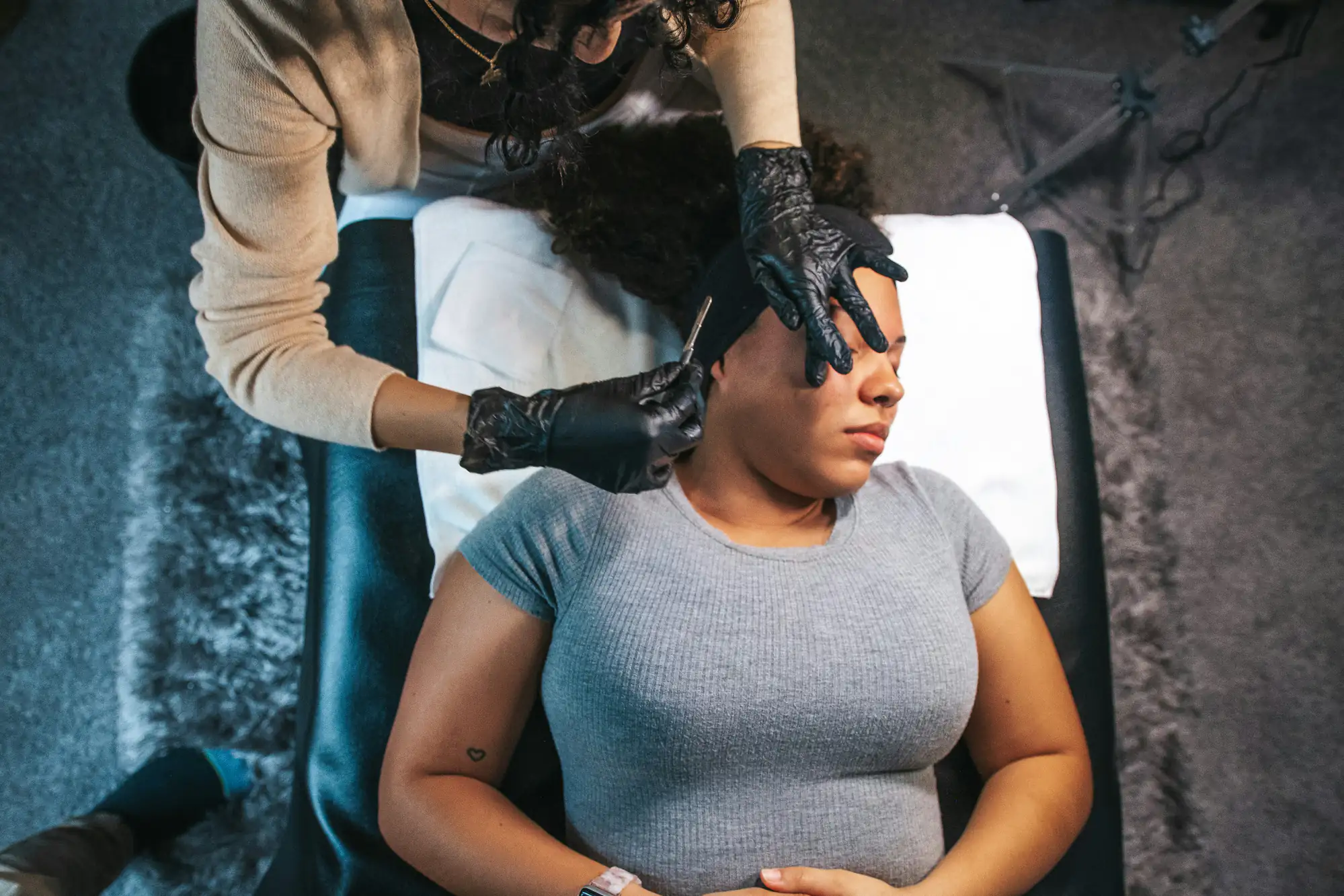
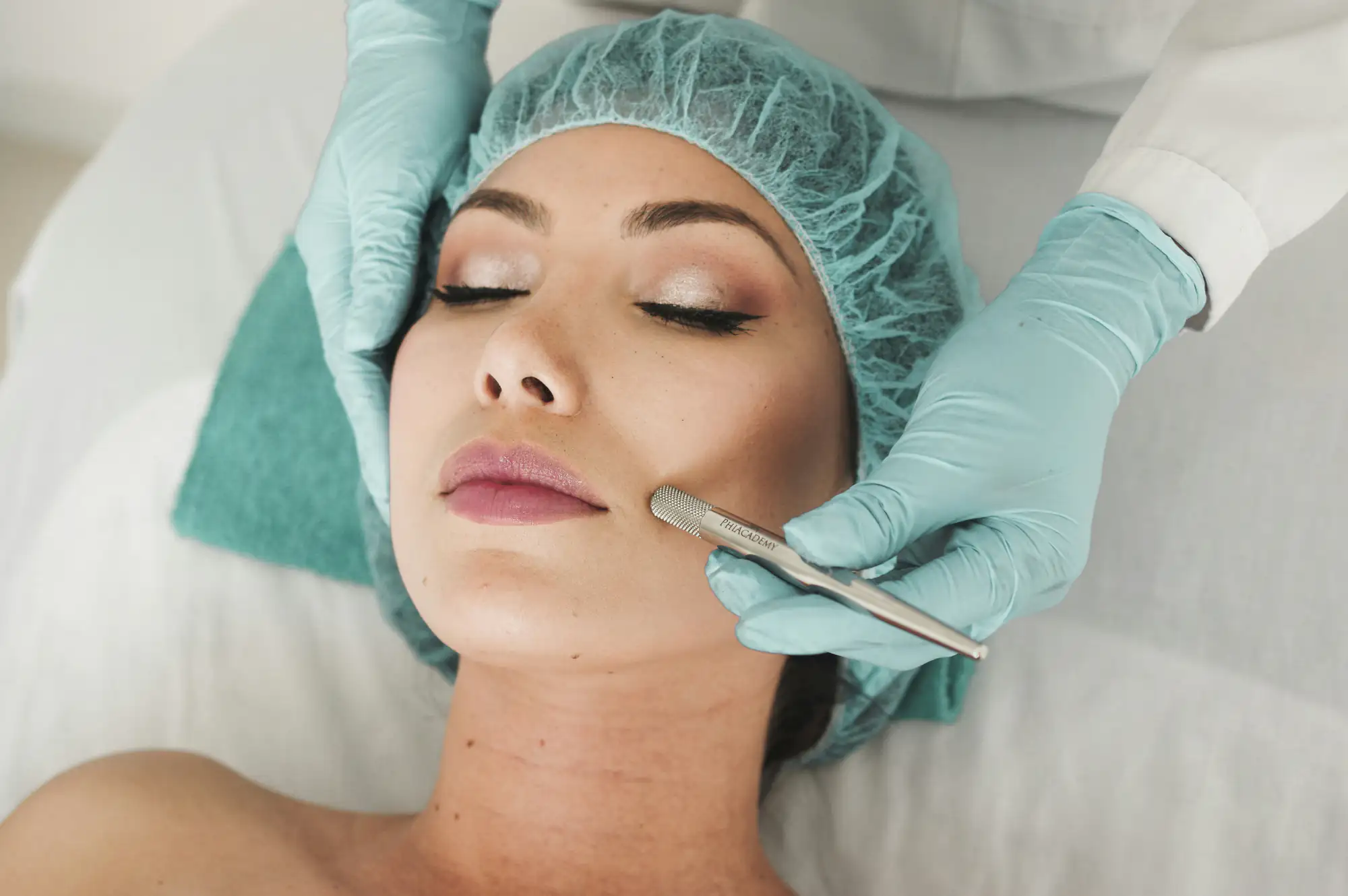
Then comes the treatment itself. A sterile surgical scalpel is held at a 45-degree angle and gently moved across your skin in short, controlled strokes. It removes the top layer of dead skin cells and vellus hair—the peach fuzz that traps oil and makes your skin look uneven under makeup. The process is painless. Most people say it feels like a light scratching sensation, almost relaxing.
The entire session takes about 30 to 45 minutes. Afterward, a hydrating serum or mask is applied to calm and nourish your freshly exfoliated skin. You’ll see the difference immediately in the mirror. Your skin looks brighter, feels smoother, and responds better to everything you put on it for the next few weeks.

Ready to get started?
Every dermaplaning appointment at Wake Skincare includes a complimentary consultation and skin evaluation. You’re not just getting a treatment—you’re getting a customized plan based on what your skin actually needs right now.
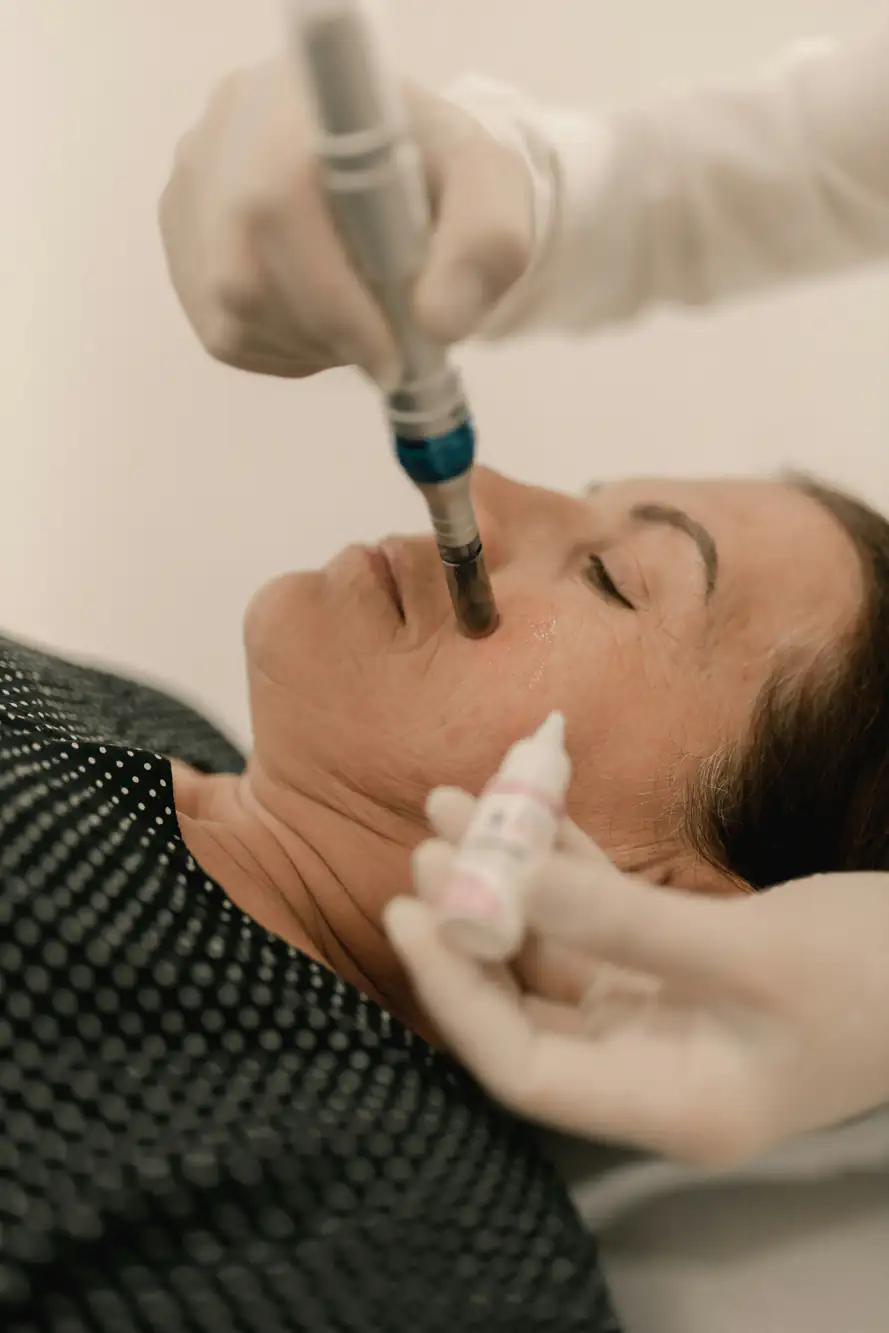
The treatment itself uses medical-grade tools in a controlled, hygienic environment. This isn’t a DIY dermaplane tool from Amazon. It’s professional-grade exfoliation performed by a licensed esthetician who’s trained to work with different skin types, textures, and sensitivities.
For clients in Micro, NC and the surrounding Wake County area—including Raleigh, Youngsville, Rolesville, and Zebulon—we offer flexible scheduling that fits your life. Whether you’re prepping for a wedding, a work event, or just tired of looking at dull skin in the mirror, you can book a session that works around your schedule. And because there’s zero downtime, you’re not rearranging your week to recover. You’re in, you’re out, and your skin looks better immediately.
No. This is one of the most common myths about dermaplaning, and it’s completely false.
Dermaplaning removes vellus hair, which is the fine, soft peach fuzz on your face. Vellus hair is different from terminal hair, which is thicker and coarser, like the hair on your head or eyebrows. Shaving or removing vellus hair does not change its structure, color, or growth rate. It grows back exactly the same way it was before—soft, fine, and light.
The reason people think hair grows back thicker is because of the blunt edge left after shaving. When hair is cut straight across, the tip feels slightly coarser than a naturally tapered hair. But it’s the same hair. It hasn’t changed biologically. Within a few days, the hair softens again as it grows, and you won’t notice any difference in texture or appearance.
Most people schedule dermaplaning every three to four weeks. That’s how long it takes for your skin to build up a new layer of dead cells and for vellus hair to grow back.
Your skin naturally sheds dead cells on a cycle, and dermaplaning removes about three weeks’ worth in one session. Booking monthly treatments keeps your skin in that smooth, glowing phase without over-exfoliating. If you’re using other exfoliating treatments like chemical peels or retinoids, your esthetician may recommend spacing sessions further apart to avoid irritation.
Some clients book dermaplaning before big events—weddings, photoshoots, or vacations—because the results are immediate. Others make it part of their regular skincare routine to keep their complexion consistently smooth and bright. During your consultation, we’ll talk through what makes sense for your skin type, your goals, and your schedule.
Yes, dermaplaning is safe for most skin types, including sensitive skin. It’s actually one of the gentler exfoliation methods available because it’s purely physical—there are no chemicals, acids, or heat involved.
That said, there are a few conditions where dermaplaning isn’t recommended. If you have active acne, open wounds, or inflamed skin, you’ll want to wait until those issues are under control. Dermaplaning over active breakouts can spread bacteria and make things worse. If you have a skin condition like eczema, rosacea, or psoriasis, it’s important to discuss that during your consultation so we can assess whether dermaplaning is right for you at that time.
For clients who are pregnant or nursing and can’t use retinoids or certain chemical peels, dermaplaning is a great alternative. It’s safe, effective, and gives you that exfoliated glow without any ingredients that are off-limits during pregnancy.
Yes, but it’s better to wait at least a few hours if you can. Your skin will be more receptive right after treatment, so giving it time to absorb serums and breathe is ideal.
That said, if you need to put makeup on right away, you can. Just make sure you’re using clean brushes or applicators and a gentle, non-irritating formula. Your skin will be more sensitive to certain ingredients immediately after dermaplaning, so avoid anything with heavy fragrance or active exfoliants like glycolic acid for at least 24 hours.
Most clients are surprised by how good their skin looks without makeup after dermaplaning. The texture is smoother, the tone is more even, and there’s a natural glow that doesn’t need much coverage. When you do apply foundation, you’ll notice it goes on more evenly and doesn’t cling to dry patches or peach fuzz the way it used to.
Dermaplaning is a professional exfoliation treatment performed by a licensed esthetician using a sterile surgical scalpel. Shaving is something you do at home with a razor designed for body hair.
The technique is different. Dermaplaning uses a specific angle and pressure to remove dead skin cells along with vellus hair. It’s a controlled, precise process that exfoliates the skin at a deeper level than a regular razor can. Shaving, on the other hand, is designed to cut hair at the surface without focusing on exfoliation.
The tools are different too. A dermaplaning scalpel is single-use, sterile, and designed specifically for facial skin. A razor—even a facial razor—doesn’t provide the same level of exfoliation or precision. And because dermaplaning is done by a trained professional, there’s less risk of nicks, cuts, or irritation.
The results are also different. Dermaplaning leaves your skin smoother, brighter, and more receptive to skincare products. Shaving just removes hair. If you’ve ever shaved your face at home and wondered why it didn’t give you that glowy, spa-like result, this is why.
Dermaplaning typically costs between $75 and $250 per session, depending on where you go and what’s included. At Wake Skincare, every session includes a complimentary consultation and skin evaluation, so you’re not just paying for the treatment—you’re getting a customized plan.
Dermaplaning isn’t covered by insurance because it’s considered a cosmetic treatment. But compared to other professional skincare services, it’s relatively affordable, especially when you factor in how long the results last and how much it improves the effectiveness of your other products.
If you’re spending money on high-end serums and moisturizers, dermaplaning makes sure you’re actually getting your money’s worth. When dead skin is blocking absorption, even the best products can’t do their job. Remove that barrier, and everything you apply works better. That’s not upselling—that’s just how your skin works.