
Hear from Our Customers
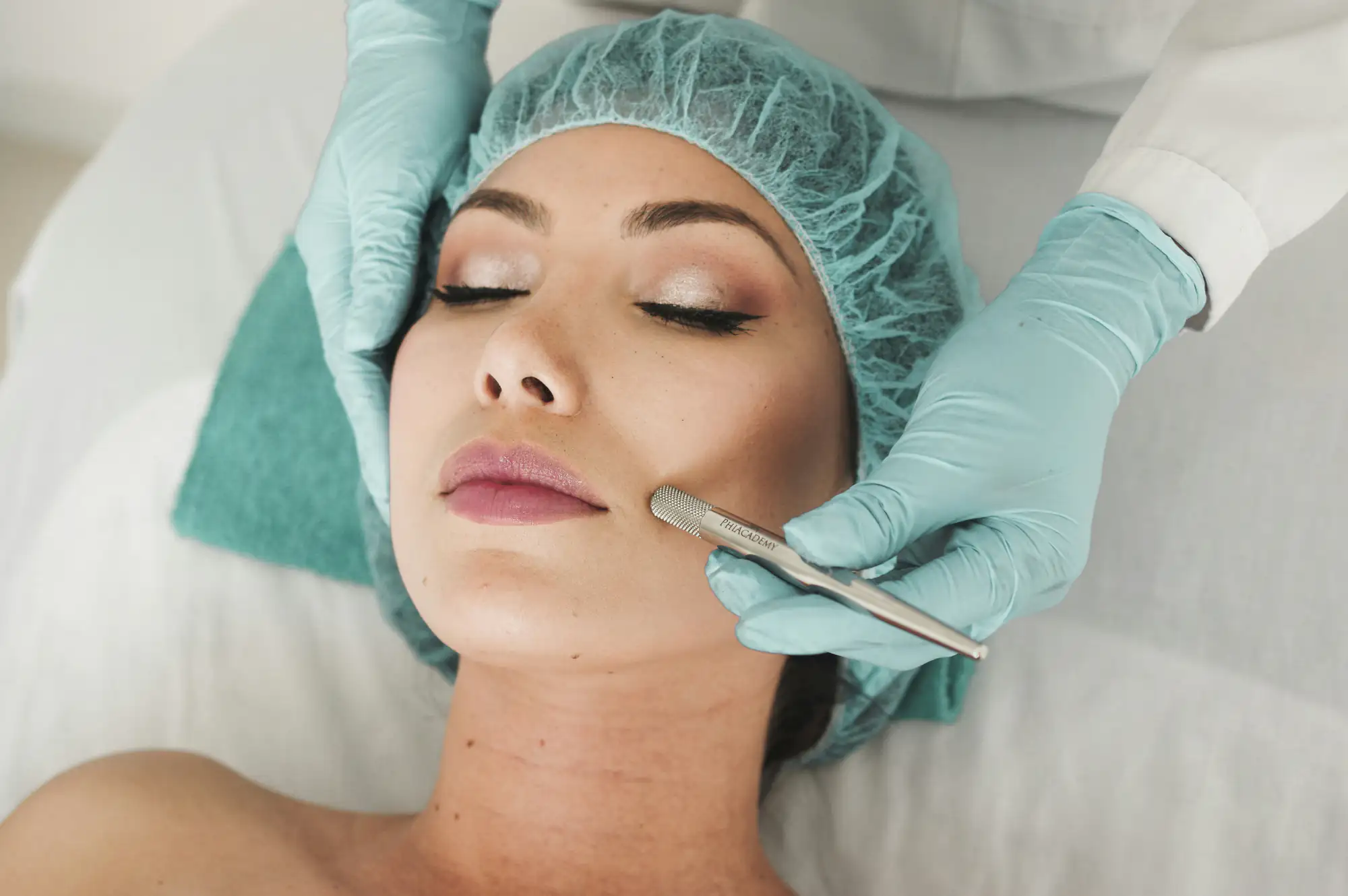
Your face feels different immediately. The texture is smoother because we’ve removed the layer of dead skin cells and fine facial hair that’s been sitting on the surface. That “peach fuzz” you’ve been dealing with? Gone.
Your skincare products absorb better now. Without that barrier of dead cells, serums and moisturizers actually penetrate instead of sitting on top doing nothing. You’ll notice they work faster and more effectively.
Makeup application becomes easier. Foundation doesn’t catch on dry patches or fine hairs anymore. It blends seamlessly because the surface is even. If you’ve got an event coming up, this is what you book three days before. The results show up in photos, and they last for weeks.
We’ve been serving Middlesex and the surrounding Wake County area for six years. Jacqueline Grace, our licensed esthetician, earned Best Esthetician in Wake County three years running and placed first internationally in the Pigmentation Artist of the Year category at The Skin Games.
She’s one of fewer than 100 practitioners worldwide to hold HydraFacial Master Certification. That’s not marketing language—that’s documented expertise. Every dermaplaning treatment we offer uses medical-grade tools under the oversight of Dr. Joseph Hummel, our medical director.
Middlesex residents don’t have to drive to Raleigh or Wake Forest for professional-grade skincare. You’re getting the same level of training and equipment here, with the personalized attention that comes from a practice that actually knows the community it serves.

You start with a free consultation where we evaluate your skin type and discuss what you’re trying to fix. If dermaplaning makes sense for your goals, we’ll book your appointment. The actual treatment takes 30 to 45 minutes.
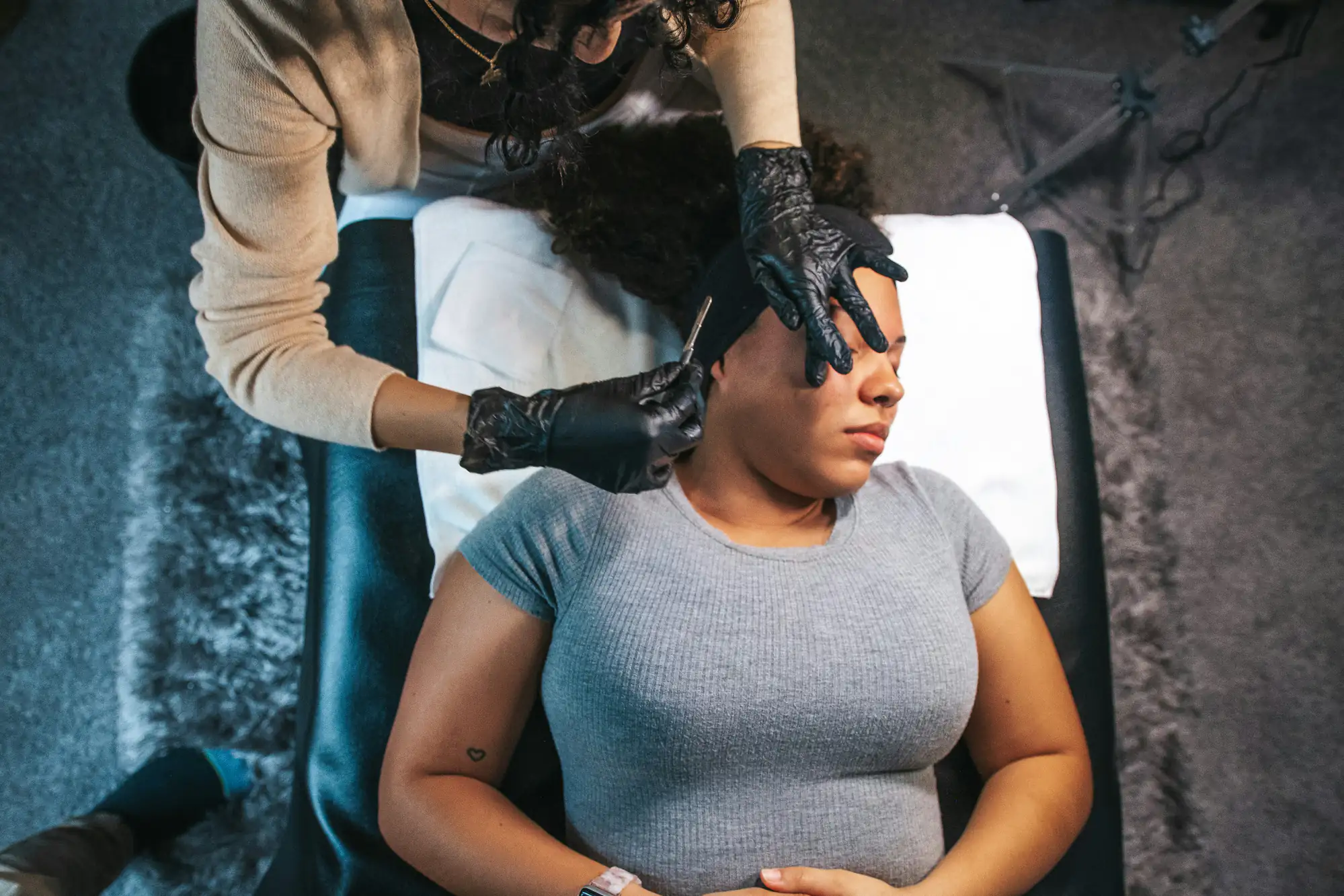
Your skin gets cleansed first to remove makeup, oil, and surface debris. Then we use a sterile surgical scalpel held at a 45-degree angle to gently scrape away dead skin cells and vellus hair from your face. It’s not painful—most people say it feels like a light scratching sensation.
After we’ve treated your entire face, we apply a hydrating serum or mask. Your skin will be slightly pink for an hour or two, but that fades fast. There’s no downtime. You can go back to work, run errands, or head to dinner. Just skip the heavy exfoliants and direct sun exposure for a few days while your fresh skin adjusts.

Ready to get started?
Middlesex sits in a quieter part of Wake County, but that doesn’t mean you should settle for less when it comes to skincare. The demographics here skew toward families and professionals who value quality over convenience. You’re not looking for the cheapest option—you’re looking for the one that actually works.
Professional dermaplaning removes up to three weeks of dead skin buildup in one session. At-home tools can’t replicate that. They’re duller, held at the wrong angle, and used without the training to avoid nicks or irritation. We’re using surgical-grade equipment with years of hands-on experience.
This treatment works for all skin types, including sensitive skin. It helps with acne scarring, fine lines, uneven texture, and dullness. If you’ve been frustrated with how your skincare products aren’t delivering results, this is often the missing step. You’re creating a clean slate so everything else you use can actually do its job.
No. This is one of the most common myths, and it’s been debunked repeatedly by dermatologists. Dermaplaning removes vellus hair—the fine, soft “peach fuzz” on your face. Vellus hair is structurally different from terminal hair (like the hair on your head or eyebrows).
Shaving or dermaplaning doesn’t change the hair follicle itself. It doesn’t alter the thickness, color, or growth rate. When the hair grows back, it has a blunt tip instead of a tapered one because it was cut, which can make it feel slightly different for a day or two. But it’s the same hair.
If this were true, every man who shaves his face would have progressively thicker and darker facial hair over time. That’s not how hair biology works. You’re safe to get dermaplaning without worrying about turning your peach fuzz into something it’s not.
The tools, technique, and training. At-home dermaplaning tools are designed with safety guards that limit how much they can actually remove. They’re duller and less precise, which means you’re not getting the same level of exfoliation. You’re also holding the blade at inconsistent angles, which increases the risk of cuts or irritation.
Professional dermaplaning uses a sterile surgical scalpel held at a precise 45-degree angle. We’re trained to apply the right amount of pressure and work with the contours of your face. That’s how we remove dead skin cells evenly without damaging the healthy skin underneath.
There’s also the issue of sanitation. At home, you’re reusing the same blade or not properly sterilizing your skin beforehand. In a clinical setting, everything is single-use and sterile. If you’ve tried DIY dermaplaning and didn’t see results—or worse, ended up with irritation—that’s why. The process matters as much as the tool.
It depends on the type and severity. If you have active cystic acne or open, inflamed breakouts, dermaplaning isn’t recommended. The blade can spread bacteria and make the inflammation worse. You’d be better off treating the active acne first, then using dermaplaning as part of your maintenance routine.
If you have occasional breakouts, closed comedones, or acne scarring without active inflammation, dermaplaning can actually help. It removes the dead skin cells that clog pores and creates a smoother surface for acne treatments to penetrate. Many clients with acne-prone skin use dermaplaning between breakouts to keep their skin clear.
During your free consultation, we’ll look at your skin and tell you honestly whether dermaplaning makes sense right now or if you should wait. We’re not going to perform a treatment that could make your skin worse just to book the appointment. That’s not how we operate.
Most people see results for three to four weeks. That’s how long it takes for your skin to build up a new layer of dead cells and for the vellus hair to grow back to a noticeable length. Your skin cell turnover cycle is roughly 28 days, so that timing makes sense.
The immediate smoothness lasts about a week. After that, you’ll still notice that your makeup applies better and your skincare absorbs more effectively, but the ultra-smooth texture starts to fade as new skin cells accumulate. That’s normal.
If you want to maintain consistent results, most clients book dermaplaning every four to six weeks. Some come in more frequently before big events—weddings, photos, vacations. Others use it seasonally when their skin gets dull or dry. There’s no right or wrong schedule. It’s about what your skin needs and what fits your routine.
Skip harsh exfoliants for at least three days. That means no retinoids, glycolic acid, salicylic acid, or physical scrubs. Your skin just got exfoliated at a deeper level than any product can achieve, so you don’t need to pile on more. Overdoing it leads to redness, sensitivity, and irritation.
Avoid direct sun exposure and wear SPF 30 or higher every day. Your fresh skin is more vulnerable to UV damage right after dermaplaning. If you’re going to be outside for extended periods, wear a hat or stay in the shade when possible. Sunburn on freshly dermaplaned skin is not something you want to experience.
Hold off on heavy workouts for 24 hours if you can. Sweat and friction can irritate your skin while it’s still adjusting. After that, you’re fine to resume normal activities. Just keep your routine gentle for the first few days—hydrating serums, a good moisturizer, and sunscreen. That’s all your skin needs to heal and show off the results.
They’re different treatments that solve different problems. Dermaplaning is surface-level exfoliation with zero downtime. You’re removing dead skin and hair, which makes your skin smoother and helps products absorb better. It’s ideal if you need immediate results for an event or want a low-commitment treatment.
Chemical peels penetrate deeper and target issues like hyperpigmentation, acne, and fine lines. They require more downtime—anywhere from a few days to a week depending on the strength. Microneedling stimulates collagen production and works on deeper skin concerns like scarring and wrinkles. It also has more downtime and requires multiple sessions for full results.
Dermaplaning works well on its own, but it also enhances other treatments. A lot of clients pair it with a HydraFacial because the exfoliation allows the serums to penetrate deeper. If you’re dealing with surface texture and dullness, dermaplaning is the fastest fix. If you have deeper skin concerns, we’ll talk through whether a peel, microneedling, or a combination approach makes more sense during your consultation.