Hear from Our Customers
Your makeup goes on smoother because there’s no peach fuzz catching product. Your skin looks brighter because you’ve removed up to three weeks of dead cell buildup that was sitting on the surface making everything look flat and dull. Your serums and moisturizers absorb better—sometimes up to 20 times more effectively—because the barrier blocking them is gone.
This isn’t a treatment you recover from. You walk out glowing, not red or peeling.
Most people book dermaplaning before an event, a photo session, or just because they’re tired of looking tired. It works for all skin types and tones. There’s no swelling, no pain, and no downtime to plan around. You’re in and out in about 45 minutes, and the results show up immediately—not two weeks later when the occasion you booked it for has already passed.
If your skincare routine feels like it’s not doing much anymore, this is usually why. The products can’t get through. Dermaplaning clears the path so everything you’re already using works the way it’s supposed to.
Wake Skincare is led by Jacqueline Grace, a licensed esthetician who’s been named Best Esthetician in Wake County three years running. She’s also HydraFacial Master Certified and took first place in the Pigmentation Artist of the Year category at The Skin Games, an international aesthetics competition.
That’s not marketing language. Those are real credentials you can look up.
We serve clients throughout Warren County and the surrounding areas, including Norlina, NC, where access to medical-grade skincare has historically meant driving 30+ minutes toward Raleigh or Henderson. Every treatment here starts with a free consultation because your skin doesn’t fit a template, and neither should your treatment plan. You’re not getting a one-size-fits-all facial from someone who learned dermaplaning in a weekend course.

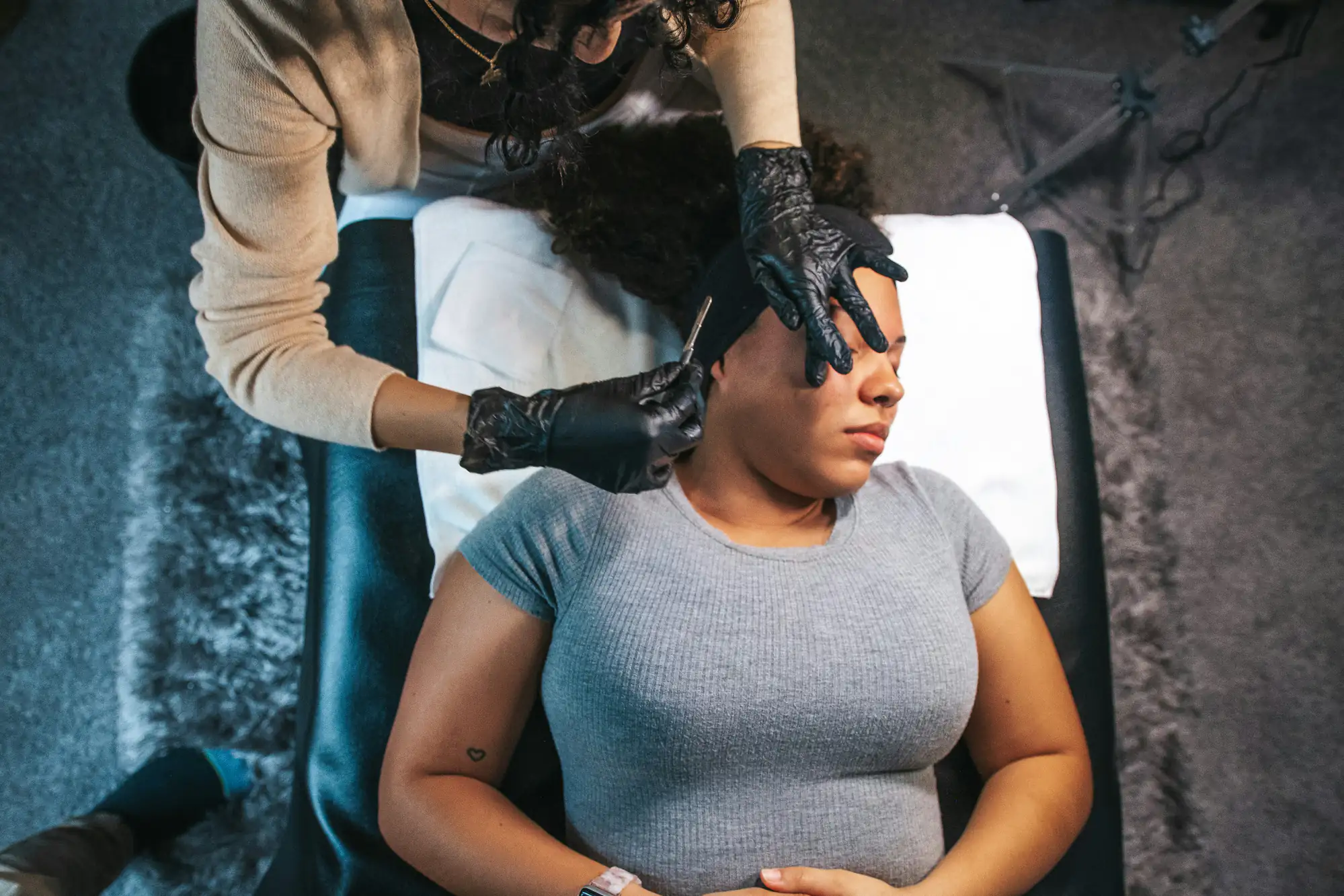
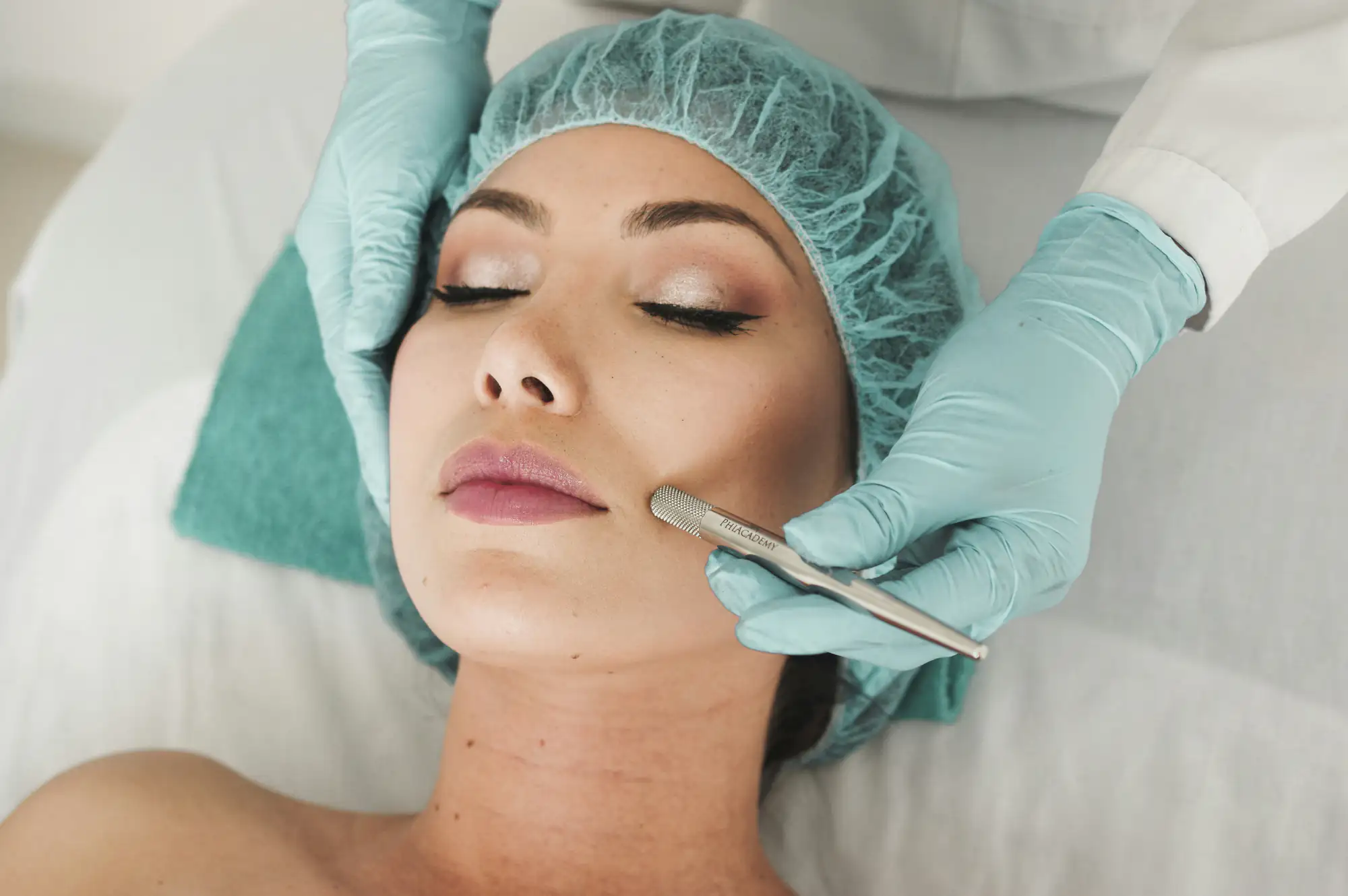
Your appointment starts with cleansing your skin to remove makeup, oil, and surface debris. Once your skin is prepped, a sterile surgical scalpel is held at a 45-degree angle and gently moved across your face in short, controlled strokes. This removes the top layer of dead skin cells and vellus hair—the peach fuzz that traps makeup and dulls your complexion.
The process itself is painless. Most people say it feels like a light scratching sensation, similar to shaving but without any tugging or irritation.
After dermaplaning, we apply a hydrating mask or serum to calm and nourish your newly exfoliated skin. This is when you’ll really notice the difference in absorption—your skin drinks it up because there’s nothing blocking it anymore. The whole appointment takes about 45 minutes from start to finish. You leave with smoother texture, a visible glow, and skin that’s prepped to get the most out of every product you apply for the next few weeks.
There’s no redness, no peeling, and no recovery period. You can put makeup on immediately if you want, though most people don’t feel like they need to.

Ready to get started?
Dermaplaning removes dead skin buildup and peach fuzz in one session, but it also sets your skin up to respond better to everything else you do for it. That includes the serums you use at home, the chemical peels or LED treatments you might layer on top, and even the way your sunscreen sits on your face.
In Norlina and the surrounding areas, where humidity swings and seasonal dryness are common, dead skin tends to accumulate faster than people realize. It clogs pores, traps oil, and creates that rough, uneven texture that no amount of moisturizer seems to fix. Dermaplaning clears all of that off so your skin can actually breathe and function the way it’s supposed to.
This treatment also stimulates circulation, which increases oxygen delivery to your skin cells. That’s part of why people walk out looking more awake and refreshed—it’s not just about what’s removed, it’s about what gets activated underneath. If you’re dealing with mild acne scarring, hyperpigmentation, or fine lines, dermaplaning helps minimize their appearance over time, especially when paired with a consistent skincare routine or follow-up treatments like chemical peels or microneedling.
You’re not just getting smoother skin for a week. You’re resetting how your skin behaves.
No. This is one of the most common myths about dermaplaning, and it’s not true.
The hair on your face—called vellus hair or peach fuzz—is different from the hair on your head or body. It’s fine, soft, and lacks the thick root structure of terminal hair. Dermaplaning removes it at the surface level, similar to shaving, but it doesn’t change the follicle or the way the hair grows back. When it does grow back, it comes in with the same texture, color, and thickness it had before. It might feel slightly blunt at first because the tip was cut, but that’s temporary and it softens within a few days.
If shaving your face made hair grow back darker or thicker, men who shave daily would have exponentially thicker beards every year. That doesn’t happen because cutting hair doesn’t alter its biology.
Most people benefit from dermaplaning every three to four weeks, which aligns with your skin’s natural cell turnover cycle.
Your skin sheds dead cells constantly, but they don’t always fall off on their own—especially as you age or if you live in a dry climate. They build up on the surface and create that dull, rough texture that makes your skin look tired. Dermaplaning manually removes that buildup, but within a few weeks, it starts to accumulate again. That’s why monthly treatments tend to give you the most consistent results.
If you’re booking dermaplaning for a specific event—like a wedding, photos, or a big presentation—schedule it one to three days before. That gives your skin time to settle while still looking fresh and glowing. If you’re using it as part of your regular skincare maintenance, every four weeks keeps your skin smooth, bright, and responsive to the products you’re using at home.
Yes, but it depends on what’s actively happening with your skin at the time of treatment.
Dermaplaning is safe for sensitive skin because it’s a physical exfoliation method that doesn’t use chemicals, heat, or suction. It’s one of the gentler ways to exfoliate, especially compared to treatments like microdermabrasion or strong chemical peels. If your skin is easily irritated by active ingredients or tends to react to harsh scrubs, dermaplaning can be a good alternative.
That said, if you have active acne—meaning inflamed pimples, cystic breakouts, or open wounds—dermaplaning isn’t recommended until your skin calms down. The blade could spread bacteria or irritate active lesions. But if you’re dealing with post-acne texture, old scarring, or clogged pores without active inflammation, dermaplaning can actually help by clearing out dead skin and allowing your acne treatments to penetrate more effectively.
During your free consultation, we’ll assess your skin and let you know if dermaplaning is the right move or if another treatment makes more sense for where your skin is right now.
Yes. There’s no downtime or waiting period after dermaplaning, so you can apply makeup immediately if you want to.
That said, most people don’t feel like they need it. Your skin looks noticeably smoother and brighter right after the treatment, and a lot of clients leave without putting anything on because they like how their skin looks on its own. If you do choose to wear makeup, you’ll probably notice it goes on more evenly than usual—foundation doesn’t cling to dry patches or sit on top of peach fuzz, and everything blends more seamlessly.
Just make sure the products you’re using are clean. Your skin is freshly exfoliated, so it’s more receptive to everything—including bacteria or irritants. Stick with brushes and sponges that have been washed recently, and avoid anything heavily fragranced or overly harsh for the first 24 hours.
If you have an event the same day as your appointment, dermaplaning is one of the few treatments that actually enhances your makeup instead of interfering with it.
Both treatments exfoliate your skin, but they do it in completely different ways—and the results feel different too.
Dermaplaning uses a sterile surgical blade to manually scrape off dead skin cells and peach fuzz. It’s gentle, precise, and leaves your skin feeling smooth and soft immediately. There’s no suction, no abrasion, and no redness afterward. It’s also the only exfoliation method that removes vellus hair, which is why it’s so popular before events or for people who want flawless makeup application.
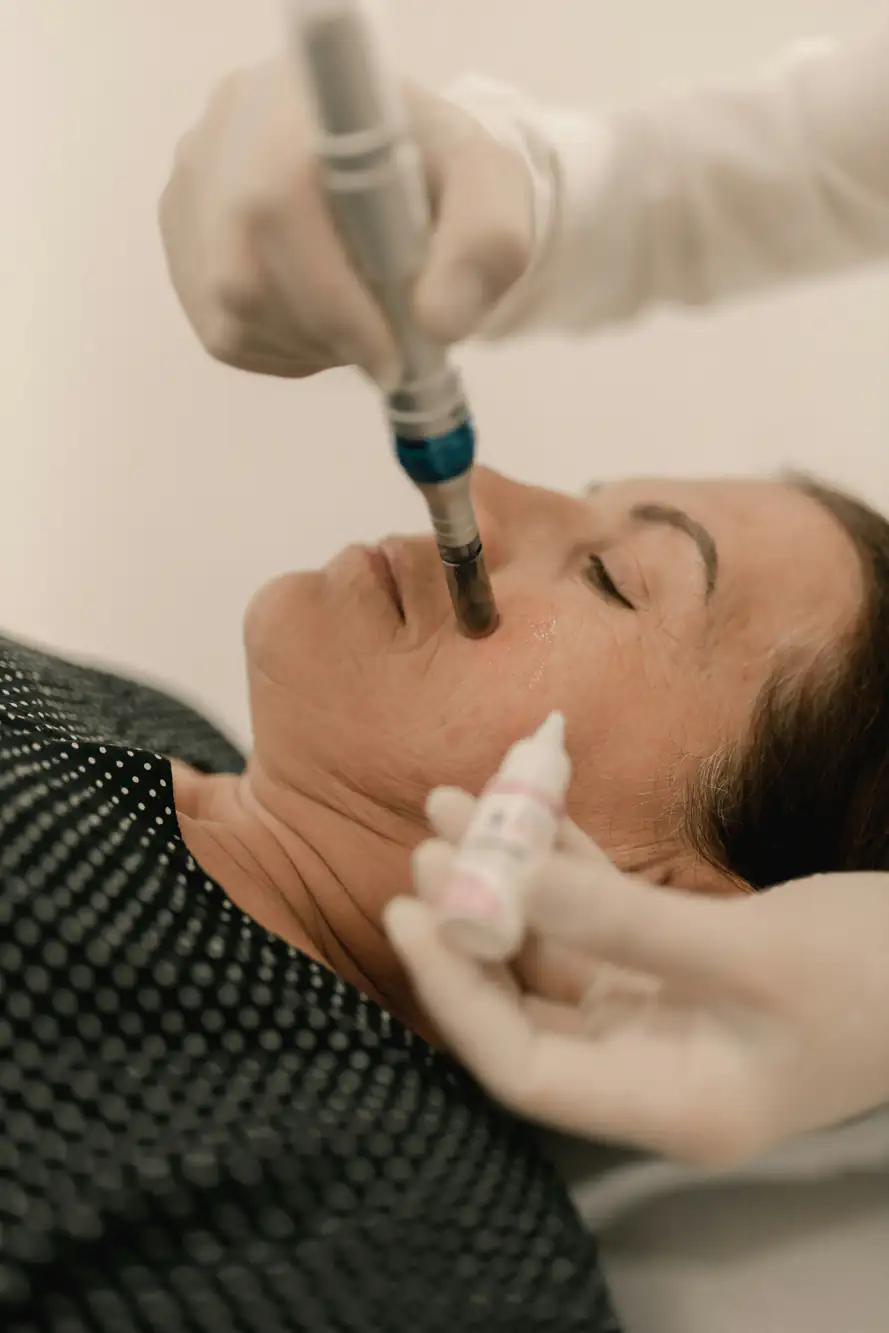
Microdermabrasion uses a machine to spray fine crystals onto your skin or use a diamond-tipped wand to physically buff away dead cells. It’s more aggressive than dermaplaning and works well for thicker skin or deeper texture issues like acne scars. But it can leave your skin pink or sensitive for a few hours, and it doesn’t remove peach fuzz.
If you want immediate smoothness with zero downtime and better product absorption, dermaplaning is usually the better choice. If you’re targeting deeper scarring or significant texture and don’t mind a little redness, microdermabrasion might make more sense. We can walk through both options during your consultation and recommend what fits your skin and your schedule.
No. Dermaplaning doesn’t hurt, and most people find it surprisingly relaxing.
The sensation is similar to lightly shaving your face—you’ll feel the blade moving across your skin in short, controlled strokes, but there’s no pulling, tugging, or discomfort. Some areas might feel slightly more sensitive than others, like around the jawline or upper lip, but it’s never painful. A lot of clients say it feels like a gentle scraping or tickling sensation, and some even fall asleep during the treatment.
After your appointment, your skin might feel a little tighter or more sensitive to touch, similar to how it feels after a good exfoliation. That’s normal and usually fades within a few hours. There’s no redness, peeling, or irritation unless your skin is already compromised going into the treatment—which is why we do a consultation first.
If you’ve ever had your eyebrows threaded or your face waxed, dermaplaning is significantly less uncomfortable than either of those. It’s one of the most gentle exfoliation methods available, which is why it works for nearly every skin type and sensitivity level.