Hear from Our Customers
Your skin feels different the moment you touch it. Smoother. Softer. The kind of texture that makes you want to skip foundation because you don’t need it anymore.
Dermaplaning removes the top layer of dead skin cells and vellus hair in one pass. That means your serums actually absorb instead of sitting on the surface. Your makeup glides on instead of clinging to dry patches. And you see the glow immediately, not weeks later.
There’s no downtime. No redness that lasts. No chemicals that make you wonder if you should’ve waited until after that wedding or work trip. You can book this treatment on your lunch break and go straight back to your day.
We serve Oxford, NC and the surrounding Wake County area with medical-grade skincare treatments that deliver real results. Jacqueline Grace, our licensed esthetician, has been named Best Esthetician in Wake County three years running and holds first place in the Pigmentation Artist of the Year category at The Skin Games, an international aesthetics competition.
We’re also HydraFacial Master Certified, which places us among the top practitioners worldwide. That’s not marketing language. It’s a credential you can look up.
Every dermaplaning session in Oxford, NC starts with a free consultation. We look at your skin, talk about what you’re dealing with, and map out a treatment plan that makes sense for your goals and your schedule. No pressure. No upselling. Just honest guidance from someone who’s done this thousands of times.

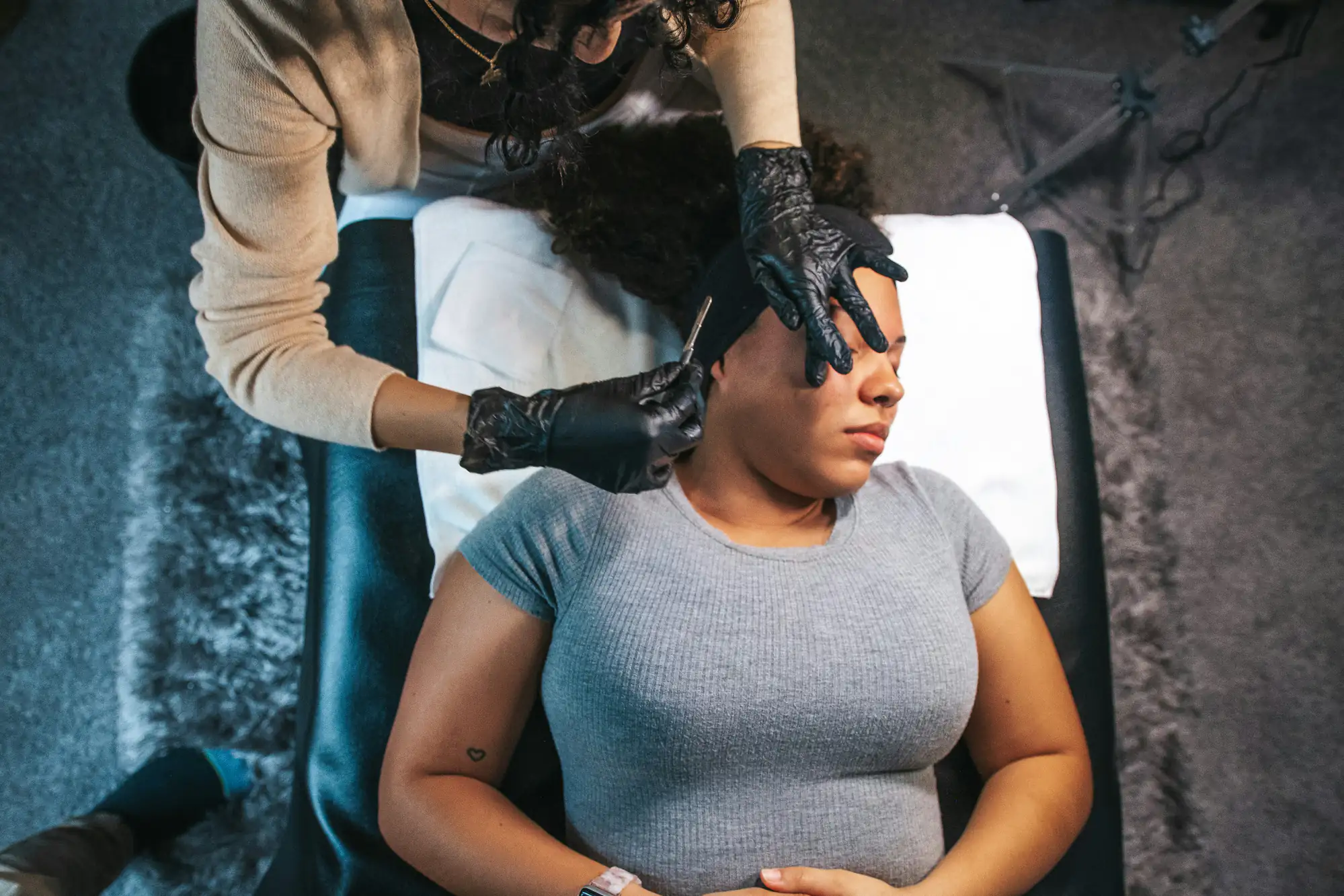
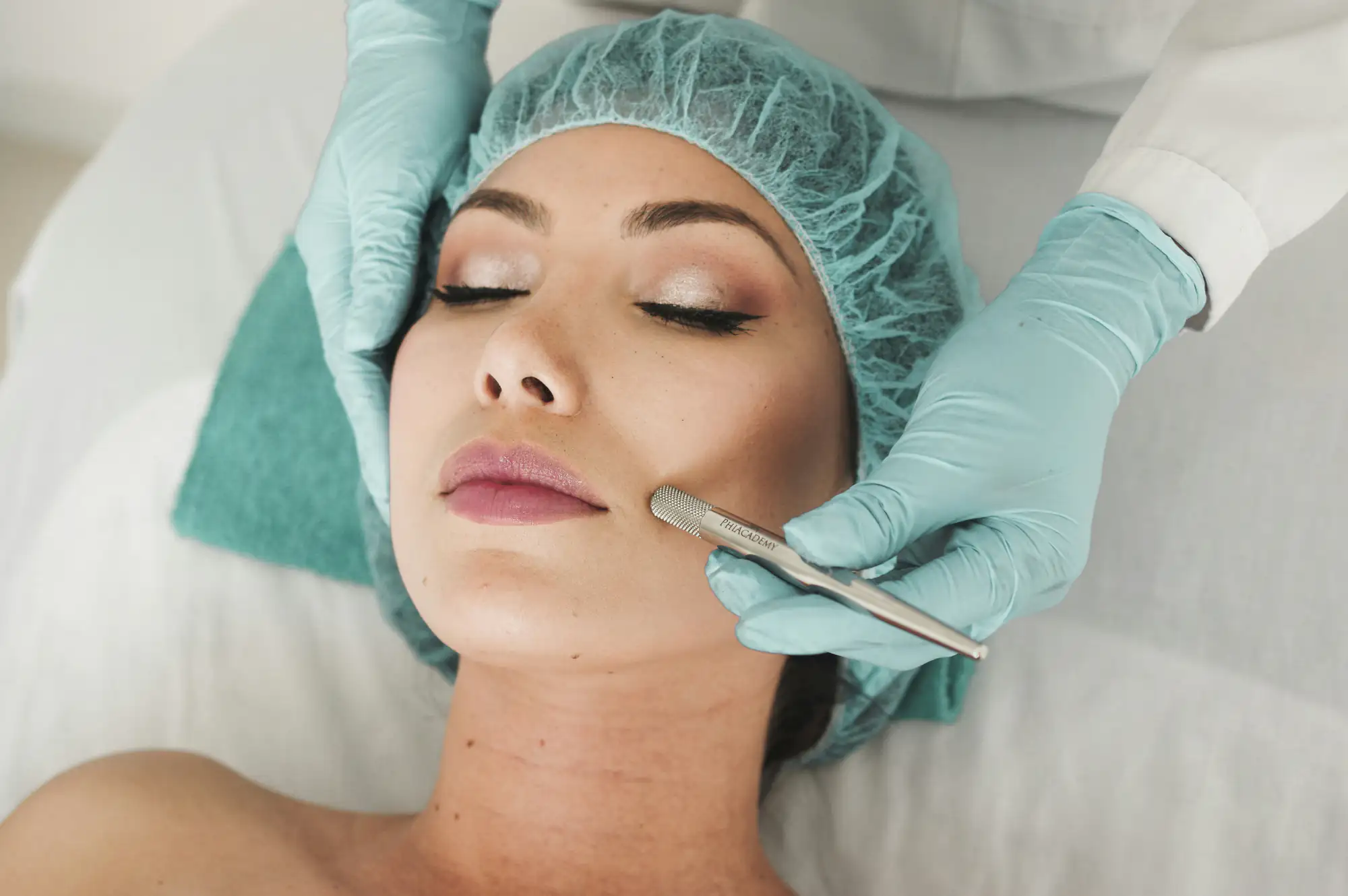
The process is straightforward. You come in, we cleanse your skin, and then use a sterile surgical scalpel held at a precise angle to gently scrape away dead skin cells and peach fuzz. It’s not a blade dragging across your face. It’s a controlled, methodical technique that requires training and a steady hand.
Most people describe the sensation as a light scratching. Not painful. Not uncomfortable. Just different if you’ve never had it done before. The entire treatment takes about 30 to 45 minutes depending on the areas we’re treating.
Right after, your skin might look slightly pink, like you just finished a workout. That fades within an hour or two. We apply a hydrating serum and sunscreen, and you’re done. No bandages. No recovery period. You can put makeup on the next day if you want, though most people don’t feel like they need to.
Results last about three to four weeks. After that, the dead skin layer builds back up and the vellus hair grows back at the same texture it was before. Dermaplaning doesn’t make your hair grow back thicker or darker. That’s a myth that won’t die, but it’s not how hair biology works.

Ready to get started?
Every dermaplaning appointment at Wake Skincare includes a full skin analysis using our Lumini Beauty Kiosk. This technology maps your skin’s texture, pigmentation, and hydration levels so we’re not guessing about what your skin needs. We’re working from data.
After dermaplaning, we layer on medical-grade serums that are chosen based on your skin type and concerns. If you’re dealing with hyperpigmentation, we use brightening actives. If your barrier is compromised, we focus on hydration and repair. The exfoliation from dermaplaning allows these products to penetrate deeper than they would on untreated skin.
Oxford, NC clients often pair dermaplaning with other treatments like chemical peels or HydraFacial for more intensive results. That’s an option, but it’s not required. Dermaplaning works as a standalone service, especially if you’re prepping for an event or just want a reset without committing to a full treatment plan.
We also offer dermaplaning as part of a maintenance routine for clients who come in monthly. Regular exfoliation keeps your skin texture even, helps prevent clogged pores, and gives you a consistent glow instead of that cycle of looking great for two weeks and then dull again.
Yes. Dermaplaning is one of the few exfoliation methods that works across all skin types and tones without the risk of post-inflammatory hyperpigmentation. Unlike chemical peels or laser treatments that can cause darker skin to react with discoloration, dermaplaning is purely mechanical. There are no acids, no heat, and no light-based technology that could trigger pigment changes.
That said, we don’t perform dermaplaning on active acne or open wounds. If you have cystic breakouts or inflamed skin, we’ll wait until that clears or recommend a different treatment. But if your skin is generally healthy, even if it’s sensitive or reactive, dermaplaning is a safe option.
It’s also one of the only professional exfoliation treatments that’s safe during pregnancy and breastfeeding. There are no chemicals absorbing into your bloodstream, which makes it a go-to for clients in Oxford, NC who want to maintain their skincare routine without any risk to their baby.
No. This is the most common concern people bring up, and it’s based on a misunderstanding of how hair growth works. Dermaplaning removes vellus hair, which is the fine, soft peach fuzz on your face. Vellus hair is different from terminal hair, which is the thicker, darker hair that grows on your scalp, eyebrows, and other areas.
When you shave terminal hair, it can feel stubbly or coarse as it grows back because you’re cutting it at a blunt angle. But vellus hair doesn’t have that same texture. It grows back at the same fine, soft consistency it had before. The thickness, color, and growth rate of your hair are determined by your hair follicle, not by whether or not you remove the hair at the surface.
We’ve performed thousands of dermaplaning treatments in Oxford, NC and the surrounding areas. Not once has a client’s hair grown back thicker or darker. If that were a real side effect, we’d see it constantly. We don’t.
The tool and technique are completely different. Dermaplaning uses a sterile surgical scalpel held at a precise 45-degree angle to remove dead skin cells along with vellus hair. It’s not just hair removal. It’s exfoliation. A standard razor, even a high-quality one, isn’t designed for that level of precision and doesn’t exfoliate the skin in the same way.
At-home dermaplaning tools exist, but they’re not the same grade as what we use in a clinical setting. The blade quality, the angle, and the pressure all matter. If you’re doing it yourself, you’re more likely to apply uneven pressure, miss areas, or irritate your skin. And if the blade isn’t sterile, you’re introducing bacteria to freshly exfoliated skin, which can lead to breakouts or infections.
There’s also the issue of knowing when to stop. Dermaplaning requires understanding skin anatomy and recognizing when you’ve removed enough without going too deep. That’s not something you can learn from a YouTube video. If you want the real benefits of dermaplaning, it’s worth having it done by someone who’s trained and certified.
You can, but you probably won’t want to. Most clients leave their appointment and realize their skin looks better bare than it does with foundation. That said, if you have an event or need to wear makeup, you can apply it the next day without any issues.
We recommend waiting at least 24 hours before putting makeup on freshly dermaplaned skin. Right after the treatment, your skin is more absorbent, which means anything you put on it, including makeup, penetrates deeper. If your foundation has ingredients that could irritate or clog pores, you’re more likely to react in that first 24-hour window.
After that, makeup application is noticeably better. Foundation doesn’t cling to dry patches or sit on top of peach fuzz. It blends smoothly and looks more natural. A lot of clients in Oxford, NC book dermaplaning specifically before weddings, photoshoots, or big events because of how much better their makeup looks afterward.
Just make sure you’re using a clean brush or sponge. Your skin is freshly exfoliated, so you want to avoid introducing bacteria that could cause breakouts.
Most people benefit from dermaplaning every three to four weeks. That’s roughly how long it takes for dead skin cells to build back up and for vellus hair to return to its pre-treatment length. If you come in more frequently than that, you’re not giving your skin enough time to complete its natural cell turnover cycle, which can lead to over-exfoliation and irritation.
Some clients in Oxford, NC come in monthly as part of a regular skincare maintenance routine. Others book it a few times a year before major events. Both approaches work. It depends on your goals and how much you’re willing to invest in ongoing treatments.
If you’re dealing with specific concerns like acne scarring, hyperpigmentation, or rough texture, we might recommend pairing dermaplaning with other treatments like chemical peels or microneedling. In those cases, the frequency changes based on your custom treatment plan. But as a standalone service, once a month is the standard.
Your skin will tell you when it’s time for another session. If you notice your makeup isn’t applying as smoothly or your serums aren’t absorbing the way they did right after your last appointment, that’s a good indicator that it’s time to book again.
It helps, but it’s not a standalone solution for deep scarring or significant pigmentation issues. Dermaplaning removes the outermost layer of dead skin, which can make surface-level discoloration look less noticeable and improve overall skin tone. Over time, with regular treatments, you’ll see a reduction in the appearance of shallow acne scars and mild hyperpigmentation.
But if you’re dealing with deeper scars, like ice pick or boxcar scars, or stubborn melasma, you’ll need a more aggressive treatment like microneedling or a chemical peel. Dermaplaning works well as a complement to those treatments because it preps the skin and allows active ingredients to penetrate more effectively.
For clients in Oxford, NC who are addressing post-acne marks or sun damage, we often build a treatment plan that includes dermaplaning along with targeted serums and other modalities. That combination delivers faster, more noticeable results than dermaplaning alone. But even on its own, it’s a solid option for improving texture and brightness, especially if you’re looking for something with zero downtime that still makes a visible difference.