Hear from Our Customers
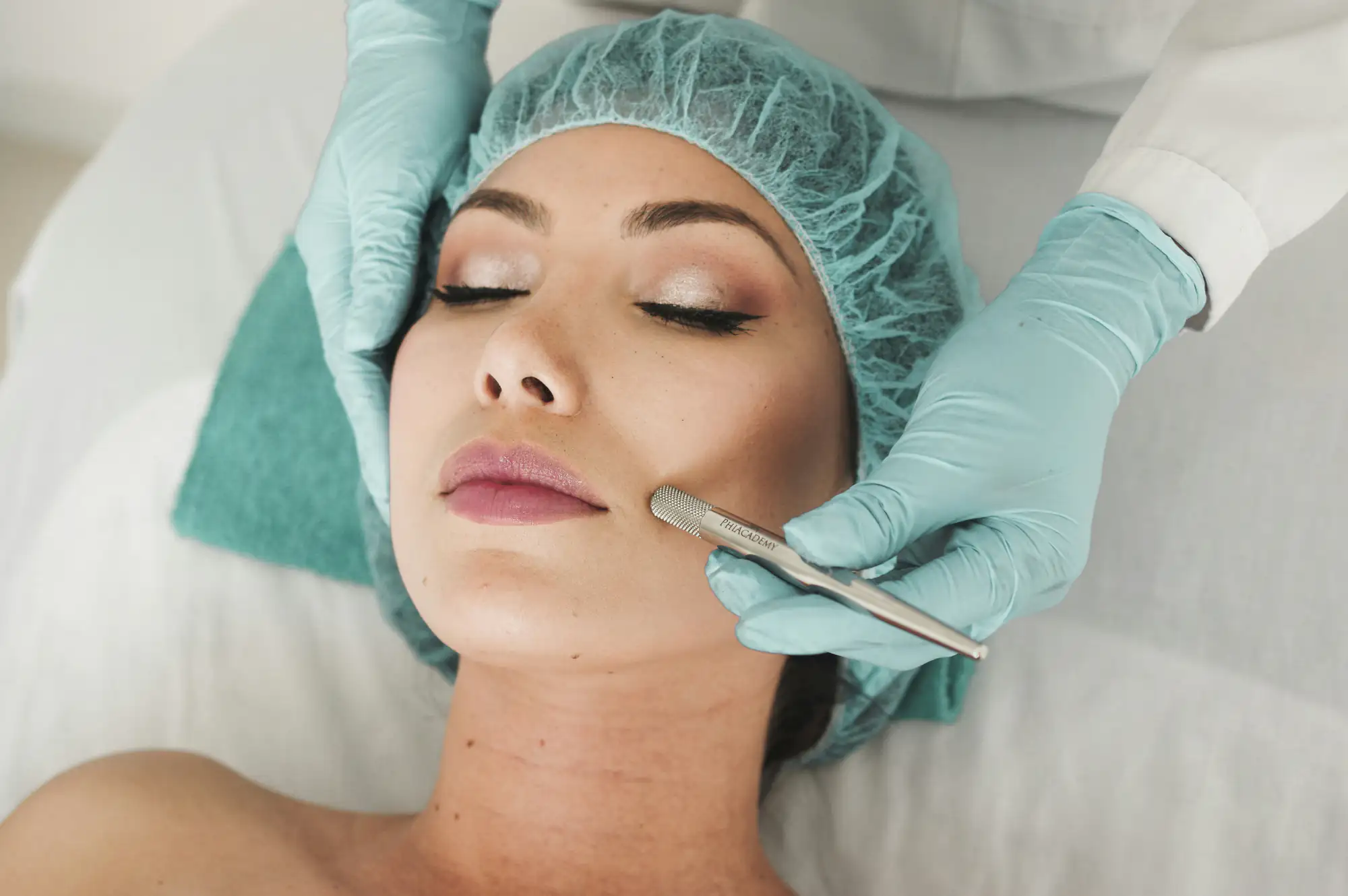
Your skin feels different the second you touch it. Smoother. Softer. The kind of texture that makes you want to skip foundation because your face actually looks that good bare.
Dermaplaning removes the vellus hair and built-up dead cells that make your skin look dull and your makeup settle into every line. You’re not dealing with peach fuzz catching the light anymore. Your moisturizer sinks in instead of sitting on the surface doing nothing.
If you’ve got an event coming up, this is the treatment that delivers before you walk out the door. No waiting weeks to see if something’s working. The results show up immediately because we’re physically removing what’s blocking your glow.
Your products work better after this. The serums you’ve been using finally penetrate. Your makeup applies like it does in the tutorials. And if you’ve been dealing with rough texture or clogged pores, you’ll notice those improve too because we’re clearing the path for your skin to actually function.
We’ve been named Best Esthetician in Wake County three years running. That’s not marketing language—it’s recognition from people who’ve actually sat in the chair and seen what happens when someone knows what they’re doing.
Jacqueline Grace holds HydraFacial Master Certification, which puts her among the top practitioners worldwide. She’s also taken first place internationally in the Pigmentation Artist of the Year category at The Skin Games. These aren’t participation awards—they’re proof of skill.
Pine Level clients come here because they want professional-grade results, not the DIY version that comes with risk. The median household income in Pine Level is $75,263, and the median age is 38.7 years. You’re in the demographic that values expertise and wants treatments that actually work. We’ve built our reputation serving Wake County communities like yours—people who research before they book and expect real results when they show up.

You start with a free consultation where we assess your skin type and identify what’s actually going on. Not every skin concern needs the same approach, and dermaplaning works differently depending on what you’re dealing with—dullness, texture issues, makeup application problems, or product absorption.
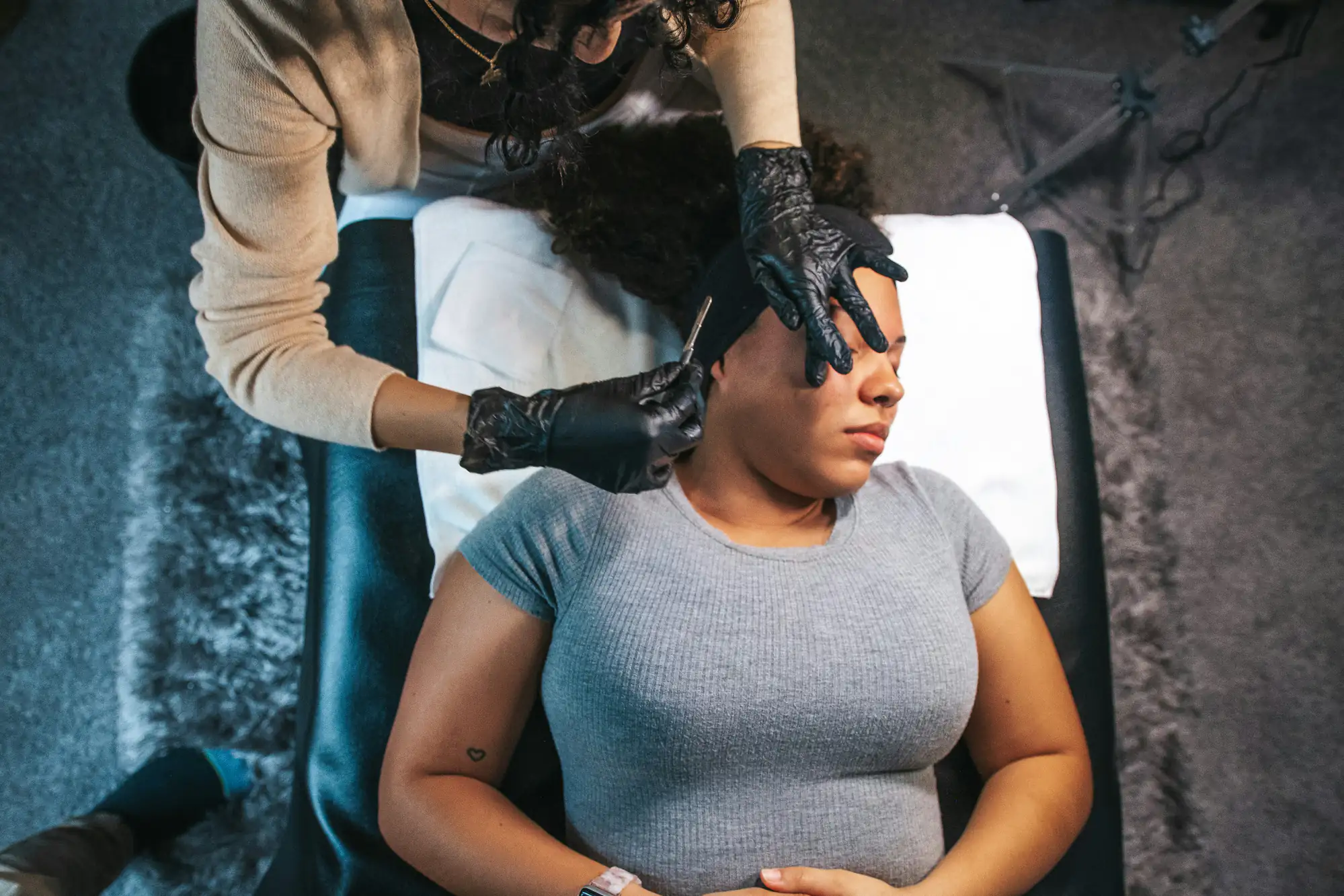
The treatment itself takes about 30 minutes. We use a medical-grade surgical scalpel held at a 45-degree angle to gently scrape away dead skin cells and vellus hair from the surface. It’s not painful. Most people say it feels like a light scratching sensation, almost relaxing.
We’re working in controlled, hygienic conditions with professional tools—not the drugstore razors people try at home that can cause nicks, irritation, or uneven results. The precision matters because we’re removing exactly what needs to go without disrupting healthy skin underneath.
You’ll see the difference immediately when you look in the mirror after. Your skin looks brighter because light reflects evenly instead of scattering off rough texture and fine hair. There’s no downtime. You can put makeup on the next day, and it’ll apply better than it has in months.

Ready to get started?
This is a standalone treatment, but it also sets up your skin to respond better to everything else you do. When you remove the barrier of dead cells and hair, your expensive serums and moisturizers can finally penetrate. That’s why a lot of clients combine dermaplaning with other treatments like HydraFacial or chemical peels—the results compound.
You’re getting professional assessment of your skin before we start. We’re looking at texture, tone, areas of congestion, and how your skin’s behaving overall. That informs how we approach the treatment and what we recommend afterward.
Pine Level’s population is 76.12% White and 6.06% Black or African American, and dermaplaning works across all skin types and tones. It’s one of the few exfoliation methods that’s safe and effective regardless of your melanin levels, unlike some chemical treatments that carry higher risk for hyperpigmentation on darker skin.
The treatment also stimulates collagen production, which helps with fine lines and overall skin texture over time. You’re not just getting surface-level results—you’re supporting your skin’s deeper structure too. And because there’s no downtime, this fits into your schedule whether you’re working full-time, managing a household, or both.
No. The technique, tools, and results are completely different.
At-home razors are designed for body hair and aren’t precise enough for facial skin. They’re typically used with shaving cream or gel, which blocks your view of what you’re actually doing. Most people end up applying uneven pressure, missing areas, or causing irritation because they can’t see the angle or control the blade properly.
Professional dermaplaning uses a medical-grade surgical scalpel held at a specific 45-degree angle. We’re trained to apply consistent, controlled pressure across your entire face, removing the exact layer of dead skin cells and vellus hair without going too deep or missing spots. The precision matters because we’re working around delicate areas like your eyes, nose, and mouth where one wrong move with a drugstore razor can cause real damage.
The other major difference is the environment. We’re working in sterile, controlled conditions. Your skin is prepped correctly. The tools are single-use and surgical-grade. At home, you’re dealing with bathroom lighting, a foggy mirror, and razors that dull after one use. The risk of nicks, cuts, uneven texture, and infection is significantly higher when you’re doing this yourself.
No. That’s a myth that won’t die, but it’s not how hair growth works.
Vellus hair—the peach fuzz on your face—grows from a follicle that’s genetically programmed to produce fine, light hair. Shaving or dermaplaning cuts the hair at the surface level. It doesn’t touch the follicle, and it doesn’t change the hair’s texture, color, or growth rate. The follicle will keep producing the same type of hair it always has.
The reason people think hair grows back thicker is because of how it feels when it’s growing in. When you cut hair, you’re creating a blunt edge instead of the natural tapered tip. That blunt edge feels stubbly as it breaks through the skin, which makes people think the hair itself has changed. It hasn’t. Once it grows out to its normal length, it feels exactly the same as before.
This has been studied extensively, and there’s no scientific evidence that dermaplaning or shaving changes hair growth patterns. If it did, every man who shaves his face would have beard hair like steel wool by now. Your vellus hair will grow back at the same rate, same texture, same color—usually within three to four weeks.
Professional dermaplaning uses medical-grade tools, proper technique, and controlled conditions that at-home tools can’t replicate.
The scalpels we use are surgical-grade, single-use, and designed specifically for precision work on facial skin. At-home dermaplaning tools are mass-produced, often dull right out of the package, and lack the sharpness needed for clean, effective exfoliation. A dull blade doesn’t glide—it drags, which increases your risk of irritation, uneven results, and missed areas.
Technique matters just as much as the tool. We’re trained to hold the blade at exactly 45 degrees and apply consistent pressure across different areas of your face. Too much pressure and you risk damaging healthy skin. Too little and you’re not removing anything. Most people doing this at home don’t have the training to know what proper pressure feels like, and they can’t see what they’re doing from the right angle.
The other issue is skin assessment. Before we start, we’re evaluating your skin type, identifying active breakouts, areas of sensitivity, and any contraindications that would make dermaplaning a bad idea that day. At home, you don’t have that expertise. You might dermaplane over active acne and spread bacteria, or work on skin that’s too irritated to handle exfoliation. Professional treatment means you’re getting results without the guesswork or risk.
It doesn’t hurt, and there’s no recovery time needed.
Most people describe the sensation as a light scratching or scraping feeling. It’s not painful because we’re only working on the outermost layer of dead skin cells and fine hair—there are no nerve endings there to register pain. Some areas might feel slightly more sensitive than others, like around the nose or jawline, but it’s never uncomfortable enough to stop the treatment.
You might see some redness immediately after, similar to what happens after any exfoliation treatment. That usually fades within an hour or two. Your skin might feel tight or dry for the rest of the day, which is normal—you’ve just removed a layer of dead cells, so your skin is adjusting. We’ll recommend a good moisturizer to keep your skin hydrated while it recalibrates.
There’s no peeling, no flaking, no downtime where you need to hide at home. You can go back to work, run errands, do whatever you need to do. The only restriction is sun exposure—your skin will be more sensitive to UV rays for a few days after treatment, so you need to wear SPF 30 or higher if you’re going outside. Other than that, you’re good to go. Most people put makeup on the next day and notice it applies better than it has in months.
Every four to six weeks is the standard recommendation, but it depends on your skin and your goals.
Your skin’s natural cell turnover cycle is about 28 days. That’s how long it takes for new skin cells to form, move to the surface, die, and build up again. Dermaplaning removes that buildup, so scheduling treatments every four weeks keeps you ahead of the cycle. You’re maintaining smooth, bright skin instead of waiting for dullness to come back.
Some people stretch it to six weeks, especially if they’re combining dermaplaning with other treatments like chemical peels or microneedling. Layering too many exfoliation treatments too close together can over-strip your skin and cause irritation. We’ll help you figure out the right timing based on what else you’re doing and how your skin responds.
If you’re prepping for a specific event—wedding, reunion, photoshoot—you’ll want to schedule your dermaplaning appointment about a week before. That gives your skin time to settle and look its absolute best without any residual redness or sensitivity. For regular maintenance, every four weeks keeps you consistent. Your skin stays smooth, your makeup applies flawlessly, and your skincare products keep working at full strength because there’s no dead cell barrier blocking absorption.
It depends on the type of acne and how sensitive your skin actually is.
If you have active cystic acne or inflamed breakouts, dermaplaning isn’t a good idea. The blade can rupture pustules and spread bacteria across your face, making the breakout worse. We’re not going to do a treatment that sets you back. In that case, we’d recommend getting the acne under control first, then using dermaplaning as part of your maintenance routine once your skin has calmed down.
If you have occasional breakouts, closed comedones, or acne scarring, dermaplaning can actually help. It removes the dead skin cells that clog pores and trap oil, which reduces the likelihood of new breakouts forming. It also smooths out the texture issues that come with old acne scars, making them less noticeable over time.
Sensitive skin isn’t an automatic disqualification either. We assess your skin during the consultation to see what’s causing the sensitivity—rosacea, eczema, reaction to products, or just naturally thin skin. If your skin can handle gentle exfoliation, dermaplaning is one of the least irritating options available. It’s physical exfoliation, not chemical, so there’s no risk of a reaction to acids or active ingredients. That said, if your skin is currently inflamed or compromised, we’ll wait until it’s stable. The goal is results, not damage.