Hear from Our Customers
Your skin looks different the second you stand up from the treatment table. Smoother texture. Brighter tone. That layer of dull, dead cells and fine facial hair that’s been blocking your glow is gone.
Your makeup glides on instead of catching on dry patches or peach fuzz. Your serums and moisturizers actually sink in instead of sitting on top of buildup. And over the next few days, you’ll notice your skin looking even more refreshed as collagen production kicks in.
There’s no peeling, no redness, no downtime. You can go straight back to work, hit the gym, or head to dinner. Most people in Raleigh book dermaplaning every four to six weeks to keep that smooth, even texture going strong.
This isn’t a treatment that requires you to hide at home for a week. It’s one that fits into your actual life while delivering results you can see right away.
Wake Skincare is led by Jacqueline Grace, a licensed esthetician who’s been named Best Esthetician in Wake County three years running. She’s also earned first and second place internationally at The Skin Games for pigmentation and lash and brow artistry, and she’s one of the first hundred practitioners worldwide to achieve HydraFacial Master Certification.
She opened Wake Skincare in Wake Forest just two weeks before COVID hit, and we’ve since become a go-to for medical-grade skincare across Raleigh, Cary, Knightdale, Garner, and the surrounding Wake County area. Every treatment starts with a free consultation, and every plan is built around your skin, not a one-size-fits-all script.
You’re not getting a cookie-cutter facial here. You’re getting a licensed expert who knows how to read your skin and adjust the treatment to match what you actually need.

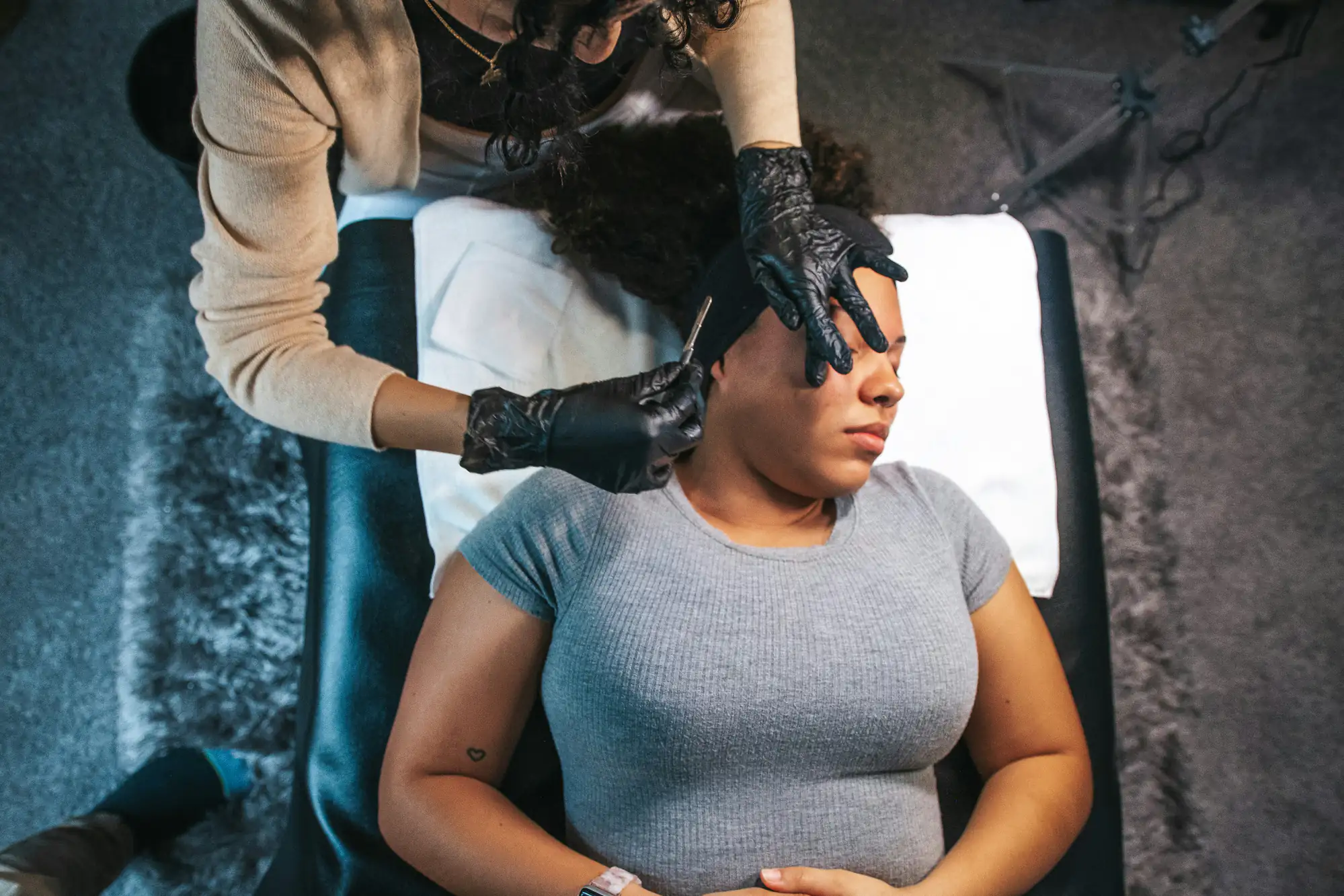
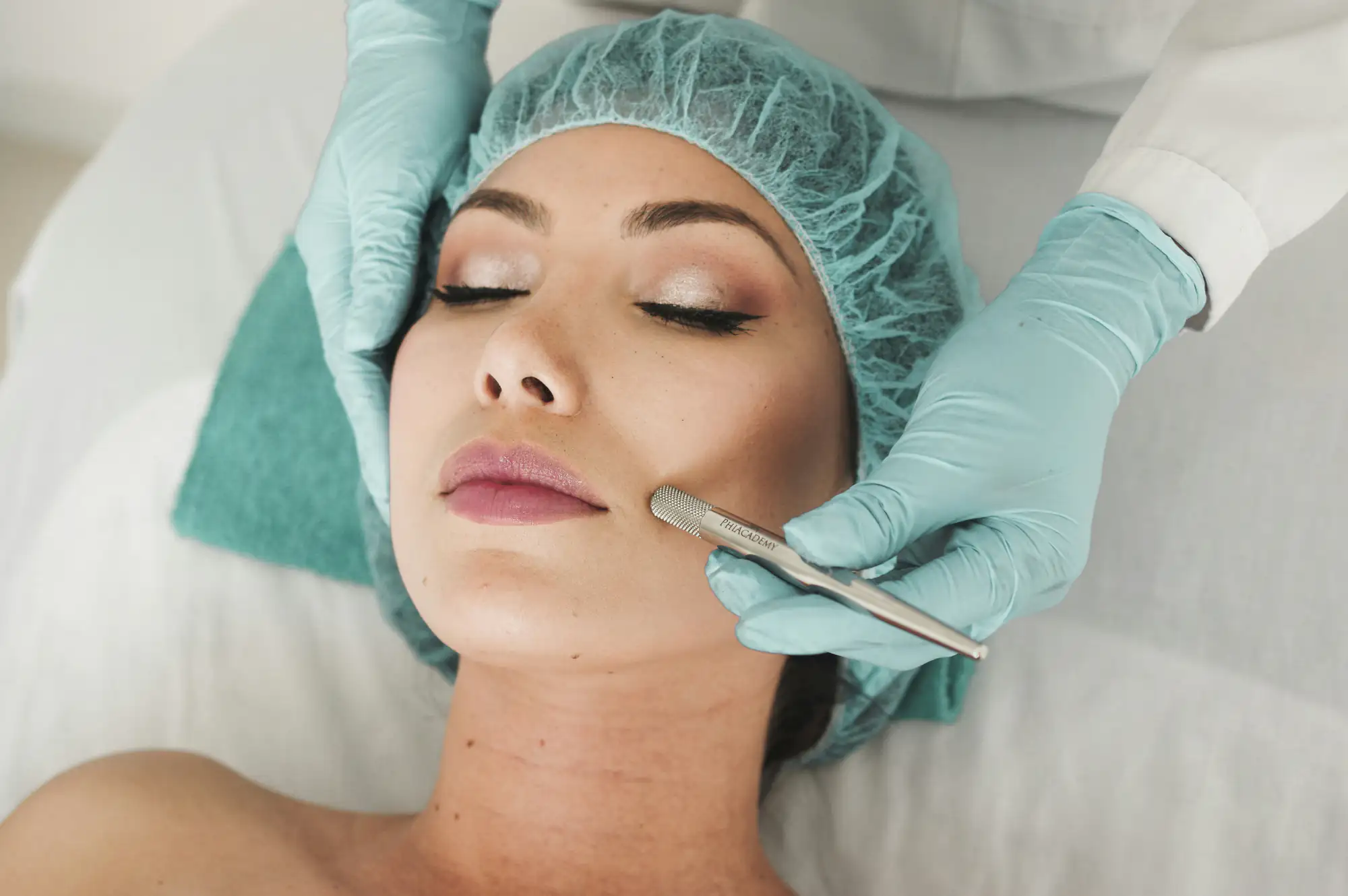
Your session starts with a skin analysis and cleanse. Once your skin is prepped, a sterile surgical scalpel is used at a precise angle to gently remove the top layer of dead skin cells and vellus hair, also known as peach fuzz.
The blade glides across your skin in short, controlled strokes. It doesn’t hurt. Most people say it feels like a light scratching sensation, and some even find it relaxing. The entire dermaplaning process takes about 30 to 45 minutes depending on your skin and whether you’re adding any boosters.
After the treatment, a hydrating serum or mask is applied to calm and nourish your freshly exfoliated skin. You’ll leave with zero redness, zero irritation, and a face that feels unbelievably smooth. There’s no recovery period, no special aftercare routine, and no reason to cancel your plans.
If you’ve had injectables in the last two weeks, used retinol in the past week, or have active acne, we’ll talk through timing during your consultation. Same goes if you’ve had chemo recently or have sunburned skin. Otherwise, dermaplaning works for most skin types and tones, and it’s one of the few exfoliation treatments that’s safe during pregnancy.

Ready to get started?
Every dermaplaning facial at Wake Skincare includes a full skin consultation, the dermaplaning treatment itself, and a post-treatment application of medical-grade skincare chosen specifically for your skin type. You’re not rushed in and out. You get one-on-one attention from start to finish.
In Raleigh, dermaplaning typically runs around $95, which is what you’ll pay here. No surprise fees. No upsells unless you ask about add-ons like a hydrating mask or enzyme treatment to boost your results even further.
Raleigh’s climate means a lot of people deal with dryness in the winter and oil buildup in the summer. Dermaplaning helps with both by removing the barrier that’s keeping your skin from behaving the way it should. It’s especially popular before weddings, photoshoots, and big events because the results show up immediately and last for weeks.
If you’re pregnant or nursing and missing your usual chemical peels or retinol routine, dermaplaning gives you that deep exfoliation without any harsh acids or lasers. It’s a safe, effective option when a lot of other treatments are off the table.
And if you’re someone who just wants consistently great skin without a complicated routine, this is one of the easiest maintenance treatments you can add to your schedule. Book it every month or two, and your skin stays smooth, bright, and ready for anything.
No. This is one of the most common myths about dermaplaning, and it’s completely false. The treatment removes vellus hair, which is the soft, fine peach fuzz on your face. Vellus hair is different from terminal hair, which is the thicker, coarser hair that grows on your scalp, eyebrows, and other areas.
When vellus hair grows back after dermaplaning, it comes back exactly the same texture, color, and thickness as before. It doesn’t change the structure of the hair follicle. You’re not triggering any hormonal shift or altering your hair growth pattern by removing the hair at the surface level.
What you might notice is that the hair feels slightly blunt when it first starts growing back, simply because it was cut with a blade rather than naturally tapered at the tip. But within a few days, it softens and returns to normal. Most people in Raleigh who get dermaplaning done regularly don’t even notice the regrowth because it’s so fine and light.
Most people book dermaplaning every four to six weeks. That’s roughly how long it takes for your skin to complete a full cell turnover cycle and for the vellus hair to grow back to a noticeable length.
If you’re using dermaplaning as part of a regular maintenance routine, monthly sessions work well. If you’re booking it for a specific event like a wedding or photoshoot, plan to come in about a week before so your skin has time to look its absolute best without any risk of sensitivity on the big day.
Some clients in Raleigh come in more frequently during the winter months when their skin gets drier and duller, and they space it out a bit more in the summer. It really depends on your skin’s needs and how quickly you notice texture building back up. During your free consultation, we’ll talk through a schedule that makes sense for your skin and your goals.
None. You can go straight back to your day. There’s no peeling, no redness, and no recovery period. Your skin might feel a little more sensitive to touch immediately after the treatment, but that fades within an hour or two.
You can wear makeup right away if you want to, though most people skip it because their skin looks so good on its own. You can work out, go outside, and follow your normal routine. Just wear sunscreen, which you should be doing anyway, because freshly exfoliated skin is more vulnerable to UV damage.
The only thing to avoid for the first 24 hours is anything that might irritate your skin, like retinol, acids, or harsh scrubs. Stick to gentle cleansers and moisturizers for the first day, and then you’re good to go back to your regular skincare routine. That’s it. No hiding at home, no week-long recovery, no babying your skin for days on end.
It depends on the type of acne. If you have active, inflamed breakouts with pustules or cystic acne, dermaplaning isn’t recommended because the blade can spread bacteria and make the breakouts worse. But if you’re dealing with closed comedones, blackheads, or post-acne texture and scarring, dermaplaning can actually help.
Removing the layer of dead skin cells and peach fuzz allows your acne treatments and serums to penetrate more effectively. It also helps smooth out the uneven texture that lingers after breakouts heal. A lot of people in Raleigh dealing with hormonal acne or maskne find that dermaplaning improves their skin’s overall appearance once the active inflammation is under control.
During your consultation, we’ll take a close look at your skin and talk through whether dermaplaning makes sense for you right now or if we should wait until your skin calms down. If dermaplaning isn’t the right fit, we can recommend other treatments like chemical peels or microneedling that might work better for your current skin condition.
Yes. Dermaplaning is one of the safest exfoliation treatments you can get while pregnant or nursing because it’s completely physical. There are no chemicals, no acids, no lasers, and no ingredients that could potentially affect your pregnancy.
A lot of the treatments you might normally rely on, like retinol, chemical peels, or certain laser facials, are off-limits during pregnancy. Dermaplaning gives you that deep exfoliation and immediate glow without any of the risks. It’s a great way to keep your skin looking fresh and smooth when your usual routine is on pause.
Many pregnant clients in Raleigh book dermaplaning specifically because it’s one of the few treatments they can still safely enjoy. It helps with the dullness and texture changes that sometimes come with pregnancy, and it’s a nice way to feel pampered without worrying about what’s safe for the baby.
Dermaplaning uses a sterile surgical scalpel held at a precise angle to remove dead skin cells along with vellus hair. Shaving uses a regular razor designed only to cut hair at the surface, and it doesn’t exfoliate your skin in the same way.
The technique matters. Dermaplaning is performed by a licensed esthetician who’s trained to use the correct angle, pressure, and stroke pattern to safely exfoliate without causing irritation or nicks. Shaving at home with a regular razor doesn’t give you that same level of precision, and it’s easy to cause irritation or miss the exfoliation benefits entirely.
The results are different too. Dermaplaning leaves your skin smoother, brighter, and more receptive to skincare products because it’s removing a significant layer of buildup. Shaving just cuts the hair. You might feel smoother temporarily, but you’re not getting the same skin-renewing benefits. If you want real exfoliation and a treatment that’s safe and effective, dermaplaning with a trained professional is the way to go.