
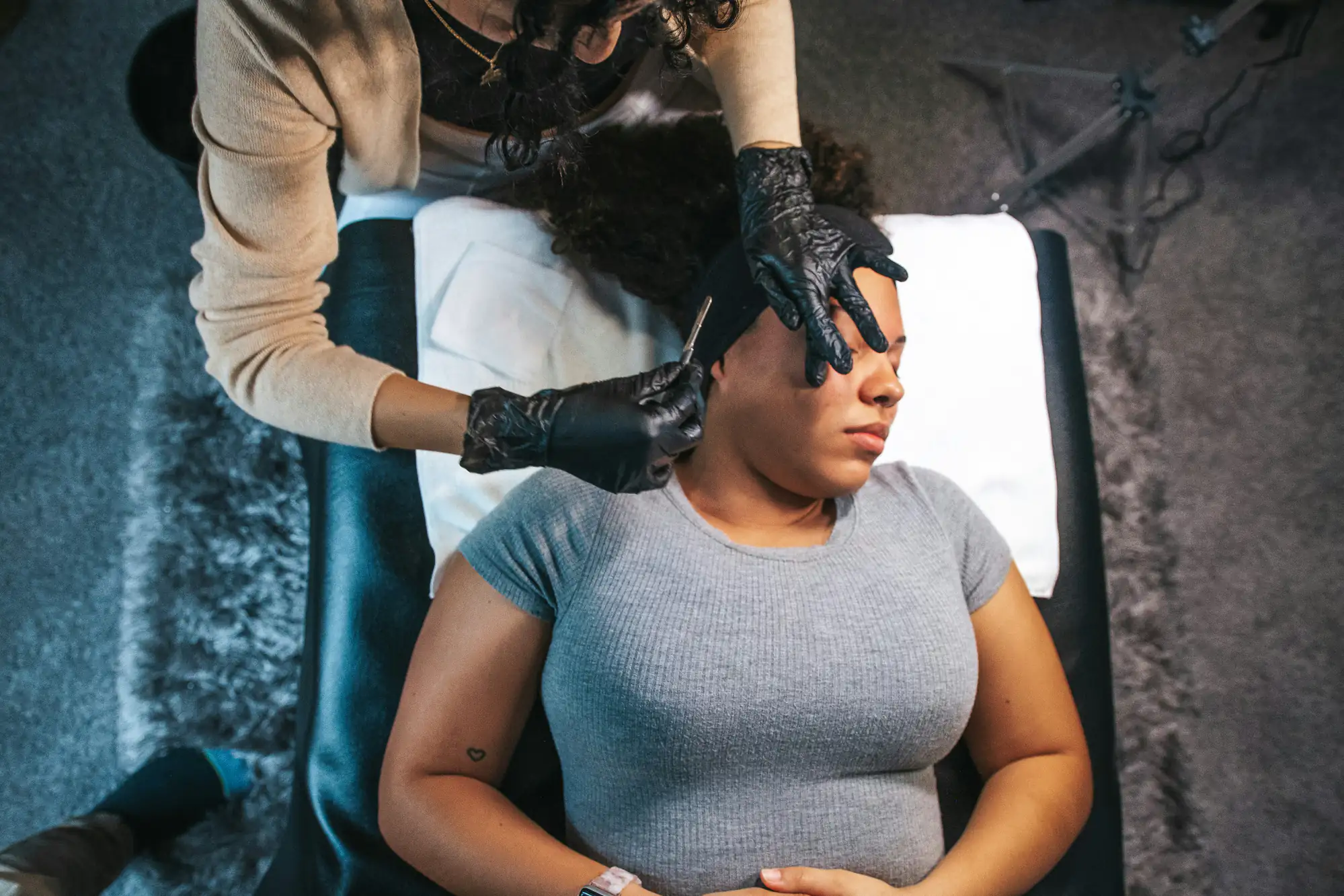
Hear from Our Customers
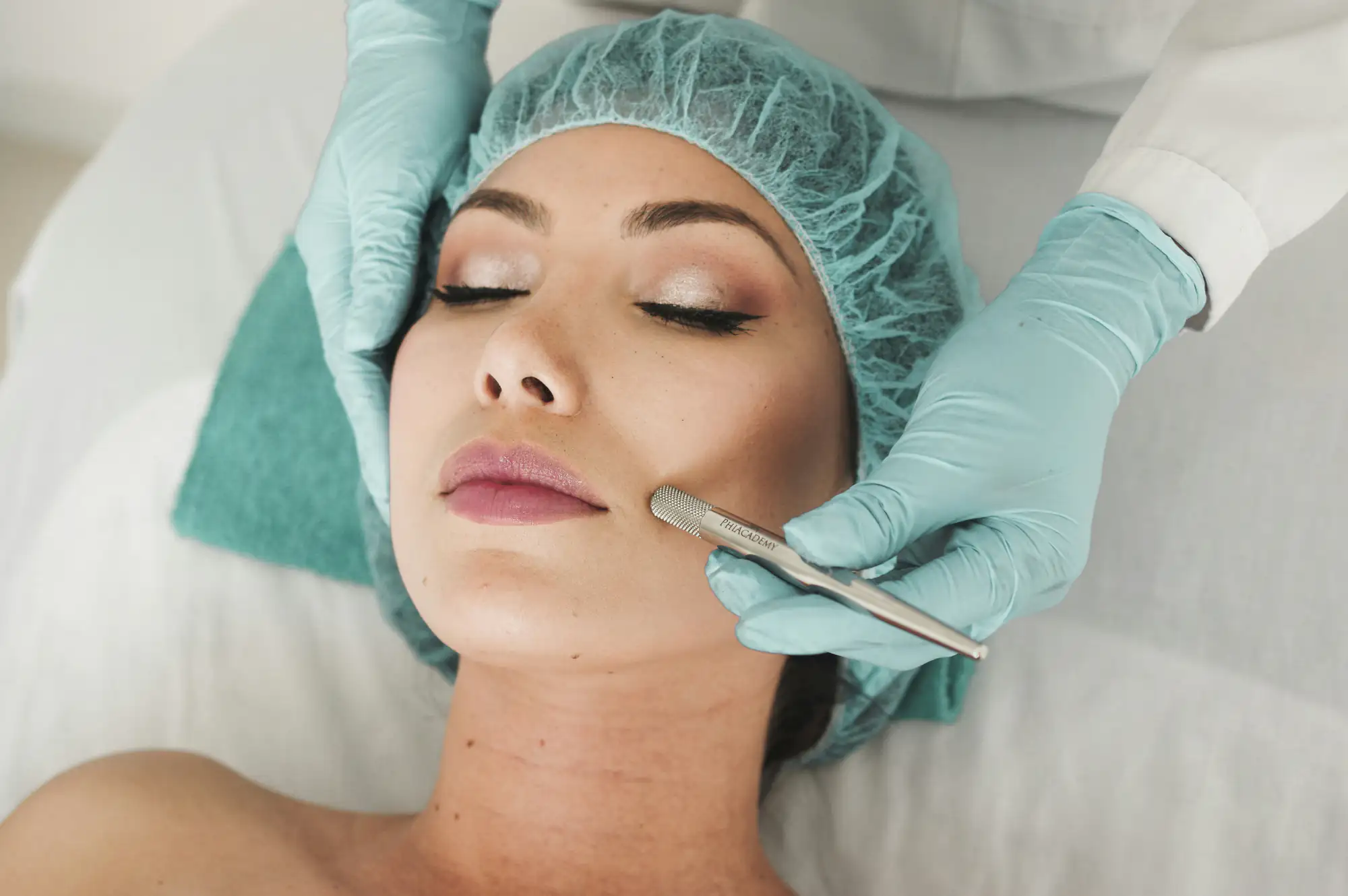
Your skin feels different immediately. Smoother than it’s been in months, maybe years. That layer of dead cells and fine hair that’s been dulling everything is gone.
Makeup sits on your face differently now. No more foundation catching on dry patches or settling into peach fuzz under harsh lighting. Your products sink in instead of sitting on the surface, which means the serums you’ve been using actually do their job.
The treatment takes about 30 to 45 minutes. There’s no pain, no numbing cream, no recovery time. You might look slightly flushed for an hour afterward, but that’s it. Most people schedule dermaplaning every three to four weeks because that’s how long it takes for that top layer to build back up. If you’ve got an event coming up or you’re just tired of fighting with your skin texture every morning, this is the reset you’ve been looking for.
We opened Wake Skincare in Wake Forest just before everything shut down in 2020. While other businesses struggled, our founder Jacqueline Grace used that time to build something different in the community. Not a spa trying to be everything to everyone, but a medical-grade skincare clinic focused on treatments that actually work.
Red Oak residents don’t have to drive all the way into Raleigh for professional dermaplaning services anymore. The drive to Wake Forest is shorter, the appointments are personalized, and you’re not getting shuffled through a corporate medspa assembly line. Jacqueline holds a HydraFacial Master Certification, which puts her among the first hundred practitioners worldwide to reach that level. She’s also earned first and second place in the Pigmentation Artist of the Year category at The Skin Games, an international aesthetics competition.
The recognition matters because it proves expertise. But what matters more is that every treatment starts with a free consultation to figure out what your skin actually needs, not what’s easiest to sell you.

Your appointment starts with a consultation if it’s your first time. We’ll talk through what’s bothering you about your skin, what you’ve tried before, and what results you’re actually looking for. No judgment if you’ve been using the wrong products or if at-home exfoliation hasn’t been working.
The dermaplaning itself is straightforward. We use a surgical scalpel at a 45-degree angle to gently scrape away the top layer of dead skin cells and vellus hair (that’s the peach fuzz). It sounds more intense than it feels. Most people say it’s oddly satisfying, like a deep clean for your face. There’s no tugging, no discomfort, no need for numbing agents.
Once that layer is removed, your skin is prepped to actually absorb treatment. That’s when acids or serums get applied, depending on what your skin needs. Those products penetrate deeper now because there’s no barrier blocking them. The whole process takes 30 to 45 minutes, and you walk out with visibly smoother skin. You can put makeup on right away if you need to, though your face might be slightly pink for about an hour.

Ready to get started?
Every dermaplaning session at Wake Skincare includes the full exfoliation treatment plus a customized approach based on your skin type and concerns. You’re not getting a one-size-fits-all facial. If you’ve got sensitive skin, the treatment adjusts. If you’re dealing with acne scarring or hyperpigmentation, the follow-up products change.
Red Oak’s demographics skew toward an older, more established population with a median age over 50 and household incomes well above the state average. That means most clients here aren’t looking for trendy treatments they saw on TikTok. They want results that last and professionals who know what they’re doing. Dermaplaning fits that need because it’s a proven method with immediate visible outcomes and zero downtime.
You also get guidance on how to maintain results between appointments. That includes product recommendations that actually make sense for your skin, not just whatever’s being pushed that month. The goal is to keep your skin looking this good for as long as possible, which usually means booking every three to four weeks once you see how much of a difference it makes.
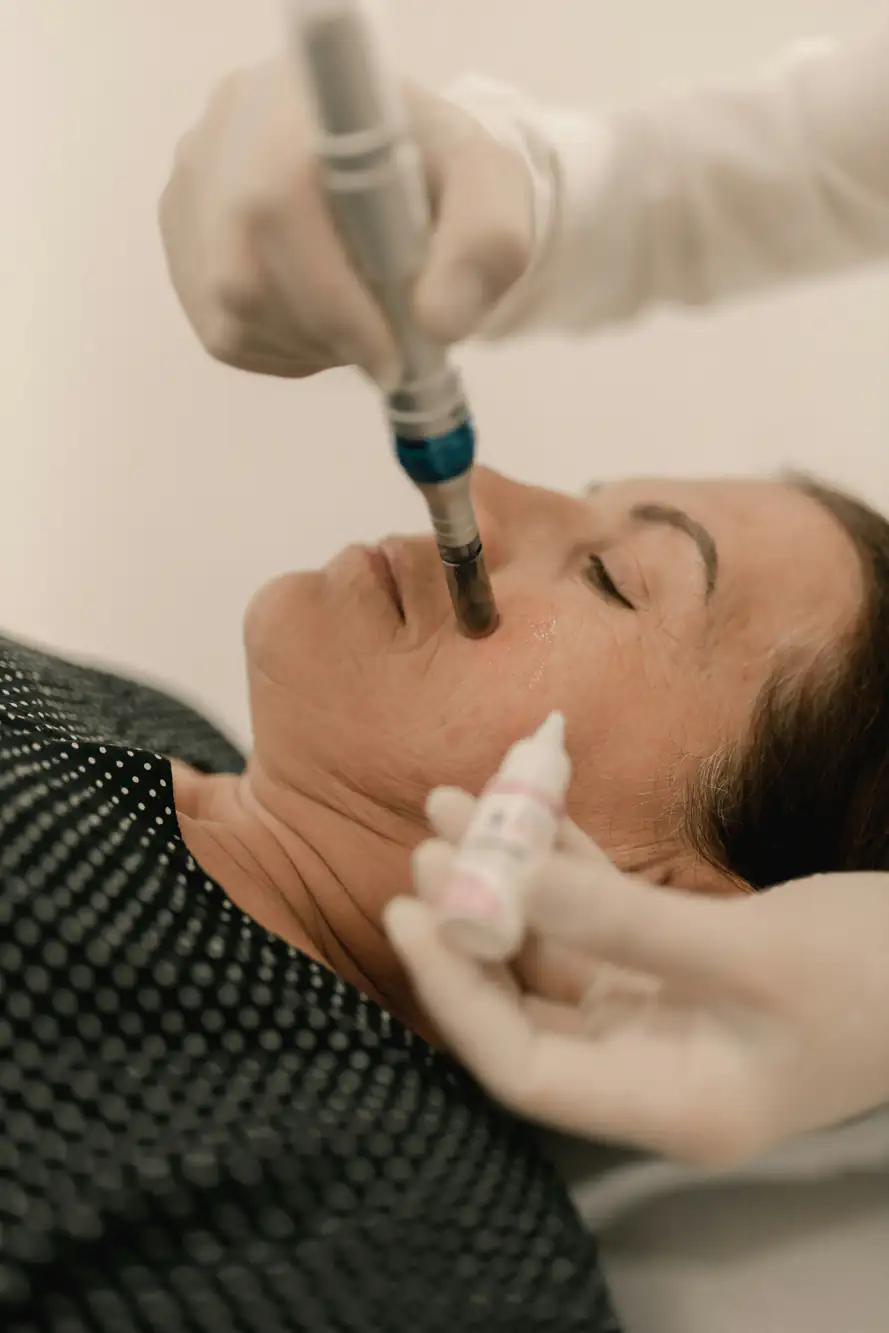
No. This is the most common concern people have before their first treatment, and it’s based on a myth that won’t die. Dermaplaning removes vellus hair, which is the fine, soft peach fuzz on your face. It’s structurally different from terminal hair (like the hair on your head or eyebrows).
Vellus hair doesn’t have the same follicle depth or thickness. When it grows back after dermaplaning, it grows back exactly the same texture, color, and thickness as before. Shaving doesn’t change hair structure—it just cuts the hair at the surface, which can make the blunt edge feel slightly different for a day or two as it grows out.
If you’ve been avoiding dermaplaning because you’re worried about stubble or darker regrowth, you can stop worrying. Thousands of people get this treatment regularly, and none of them end up with thicker facial hair. What you will notice is how much smoother your skin feels and how much better your makeup applies once that peach fuzz is gone.
Dermaplaning is safe for sensitive skin when it’s done by a licensed professional who knows how to adjust pressure and technique. In fact, it’s often a better option than chemical exfoliants or scrubs that can irritate sensitive skin types. The treatment is mechanical, not chemical, so there’s no risk of a reaction to active ingredients.
That said, if you have active acne—especially cystic acne or inflamed breakouts—dermaplaning isn’t recommended until those areas heal. The blade can spread bacteria and make breakouts worse. If you’re dealing with occasional pimples or closed comedones, we can work around those areas safely.
For people with rosacea, eczema, or generally reactive skin, dermaplaning can actually help because it removes the dead skin barrier that’s preventing your treatment products from working. Just make sure you’re working with someone who’s going to assess your skin first instead of rushing you through a standard protocol. That consultation before the treatment isn’t optional—it’s how you avoid problems.
At-home dermaplaning tools don’t offer the same level of exfoliation because the blades aren’t as sharp and the technique isn’t as precise. Most drugstore tools are designed to remove peach fuzz, not to perform actual exfoliation at the depth needed to see real results. They’re safer for general consumers to use, which also means they’re less effective.
Professional dermaplaning uses a surgical-grade scalpel held at a specific angle to remove both vellus hair and the entire top layer of dead, keratinized skin cells. That’s what gives you the smooth texture and glow. It also preps your skin to absorb serums and treatments at a much deeper level, which you can’t achieve with an at-home tool.
The other major difference is expertise. A licensed esthetician knows how much pressure to use, which areas to avoid, and how to customize the treatment based on your skin type. If you do it wrong at home, you risk nicks, irritation, or uneven results. If you want the real benefits of dermaplaning—not just peach fuzz removal—it’s worth getting it done professionally.
Most people see the best results when they get dermaplaning every three to four weeks. That timing matches your skin’s natural cell turnover cycle, which is about 28 days. By the time a month has passed, you’ve built up a new layer of dead skin cells and your vellus hair has grown back.
You can technically get dermaplaning more often than that, but there’s no real benefit to it. Your skin needs time to regenerate between treatments. Going too frequently won’t speed up results—it’ll just irritate your skin and waste your money. If you’re preparing for a specific event, you can schedule a session a few days beforehand for that fresh, glowing look.
Some people prefer to get dermaplaning every six weeks instead of every four, especially if they’re combining it with other treatments like chemical peels or microneedling. We’ll help you figure out the right cadence based on how your skin responds and what other treatments you’re doing. The goal is consistent results without overdoing it.
Yes, you can apply makeup immediately after dermaplaning if you need to. Your skin might be slightly pink for about an hour, but there’s no open wounds, no peeling, and no downtime that prevents you from going about your day. A lot of people schedule dermaplaning right before an event because their makeup applies so smoothly afterward.
That said, your skin will be more receptive to products right after treatment—both the good and the bad. If you’re going to wear makeup, make sure it’s clean and non-irritating. Avoid anything with harsh chemicals or heavy fragrances for the first 24 hours. Mineral makeup or a tinted moisturizer with SPF is usually the safest bet.
The bigger priority after dermaplaning is sun protection. You’ve just removed the top layer of skin, which means you’re more vulnerable to UV damage. Wear a broad-spectrum SPF 30 or higher every day, but especially in the first week after treatment. If you’re diligent about that, your results will last longer and your skin will stay healthier overall.
Dermaplaning can improve the appearance of shallow acne scars and hyperpigmentation over time, but it’s not a one-and-done solution. The treatment works by removing the outermost layer of dead skin, which includes some of the discolored or uneven texture. That reveals fresher skin underneath and encourages your skin to regenerate more evenly.
For deeper acne scars—like ice pick or boxcar scars—you’ll likely need a more aggressive treatment like microneedling or laser resurfacing. Dermaplaning can be part of a larger treatment plan, but it won’t eliminate deep scarring on its own. It’s better suited for surface-level texture issues, fine lines, and mild pigmentation.
The real benefit for hyperpigmentation comes from what happens after the dermaplaning. Once that dead skin barrier is gone, your brightening serums and pigment-correcting treatments can actually penetrate and do their job. A lot of people see better results from their existing skincare routine after adding regular dermaplaning because their products finally work the way they’re supposed to. If you’ve been using the same serums for months without seeing improvement, this might be the missing piece.