
Hear from Our Customers
Your skin absorbs products up to 20 times better after dermaplaning. That means your serums, moisturizers, and treatments actually work the way they’re supposed to instead of sitting on top of dead skin and peach fuzz.
You’ll see the difference immediately. Smoother texture, more even tone, makeup that glides on instead of catching on dry patches. Fine lines look softer because you’ve removed the buildup that makes them more visible.
Results last around three weeks. No redness, no peeling, no hiding at home afterward. You can get this done on your lunch break and go straight back to work—or out to dinner, a meeting, whatever’s next. That’s why it works for people in Roxboro and the surrounding Wake County area who don’t have time for treatments that require recovery.
Wake Skincare isn’t a chain spa with rotating staff. Our founder, Jacqueline Grace, has been a licensed esthetician for over 18 years and has won Best Esthetician in Wake County three years running. She’s also HydraFacial Master Certified and took first place internationally in the Pigmentation Artist of the Year category at The Skin Games.
That level of training matters when someone’s holding a surgical-grade blade near your face. Dermaplaning is safe when done correctly, but technique makes all the difference between smooth results and irritation.
Clients drive to Wake Forest from Roxboro, Durham, Raleigh, and across the Triangle because they want personalized attention from someone who knows what they’re doing. Every dermaplane facial starts with a free consultation to assess your skin type, concerns, and goals before any treatment begins.

Your appointment starts with cleansing to remove makeup, oil, and surface debris. Clean skin is essential for safe, effective dermaplaning.
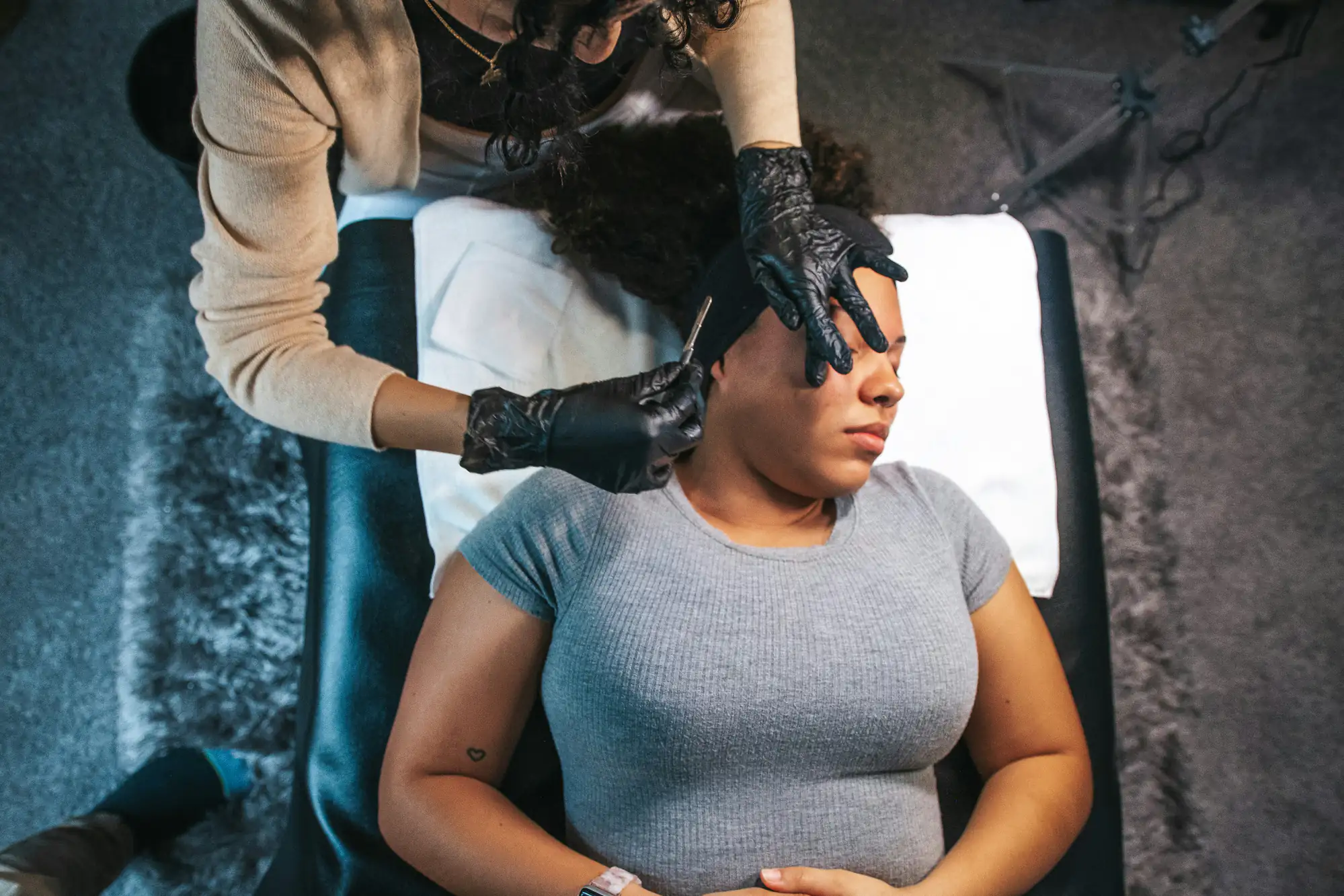
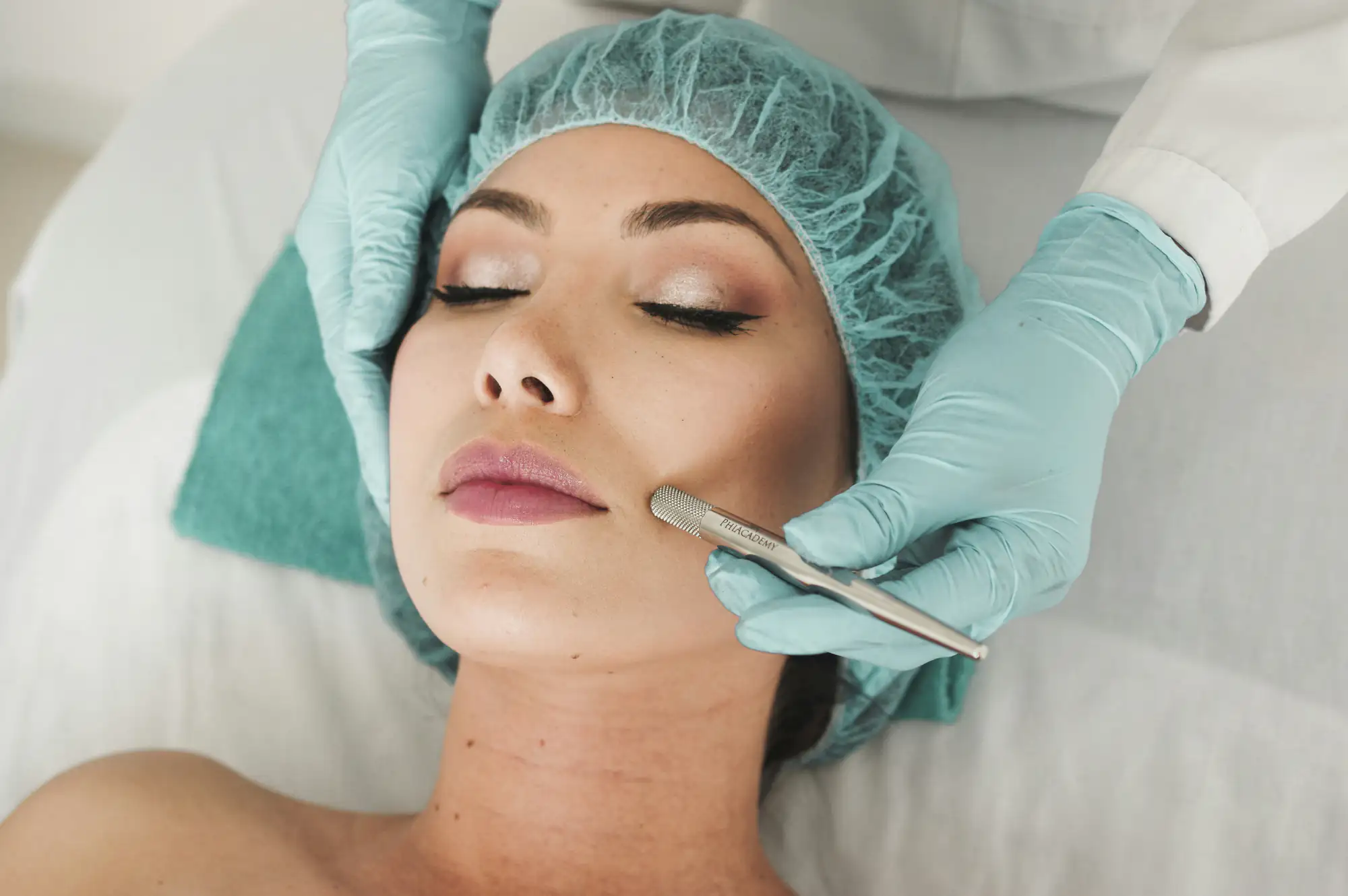
Next comes the actual dermaplaning. A sterile surgical scalpel is held at a 45-degree angle and gently moved across your skin in short, controlled strokes. This removes the top layer of dead skin cells along with vellus hair—the peach fuzz that traps dirt and dulls your complexion.
The process itself is painless. Most people describe it as a light scratching sensation. There’s no numbing needed, no discomfort during or after.
Once dermaplaning is complete, a hydrating mask or serum is applied. Your skin is more receptive at this point, so whatever goes on next penetrates deeper and works better. You’ll leave with noticeably smoother, brighter skin and can apply makeup immediately if needed.

Ready to get started?
Every dermaplaning session at Wake Skincare includes a thorough skin analysis, professional-grade exfoliation, peach fuzz removal, and a customized finishing treatment based on your skin’s needs that day.
If you’re dealing with dryness—common in North Carolina’s fluctuating climate—you’ll get extra hydration. If your concern is congestion or uneven texture, the post-treatment mask targets that. Nothing is one-size-fits-all here.
You also get guidance on how to maintain results at home. That includes product recommendations, timing for your next appointment (usually three to four weeks out), and what to avoid immediately after treatment. No harsh exfoliants, no retinol for a few days, and always sunscreen.
Dermaplaning works well on its own, but it’s also an excellent prep treatment. If you’re planning a chemical peel, HydraFacial, or microneedling session, dermaplaning beforehand makes those treatments more effective. Many clients in the Roxboro and Wake County area combine services for faster, more visible results, especially before events like weddings or professional photo shoots.
No. This is the most common myth about dermaplaning, and it’s not true. Vellus hair—the peach fuzz on your face—is structurally different from terminal hair like what grows on your scalp or legs.
Dermaplaning removes hair at the surface level by cutting it, not pulling it from the root. It doesn’t affect the follicle, the texture, or the color. When the hair grows back, it comes in with the same fine, soft texture it had before.
The myth likely comes from the blunt edge you feel when hair first starts growing back after shaving. That blunt tip can feel slightly coarser for a day or two, but the hair itself hasn’t changed. Within a week, it’s back to normal, and most people schedule their next dermaplaning appointment around the three-week mark anyway.
Dermaplaning uses a sterile surgical scalpel held at a precise angle to remove dead skin cells and vellus hair in a controlled, professional setting. At-home shaving uses a regular razor designed for body hair, not facial exfoliation.
The blade quality, angle, and technique all matter. Dermaplaning is performed by a licensed esthetician trained to work with facial skin, which is thinner and more sensitive than other areas. The goal isn’t just hair removal—it’s exfoliation and skin renewal.
You also get better results. Professional dermaplaning removes up to three weeks of dead skin buildup, which improves product absorption and reveals brighter, smoother skin. At-home shaving doesn’t offer that level of exfoliation and comes with a higher risk of nicks, irritation, or uneven results if you’re not trained in the technique.
No. You can return to your normal routine immediately after dermaplaning. There’s no redness, no peeling, and no recovery period.
Your skin might feel slightly sensitive for a few hours, similar to how it feels after a good facial. That’s normal and temporary. You’ll want to avoid direct sun exposure and wear sunscreen, but that’s standard advice after any exfoliating treatment.
Most clients schedule dermaplaning during their lunch break or before evening plans. You can apply makeup right away if needed, though many people skip it because their skin looks so good on its own. If you have an event coming up—a wedding, photos, an important meeting—dermaplaning is one of the safest bets for immediate visible improvement without risking irritation or downtime.
Most people schedule dermaplaning every three to four weeks. That timing aligns with your skin’s natural cell turnover cycle, which is about 28 days for most adults.
Spacing appointments too close together doesn’t give your skin enough time to regenerate. Waiting too long means you’re living with dull, uneven texture longer than necessary. Three to four weeks hits the sweet spot for maintaining smooth, bright skin without overdoing it.
If you’re using dermaplaning as prep for another treatment—like a chemical peel or microneedling—we’ll adjust timing based on your overall treatment plan. Some clients come in monthly for maintenance, others book before specific events. It depends on your goals, skin type, and how quickly your skin builds up dead cells and peach fuzz.
It depends on the type and severity of your acne. Dermaplaning is safe for mild acne or occasional breakouts, but it’s not recommended if you have active cystic acne, open lesions, or inflamed pustules.
The reason is simple: dragging a blade over inflamed or broken skin can spread bacteria, cause further irritation, and make breakouts worse. If your acne is under control or limited to small areas, we can work around those spots.
That’s why the free consultation matters. We assess your skin before any treatment and will tell you honestly whether dermaplaning is a good fit right now or if another service—like a HydraFacial or targeted acne facial—makes more sense. If dermaplaning isn’t right for you today, it might be once your skin clears up, and there are other treatments that can help you get there.
Dermaplaning improves the appearance of mild acne scars and hyperpigmentation by removing the top layer of dead, discolored skin cells. You’ll see brighter, more even tone after just one session.
For deeper scars or stubborn pigmentation, dermaplaning works best as part of a larger treatment plan. Combining it with chemical peels, microneedling, or medical-grade serums gives you faster, more dramatic results because your skin absorbs those treatments better after exfoliation.
North Carolina’s sun exposure contributes to a lot of the hyperpigmentation issues people in Roxboro and Wake County deal with. Dermaplaning helps fade existing dark spots and preps your skin to respond better to brightening products. Consistent treatments every three to four weeks, combined with daily sunscreen, make a noticeable difference over time.