
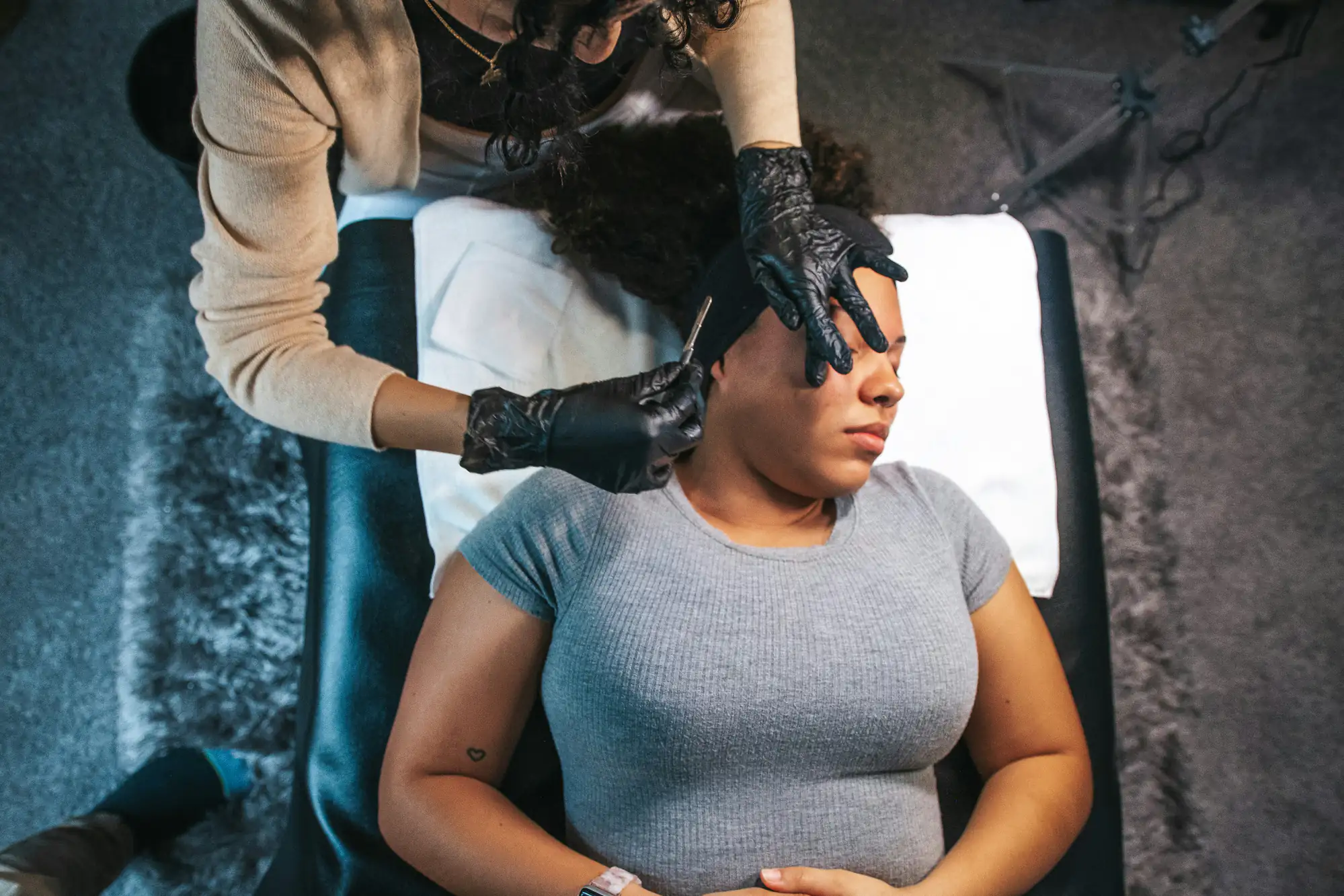
Hear from Our Customers
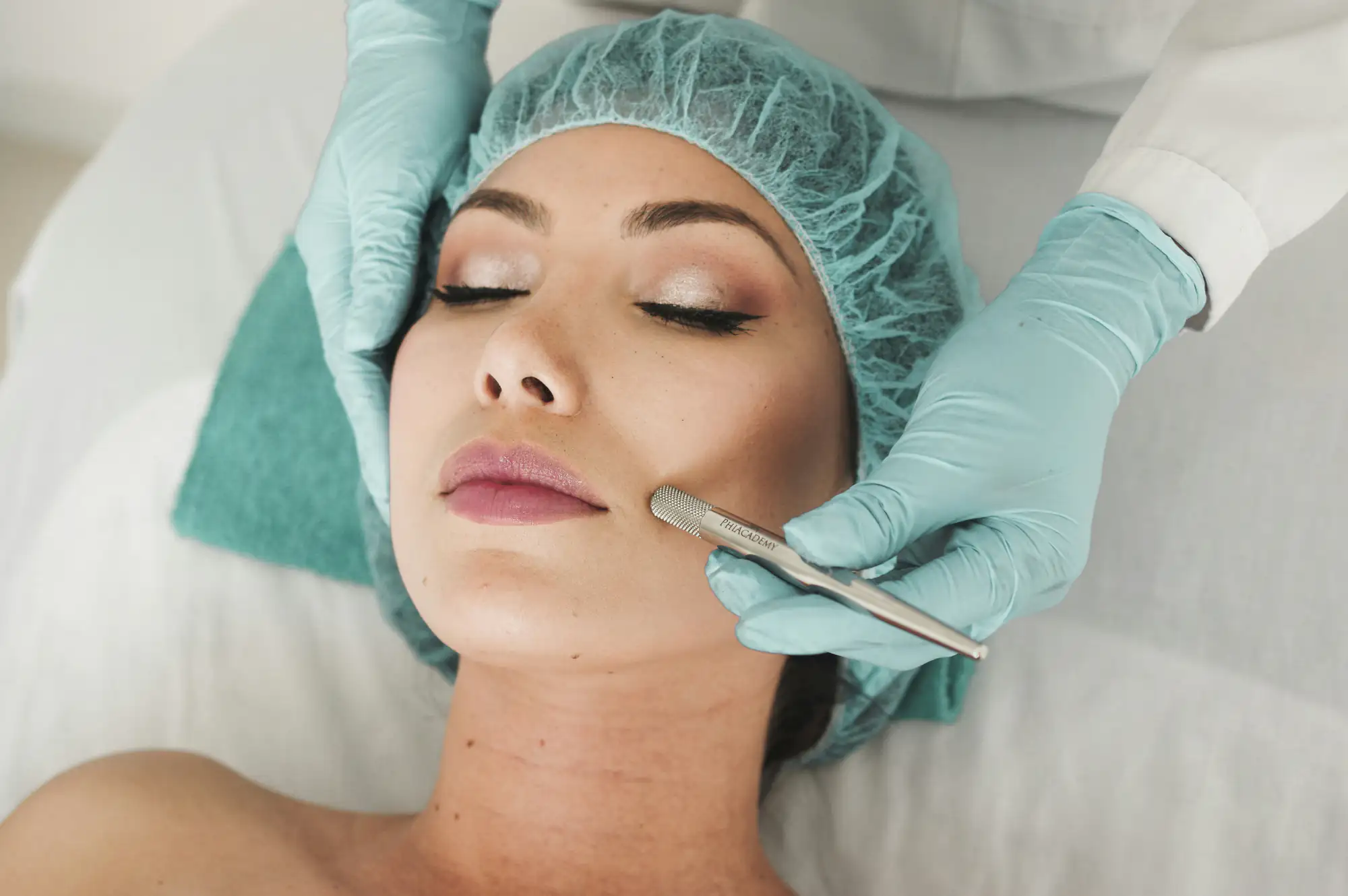
Your skin feels different the second you stand up from the treatment table. Smoother. Softer. Like you just erased a layer of dullness that’s been sitting there for weeks.
Makeup doesn’t cake or settle into fine lines anymore. It glides on and stays put. Your serums and moisturizers actually sink in instead of sitting on top of dead skin cells that should’ve been gone a month ago.
You’re not dealing with redness, peeling, or a recovery period. You can get dermaplaning done on a lunch break and go straight back to work. Or book it two days before a wedding and show up looking like you’ve been prepping for months. That’s the difference between a treatment that works with your schedule and one that runs it.
We’re based in Wake Forest and serve clients throughout Wake County and Johnston County, including Smithfield, NC. Our founder and lead esthetician, Jacqueline Grace, has been named Best Esthetician in Wake County three years running and holds HydraFacial Master Certification—a distinction earned by fewer than 100 practitioners worldwide.
She’s also a first-place winner in the Pigmentation Artist of the Year category at The Skin Games, an international aesthetics competition. That’s not marketing language. Those are verified credentials you can look up.
Every dermaplaning treatment starts with a free consultation. You’re not walking into a one-size-fits-all facial. You’re getting a customized plan based on your skin type, your concerns, and what you’re trying to accomplish before your next event or just in general.

Dermaplaning uses a sterile surgical scalpel held at a precise 45-degree angle to gently scrape away dead skin cells and vellus hair—the peach fuzz that traps oil and makes your complexion look dull. It’s not shaving. The hair doesn’t grow back thicker or darker, because you’re not cutting it at the root or affecting the follicle.
The treatment itself takes about 30 to 45 minutes. We cleanse your skin first, then work in small sections across your face using light, feathering strokes. Most people say it feels like a gentle brushing or scratching sensation—not painful, and for a lot of clients, surprisingly relaxing.
Right after, a hydrating mask or serum goes on to calm and nourish your newly exposed skin. There’s no downtime. You might see a little pinkness for an hour or two, but that’s it. You can put on makeup the same day if you want, though most people like to let their skin breathe and just enjoy how smooth everything feels.
Results last about three to four weeks. That’s when your skin has completed its natural turnover cycle and you’re ready for another session. Some people book dermaplaning monthly as part of their regular routine. Others come in before big events—weddings, photoshoots, work conferences, vacations.

Ready to get started?
If you’ve been dealing with rough texture, clogged pores, or makeup that won’t sit right no matter what primer you use, dermaplaning addresses all of that in one session. It’s especially helpful for people with dry or dull skin, minor acne scarring, fine lines, or sun damage.
Our Smithfield clients often book dermaplaning before weddings, family photos, or milestone events where they know they’ll be in front of a camera. The treatment creates a flawless base for makeup and gives you that lit-from-within glow that’s hard to fake. It’s also one of the few exfoliating treatments safe for pregnant women, since it’s completely chemical-free and non-invasive.
You don’t need to worry about your skin type. Dermaplaning works for most people, including those with sensitive skin who can’t tolerate chemical peels or harsh exfoliants. The only exceptions are active acne breakouts or certain skin conditions—we’ll walk through that during your consultation.
One thing to know: your skincare products will work better after dermaplaning. Serums, retinols, and moisturizers penetrate deeper when they’re not blocked by a layer of dead cells. That means you’re getting more out of what you’re already using at home. For a lot of people, that alone makes the treatment worth it.
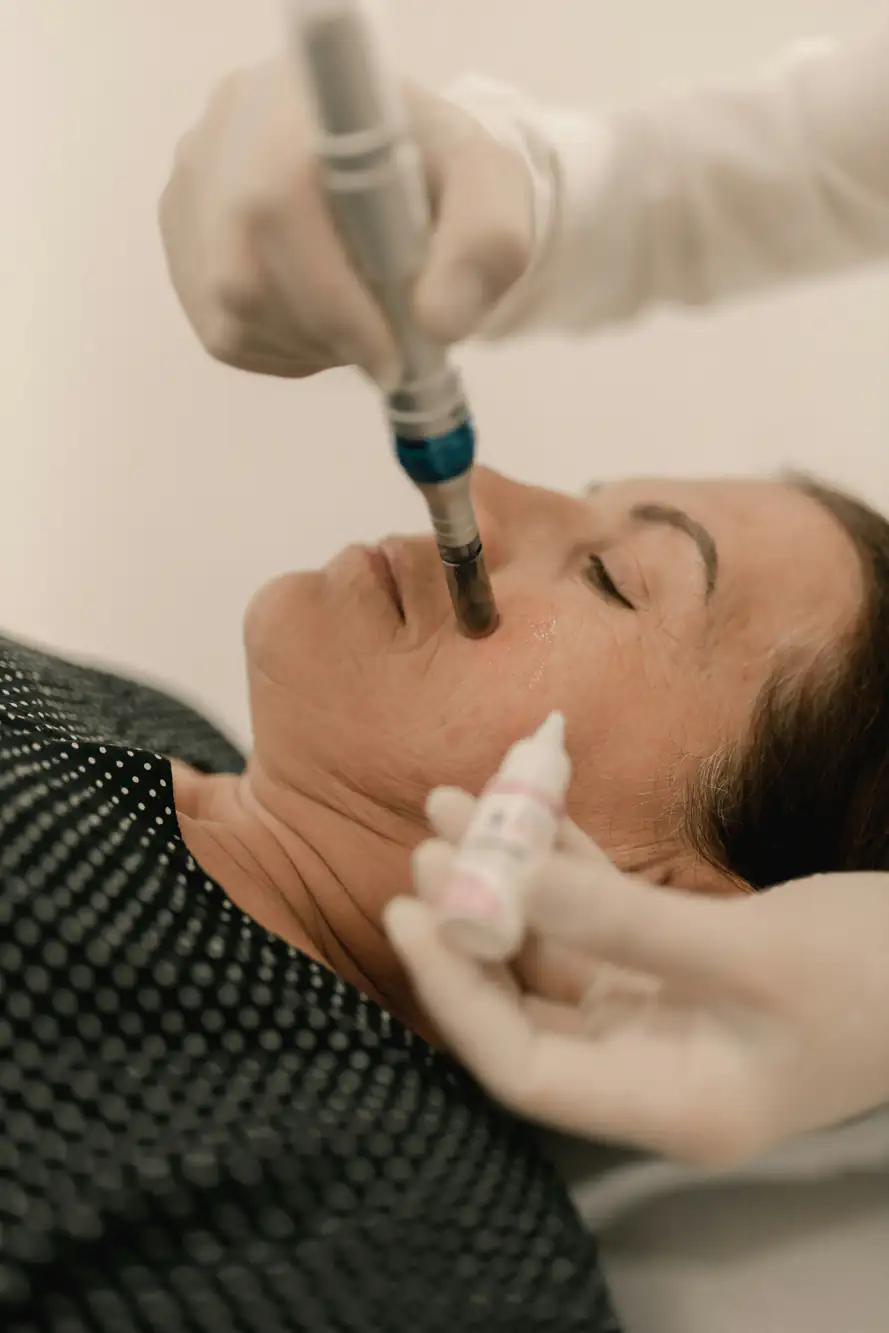
No. This is one of the most common concerns people have, and it’s based on a misunderstanding of how hair growth works.
Dermaplaning removes vellus hair—the soft, fine peach fuzz on your face. It’s not the same as terminal hair, which is thicker and darker. Vellus hair doesn’t have the same structure, and removing it with a blade doesn’t change the follicle or stimulate growth. You’re not shaving in the traditional sense. You’re using a precise surgical tool at a specific angle to remove hair at the surface level.
When the hair grows back, it comes in with the same texture and color it had before. It might feel slightly blunt at first because the tip was cut rather than naturally tapered, but that’s temporary. Within a few days, it softens and looks exactly like it did before treatment. There’s no scientific basis for the idea that dermaplaning causes hair to grow back darker, thicker, or faster.
Dermaplaning is a medical-grade exfoliation treatment performed by a licensed esthetician using a sterile surgical scalpel. Shaving at home uses a different type of blade, a different angle, and doesn’t remove the layer of dead skin cells that dermaplaning targets.
The scalpel used in professional dermaplaning is held at a 45-degree angle and moved in controlled, feathering strokes. This technique removes not just hair, but also the outermost layer of dead skin, which is what gives you that immediate glow and smooth texture. A regular razor doesn’t do that. It’s designed to cut hair, not exfoliate.
There’s also a safety and precision factor. We’re trained to work around the contours of your face and avoid areas where dermaplaning isn’t appropriate, like active breakouts or irritated skin. At-home attempts can lead to nicks, irritation, or uneven results. The environment matters too—professional dermaplaning is done in a clean, controlled setting with proper sanitation protocols. That’s not something you can replicate in your bathroom.
No. There’s no downtime with dermaplaning, which is one of the main reasons people choose it over more aggressive treatments like chemical peels or laser resurfacing.
You might see some mild pinkness right after the treatment, similar to what your skin looks like after a workout. That usually fades within an hour or two. Some people have zero redness at all. You can go back to work, run errands, or attend an event the same day without anyone knowing you just had a facial.
You can also apply makeup immediately after if needed, though many people prefer to let their skin breathe for the rest of the day. There’s no peeling, flaking, or sensitivity to sunlight the way there is with chemical exfoliation. Just use a good sunscreen like you normally would—dermaplaning doesn’t make your skin more vulnerable to sun damage, but freshly exfoliated skin should always be protected. Most clients schedule dermaplaning during their lunch break or on their way home from work. It fits into your life instead of requiring you to plan around it.
Most people come in every three to four weeks. That timing aligns with your skin’s natural cell turnover cycle, which is about 28 days for most adults.
If you’re getting dermaplaning as part of a regular skincare routine, monthly treatments keep your skin smooth and help your products absorb better. If you’re booking it for a specific event—like a wedding, photoshoot, or vacation—plan to come in about two to three days before. That gives any minor pinkness time to fade and lets your skin settle into that fresh, glowing phase.
Some people with slower cell turnover or less noticeable peach fuzz can stretch it to every five or six weeks. Others with faster skin cycles or specific texture concerns prefer to stay on a strict four-week schedule. We’ll give you a recommendation based on how your skin responds after the first session. There’s no one-size-fits-all answer, but three to four weeks is the sweet spot for most clients in Smithfield and the surrounding area.
Yes, if your skin is sensitive but not actively irritated or broken out. Dermaplaning is one of the gentler exfoliation methods because it’s mechanical, not chemical. There are no acids, no heat, and no ingredients that might trigger a reaction.
That said, if you have active acne—especially cystic acne or inflamed breakouts—dermaplaning isn’t the right move. The blade can spread bacteria and make things worse. Same goes for active cold sores, eczema flare-ups, or any open wounds on your face. You’ll need to wait until your skin calms down.
If you have acne scarring or post-inflammatory hyperpigmentation, dermaplaning can actually help. It removes the top layer of dead, discolored skin and allows your treatment products to penetrate better. A lot of people with acne-prone skin use dermaplaning as part of a larger treatment plan that includes chemical peels, microneedling, or medical-grade skincare. During your free consultation, we’ll assess your skin and let you know if dermaplaning is a good fit or if there’s a better option for where your skin is right now.
Not much. Dermaplaning doesn’t require the same level of prep as something like a chemical peel or microneedling session.
Come in with a clean face—no makeup, no heavy creams, no sunscreen. If you’re booking an appointment after work or in the middle of the day, don’t worry. We’ll cleanse your skin before starting the treatment. Just avoid using any harsh exfoliants, retinols, or active ingredients for about two to three days before your appointment. You don’t want your skin to be irritated or overly sensitive going into the session.
If you’ve had any recent cosmetic treatments—Botox, fillers, laser work, or chemical peels—let us know during your consultation. There are timing guidelines to follow so treatments don’t interfere with each other. After dermaplaning, your main job is to keep your skin hydrated and protected. Use a gentle cleanser, a good moisturizer, and sunscreen daily. Avoid heavy exfoliation, retinols, or active acids for about three days post-treatment. Your skin will be more receptive to products during that window, so it’s a great time to use hydrating serums or masks—but skip anything that might irritate or over-stimulate your newly refreshed skin.