Hear from Our Customers
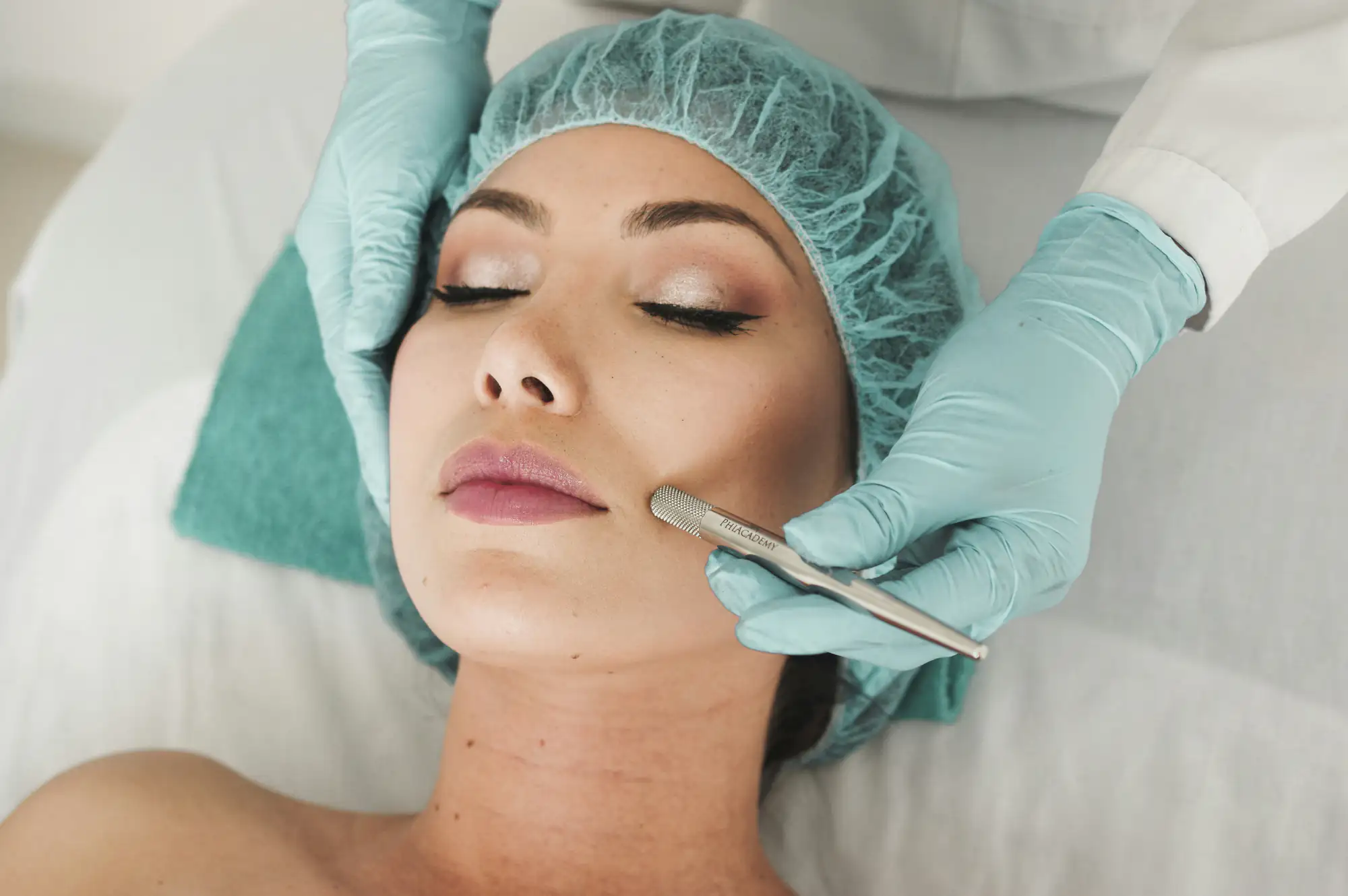
Your skincare products stop sitting on the surface. When we remove the layer of dead cells and fine hair, serums and moisturizers actually penetrate instead of getting blocked by buildup.
Makeup application becomes easier. Foundation glides on without catching on texture or clinging to peach fuzz. The finish looks smoother because the canvas underneath is smooth.
Fine lines look softer, not because dermaplaning erases them, but because it removes the dull surface layer that makes texture more visible. Your skin reflects light differently when it’s not covered in dead cells. That’s what people mean when they say their skin looks brighter after treatment.
Acne scars and uneven tone become less noticeable for the same reason. The treatment doesn’t remove scarring, but it does remove the buildup that emphasizes texture differences. Results show up immediately, and there’s no downtime keeping you from your normal routine.
We operate under the oversight of Dr. Joseph Hummel, with treatments performed by Jacqueline Grace, a licensed esthetician who’s won Best Esthetician in Wake County three years running. She’s also earned first place in the Pigmentation Artist of the Year category at The Skin Games, an international aesthetics competition.
Our clinic holds HydraFacial Master Certification, which places us among top practitioners worldwide. That certification matters because it reflects consistent training, technique standards, and results.
Wilson’s Mills clients drive to Wake Forest because the area has limited options for medical-grade skincare treatments. Most local options focus on basic facials or product sales. We specialize in clinical treatments that require precision, medical oversight, and advanced training.

Every appointment starts with a consultation. You’ll discuss your skin concerns, current products, and what you’re hoping to address. This isn’t a sales conversation—it’s about determining whether dermaplaning fits your skin type and goals.
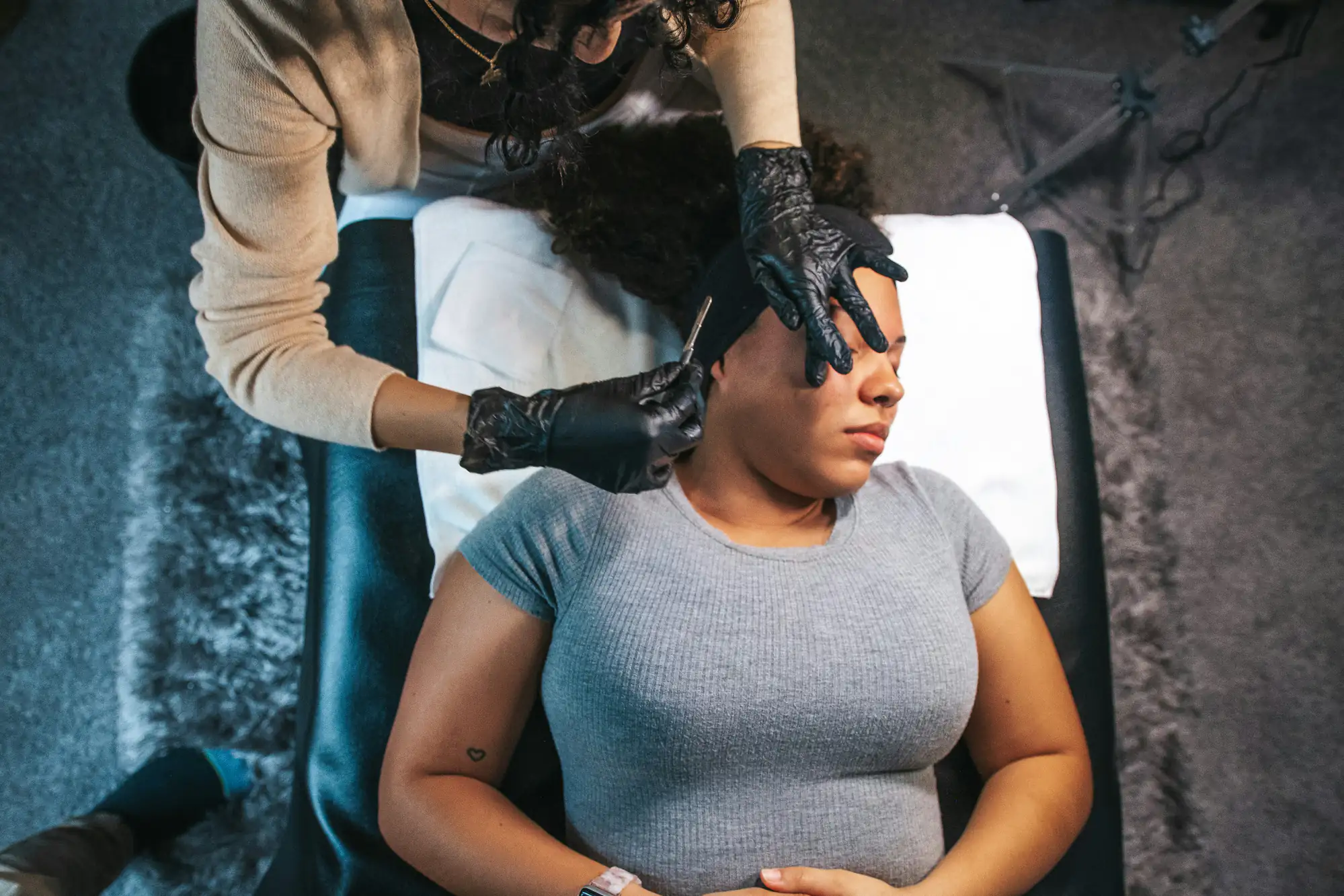
Your esthetician cleanses your skin completely before starting. The treatment uses a surgical-grade scalpel held at a precise angle to gently scrape away dead skin cells and vellus hair (peach fuzz) from the surface. The blade never cuts or nicks when held correctly, which is why this should only be done by a trained professional.
The process takes about 30 minutes. Most people describe it as a light scraping sensation, not painful. Some hear a slight scratching sound as the blade moves across the skin—that’s normal.
After dermaplaning, your esthetician applies serums or treatments that your skin can now fully absorb. Many clients add a HydraFacial or chemical peel to maximize results since your skin is prepped to receive active ingredients. You’ll leave with specific aftercare instructions, mainly around sun protection since you’ve just removed your top layer of skin.

Ready to get started?
Your dermaplaning session includes a thorough skin consultation, full facial cleansing, the dermaplaning treatment itself, and post-treatment serums selected for your skin type. You’re not paying for just the blade work—you’re getting a complete approach to exfoliation and skin prep.
We serve Wilson’s Mills and surrounding areas including Clayton, Smithfield, Selma, and Four Oaks. Many clients from Johnston County make the drive because there aren’t many medical-grade skincare clinics offering advanced treatments in smaller towns. The 20-minute drive to Wake Forest gets you access to physician-supervised care and award-winning expertise.
We also offer dermaplaning as an add-on to other treatments. Pairing it with a HydraFacial or VI Peel creates a more comprehensive result since your skin can absorb those treatments more effectively after exfoliation. Some clients come monthly for maintenance, others book before events when they need their skin to look its best.
Wilson’s Mills has a growing population of young families and professionals who care about skincare but don’t have time for complicated routines. Dermaplaning fits that lifestyle—it’s quick, requires no downtime, and delivers visible results without a multi-step recovery process.
No. This is the most common myth about dermaplaning, and it’s not true.
Vellus hair (peach fuzz) is structurally different from terminal hair (like what grows on your scalp or legs). Vellus hair is fine, soft, and light-colored. Shaving or removing it doesn’t change the follicle structure or stimulate thicker growth. When it grows back, it comes back exactly the same texture and color.
The myth probably exists because people confuse the blunt edge of freshly cut hair with actual thickness. When you shave any hair, the tip is blunt instead of tapered, which can make it feel slightly coarser as it grows in. But within a few days, it’s back to normal. Dermaplaning doesn’t affect your hormones, follicle size, or hair color—it just removes what’s already there.
Most people benefit from dermaplaning every three to four weeks. That timing aligns with your skin’s natural cell turnover cycle, which is about 28 days for most adults.
If you’re dealing with significant texture issues, acne scarring, or dullness, monthly treatments help maintain smoother skin and better product absorption. If you’re using dermaplaning mainly for event prep or occasional maintenance, you can space it out more.
Your esthetician will recommend a schedule based on your skin’s condition and goals. Some clients come every four weeks religiously. Others book a few times a year before weddings, photos, or vacations. There’s no one-size-fits-all answer, but consistency does produce better long-term results than sporadic treatments.
You can, but you shouldn’t. At-home dermaplaning tools aren’t the same as the surgical-grade scalpels we use in professional treatments.
Professional dermaplaning requires a specific blade angle, pressure, and technique to safely remove dead skin without causing irritation, cuts, or uneven exfoliation. Estheticians train extensively on proper blade handling and skin anatomy. At-home razors are designed to be safer (and less effective) because they can’t replicate the precision of a professional treatment.
Using at-home tools also increases your risk of breakouts, irritation, and micro-cuts that you might not see but that compromise your skin barrier. If your technique is off or the blade isn’t sterile, you’re introducing bacteria to your skin. Professional treatments happen in a controlled environment with proper sanitation, correct tools, and trained hands. The difference in results and safety is significant.
Dermaplaning is safe for most skin types, including sensitive skin, when performed correctly. It’s actually gentler than many chemical exfoliants because there’s no risk of irritation from acids or active ingredients.
For acne-prone skin, the answer depends on what type of acne you’re dealing with. If you have active cystic acne or inflamed breakouts, dermaplaning isn’t recommended because the blade can spread bacteria and worsen inflammation. But if you have post-acne scarring, texture, or occasional breakouts, dermaplaning can help by removing dead skin buildup that clogs pores.
During your consultation, your esthetician will assess your skin and determine whether dermaplaning is appropriate. If you have active breakouts, they’ll likely recommend waiting until your skin calms down or suggest an alternative treatment like a chemical peel or HydraFacial that addresses acne without the risk of spreading bacteria.
Skip direct sun exposure for at least 48 hours after treatment. You’ve just removed your top layer of skin, which means you’re more vulnerable to UV damage. Wear a broad-spectrum SPF 30 or higher every day, but especially in the first week after dermaplaning.
Avoid harsh exfoliants, retinoids, and active ingredients like glycolic acid or vitamin C for three to five days. Your skin needs time to recover, and layering strong actives on freshly exfoliated skin can cause irritation or redness. Stick to gentle cleansers, hydrating serums, and moisturizer during the first few days.
Don’t use at-home scrubs, brushes, or any mechanical exfoliation for at least a week. You’ve already exfoliated—adding more will irritate your skin. Also avoid saunas, steam rooms, and intense workouts that cause heavy sweating for 24 hours. Sweat and heat can lead to irritation or breakouts on freshly treated skin.
Dermaplaning pricing varies depending on whether you’re booking it as a standalone treatment or adding it to another service like a HydraFacial or chemical peel. Standalone dermaplaning typically ranges from $40 to $100 depending on the clinic and what’s included.
At Wake Skincare, dermaplaning is available both as a standalone treatment and as an add-on. Our pricing reflects the medical-grade environment, physician oversight, and the expertise of a licensed esthetician with national competition wins and certifications. You’re not paying for a quick scrape with a blade—you’re paying for proper technique, sanitation standards, and a consultation that ensures the treatment is right for your skin.
Most clients from Wilson’s Mills find the drive to Wake Forest worth it because the area doesn’t have many options for medical-grade skincare. You can book a free consultation to discuss pricing, treatment options, and whether dermaplaning fits your goals and budget.