Hear from Our Customers

You stop avoiding mirrors. You wear less makeup because you don’t feel like you need to hide anything. Your skin feels smooth when you touch it, not rough or congested.
That’s what happens when you get a facial treatment that’s built around your skin’s actual needs—not a one-size-fits-all menu option. Whether you’re dealing with stubborn acne, sun damage that won’t fade, fine lines that showed up too early, or just dull, tired-looking skin, the right treatment makes a difference you can see the same day.
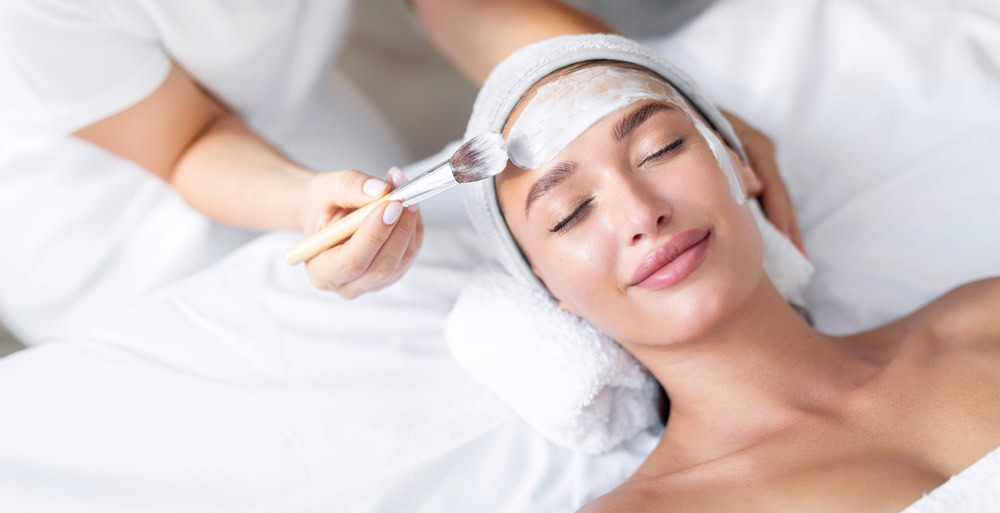
HydraFacial treatments combine cleansing, exfoliation, extraction, and hydration in one session. Chemical peels target deeper layers to resurface and renew. Microneedling stimulates collagen for long-term improvement. Each option addresses specific problems, and each one is customized based on what your skin needs right now.
You’re not guessing. You’re getting a professional evaluation, a clear plan, and treatments that actually work.
Wake Skincare is led by Jacqueline Grace, a licensed esthetician who’s been named Best Esthetician in Wake County three years running. She’s also HydraFacial Master Certified and placed first internationally in the Pigmentation Artist of the Year category at The Skin Games.
That’s not bragging—it’s proof that the treatments you’re getting are performed by someone who knows what they’re doing. Kenly residents drive to Wake Forest because the results are worth it, and because every consultation is personalized, not scripted.
You’re not walking into a high-pressure sales pitch. You’re sitting down with someone who evaluates your skin, listens to what’s bothering you, and builds a treatment plan that makes sense for your goals and your budget.
First, you book a free consultation. That’s where your skin gets evaluated—not judged, just assessed. You talk about what’s bothering you, what you’ve tried before, and what you’re hoping to improve.
From there, we build a treatment plan. If you’re prepping for an event, the focus is on immediate glow and smoothness. If you’re dealing with acne scars or hyperpigmentation, the approach is more targeted and may involve a series of treatments over time.
During the actual facial, we explain every step. You’ll know what’s happening and why. HydraFacial treatments feel like a deep clean and a hydration boost at the same time. Chemical peels might tingle, but they’re not painful. Microneedling uses numbing cream, so discomfort is minimal.
After your appointment, you’ll see a difference right away—smoother texture, brighter tone, less congestion. You’ll also get guidance on how to maintain results at home with professional-grade products if you want them.
Ready to get started?
Every facial spa appointment starts with a skin evaluation and consultation at no charge. You’re not paying to be sold something—you’re getting an honest assessment of what will actually help.
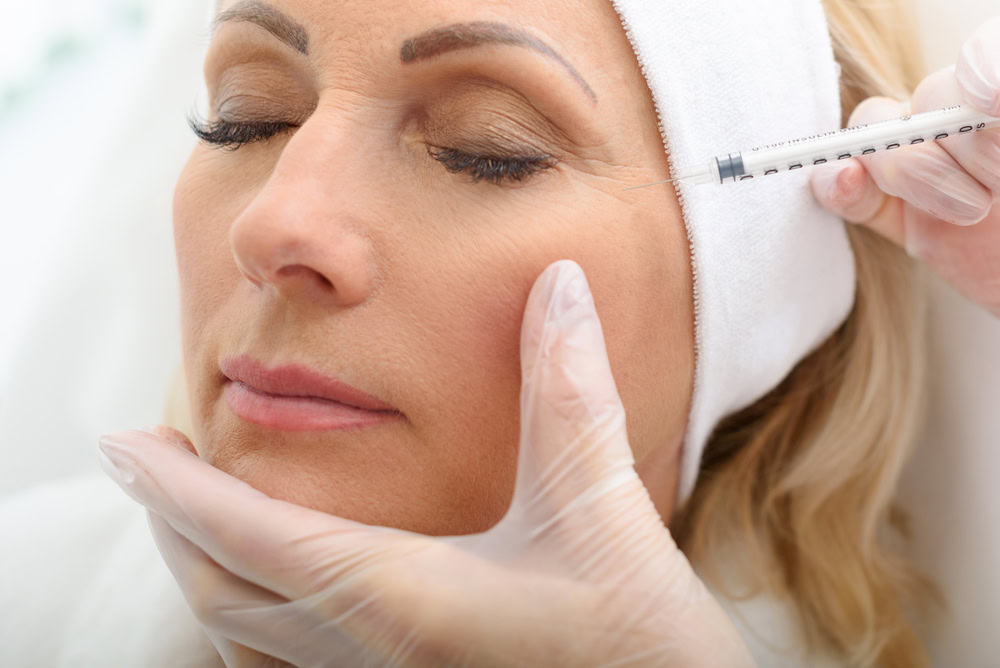
Treatments include HydraFacial (the most popular option for instant results), SkinPen microneedling (for scarring and texture), chemical peels (for resurfacing and tone correction), dermaplaning (for smoothness and product absorption), and Botox (for fine lines and wrinkles). Each service can be customized or combined depending on what your skin needs.
Kenly may be a smaller town, but residents here have access to the same medical-grade treatments available in Raleigh or Durham—without the drive or the markup. We serve 22 cities across Wake County, and clients from Kenly come back because the results are consistent and the approach is honest.
You’re also getting access to professional skincare products that aren’t available at a drugstore or department store. These are cosmeceuticals—products with active ingredients that actually change your skin, not just sit on top of it.
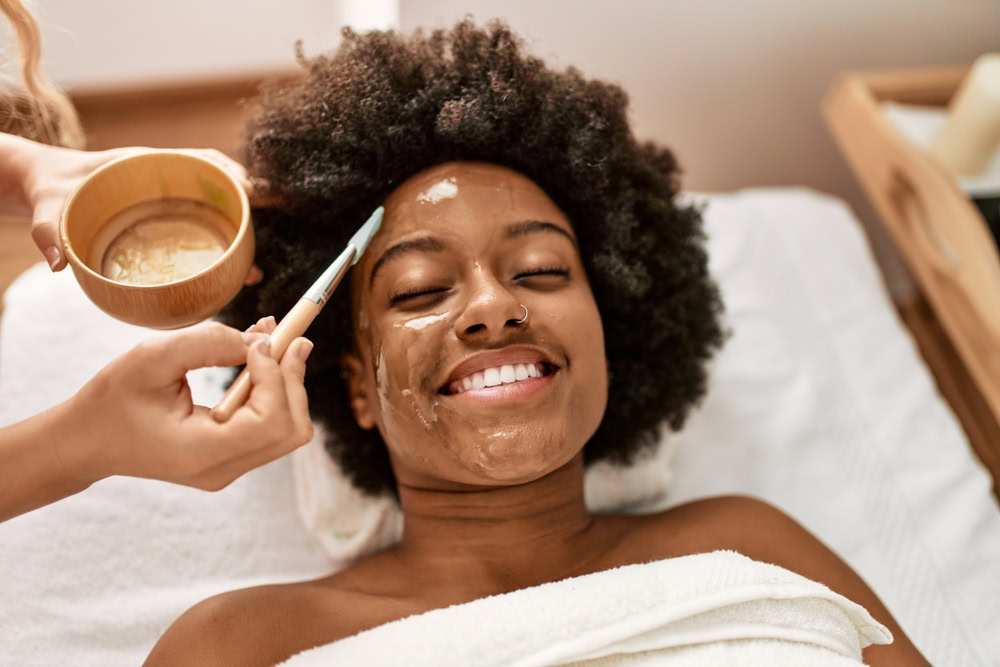
A regular facial usually focuses on relaxation—steaming, massage, a mask, maybe some light extractions. It feels nice, but it’s not designed to create lasting change in your skin.
A medical-grade facial uses clinical-strength products and advanced techniques like chemical peels, microneedling, or HydraFacial technology. These treatments penetrate deeper, target specific concerns like acne or hyperpigmentation, and deliver results you can see immediately and over time.
You’re not just getting pampered. You’re getting a treatment that’s backed by science and performed by a licensed professional who understands skin physiology. That’s the difference between feeling good for a day and actually improving your skin’s health and appearance.
For active acne, most people benefit from a facial every 3-4 weeks. That matches your skin’s natural turnover cycle and helps keep pores clear, inflammation down, and breakouts under control.
If you’re treating acne scars or hyperpigmentation, the timeline depends on the treatment. Microneedling typically requires 3-6 sessions spaced 4-6 weeks apart. Chemical peels might be done monthly or seasonally depending on strength. HydraFacial can be done more frequently because it’s gentler.
During your consultation, you’ll get a realistic timeline based on your skin’s condition and your goals. Some people see major improvement in a few months. Others need ongoing maintenance. Either way, you’ll know what to expect before you commit to anything.
It depends on the treatment. HydraFacial won’t cause any downtime—you’ll leave glowing and can go straight back to your day. Dermaplaning is the same. No redness, no peeling, just smoother skin.
Chemical peels and microneedling are different. With a peel, you might experience light flaking or peeling for a few days as dead skin sheds. With microneedling, your skin may be red for 24-48 hours, similar to a mild sunburn.
But “worse” isn’t the right word. Your skin is healing and renewing itself, and that process is visible. You’ll get aftercare instructions to manage it, and the results on the other side—clearer tone, smoother texture, reduced scarring—are worth a few days of downtime.
Yes, but the treatment has to be customized. Sensitive skin and rosacea require a gentler approach—no harsh acids, no aggressive exfoliation, and careful product selection to avoid triggering inflammation.
HydraFacial is often a great option for sensitive skin because it’s hydrating and soothing, not stripping. Certain chemical peels can also be modified to work with rosacea if they’re applied carefully and neutralized at the right time.
During your consultation, we’ll talk through your skin’s triggers and history. The goal isn’t to push your skin to its limit—it’s to strengthen and calm it over time. That means starting conservatively and adjusting based on how your skin responds.
Most facial treatments take between 45-90 minutes depending on what’s included. A HydraFacial typically runs about an hour. If you’re adding dermaplaning or a peel, it might be closer to 75-90 minutes.
Your first visit will take a little longer because it includes a consultation and skin evaluation. That’s where you talk through your concerns, your skin’s history, and what you’re hoping to achieve. It’s not rushed.
You’re not being shuffled in and out. You’re getting one-on-one attention from a licensed esthetician who’s focused on your skin the entire time. That’s part of what makes the results different—it’s not a conveyor belt, it’s a customized treatment.
Not much. Avoid any harsh exfoliants, retinoids, or active treatments for 3-5 days before your appointment—especially if you’re getting a chemical peel or microneedling. You want your skin calm, not irritated.
If you’re getting Botox, avoid alcohol and blood-thinning medications (like aspirin or ibuprofen) for 24 hours beforehand to reduce bruising risk. If you’re getting a HydraFacial or standard facial, just show up with a clean face. No makeup is fine, but it’s not required—it’ll be removed during the cleansing step anyway.
After your appointment, you’ll get specific aftercare instructions based on what treatment you received. Some treatments require sunscreen and gentle products for a few days. Others have no restrictions at all. You’ll know exactly what to do before you leave.