Hear from Our Customers

You stop avoiding mirrors. You wear less makeup because you don’t need to cover as much. Your skin feels smooth when you wash your face, not bumpy or congested.
That’s what happens when you get treatments designed around your specific concerns—not just a generic facial that feels nice for an hour. Whether you’re dealing with stubborn acne scars, dullness that won’t budge, dehydration that makes fine lines worse, or hyperpigmentation from sun damage, the right treatment makes a measurable difference.
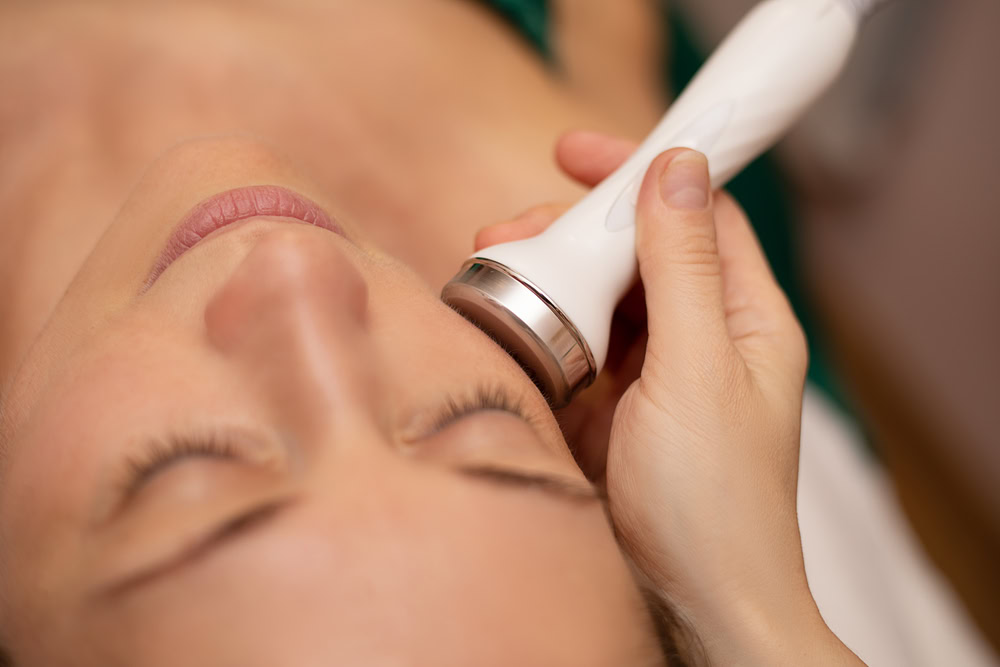
HydraFacial treatments pull out debris your at-home routine can’t touch. Microneedling stimulates collagen where your skin has lost firmness. Chemical peels resurface damaged layers so healthy skin can come through. These aren’t luxury add-ons—they’re clinical-grade solutions that work because they’re matched to what your skin actually needs.
You’ll see improvement after one session. But real transformation comes from a plan that builds on itself over time, not random appointments whenever you remember to book one.
We’re led by Jacqueline Grace, a licensed esthetician who’s been named Best Esthetician in Wake County three years in a row. She’s also HydraFacial Master Certified—a designation held by less than 1% of providers worldwide—and took first place in Pigmentation Artist of the Year at The Skin Games, an international aesthetics competition.
That’s not marketing language. Those are credentials you can look up.
Jacqueline founded Wake Skincare in Wake Forest to serve clients across Middlesex, Raleigh, Youngsville, Rolesville, and the surrounding Wake County area. Every consultation is one-on-one. Every treatment is customized. You’re not getting a menu facial—you’re getting a plan built around your skin type, your concerns, and your goals.
We offer free consultations because the first step is understanding what’s actually going on with your skin. From there, you’ll know exactly what treatment makes sense, how long results take, and what to expect at each stage.
You start with a free skin evaluation. Jacqueline examines your skin, asks about your routine, and identifies the underlying issues—not just what you see on the surface. This isn’t a sales pitch. It’s a diagnostic conversation.
From there, she’ll recommend a treatment or combination of treatments. If you’re preparing for an event and need fast results, that’s one approach. If you’re dealing with long-term concerns like acne scarring or sun damage, that’s a different plan. Either way, you’ll know what to expect before anything starts.
During the treatment, everything is explained as it happens. HydraFacial uses a multi-step process to cleanse, extract, and hydrate. Microneedling creates controlled micro-injuries that trigger collagen production. Chemical peels remove damaged layers so new skin can surface. Dermaplaning removes dead skin and vellus hair for immediate smoothness.
Most treatments take 30 to 60 minutes. You’ll see some improvement right away—smoother texture, better hydration, more even tone. Deeper concerns like scarring or pigmentation improve over a series of sessions, usually spaced two to four weeks apart depending on the treatment.
You’ll also get aftercare instructions. What to avoid, what to use, when to come back. No confusion, no trial and error.
Ready to get started?
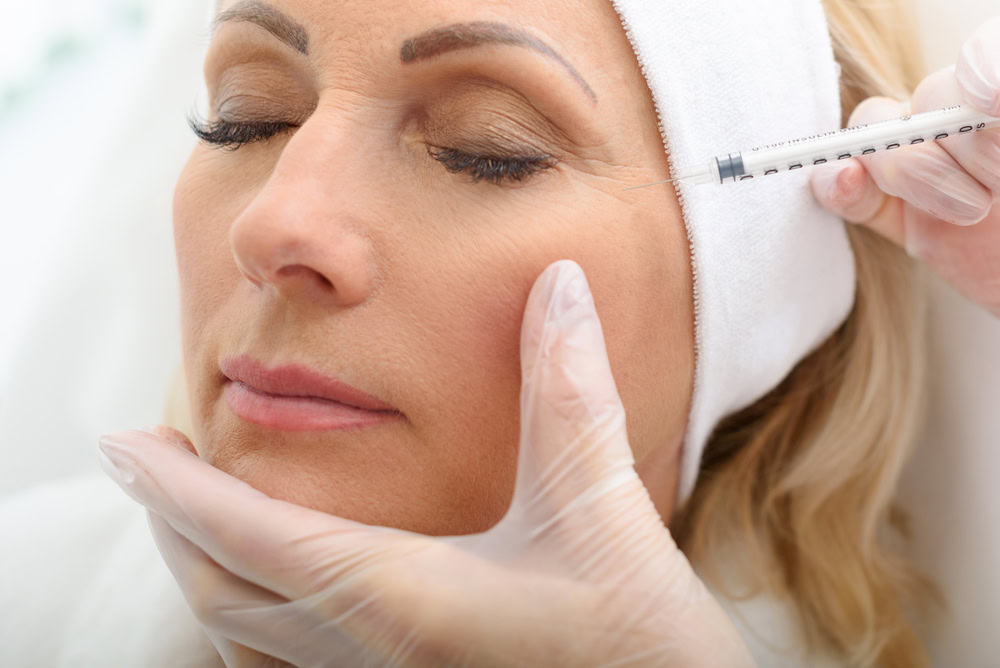
We offer HydraFacial, SkinPen microneedling, chemical peels, dermaplaning, Botox, brow lamination, lash lifts, and threading. Each service addresses specific skin concerns, and many clients combine treatments for better results.
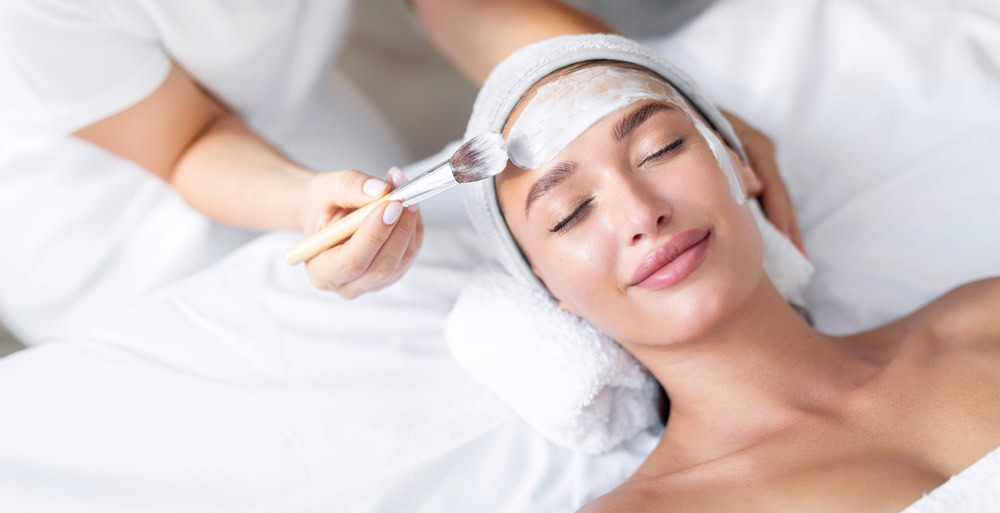
HydraFacial is the most popular option for immediate results with zero downtime. It’s ideal if you have an event coming up or just want your skin to look better fast. The treatment includes cleansing, exfoliation, extraction, and hydration with medical-grade serums. You can add boosters for acne, pigmentation, or anti-aging depending on what your skin needs.
Microneedling works for acne scars, large pores, fine lines, and texture issues. It takes longer to see full results—usually three to six sessions—but the improvement is significant. Chemical peels range from light to deep depending on your skin type and goals. They’re effective for sun damage, hyperpigmentation, and dullness.
For clients in Middlesex and the surrounding Wake County area, threading is also available for brows and facial hair. It’s more precise than waxing and doesn’t irritate sensitive skin. Many clients book threading and a HydraFacial together, especially before weddings or photos.
All treatments use medical-grade products. You’re not getting drugstore ingredients or watered-down formulas. We also offer consultations to build a home skincare routine that supports your in-office treatments, so you’re not undoing progress between visits.
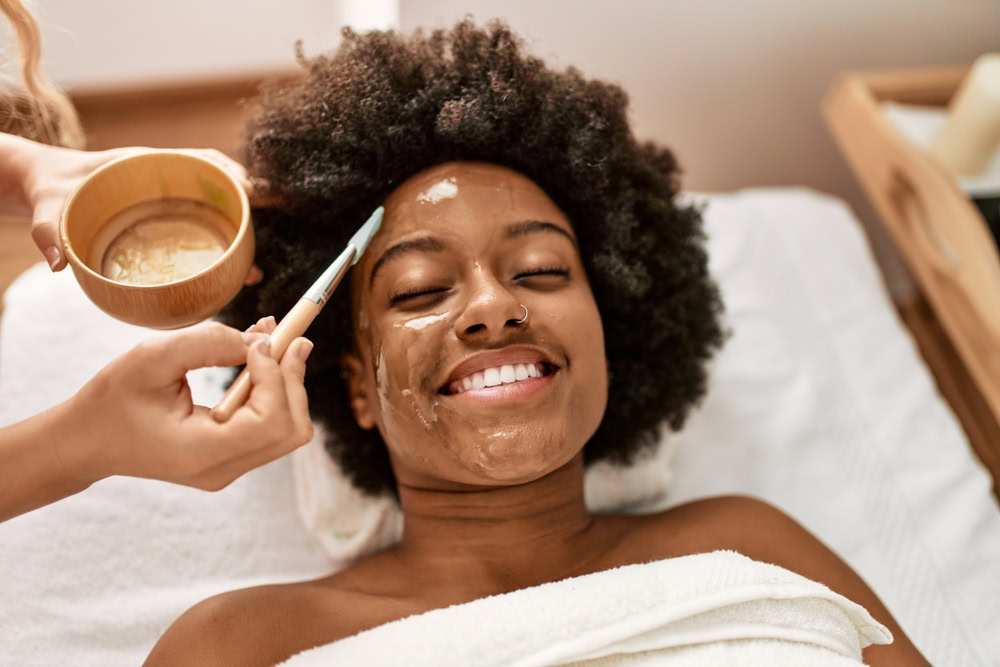
A regular facial typically involves manual extractions, massage, and a mask. It feels relaxing, but the results are surface-level and temporary.
HydraFacial uses a patented device that simultaneously cleanses, exfoliates, extracts, and hydrates using vortex suction and medical-grade serums. The extraction process is painless and far more thorough than manual methods. You’re not just removing surface oil—you’re clearing out congestion deep in the pores.
The serums are customized based on your skin concerns. If you’re dealing with acne, you’ll get salicylic acid and blue LED light. For aging or pigmentation, you’ll get peptides, antioxidants, and brightening agents. The treatment also includes lymphatic drainage to reduce puffiness and improve circulation.
Results are immediate. Your skin looks clearer, smoother, and more hydrated right after the session. There’s no redness, no downtime, and no peeling. That’s why it’s the go-to treatment before events, photoshoots, or any time you need to look your best quickly.
We treat acne, acne scarring, rosacea, hyperpigmentation, sun damage, fine lines, wrinkles, sagging skin, large pores, blackheads, congestion, dullness, dehydration, and uneven texture.
Each concern requires a different approach. Acne responds well to HydraFacial with salicylic acid, blue LED light, and extractions. Acne scars need microneedling or chemical peels to stimulate collagen and resurface damaged skin. Hyperpigmentation improves with brightening peels, vitamin C serums, and sun protection.
Fine lines and wrinkles are addressed with a combination of microneedling, Botox, and hydration treatments. Sagging skin benefits from collagen-stimulating treatments like microneedling or radiofrequency (if applicable). Dullness and dehydration respond immediately to HydraFacial because it removes dead skin and infuses moisture.
During your consultation, Jacqueline will identify what’s causing your specific concern—not just what it looks like. Sometimes dullness is from dehydration. Sometimes it’s from a buildup of dead skin. The treatment changes based on the root cause, which is why cookie-cutter facials don’t work for everyone.
It depends on what you’re treating and what your skin can handle. For maintenance and general skin health, most clients come in once a month. That matches your skin’s natural turnover cycle, which is about 28 days.
If you’re treating active acne, you might start with HydraFacial every two weeks until it’s under control, then switch to monthly maintenance. For acne scars or deep pigmentation, microneedling is usually done every four to six weeks to allow time for collagen production and healing.
Chemical peels vary. Light peels can be done monthly. Medium-depth peels need more recovery time, so they’re spaced six to eight weeks apart. Dermaplaning can be done every three to four weeks.
If you’re preparing for a specific event, book your HydraFacial one to three days before. That gives your skin time to fully absorb the serums and look its best without any risk of sensitivity. For treatments like microneedling or deeper peels, book at least two weeks out to allow for any redness or peeling to resolve.
Jacqueline will give you a recommended schedule based on your goals, your skin’s response, and your budget. You’re never locked into a plan—you adjust as your skin improves.
Threading is more precise, less irritating, and better for sensitive skin. It uses a twisted cotton thread to remove hair from the follicle, so there’s no heat, no chemicals, and no risk of burns or allergic reactions.
Waxing pulls on the skin, which can cause redness, breakouts, or even scarring if your skin is thin or sensitive. It also removes a layer of skin cells along with the hair, which isn’t ideal if you’re using retinoids or acids. Threading only removes the hair, so it’s safe even if you’re on active skincare treatments.
The results last just as long as waxing—usually three to four weeks—but the shape is cleaner. Threading allows for sharper lines and better control, especially around the brows. It’s also faster. A full brow threading takes about 10 minutes.
Many clients in Middlesex and Wake County book threading along with their HydraFacial because it’s a convenient way to address both skin and brows in one visit. There’s no downtime, and your skin won’t be irritated or inflamed afterward.
If you’ve been waxing and dealing with breakouts or redness, threading is worth trying. It’s gentler, more accurate, and works for all skin types.
You don’t need one, but it’s offered for free and highly recommended—especially if you’re new to professional treatments or dealing with a specific skin concern.
During the consultation, Jacqueline examines your skin, asks about your routine, and identifies what’s causing the issues you’re seeing. She’ll explain which treatments will work, which won’t, and why. You’ll also learn what results to expect, how many sessions it might take, and what you can do at home to support the process.
This isn’t a hard sell. It’s a conversation. If a treatment isn’t right for you, she’ll tell you. If your skin needs time to adjust before starting something stronger, you’ll know that upfront.
Consultations also help avoid bad reactions. If you’re using certain prescriptions, have active infections, or have skin conditions that require medical clearance, those things come up during the consultation—not during the treatment.
You can also book a treatment without a consultation if you already know what you want. Many returning clients do. But if you’re unsure or trying something new, the consultation removes the guesswork and makes sure you’re spending your time and money on something that will actually work for your skin.
Before your appointment, avoid retinoids, acids, and exfoliating treatments for at least three days. Don’t wax, thread, or use harsh scrubs right before a facial. Come in with clean skin—no makeup if possible—so the treatment can start immediately.
If you’re getting a chemical peel or microneedling, avoid sun exposure for at least a week beforehand. Sunburned or tanned skin can’t be treated safely. Let Jacqueline know if you’re on any prescriptions, especially Accutane, blood thinners, or antibiotics, as some treatments aren’t compatible.
After your treatment, skip the gym, hot showers, saunas, and swimming pools for 24 hours. Your pores are open and your skin is more vulnerable to bacteria and irritation. Don’t use active ingredients like retinol or glycolic acid for a few days unless you’re told otherwise.
Wear sunscreen every day, but especially after treatments that resurface the skin. Your skin is more sensitive to UV damage, and skipping sunscreen can cause pigmentation or reverse your results. Stick to gentle cleansers and moisturizers for the first few days.
You’ll get specific aftercare instructions based on the treatment you received. Follow them. They’re not suggestions—they’re part of the process. If you’re not sure about a product or step, ask before you leave or send a message. Your results depend on how you care for your skin between sessions, not just what happens during the appointment.