
Summary:
You’ve probably noticed that med spa pricing makes almost no sense at first glance. One place charges $175 for a HydraFacial. Another charges $380. Both call it the same thing. Nobody explains why.
That confusion is exactly what this page is for. Whether you’re in Wake Forest, Raleigh, or anywhere else across Wake County and you’re trying to figure out what you should actually be paying — and more importantly, what you should be getting — this breakdown will help you sort through it. By the end, you’ll know what drives treatment costs, what red flags look like, and what a genuinely transparent med spa experience should feel like.
What Does Medical Spa Cost Actually Depend On?
The short answer: a lot of things that most providers never bother to explain. Treatment pricing in a medical spa isn’t arbitrary, but it can feel that way when no one walks you through the factors behind it.
At the core, you’re paying for three things — the technology being used, the person using it, and the clinical environment around it. A med spa with a physician on staff, a master-certified practitioner, and medical-grade devices will cost more than a day spa offering the same treatment name with entry-level equipment and a newly licensed esthetician. That difference matters, especially when you’re dealing with something like hyperpigmentation, acne scarring, or sun damage that actually needs to be corrected, not just temporarily improved.
Why Two HydraFacials Can Have Completely Different Price Tags
HydraFacial is one of the most requested treatments in the country right now, and also one of the most misunderstood from a pricing standpoint. The device itself is standardized — but the practitioner using it is not.
HydraFacial has a professional certification structure with three tiers: Certified Professional, Certified Expert, and Certified Master. Most providers offering HydraFacial are at the entry level. A Master-certified practitioner represents a small fraction of providers globally, and the difference in what they can do with the same device — the protocol customization, the booster selection, the technique — is significant. When you’re paying more at a Master-certified clinic, you’re paying for depth of skill that took years to develop, not just a fancier room.
Beyond certification, pricing also reflects what’s included. A basic HydraFacial is a starting point. A Deluxe HydraFacial with targeted boosters like Britenol for brightening, or a lymphatic drainage add-on, addresses specific concerns in ways that a standard session simply doesn’t. The Keravive scalp treatment, for example, includes a 30-day take-home product as part of the protocol — meaning the treatment continues working after you leave. That’s a different value proposition than a single-session experience.
The other factor that rarely gets discussed is medical oversight. In North Carolina, a med spa offering injectables, laser treatments, or other medical-grade services is required to have a licensed physician as a supervising medical director. When that structure is in place, you’re in a clinically appropriate environment. When it isn’t, you may be in a grey area — regardless of what the marketing says. The presence of physician oversight is a real cost driver, and it’s one worth paying for.
So when you’re comparing prices across Wake County providers, the question isn’t just “how much does a HydraFacial cost?” It’s “what level of practitioner is performing it, what’s actually included, and is this happening in a medically supervised setting?”
Microneedling, IPL, and Chemical Peels: What's a Fair Price Range in the Raleigh Area?
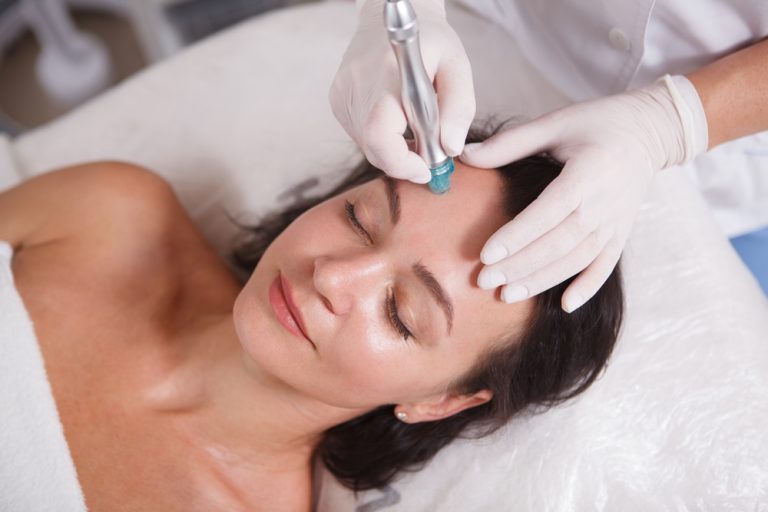
It helps to have real numbers as a reference point. In the Raleigh and Wake County market, SkinPen microneedling typically runs between $200 and $700 per session, with packages of three sessions generally landing between $900 and $1,500. IPL photofacial treatments for sun damage, hyperpigmentation, and rosacea usually fall in the $350 to $600 range per session. Chemical peels vary the most — a light corrective peel might start around $200, while a deeper medical-grade peel can run considerably higher depending on the formulation and depth.
Those ranges exist for a reason. A provider with a board-certified physician on staff, advanced device technology, and a practitioner with documented clinical outcomes will price closer to the top of those ranges. A provider with lower overhead, less experienced staff, or entry-level equipment will price lower — but that tradeoff has real implications for your results.
What matters most is understanding that these treatments are usually not a one-and-done situation. Microneedling typically requires three to six sessions for optimal collagen remodeling. IPL often needs multiple treatments to fully address sun damage. When you’re evaluating cost, the per-session price is only part of the picture. The total investment across a complete treatment plan is the more honest number to ask about.
This is also where package pricing becomes genuinely useful rather than just a sales tactic. A series of three microneedling sessions purchased upfront at a 15 to 20 percent discount is a real saving if those three sessions are what your skin actually needs. The problem comes when you’re pressured into buying a package before anyone has assessed your skin — which brings us to the next section.
How to Evaluate Med Spa Pricing Without Getting Burned
The med spa industry has a well-documented upselling problem. Walk in for a consultation, leave with a $3,000 package you didn’t plan on buying. It happens often enough that it’s become a genuine barrier — people delay booking treatments they actually need because they’re dreading the sales experience.
The good news is that the red flags are pretty consistent, and once you know what to look for, they’re easy to spot. The even better news is that providers who don’t operate that way tend to be very clear about it from the start.
Med Spa Holiday Specials: Genuine Value or Pressure Tactic?
Seasonal promotions are everywhere in this industry — Black Friday packages, holiday gift card deals, New Year skin reset specials. Some of them are genuinely worth it. Others are designed to create urgency and move large prepaid packages before clients have had a chance to think clearly.
Here’s how to tell the difference. A legitimate med spa holiday special offers a real discount on a specific treatment or series that a client would reasonably need — say, 15 percent off a package of three microneedling sessions, or a complimentary dermaplaning add-on with a HydraFacial booking. The offer is transparent about what’s included, what the normal price is, and what the terms are. There’s no pressure to decide on the spot, and there’s no membership or auto-renewal buried in the fine print.
A manipulative one does the opposite. The “discount” is applied to an inflated baseline price. The package is large and prepaid, with restrictive expiration dates and limited refund options. The consultation — if there is one — is structured around closing the sale rather than evaluating your skin. You leave having spent significantly more than you planned, on treatments that may or may not be appropriate for your concerns.
Fall and winter are genuinely the best time of year for certain treatments in North Carolina. Reduced UV exposure makes chemical peels, IPL, and more aggressive corrective treatments easier on the skin and safer to perform. So seasonal promotions during this window can reflect real clinical logic, not just a marketing calendar. The question is whether the provider is offering you a deal on something you actually need, or just using the season as leverage.
One practical filter: if a provider is pushing you toward a large package purchase before completing a thorough skin evaluation, that’s a signal worth paying attention to. A provider who genuinely cares about your results will want to assess your skin first, then recommend a plan — not the other way around.
What a Transparent Med Spa Consultation Actually Looks Like in Wake County
A lot of med spas offer “free consultations” that are really just structured sales conversations. You come in, someone tells you what’s wrong with your skin, and then they walk you through a menu of expensive solutions. The consultation ends with a quote, not a plan.
A genuine skin evaluation looks different. It starts with listening — what are your actual concerns, what have you tried before, what are your goals, and what’s your budget? It includes a real assessment of your skin type, your history with treatments, and any contraindications that might affect what’s appropriate for you. And it ends with a personalized treatment plan that reflects your specific situation, not a one-size-fits-all package pulled from a laminated menu.
Here in Wake County, where you have dozens of providers to choose from, the consultation experience is one of the most reliable ways to evaluate a provider before spending any money. How we treat you during that first visit is a direct preview of how we’ll treat you as a long-term client.
The questions worth asking during any consultation: Who will be performing my treatment, and what are their specific credentials? Is there a physician on staff or overseeing this practice? What results should I realistically expect, and over what timeline? What does a complete treatment plan look like for my concern, and what’s the total investment? A provider who answers those questions directly and without pressure is a provider worth trusting.
For Wake Forest and broader Triangle residents — whether you’re coming from Youngsville, Franklinton, Raleigh, or Chapel Hill — the drive to a provider who will actually evaluate your skin before selling you anything is worth it. The alternative is spending money on treatments that weren’t right for you in the first place, which costs more in the long run, both financially and in terms of time.
Finding Med Spa Pricing You Can Actually Trust in Wake County
Med spa cost isn’t just a number. It’s a reflection of who’s treating you, what they’re using, and whether the whole experience is built around your results or their revenue. The providers worth spending money with are transparent about pricing, honest about what a realistic treatment plan looks like, and willing to evaluate your skin before recommending anything.
If you’ve been putting off a consultation because you’re dreading the sales experience, that hesitation is valid — but it shouldn’t keep you from getting results you actually want. The right provider makes that first conversation feel like an assessment, not a pitch.
We offer free skin evaluations and consultations for exactly this reason. If you’re in Wake County and want a straight answer about what your skin actually needs and what it’s going to cost, that’s where to start.