
Summary:
If your skin has felt dull lately, or your serums aren’t doing what they used to, or your foundation looks patchy no matter what you try — there’s a good chance dead skin cell buildup is working against you. Dermaplaning is one of the fastest, most effective ways to fix that. No chemicals, no downtime, no recovery week. Just smoother, brighter skin that actually responds to the products you’re already using. This guide covers how the treatment works, who it’s right for, what to expect, and the questions people actually ask before booking their first appointment.
What Dermaplaning Actually Does to Your Skin
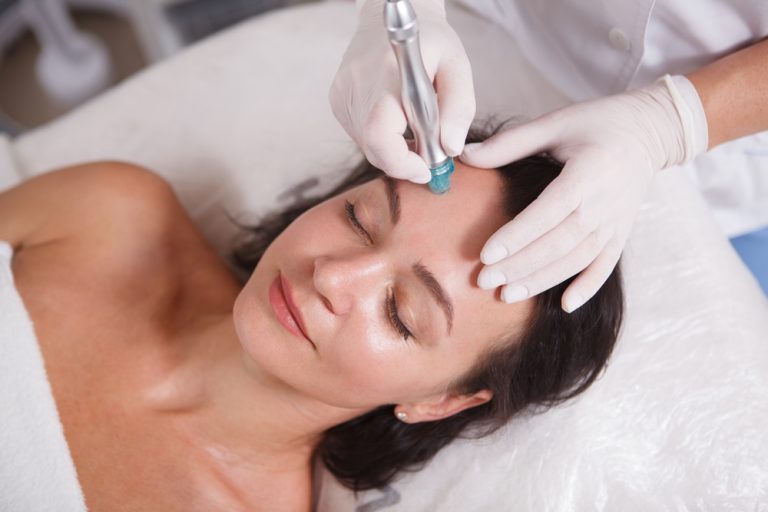
Dermaplaning is a professional exfoliation treatment where a trained esthetician uses a sterile surgical scalpel to gently remove the outermost layer of dead skin cells and vellus hair — the fine, colorless “peach fuzz” that sits on the surface of your face. The blade is held at a precise 45-degree angle and moved across the skin in short, controlled strokes. It sounds more intense than it feels.
The result is two things happening at once: the dead cell layer that’s been dulling your complexion gets cleared away, and the fine hair that’s been catching your foundation and scattering light gets removed. What’s left is a noticeably smoother surface, a more even tone, and skin that’s genuinely ready to absorb whatever you put on it next.
Your skin renews itself on roughly a 28-to-30-day cycle, but those shed cells don’t always clear away cleanly. They accumulate, and that buildup is what makes skin look flat, feel rough, and resist your skincare products. Dermaplaning removes that barrier in a single session.
What Is a Dermaplane Facial — And How Is It Different from Just Dermaplaning?
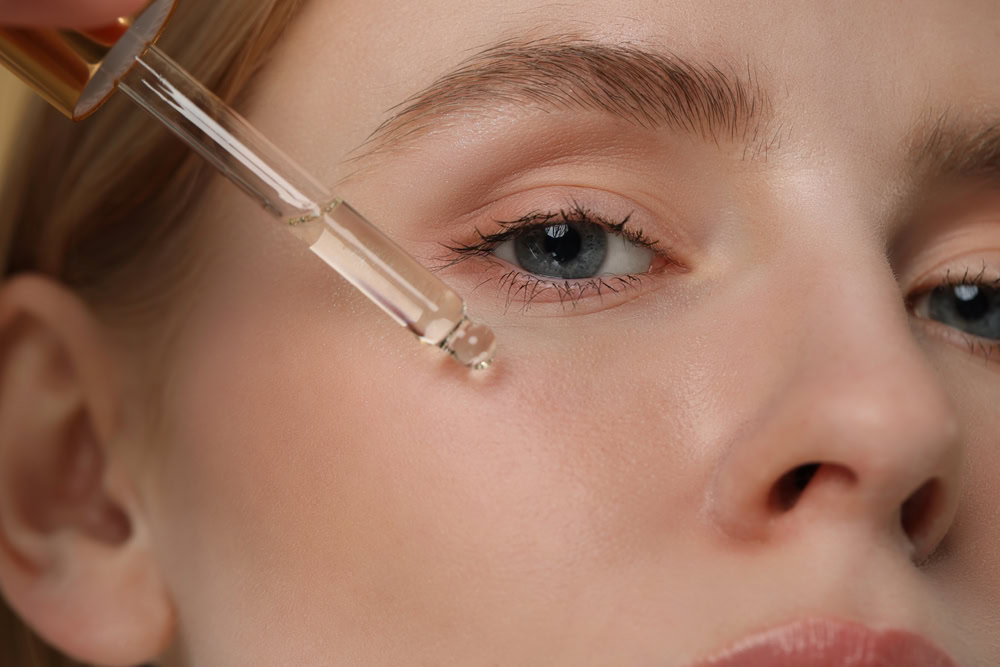
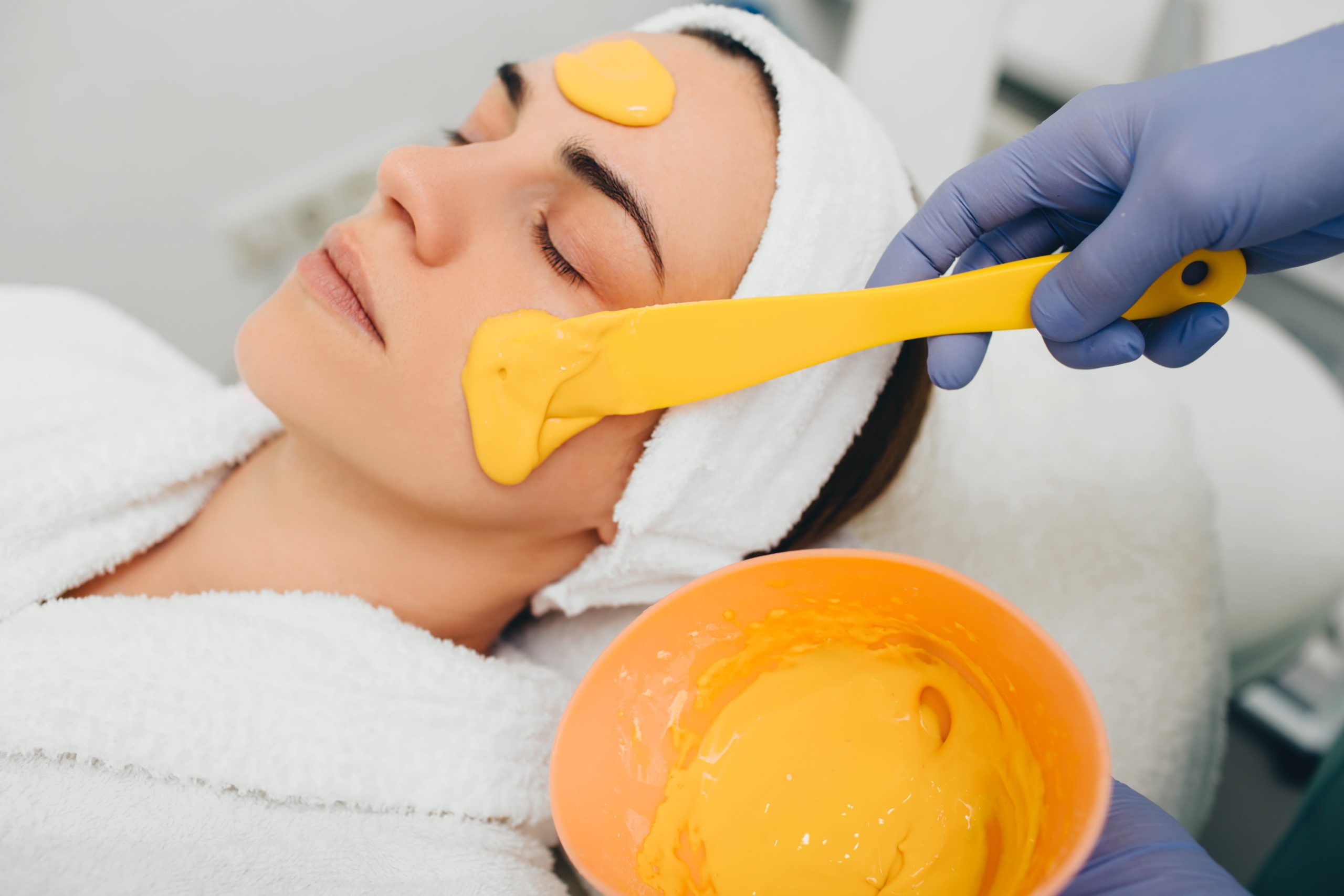
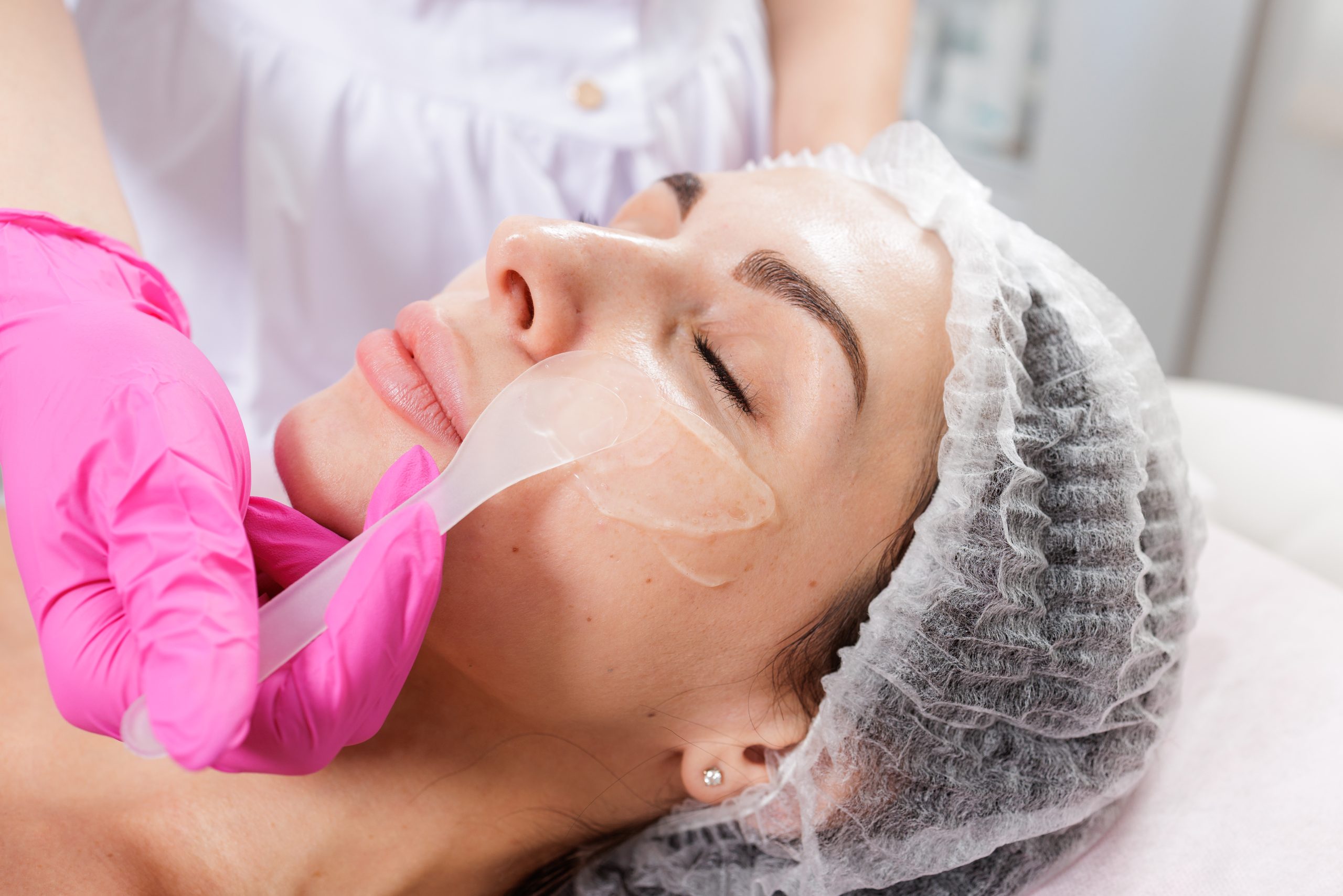
You’ll sometimes hear the treatment called a “dermaplane facial,” and the distinction matters. A standalone dermaplaning session focuses on the exfoliation itself — scalpel work, dead cell removal, peach fuzz, done. A dermaplane facial layers that exfoliation into a broader treatment experience, often combining it with a serum application, a hydrating mask, or a targeted follow-up treatment based on your specific skin concerns.
At Wake Skincare, we almost never treat dermaplaning as a one-step, one-size service. Your skin has its own history — sun exposure from North Carolina summers, texture issues, sensitivity levels, whether you’ve been dealing with hyperpigmentation or just general dullness. A dermaplane facial lets us use the exfoliation as a foundation and build on top of it.
That’s where the real value comes in. Freshly dermaplaned skin absorbs active ingredients far more effectively than skin with a layer of dead cells sitting on top. So when we follow a dermaplaning session with a targeted serum, a HydraFacial, or a VI Peel, those treatments work harder. The combination approach is something we’ve refined through years of treating clients across Wake County — and it consistently produces better results than any single treatment alone.
The sensory experience is also worth mentioning. Most clients describe dermaplaning as genuinely relaxing — a light feathering sensation across the skin, nothing sharp or uncomfortable. When it’s performed correctly with a professional-grade, single-use sterile scalpel, there’s no pain. The discomfort some people associate with dermaplaning almost always traces back to dull blades or poor technique, not the procedure itself.
Does Dermaplaning Make Hair Grow Back Thicker? (The Honest Answer)
This is the question we hear most often, and it’s the one that stops the most people from ever booking. The short answer is no — and it’s not even a close call biologically.
Dermaplaning removes vellus hair, which is the fine, unpigmented peach fuzz that covers most of your face. Vellus hair follicles sit in the skin and are completely unaffected by removing the hair at the surface. The follicle determines what grows back — its size, its pigmentation, its texture — and a scalpel moving across the skin’s surface has no effect on the follicle whatsoever. Your hair grows back at the same rate, the same color, and the same texture as before.
What sometimes throws people off is that freshly cut hair has a blunt tip rather than the tapered point it had before. For the first few days, that can feel slightly different to the touch. But within a week or two, as the hair grows out, it tapers again naturally. There is no mechanism by which surface removal changes how a follicle behaves. This is basic hair biology.
The myth likely started because people conflated dermaplaning with shaving coarse terminal hair, like leg or facial beard hair, where the blunt-cut tip is more noticeable. Vellus hair is a completely different structure. The comparison doesn’t hold.
If this concern has been keeping you from trying dermaplaning, it’s worth setting it aside. The fear is understandable, but it’s not supported by how the treatment actually works — and it’s one of the first things we address during a consultation so you can make an informed decision before committing to anything.
Dermaplaning Benefits Worth Knowing Before You Book
The most visible benefit is the one clients notice first: their skin looks immediately brighter and feels noticeably smoother right after the session. That’s real, and it’s not subtle. But the benefits that keep clients coming back monthly are a little less obvious.
When the dead cell layer is gone, your skincare products — serums, moisturizers, anything with active ingredients — actually reach the skin layers where they do their best work. Hyaluronic acid, vitamin C, retinol: these ingredients are designed to penetrate, and they can’t do that effectively when there’s a physical barrier in the way. Dermaplaning removes that barrier. Most clients notice that their at-home products feel more effective in the days following a treatment, which is not a coincidence.
The makeup application benefit is also significant, especially if you’ve ever struggled with foundation that looks patchy or sits on top of the skin rather than blending into it. Peach fuzz catches product and creates a textured, uneven finish — particularly visible in photos and under bright lighting. Without it, foundation applies more evenly and lasts longer through the day.
Who Should (and Shouldn't) Get Dermaplaning
Dermaplaning works well for a wider range of skin types than most people expect. It’s appropriate for dry, normal, and combination skin, and it’s one of the few professional exfoliation treatments that’s genuinely well-suited for sensitive skin. Because there are no chemicals involved, there’s no risk of a chemical reaction, and the treatment can be adapted in pressure and technique for clients whose skin tends to react easily.
It’s also one of the only professional exfoliation options considered safe during pregnancy and nursing, for the same reason — no chemical absorption. If you’re pregnant and frustrated by the limited treatment menu most clinics offer, dermaplaning is worth asking about.
Where dermaplaning isn’t appropriate: active acne breakouts. If there are open or inflamed blemishes on the skin, the scalpel can spread bacteria and make things worse. Active cold sores, open wounds, or severely sunburned skin are also contraindications. Clients currently on Accutane, or who have recently completed a course, typically need to wait at least six months before any exfoliation treatment. And clients with certain skin conditions — eczema, psoriasis, or very severe rosacea with open skin — should discuss their situation with a provider before booking.
This is exactly why a proper skin assessment matters before any dermaplaning session. It’s not a formality. It’s how a qualified practitioner makes sure the treatment is actually appropriate for your skin on that specific day — and adjusts accordingly if something has changed since your last visit. Mild rosacea, for example, is often completely fine for dermaplaning. Severe rosacea with active pustules is not. The difference matters, and it’s not always something a client can evaluate on their own.
How Often Should You Get Dermaplaning — And What About Aftercare?
Because dermaplaning works in sync with your skin’s natural renewal cycle, monthly treatments tend to produce the best ongoing results. Your skin sheds and renews its outermost layer approximately every 28 to 30 days, so scheduling a session around that cycle means you’re clearing away accumulated dead cells at the right time — not too early, not too late.
Some clients start with monthly appointments and gradually space them out once their skin reaches a maintenance state. Others keep the monthly cadence because they’ve incorporated it into a broader treatment plan that includes HydraFacial sessions or chemical peels. There’s no single right answer — it depends on your skin’s behavior and what you’re working toward.
Aftercare is straightforward, but it matters. For the first 24 to 48 hours after a session, your skin is more sensitive than usual, so you’ll want to avoid harsh exfoliants, active ingredients like retinol or strong acids, and anything that could irritate freshly treated skin. Daily SPF is non-negotiable after dermaplaning — not because the treatment creates unusual sun sensitivity forever, but because freshly exfoliated skin is temporarily more vulnerable to UV damage, and sun protection is the single most important thing you can do to protect your results.
Most clients can apply mineral-based makeup and SPF within a couple of hours of their appointment. There’s no recovery period, no peeling, and no reason to block off your calendar. You can schedule a session on a Thursday and attend an event on Friday — which is one reason dermaplaning has become a go-to pre-event treatment for clients preparing for weddings, professional headshots, holiday gatherings, and reunions.
One thing worth noting for clients across Wake County: the timing of your treatments relative to the season can make a real difference. Fall and winter are ideal for starting a dermaplaning routine because UV exposure is lower, which reduces post-treatment sun sensitivity risk. Spring in the Research Triangle brings intense pollen seasons that can make skin more reactive, so we factor that into treatment planning for clients who tend to experience seasonal skin changes. If you’re not sure when to start or how to sequence your treatments, that’s exactly what a consultation is for.
Finding a Qualified Dermaplaning Provider in Wake County, NC
Dermaplaning is a straightforward treatment when it’s done well — and the difference between “done well” and “done carelessly” is entirely about who’s holding the scalpel. Sterile single-use blades, a proper skin assessment, and a practitioner who adjusts technique to your skin type aren’t optional extras. They’re what separate a professional treatment from a risk.
We serve clients from Wake Forest, Raleigh, Cary, Apex, Holly Springs, Fuquay-Varina, Morrisville, Knightdale, and more than 22 cities across Wake County. Every new client starts with a complimentary skin evaluation — a genuine look at what your skin needs and what realistic outcomes you can expect, with no pressure to book anything on the spot.
If you’ve been curious about dermaplaning but weren’t sure if it was right for your skin, that consultation is the right place to start. Reach out to us and we’ll take it from there.