Summary:
You’ve tried the serums. Maybe you’ve already been through a round of chemical peels somewhere else. The dark spots are still there, and now you’re wondering if you’ve been using the wrong treatment altogether — or if any of this actually works.
That’s a fair question, and it deserves a straight answer. Chemical peels, IPL, and microneedling can all address hyperpigmentation. But they work through completely different mechanisms, carry different risks depending on your skin tone, and produce different results on different types of dark spots. Choosing the wrong one doesn’t just waste your money — it can make things worse.
Here’s what you actually need to know before deciding.
How Chemical Peels for Hyperpigmentation Actually Work
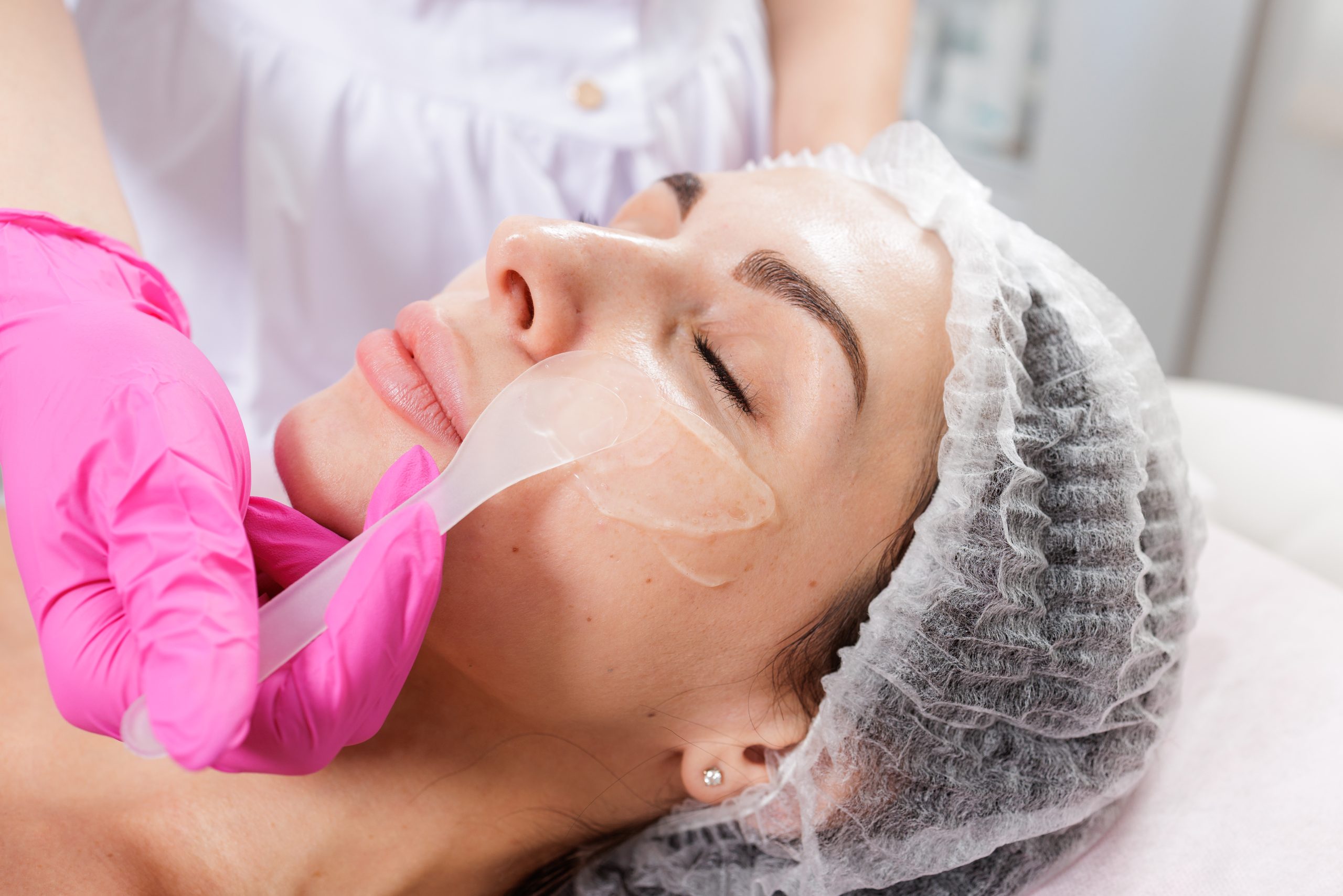
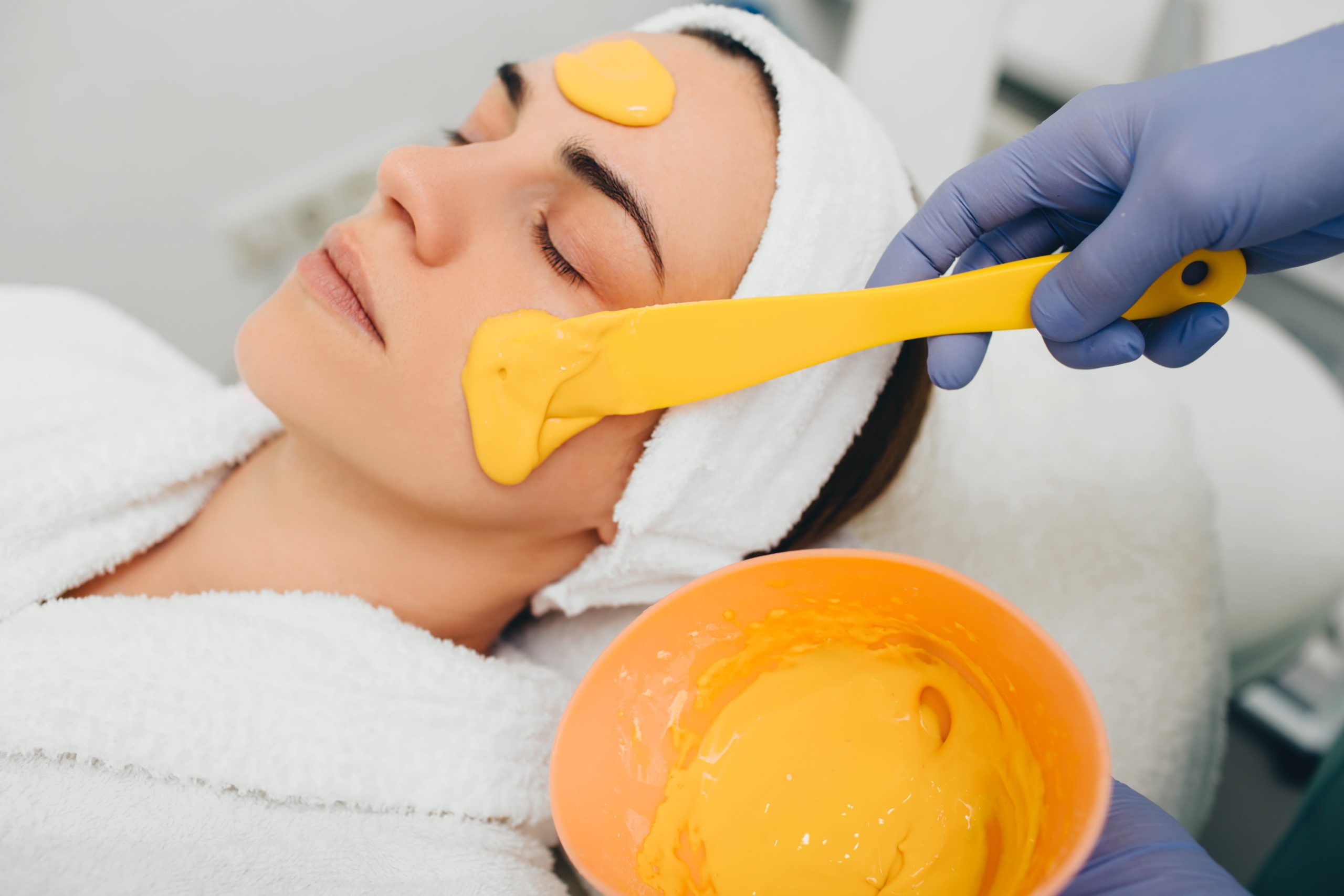
A chemical peel works by applying an acid solution to the skin that accelerates cell turnover — essentially prompting your skin to shed the damaged outer layers faster than it would on its own. As those layers peel away, newer, more evenly pigmented skin rises to the surface. For hyperpigmentation caused by sun damage, acne scarring, or uneven melanin distribution, this process can produce meaningful, visible improvement.
The key word is “customized.” Not all peels are the same, and not all peels are appropriate for all skin types. The acid type, concentration, and depth of the peel should all be selected based on your Fitzpatrick skin type, your specific pigmentation concern, and your skin’s current condition — not a one-size-fits-all protocol.
Which Type of Chemical Peel Is Best for Hyperpigmentation?
The answer depends almost entirely on your skin tone and the type of hyperpigmentation you’re dealing with. Glycolic acid peels are among the most common — they’re effective for mild to moderate sun-triggered dark spots and work well on lighter skin tones. Lactic acid peels are gentler, making them a reasonable option for sensitive skin and melasma. Salicylic acid peels are oil-soluble, which means they penetrate the pore lining and are particularly useful when hyperpigmentation is tied to acne breakouts.
TCA (trichloroacetic acid) peels go deeper and can produce more dramatic results, but they carry a significantly higher risk of post-inflammatory hyperpigmentation — the ironic situation where a treatment meant to reduce dark spots actually triggers new ones — especially in patients with Fitzpatrick IV through VI skin tones. For medium-to-deep skin tones, lower-concentration options like mandelic acid or a formulated peel such as the VI Peel tend to be safer starting points. The VI Peel keeps its TCA concentration below 15%, which is specifically designed to be effective without provoking the inflammatory response that causes PIH.
This is where the difference between an experienced, specialized provider and a generalist spa becomes very real. A provider who understands Fitzpatrick skin typing doesn’t just select a peel — they select the right peel for your skin, at the right concentration, and monitor the application with precision. Getting that wrong doesn’t just mean no results. It can mean setting your skin back months.
Professional-grade peels use higher acid concentrations than anything available for home use. At-home peel kits are limited by regulation to low concentrations — which is why many people try them, see minimal improvement, and assume peels don’t work. The formulations used in a clinical setting are categorically different.
Post-Inflammatory Hyperpigmentation Treatment: Why the Wrong Peel Can Backfire
Post-inflammatory hyperpigmentation, or PIH, is the dark mark left behind after skin trauma — a healed pimple, a bug bite, a minor cut, or even an overly aggressive skincare treatment. It’s one of the most common forms of hyperpigmentation, and it’s also one of the most misunderstood.
PIH occurs when the skin produces excess melanin in response to injury or inflammation. In people with deeper skin tones, this response is more pronounced — the skin’s melanocytes are more reactive, which means the same level of stimulus that causes temporary redness in lighter skin can trigger lasting pigmentation in darker skin. This is a documented clinical reality, not a generalization. It’s also why medium and deep chemical peels are generally not recommended for Fitzpatrick IV through VI skin types without very careful selection and application.
The frustrating part is that PIH is itself a form of hyperpigmentation. So a peel that’s too aggressive for your skin tone can actually worsen the very condition you came in to treat. This is the scenario that gives chemical peels a bad reputation among people with darker complexions — and it’s entirely avoidable with the right provider.
Effective PIH treatment typically starts with a thorough skin analysis, a conservative approach to peel selection, and a clear aftercare protocol that includes strict sun protection. In some cases, a series of lighter peels spaced several weeks apart produces better results than a single deeper peel. Combining peels with brightening topicals like tranexamic acid or vitamin C can also accelerate improvement. The goal is controlled, gradual cell turnover — not maximum intensity on the first visit.
If you’ve had a bad experience with a chemical peel before, or if you’ve been told your skin tone makes peels too risky, it’s worth getting a second opinion from someone who specializes in skin of color. The risk isn’t the peel itself — it’s the wrong peel, applied without adequate assessment.
IPL Facial Treatment vs Microneedling for Hyperpigmentation: How They Compare
Chemical peels aren’t the only path to clearer, more even skin. IPL and microneedling both address hyperpigmentation through entirely different mechanisms, and for some people — depending on skin tone, pigmentation type, and lifestyle — one of these may actually be a better fit than a peel.
Understanding how each works helps you ask better questions when you sit down for a consultation. It also helps you recognize when a provider is recommending what’s right for your skin versus what’s easiest to sell.
IPL stands for intense pulsed light. Unlike a laser, which uses a single focused wavelength, IPL delivers multiple wavelengths of light simultaneously — targeting melanin deposits in the skin and breaking them up so the body can clear them naturally. It’s particularly effective for sun-triggered dark spots, freckles, and redness caused by broken capillaries. Clinical studies show IPL can reduce hyperpigmentation by 70 to 80 percent after three to five sessions in appropriate candidates.
The critical phrase there is “appropriate candidates.” IPL works by targeting melanin — which means it cannot reliably distinguish between the excess melanin in a dark spot and the natural melanin in deeper skin tones. For patients with Fitzpatrick V or VI skin, IPL carries a meaningful risk of burns and post-inflammatory hyperpigmentation. It is generally not recommended for darker complexions without very specific device settings and significant provider expertise.
For patients with lighter to medium skin tones dealing with sun damage — which, given Wake County’s UV index reaching 7 to 9 or higher from May through September, is a common concern here — IPL can be one of the most efficient options available. Results are often visible after just one or two sessions, and there’s no peeling or extended downtime. The fall and winter months, when UV exposure is lower, are also the ideal window for IPL treatments in Wake County, since sun exposure must be avoided both before and after each session.
If you’re unsure whether IPL is appropriate for your skin tone, that’s exactly the kind of question a skin analysis is designed to answer before any treatment begins.
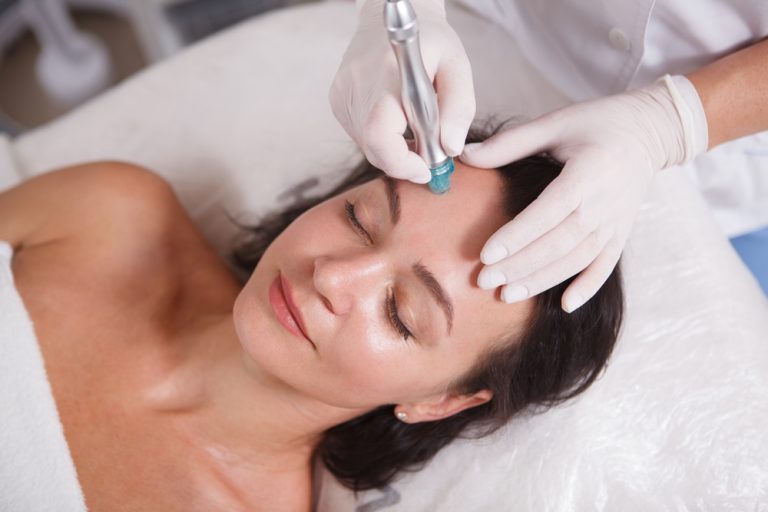
Microneedling works differently from both peels and IPL. Instead of applying a chemical or light energy, it uses fine needles to create controlled micro-injuries in the skin — prompting the body’s natural healing response, which includes a surge in collagen and elastin production. Over time, this process accelerates cell turnover, fades dark spots, and improves overall skin texture.
One of microneedling’s most significant advantages for hyperpigmentation is that it uses mechanical stimulation rather than heat or chemical exfoliation. That distinction matters for people with deeper skin tones. Heat-based devices and aggressive chemical peels can trigger inflammatory responses that worsen pigmentation — microneedling, when performed correctly, carries a lower risk of that outcome. When paired with brightening serums applied during the treatment, such as vitamin C or tranexamic acid, the results for PIH and acne-related dark spots can be substantial.
The device matters here, too. We use SkinPen — the first and only FDA-cleared microneedling device for acne scars, classified as a Class II medical device. That’s not a minor distinction. It means the device has been held to medical standards, not just cosmetic ones. Clinical data shows that a four-session SkinPen series can produce a 400 percent increase in collagen and elastin six months post-treatment. For hyperpigmentation tied to acne scarring or PIH, that level of skin remodeling translates to real, lasting change.
Microneedling also pairs well with other treatments. A combination approach — for example, microneedling followed by a series of lighter peels — can address multiple layers of pigmentation concern simultaneously, which is often more effective than either treatment alone. Research on combination protocols, including IPL paired with microneedling, has shown 73.3 percent patient satisfaction in clinical settings, with greater pigmentation improvement than IPL alone. That kind of layered approach is something we assess during a consultation based on your skin’s specific needs and history.
Hyperpigmentation on Black skin and other deeper complexions deserves particular attention here. This is an area where the aesthetics industry has historically underserved patients — either by avoiding treatment altogether or by applying protocols designed for lighter skin tones without adjustment. Specializing in skin of color means understanding which treatments are appropriate, at what intensity, and in what sequence. It also means being honest when a particular treatment isn’t the right fit.
Which Hyperpigmentation Treatment Is Right for You in Wake County, NC?
There’s no universal answer — and any provider who tells you otherwise before looking at your skin isn’t giving you real advice. The right treatment depends on your skin tone, the type and depth of your hyperpigmentation, your history with previous treatments, and practical factors like how much downtime you can manage.
What’s true across the board is that Wake County’s climate — long, high-UV summers followed by a relatively brief window of lower sun exposure in fall and winter — creates real, ongoing demand for hyperpigmentation treatment. Dark spots accumulate here faster than in many other parts of the country, and the fall-to-winter months are genuinely the best time to address them before the next UV season begins.
If you’ve been spinning your wheels trying to figure out which treatment to try next, the most useful first step is a thorough skin evaluation with someone who actually specializes in pigmentation — not just offers it as one of twenty services. We offer a free consultation specifically for this reason. Come in, get your skin assessed, and leave with a clear plan rather than another round of guesswork.