Summary:
You’ve tried the vitamin C serums. The niacinamide. The dark spot correctors that promised results in four weeks. And your skin looks… mostly the same. Maybe a little better on a good day, but nothing that actually stuck.
That’s not a product failure — it’s a depth problem. Topical products work on the surface. Most hyperpigmentation doesn’t live there. If you’re ready to look at professional treatments, the real question isn’t just “what works” — it’s what works for your specific type of dark spots, your skin tone, and your actual life. Here’s what you need to know before you book anything.
What's Actually the Best Thing for Hyperpigmentation?
Here’s the honest answer: there’s no single best treatment. There’s a best approach — and it starts with identifying what kind of hyperpigmentation you’re dealing with.
Post-inflammatory hyperpigmentation (PIH) shows up after acne, a rash, or any kind of skin trauma. Melasma is driven by hormones and tends to sit deeper in the skin. Sun damage and solar lentigines come from UV exposure over time. Each of these responds differently to treatment — and choosing the wrong one doesn’t just waste money. In some cases, it can make things worse.
That’s why the first step isn’t picking a treatment. It’s getting a real evaluation from someone who knows the difference.
HydraFacial for Hyperpigmentation: What It Can and Can't Do
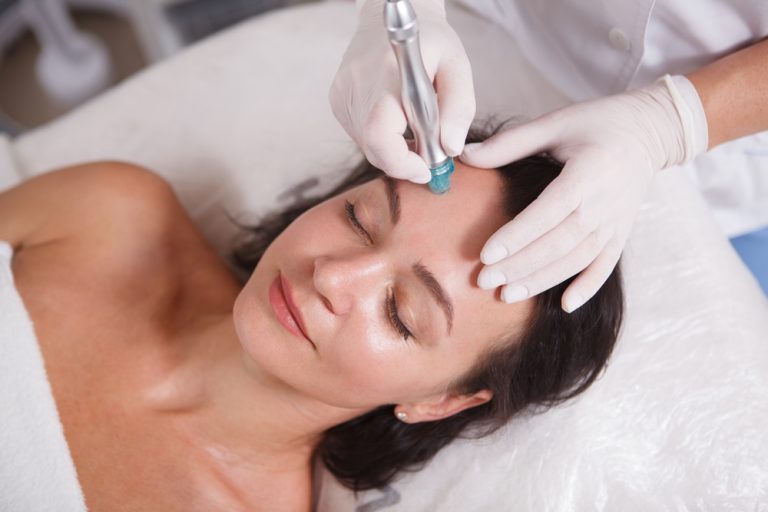
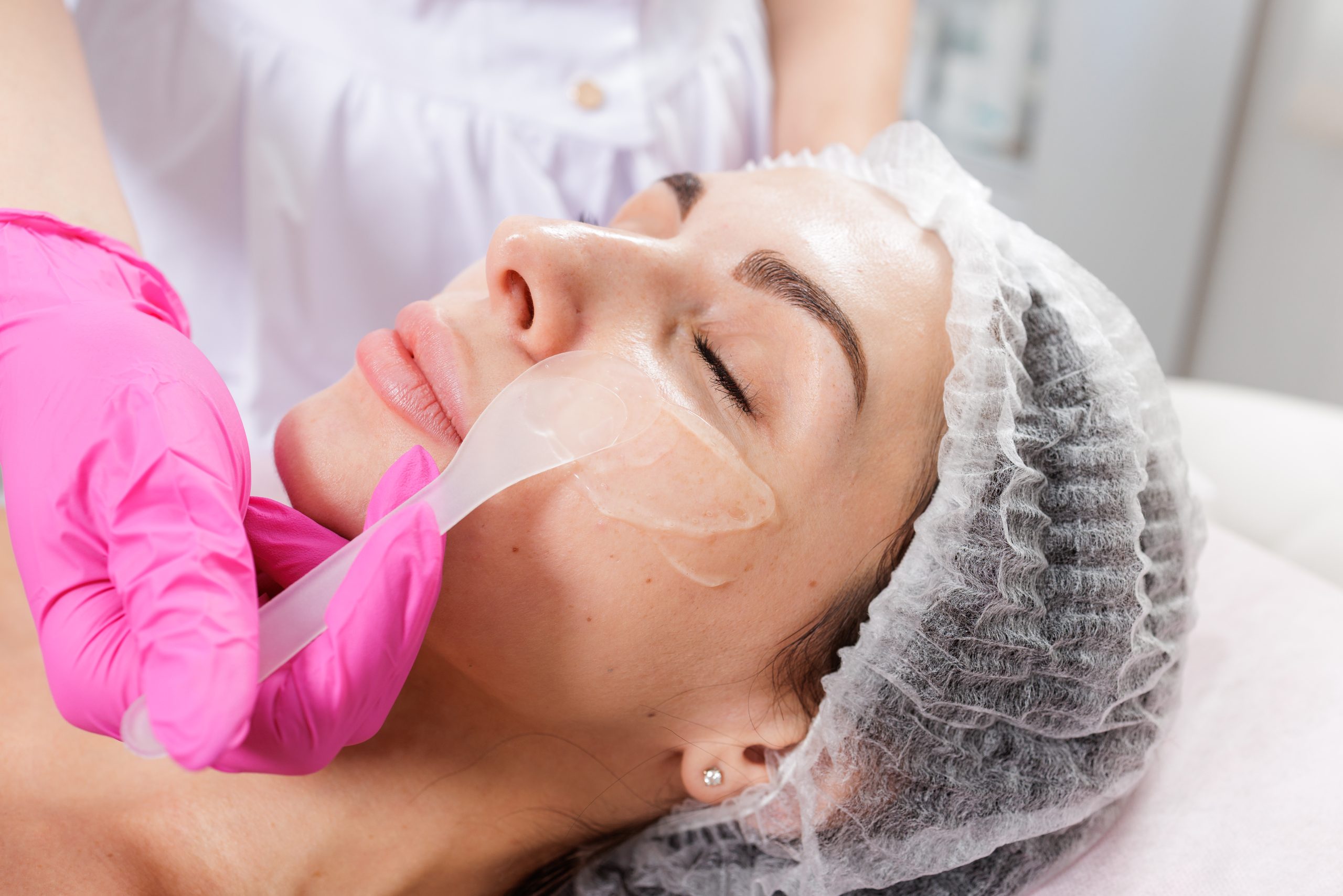
A standard HydraFacial — the cleanse, extract, and hydrate sequence — does a lot of good things for your skin. It improves texture, boosts hydration, and gives you that immediate glow that makes people ask what you’ve been doing differently. But if you’re dealing with stubborn pigmentation, a standard session alone isn’t going to move the needle much.
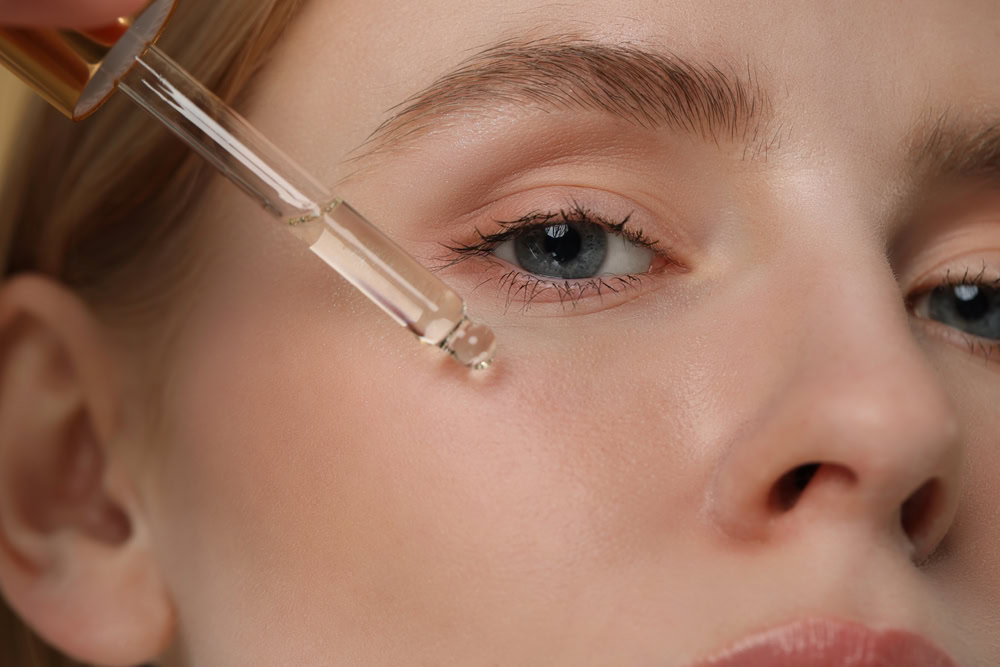
Where HydraFacial gets genuinely effective for dark spots is when it’s paired with the right booster. The Britenol booster, available with our Deluxe and Platinum HydraFacial tiers, is specifically formulated to target uneven pigmentation. It works differently than a serum you’d buy at a counter — it’s delivered directly into the skin during the treatment using vortex-fusion technology, which means it actually gets where it needs to go.
The other thing worth knowing is that HydraFacial doesn’t penetrate as deeply as a chemical peel. For superficial pigmentation and general skin tone evening, it’s excellent. For deeper pigment deposits — melasma, for example — it’s often most effective as part of a combination approach or as a maintenance treatment between more targeted sessions.
The zero-downtime factor is a real advantage for a lot of our clients, especially those working in the Research Triangle who can’t afford to take days off for recovery. You can come in on a lunch break and walk out looking noticeably better.
One more thing that often gets overlooked: the skill of the person performing the treatment matters enormously. Our founder Jacqueline Grace holds HydraFacial Master Certification — the highest tier the brand offers — and was among the first 100 practitioners in the world to achieve it. That level of training changes how the treatment is customized, not just how it’s performed.
Chemical Peels vs. IPL: Which One Is Right for Your Skin Tone?
This is where things get important — especially if you have a deeper skin tone.
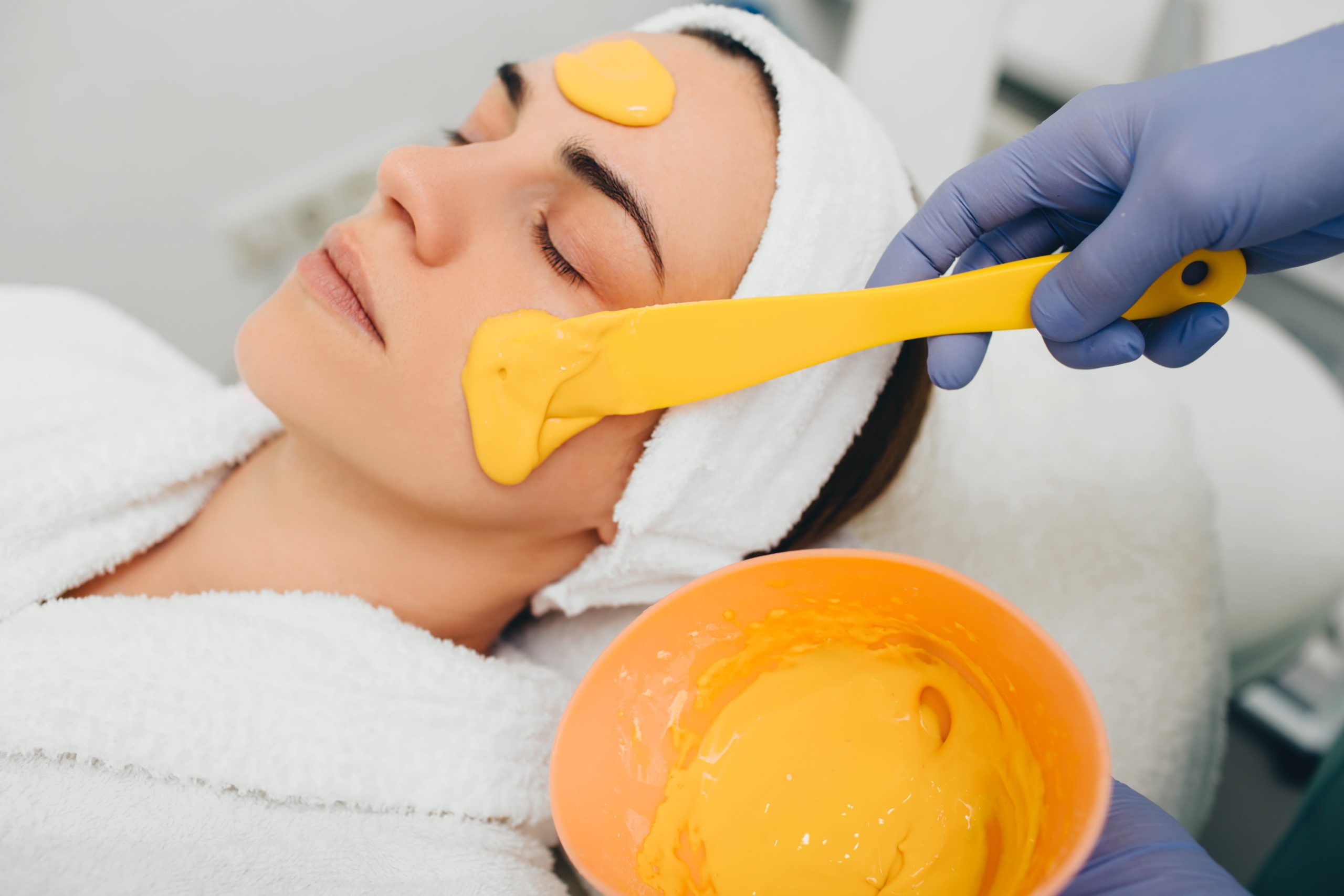
Chemical peels work by removing the outer layers of skin, which brings pigmented cells to the surface and promotes faster cell turnover. A well-chosen peel can reach the depth where pigment deposits actually sit, which is why they’re often more effective than a facial alone for persistent dark spots. Superficial glycolic acid peels have solid clinical support for melasma specifically, and they can be adjusted in strength depending on your skin’s sensitivity and tolerance. The VI Peel is another option we use for clients dealing with more significant discoloration.
IPL — intense pulsed light — works differently. It delivers light energy into the skin to break up pigment, and it’s FDA-cleared for treating sun damage, age spots, and diffuse redness. When it works, it works well. Brown spots often darken immediately after treatment before flaking off over the following one to two weeks.
Here’s what most providers don’t tell you clearly enough: traditional IPL is generally not recommended for Fitzpatrick skin types IV through VI — that is, medium-brown to deep skin tones. The reason is that IPL targets melanin, and in higher concentrations, that energy can be absorbed by the surrounding skin rather than just the pigment deposit. The result can be post-treatment hyperpigmentation that’s worse than what you started with. This is a documented clinical risk that any qualified provider should be discussing with you before recommending IPL.
For clients with darker skin tones, alternatives like the Clear & Brilliant laser, targeted chemical peels, or a carefully customized HydraFacial protocol are often safer and more effective paths. We’ve seen this firsthand — one of the most consistent pieces of feedback we receive is from clients who specifically sought us out because they needed someone who actually understands how to treat hyperpigmentation in people of color. That expertise isn’t universal.
Hyperpigmentation Treatment in Wake County: Seasonal Considerations
Wake County’s climate plays a direct role in why so many people here are dealing with hyperpigmentation in the first place. Summers are long, hot, and sunny — average July highs sit around 90°F — and the outdoor culture in the Research Triangle means a lot of UV exposure accumulates over time. By late summer, we see a consistent surge of clients coming in with sun-damage-related dark spots that built up since April.
That seasonal reality shapes how we approach treatment planning here in Wake County. IPL and laser treatments are best performed in fall and winter, when UV exposure is lower and your skin can heal without interference. Lighter peels and HydraFacial sessions work year-round. Knowing when to schedule which treatment is part of getting the most out of any protocol.
What to Look for in a Hyperpigmentation Specialist
Not every spa that lists “hyperpigmentation treatment” on its menu has the depth of expertise to back it up. Here’s what actually separates a qualified provider from a generalist.
First, look for documented, verifiable credentials — not just general esthetics licensing, but specific certifications from the devices or treatment systems they use. HydraFacial, for example, offers three certification tiers: Professional, Expert, and Master. Most providers hold the entry level. A Master Certified practitioner has completed significantly more advanced training and is operating at a different level of customization and precision.
Second, look for third-party recognition in the specific area you’re seeking treatment for. Jacqueline Grace earned first place in the Pigmentation Artist of the Year category at The Skin Games, an international esthetician competition that judges practitioners on live skin transformation work. She also placed second in the same category in a separate year, and has been recognized as Best Esthetician in Wake County for three consecutive years, including First Place in the Wake Weekly Best of the Best 2022.
Third, ask whether the practice has physician oversight. At Wake Skincare, our medical director provides that layer of clinical accountability — which matters when you’re considering treatments like IPL, laser, or injectables. It’s the difference between a boutique esthetics studio and a medical spa operating at the standard that more intensive treatments require.
Finally, pay attention to whether the provider asks questions before recommending anything. A real evaluation — not a quick visual scan, but a thorough consultation that includes AI-powered skin analysis — is how you end up with a treatment plan that’s actually built around your skin. We offer that consultation at no charge, because the right recommendation depends entirely on what’s actually happening with your skin, not what’s most popular on the menu.
Frequently Asked Questions About Hyperpigmentation Treatments
**How much does laser hyperpigmentation removal cost?**
Laser treatment costs vary depending on the type of laser used, the size of the treatment area, and how many sessions are needed to achieve your goal. A single session typically looks different from a series, and the right number of sessions depends on how deep the pigmentation sits and how your skin responds. Because there’s no honest one-size-fits-all answer, we don’t publish a flat rate — we’d rather give you an accurate picture after a free consultation where we can actually assess what you’re working with.
**Should I see a dermatologist or an esthetician for hyperpigmentation?**
It depends on what you’re dealing with and what outcome you’re looking for. Dermatologists can prescribe medications like tretinoin or hydroquinone and treat conditions with a medical component. For cosmetic hyperpigmentation — sun spots, PIH, uneven skin tone — a licensed esthetician with medical director oversight and documented expertise in pigmentation can achieve meaningful, lasting results without the wait times or clinical environment of a dermatology office.
At Wake Skincare, we operate under the oversight of a named medical director, which bridges the gap between a standard esthetics studio and a medical practice. If we ever see something during a consultation that warrants a dermatology referral, we’ll tell you. But for the vast majority of clients in Wake County dealing with cosmetic dark spots, professional-grade esthetics treatment is an effective, accessible path — and one we’ve spent years refining.
**How many sessions does it take to see results?**
One session can make a visible difference. A series creates lasting change. How many sessions you need depends on the type and depth of your hyperpigmentation, the treatment you’re using, and how consistently you protect your skin from UV exposure in between. Some clients see a dramatic improvement after a single Clear & Brilliant session. Others are working through years of sun damage that took time to develop and will take a series to fully address. We set realistic expectations from the start — not because we’re managing you down, but because it’s the only way to build a plan that actually works.
Ready to Figure Out Which Hyperpigmentation Treatment Is Right for You?
The bottom line is this: hyperpigmentation is treatable. But the treatment has to match the type of pigmentation, your skin tone, and your lifestyle — and that’s not something a blog post can fully determine for you. What it can do is help you walk into a consultation knowing the right questions to ask.
If you’re in Wake County — whether you’re coming from Raleigh, NC, Apex, NC, Holly Springs, NC, Rolesville, NC, or right here in Wake Forest, NC — you don’t have to keep guessing. A proper skin evaluation changes the whole conversation.
Wake Skincare offers a free consultation that includes AI-powered skin analysis alongside a hands-on assessment. No generic recommendations, no pressure to book a package before you understand what you actually need. Just a real look at your skin and an honest conversation about what will move the needle. Reach out to us when you’re ready.