Summary:
The burn is gone. The skin closed up weeks ago. But the dark mark is still there — and if anything, it might look darker than it did when you first got hurt. That’s not unusual, and it’s not permanent damage. It’s post-burn hyperpigmentation, and it operates on a completely different timeline than wound healing.
Understanding why that happens — and what actually moves the needle on fading it — is the difference between waiting indefinitely and getting real results. Here’s what’s going on beneath the surface, and what you can do about it.
Post-Trauma Hyperpigmentation: What's Actually Happening in Your Skin
When your skin experiences trauma — a burn, a cut, a bad breakout — the body responds with inflammation. That inflammation is what heals the wound. But it also sends a signal to the melanocytes, the cells responsible for producing pigment, telling them to ramp up production.
The wound heals on a tissue-repair timeline. The melanin overproduction? That runs on its own schedule entirely, and it doesn’t stop just because the skin has closed. The result is a dark mark that can linger long after the injury itself is gone. This is what’s known as post-inflammatory hyperpigmentation, or PIH — and when the trigger is a burn, the inflammation tends to be more intense, which means the pigment response is often more significant and longer-lasting.
Hyperpigmentation After Injury: Why Burn Marks Are Different from Other Dark Spots
Not all dark spots are created equal. The hyperpigmentation that follows a burn is different from sun damage or melasma in one important way: the depth of the inflammation. Burns — even minor ones from a hot pan, a curling iron, or a grilling accident — create a more intense and localized inflammatory response than most other skin injuries. The deeper that inflammation goes, the more stubborn the resulting pigmentation tends to be.
There are two layers of skin where PIH can settle. Epidermal hyperpigmentation sits closer to the surface and tends to respond more readily to treatment — it may fade within three to six months with consistent care. Dermal hyperpigmentation, where melanin has deposited deeper into the skin, can take twelve to twenty-four months or longer to resolve, and often requires professional intervention to see meaningful improvement.
This distinction matters because it affects what kind of treatment is appropriate. Surface-level brightening products may be enough for mild epidermal cases. But if the mark has been there for months without budging, it’s likely sitting deeper — and a topical vitamin C serum alone isn’t going to reach it.
There’s also a sun exposure factor that most people underestimate. UV radiation stimulates melanocytes, which means every unprotected moment in the sun after a burn is essentially pouring fuel on the fire. In Wake County, NC, where the UV index stays elevated from April through September, this is a real and ongoing risk. If you spend time at local parks, on the greenways, or at outdoor events and don’t apply SPF consistently, you’re making post-burn marks darker without realizing it. The mark isn’t getting worse on its own — the sun is deepening it.
One more thing worth knowing: a dark mark after a burn is not a scar. Scars involve structural changes to the dermis — disrupted collagen, altered texture. Hyperpigmentation is a pigment issue. That distinction matters because it changes the treatment approach entirely, and it also means there’s a much clearer path to resolution.
Why Post-Burn Dark Marks Are More Persistent on Deeper Skin Tones
If you have a medium to deep skin tone and your post-burn mark seems more intense — or has lasted longer than you expected — that’s not a coincidence. Individuals with Fitzpatrick skin types III through VI have larger melanosomes, a greater baseline quantity of melanin, and higher levels of eumelanin, which is the type of melanin that produces darker pigmentation. When inflammation triggers melanin overproduction in skin that’s already melanin-rich, the response tends to be more pronounced and the marks tend to linger longer.
Research bears this out. Studies on post-inflammatory hyperpigmentation in skin of color consistently show higher rates of PIH and longer resolution timelines compared to lighter skin tones. For Black individuals specifically, PIH is one of the most frequently reported skin concerns — and acne alone causes PIH in more than 65% of African American patients studied. For a burn, which creates more intense inflammation than a pimple, the rates and severity are even higher.
This is also where provider selection becomes genuinely important — not just as a preference, but as a safety concern. Certain treatments that work well on lighter skin tones can worsen hyperpigmentation on deeper skin tones when applied incorrectly. Lasers and IPL, for example, are effective tools for treating PIH, but they can also aggravate pigmentation if the settings aren’t calibrated for melanin-rich skin or if the skin hasn’t been properly prepped beforehand. A provider who doesn’t understand skin of color isn’t just less effective — they can actively set you back.
This is why it matters to work with someone who has documented, peer-validated experience treating hyperpigmentation in people of color. Not someone who says they can help everyone, but someone whose results have been evaluated and recognized specifically in this area.
Post-Burn Hyperpigmentation Treatment: What Actually Works
There’s no single treatment that works for every case of post-burn hyperpigmentation. The right approach depends on the depth of the pigmentation, your skin type, how long the mark has been there, and how your skin has responded to anything you’ve tried before. What the research consistently shows is that combination approaches — using multiple treatments in sequence — tend to produce better results than relying on any one modality alone.
That might mean pairing a chemical peel with a brightening HydraFacial protocol, or layering Clear + Brilliant laser treatments with IPL over a series of sessions. The goal is to work on the pigmentation from multiple angles: accelerating cell turnover, targeting melanin deposits directly, and supporting the skin’s barrier so it can respond without triggering more inflammation.
Professional Hyperpigmentation Treatment for Black Skin: What to Expect
If you’ve been searching for effective hyperpigmentation treatment for black skin or wondering whether you need a dermatologist specifically, here’s a straightforward answer: the credential matters less than the expertise. A licensed esthetician with medical director oversight, specialized training in skin of color, and documented results treating pigmentation can deliver clinical-grade outcomes — often with faster access and a more personalized process than a large dermatology practice with a months-long waitlist.
What a skilled provider will do first is assess your skin thoroughly — your Fitzpatrick skin type, the depth of the pigmentation, your history with previous treatments, and any factors that might affect how your skin responds. This isn’t a formality. It’s the foundation of a safe and effective plan. Applying a strong chemical peel or laser treatment to post-burn skin of color without that assessment is how providers cause harm.
From there, a good treatment plan typically involves a pre-treatment phase — often a brightening protocol using ingredients like niacinamide, kojic acid, or prescription-strength brightening agents — to reduce melanin activity before any more aggressive modalities are introduced. This step significantly reduces the risk of the treatment itself triggering more PIH. It’s not skippable, even if it feels slow.
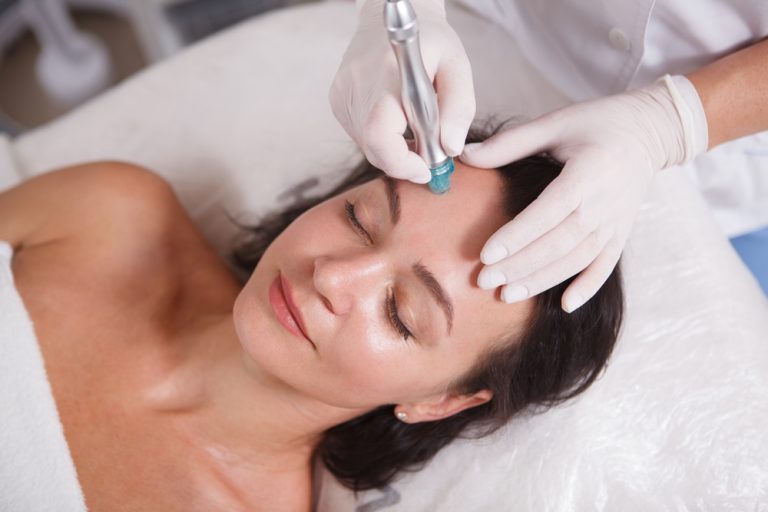
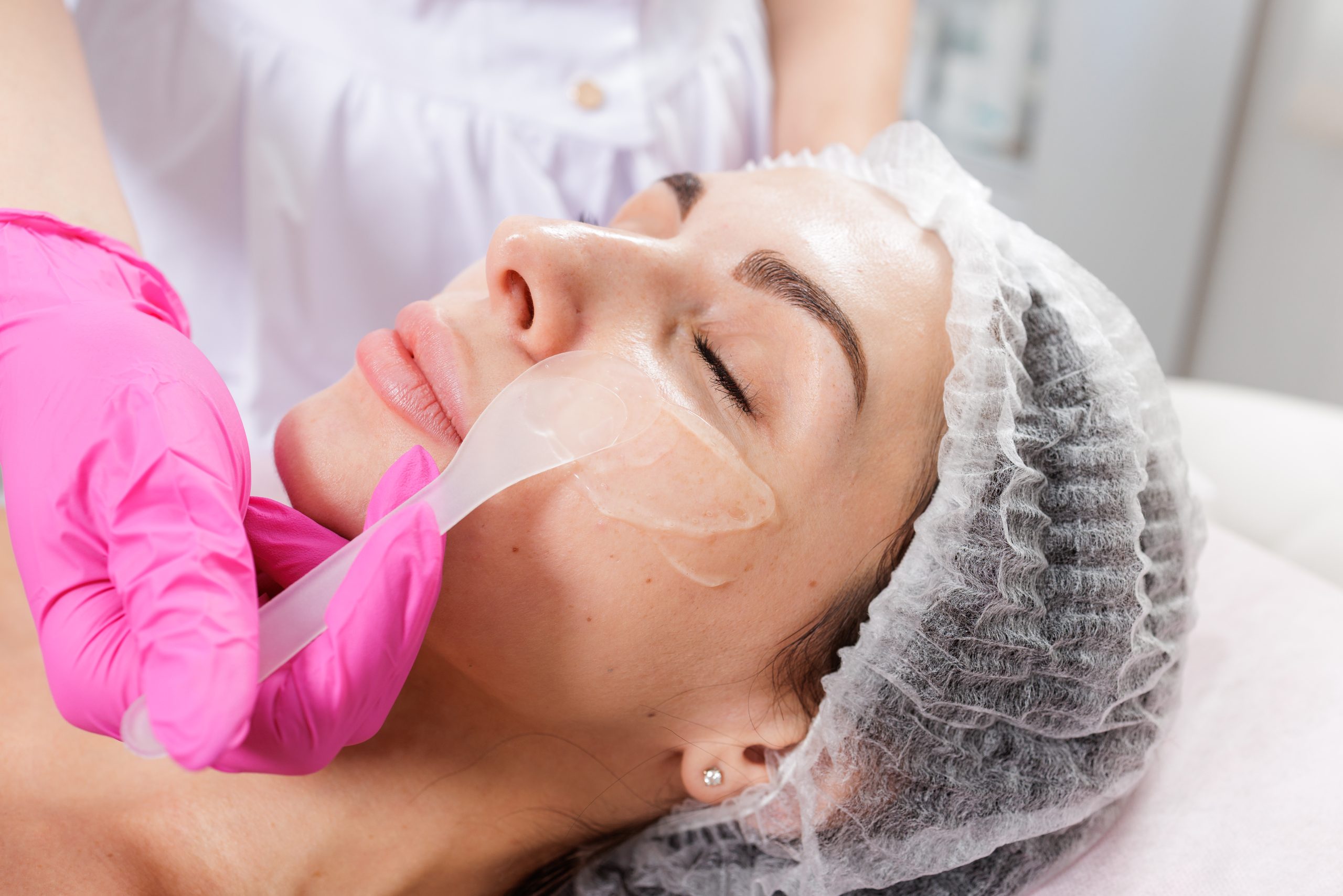
The treatments themselves vary by case. Chemical peels at the appropriate depth can accelerate the shedding of pigmented surface cells. Microneedling with SkinPen can stimulate collagen remodeling and improve the skin’s overall tone and texture alongside pigmentation. HydraFacial with targeted brightening boosters addresses surface pigmentation while supporting hydration and barrier health. IPL can directly target melanin deposits — but only when applied by someone who understands the risk profile for your specific skin type.
Results don’t happen overnight, and any provider who tells you otherwise isn’t being straight with you. But with the right combination of treatments and consistent aftercare — especially daily SPF — most cases of post-burn hyperpigmentation can see meaningful improvement.
Common Questions About Post-Burn Dark Marks — Answered Honestly
**Will post-burn hyperpigmentation go away on its own?**
Sometimes, yes — but the timeline is unpredictable and heavily influenced by factors you may not be controlling. Epidermal PIH can fade within three to six months if you’re diligent about sun protection and using appropriate brightening support. Dermal PIH, where the melanin has settled deeper, rarely resolves fully without professional treatment. If the mark has been there for more than a few months without visible fading, it’s not going to disappear on its own.
**Does sunscreen actually help?**
Yes — but not in the way most people expect. Sunscreen doesn’t fade existing pigmentation. What it does is prevent the mark from getting darker, which is critical because UV exposure is one of the primary drivers of PIH deepening. In Wake County, NC, where summers are long and sunny and outdoor life is part of the culture, skipping SPF after a burn injury is one of the fastest ways to turn a temporary mark into a long-term problem. Think of sunscreen as the baseline — not the solution, but the thing that keeps the situation from getting worse while you work on it.
**Can the wrong treatment make it worse?**
Yes, and this is important. Aggressive exfoliation, certain acids, and laser treatments applied without proper skin type assessment can trigger more inflammation — which triggers more melanin production — which deepens the mark. This is especially true for medium to deep skin tones. It’s one of the most common reasons people come to us after trying something that backfired. The risk is real, documented in clinical literature, and entirely avoidable with the right provider.
**Do I need a dermatologist, or can an esthetician help?**
For most cases of post-burn hyperpigmentation that don’t involve open wounds or active infection, a licensed esthetician with the right training and medical director oversight can absolutely help — and in many cases, provide a more personalized and accessible experience than a dermatology office. At Wake Skincare, every treatment plan is developed under the oversight of a named medical director, which means the level of care crosses the clinical threshold while still being grounded in the kind of individualized attention a dedicated aesthetic practice can offer.
**How many treatments will it take?**
There’s no universal answer, because it depends on how deep the pigmentation is, how long it’s been there, and how your skin responds. What we can tell you is that a series of treatments almost always outperforms a single session, and that consistency — in both professional treatments and at-home care — is what determines how quickly you see results.
Getting Real Results for Post-Burn Hyperpigmentation in Wake County, NC
Post-burn hyperpigmentation is frustrating precisely because it lingers after you’ve already been through the injury. The wound is healed. You’ve been patient. And the mark is still there. That experience is more common than most people realize — and it’s more treatable than most people know.
The key is understanding that the pigment and the wound operate on separate timelines, that skin of color requires a provider who actually knows what they’re doing, and that the right combination of treatments — not one miracle product — is what moves the needle.
If you’re in Wake County, NC and you’re ready to stop waiting and start seeing actual change, we offer a free skin evaluation and consultation. No commitment, no pressure — just a real conversation about your skin and what’s possible.